


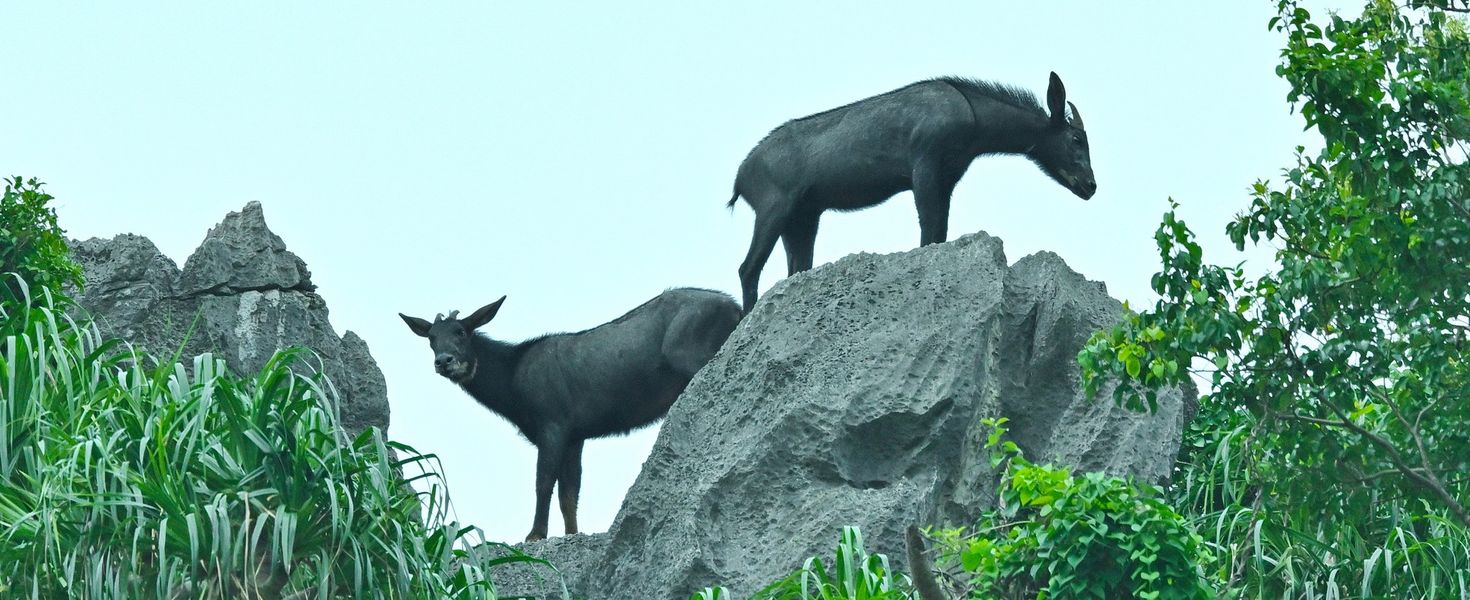
A Wildlife Care Edition of HYROX: Hauling Water Uphill for Serows in the Dry Season
Testing Grit and Igniting Forest Conservation Awareness
As summer arrives, it is not just people who find the heat nearly unbearable; wildlife foraging in the forest struggle to survive as well. This is especially true for those in limestone mountain forests during the dry season, where once-lush water sources vanish without a trace.
When water disappears, animals living on the peaks, such as the serow, are forced to descend to the lowlands for survival. However, this struggle to stay alive often ends in tragedy, as descending the mountain means risking their lives.
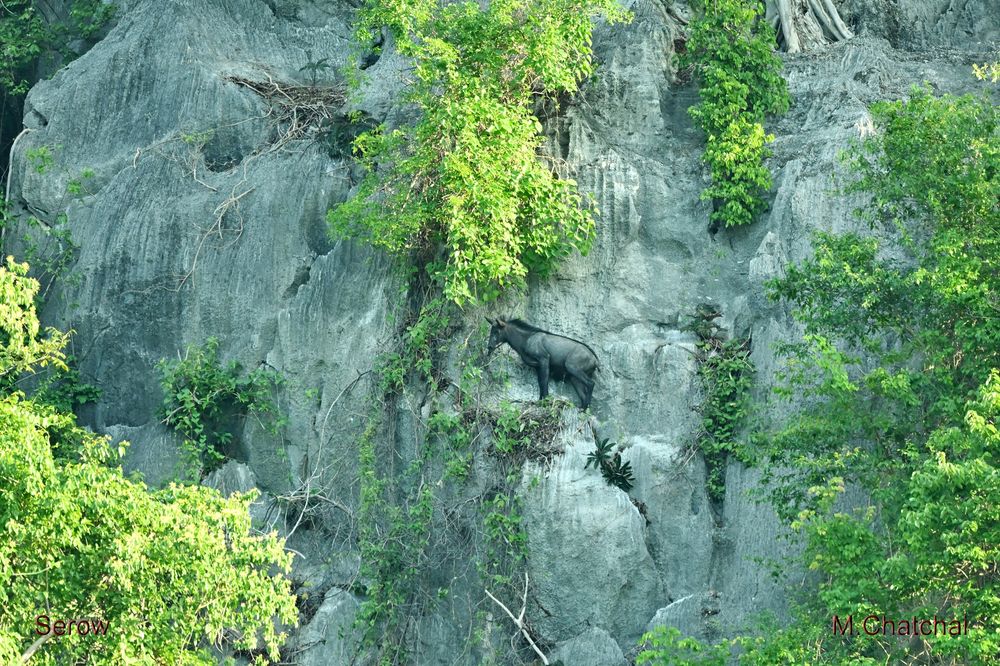
According to statistics recorded by the Khao Yai Wildlife and Environment Conservation Group, Khao Yai has lost four to five serows over the past 10 years. The cause stems from the dry season when serows descend in search of water on the plains, leading them to encounter hunters—both humans and dogs (domestic and stray). When hunted, they flee in panic onto the roads and are eventually killed by passing vehicles.
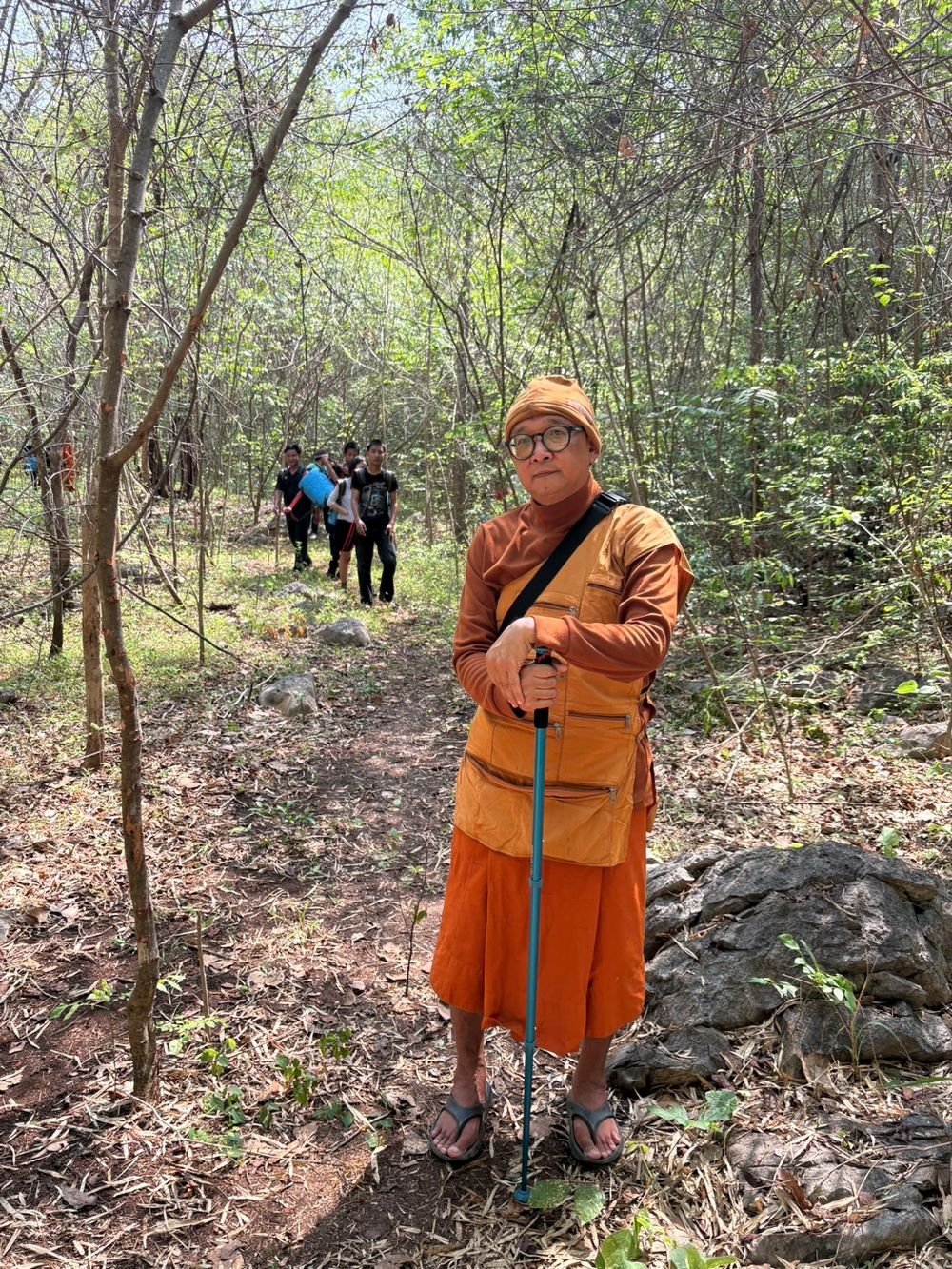
"We must create artificial water sources to reduce the losses we've seen before," said Phra Ajarn Kampanat Sukhethito, Chairperson of the Khao Yai Wildlife and Environment Conservation Group, explaining the origin of the project to create artificial water sources for wildlife and the activity of hauling water up the mountains for serows in the Mu Si forest complex, located in front of Wat Mu Si.
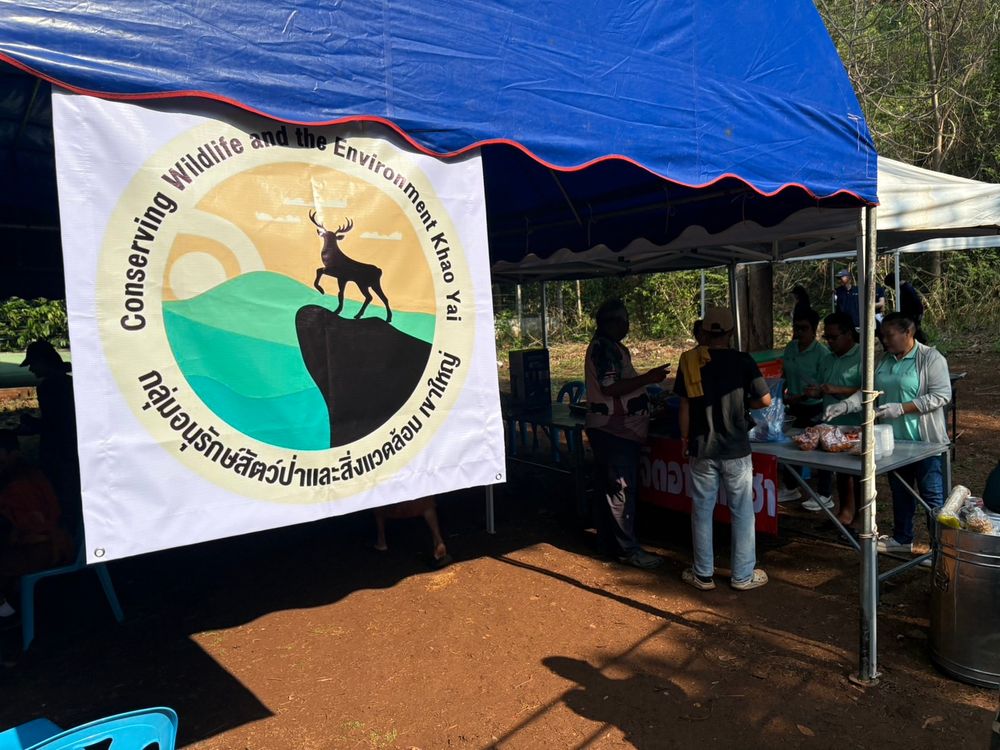
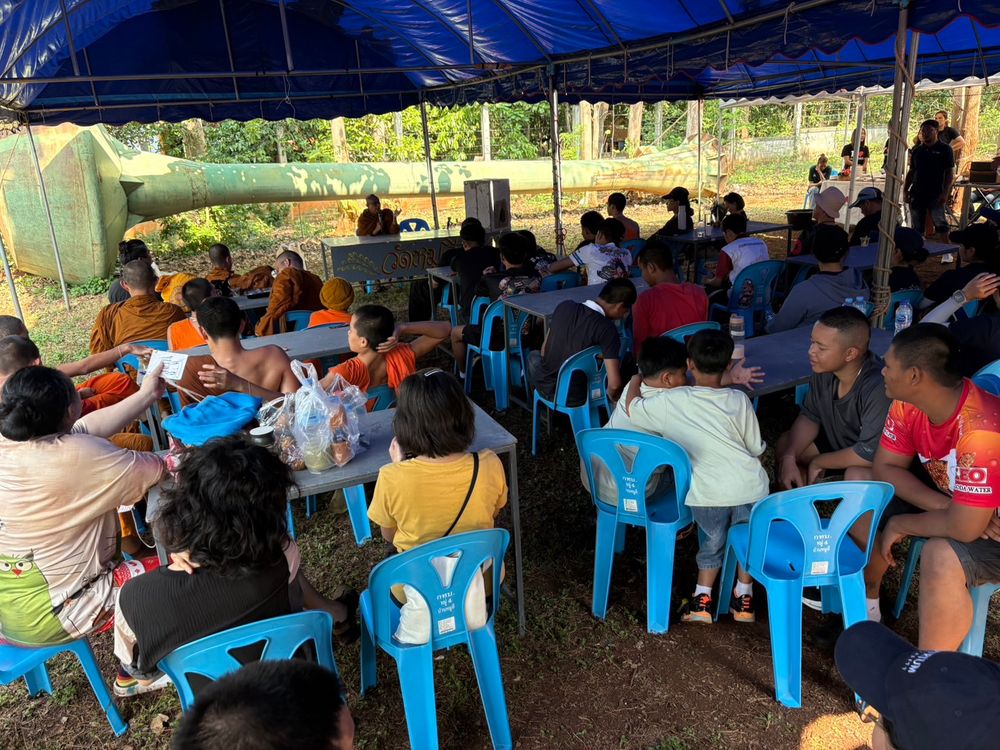
Phra Ajarn Kampanat shared that while the activity initially began at Nam Phut, this dry season marks the second time they have established artificial water sources in the Mu Si forest complex. This area is within the Self-Help Land Settlement, which serves as a contiguous forest tract connecting Khao Siat A and Khao Nok Yung.
"The serow is a protected species, meaning it is close to extinction. Therefore, the core principle of this activity isn't just about the lack of water; it’s a strategic symbol—a sign that the community is protecting and caring for wildlife," Phra Ajarn Kampanat explained. "Because this forest is within the Self-Help Land Settlement and not a National Reserved Forest, there are no state officials to look after it. This project is a way of declaring that this area is a forest inhabited by protected wildlife. We hope to reduce forest destruction and, at the very least, make people realize that we must maintain nature's abundance so they don't encroach on the forest. The presence of wildlife is proof of a healthy forest. So far, we’ve found serows, bears, porcupines, civets, pangolins, and elephants moving back and forth through here."
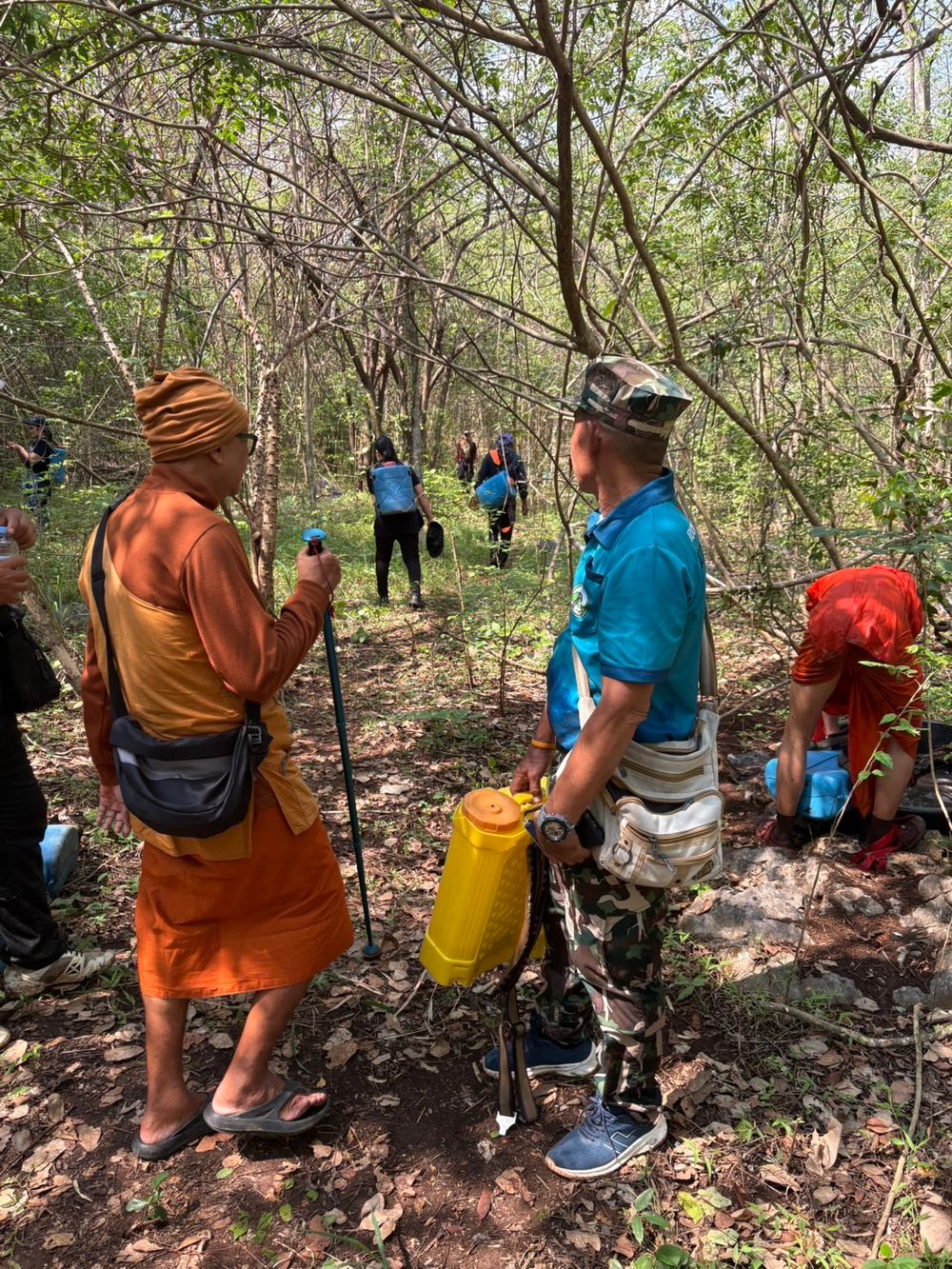
Phra Ajarn Kampanat added that for over 20 years, he has pushed for the Mu Si forest complex to be designated as a Wildlife Non-Hunting Area, but without success. He hopes that by preserving the forest’s integrity, they will one day succeed in having the Mu Si forest complex officially recognized as a Non-Hunting Area.
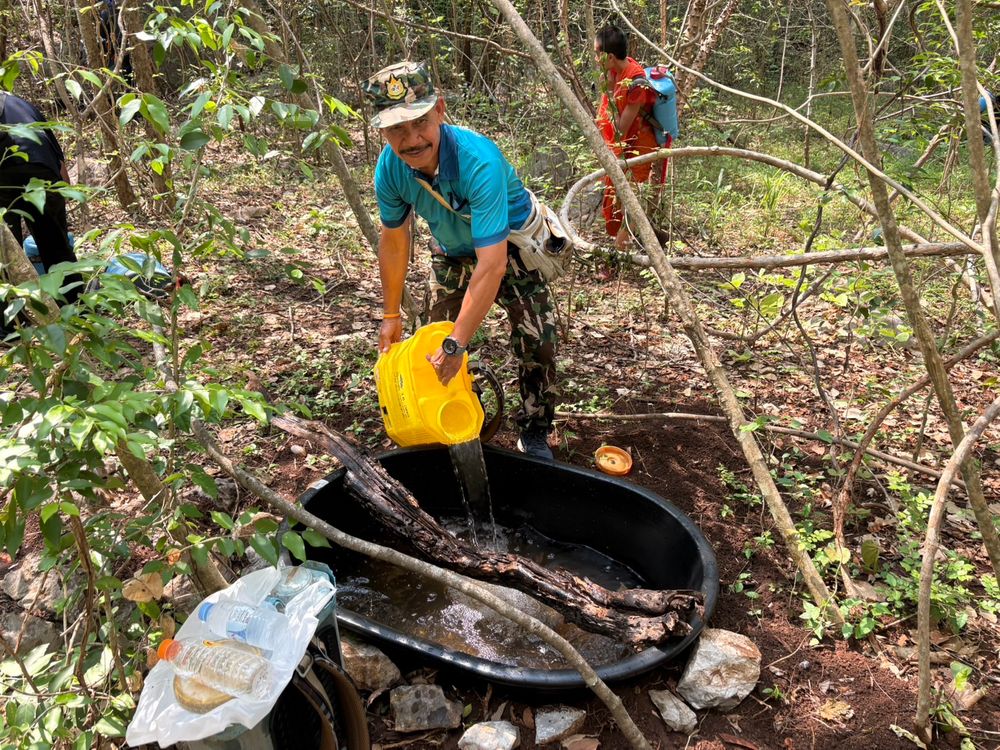
To ensure a timely response, plastic drums were chosen for this water source project instead of concrete rings. This approach followed the advice of Boonchu Khemngam, a forest ranger from the Khao Somphot Wildlife Non-Hunting Area in Chai Badan District, Lopburi Province—the first site to implement an artificial water source project for serows.
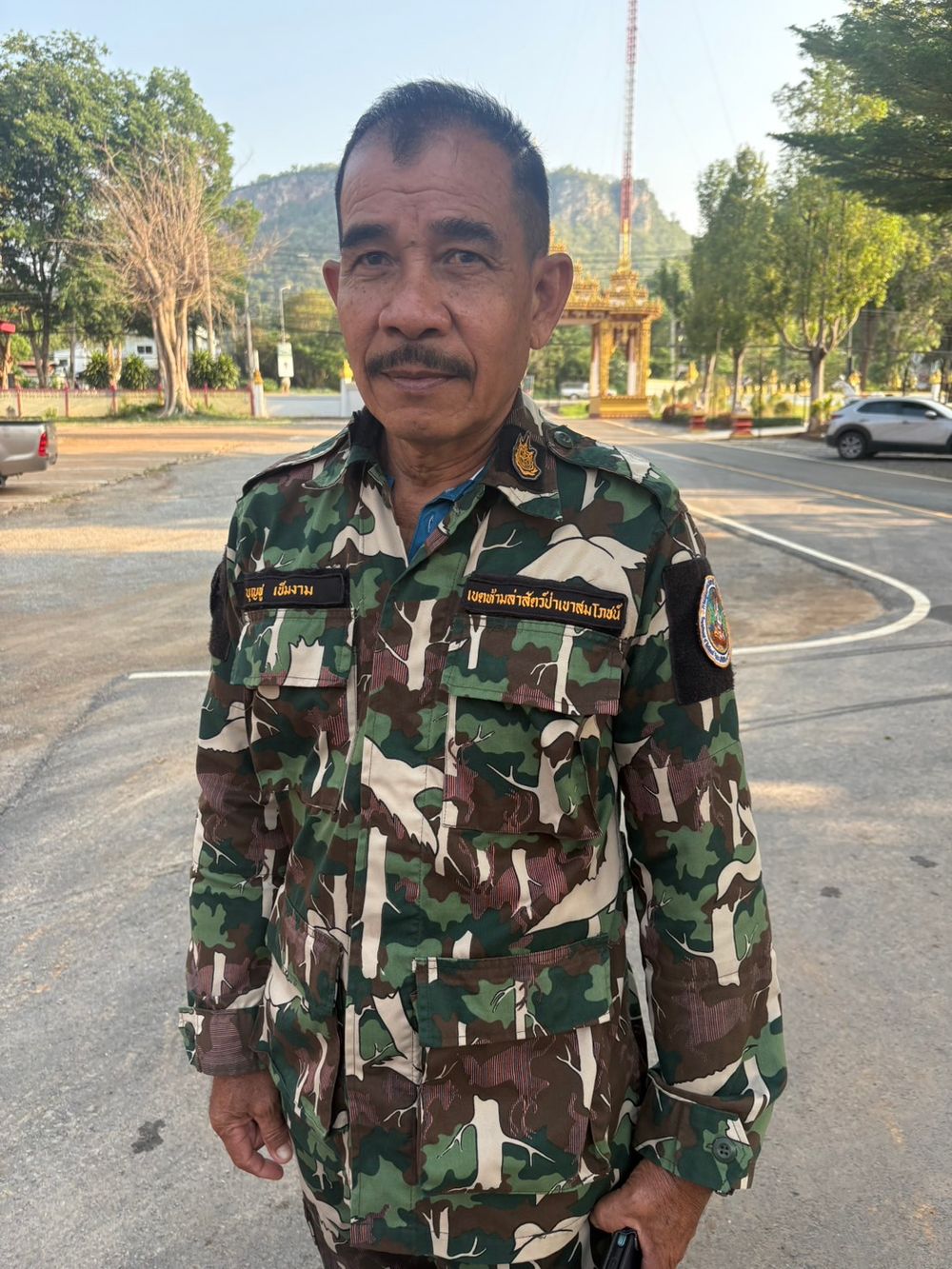
Boonchu mentioned that Lopburi has been running this project for over 10 years because they found animals had no water during the dry season. The limestone mountain geography cannot retain water; thus, when the dry season arrives, animals descend to forage below, leading them to be hunted or chased by dogs. "We create artificial water sources along the boundary using concrete rings and build two larger ponds. We refill the water for the animals on the mountain three times a year. When I heard Khao Yai wanted to do the same, I joined without hesitation. This time, we prepared 103 drums of 18-liter capacity to be filled and carried up the mountain."
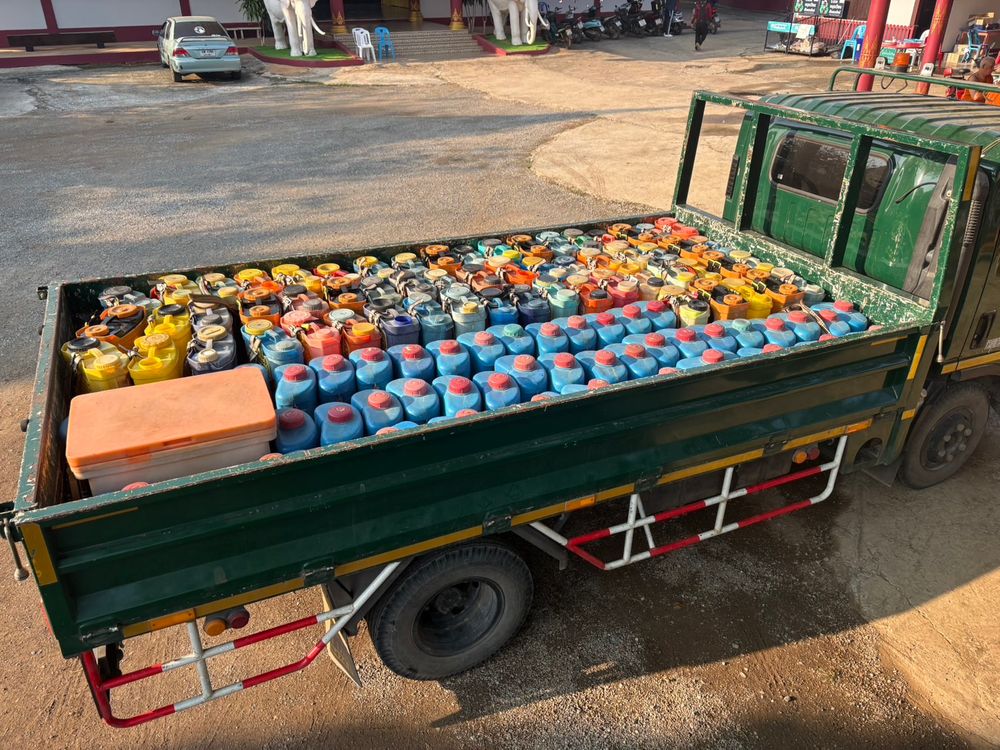
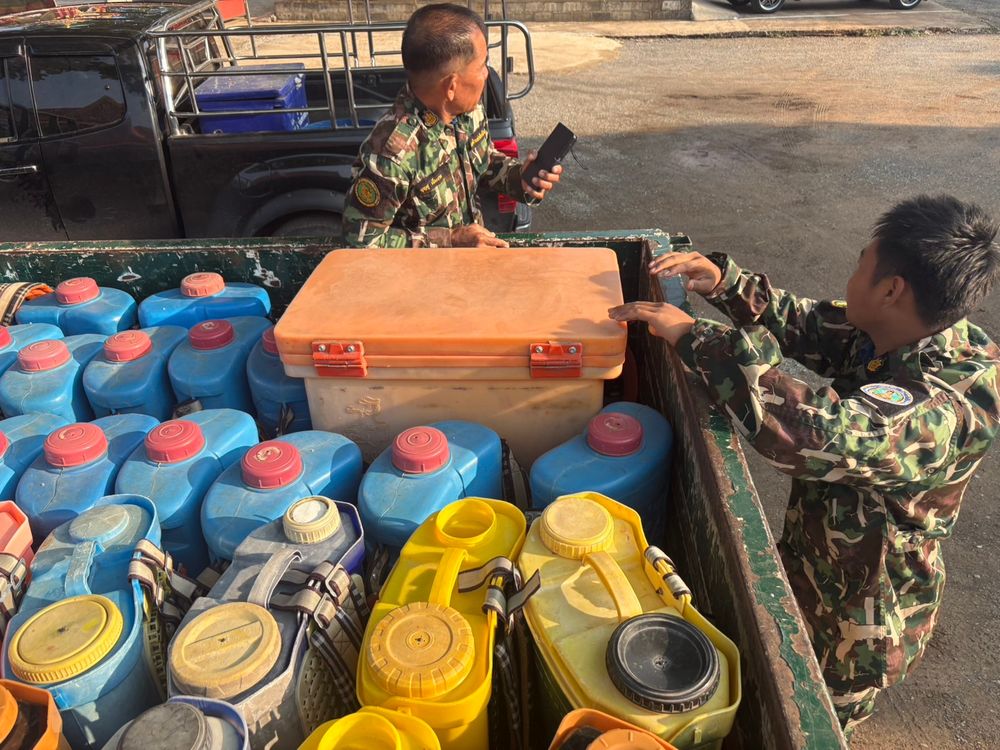
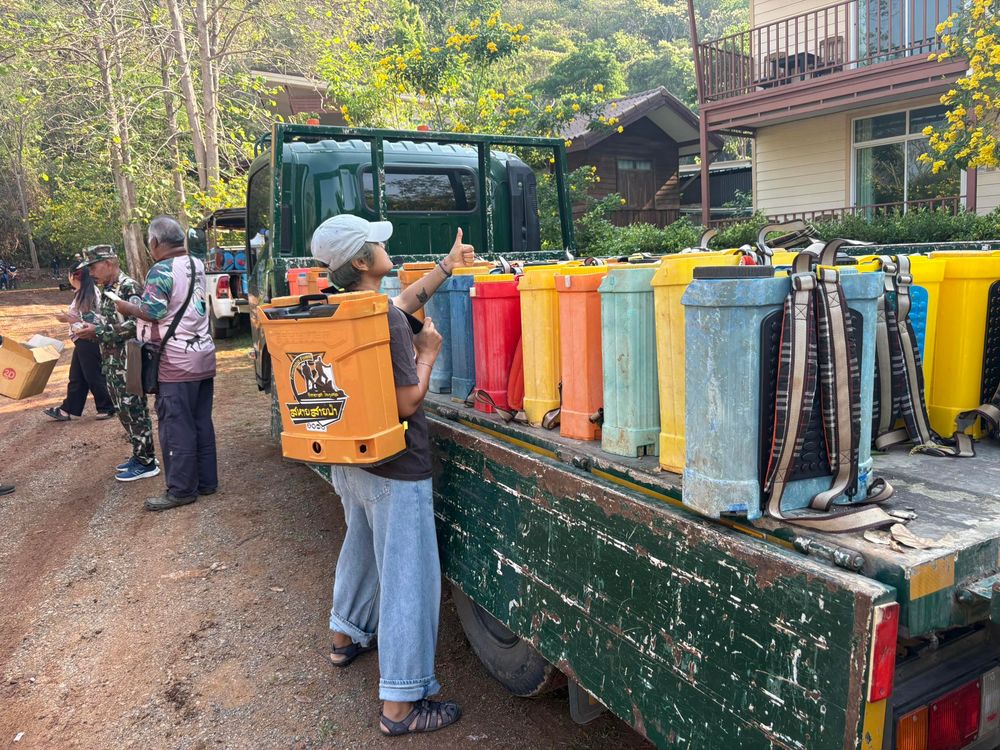
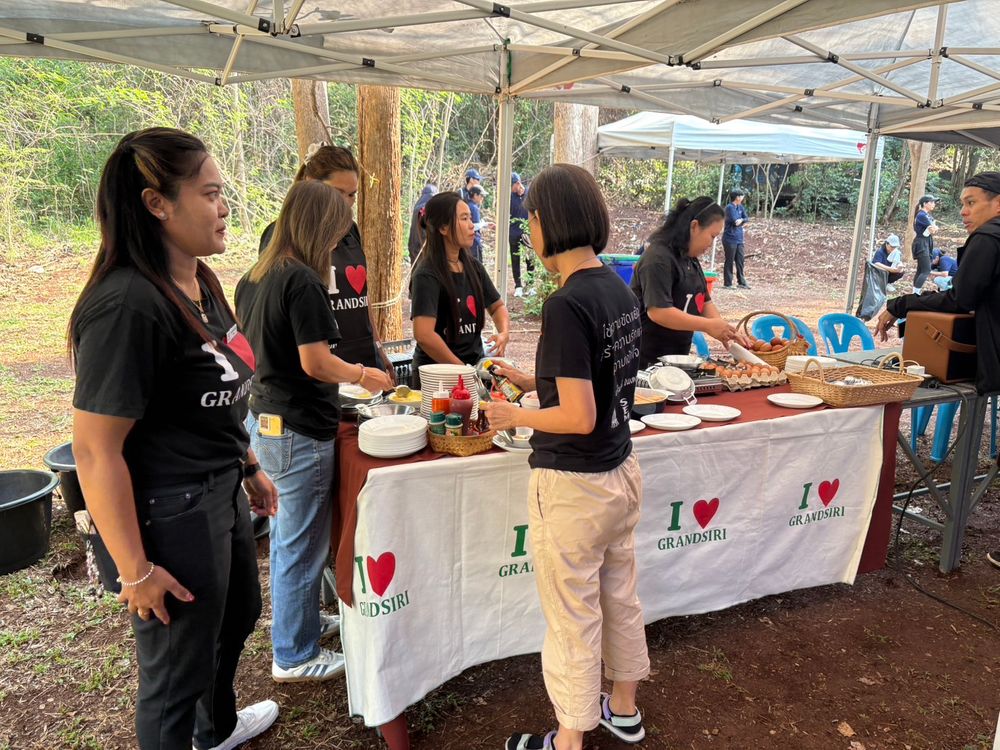
The water-hauling activity saw about 80 participants, including residents of Mu Si Subdistrict, forest rangers, staff from Hotel Labaris, as well as youth and novices from "Khai Dek Nok" (Dek Nok Camp) and officers from the Ashram Wongsanit Foundation, all joining with heart and soul.
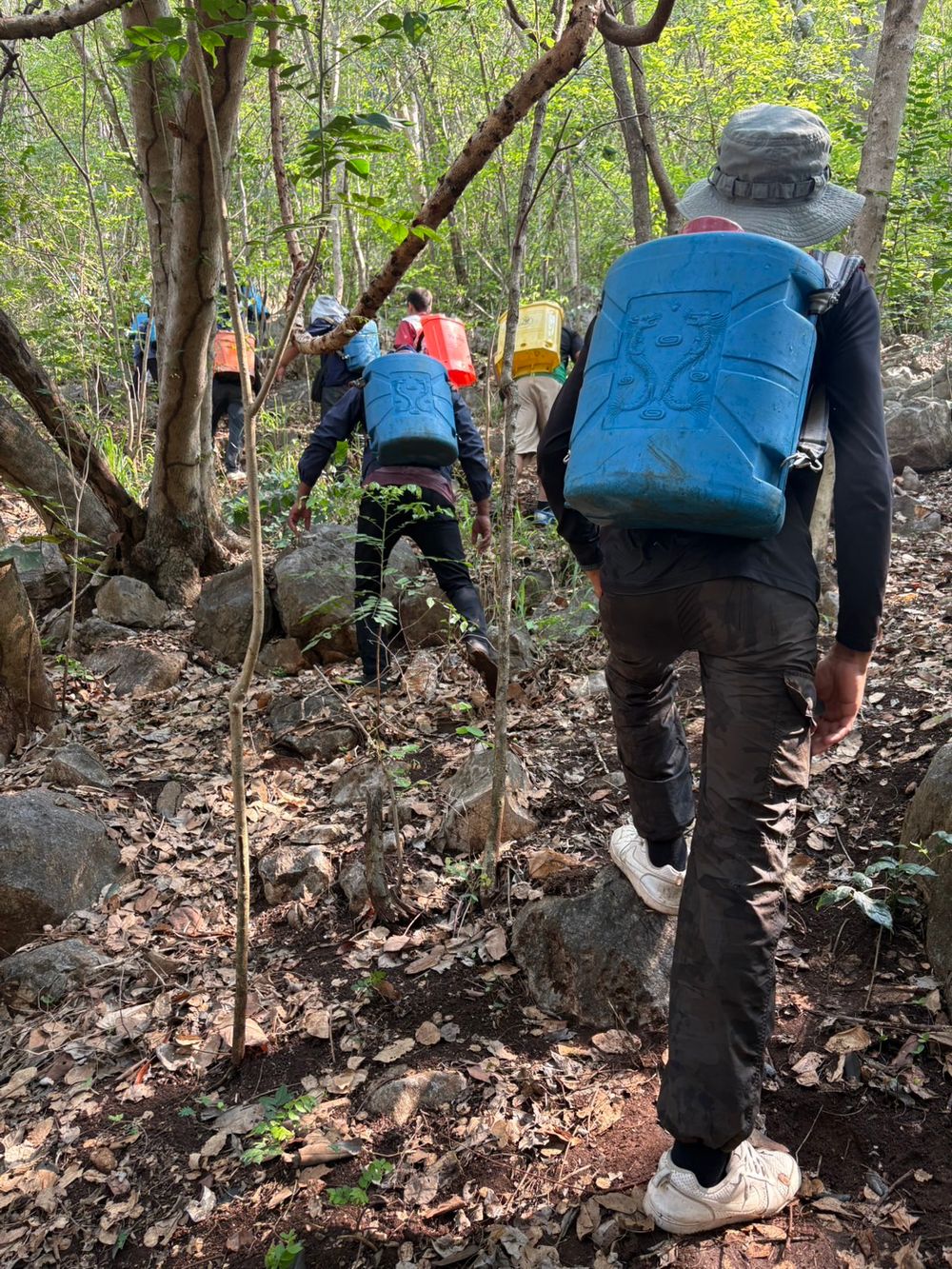
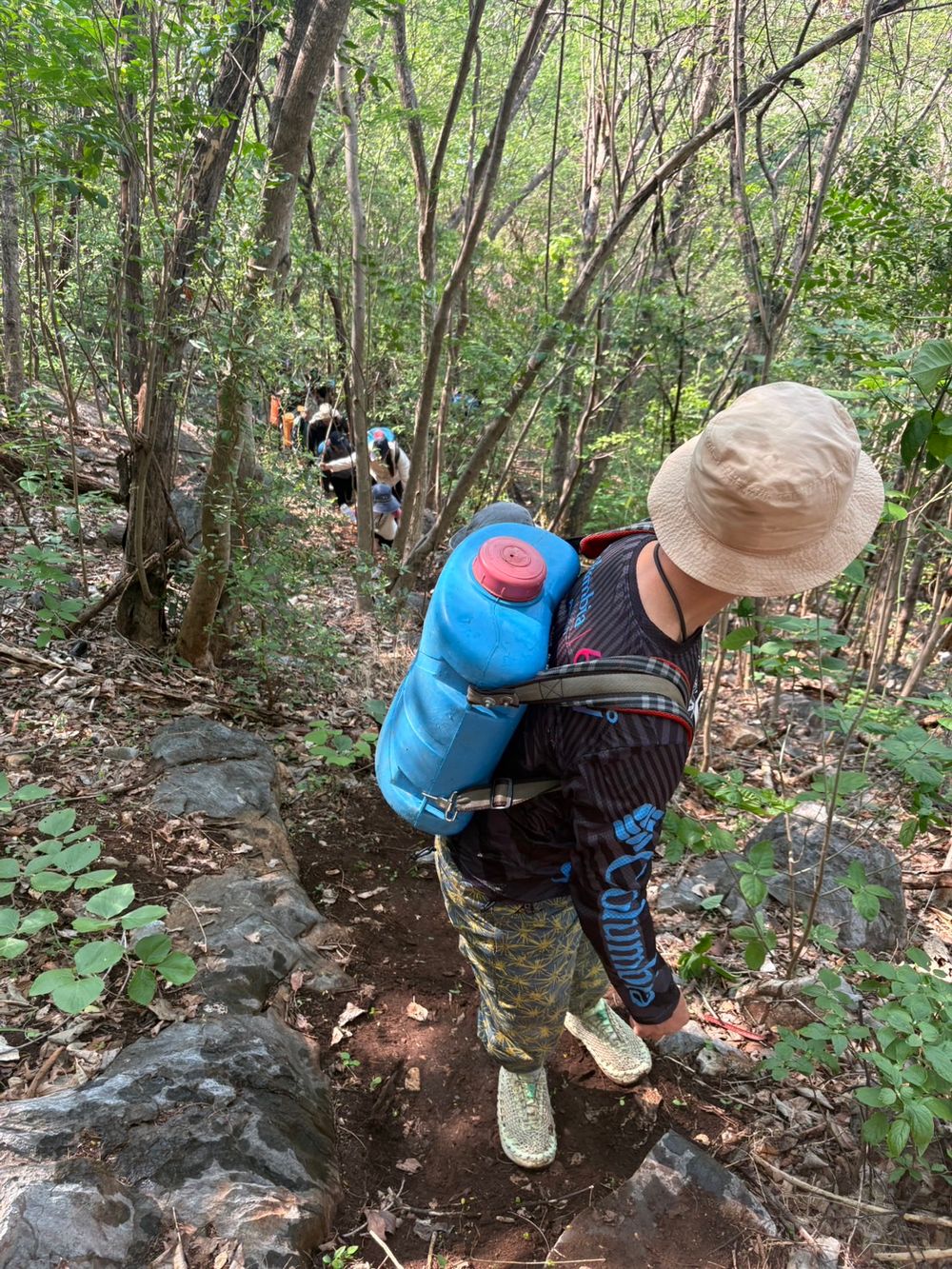
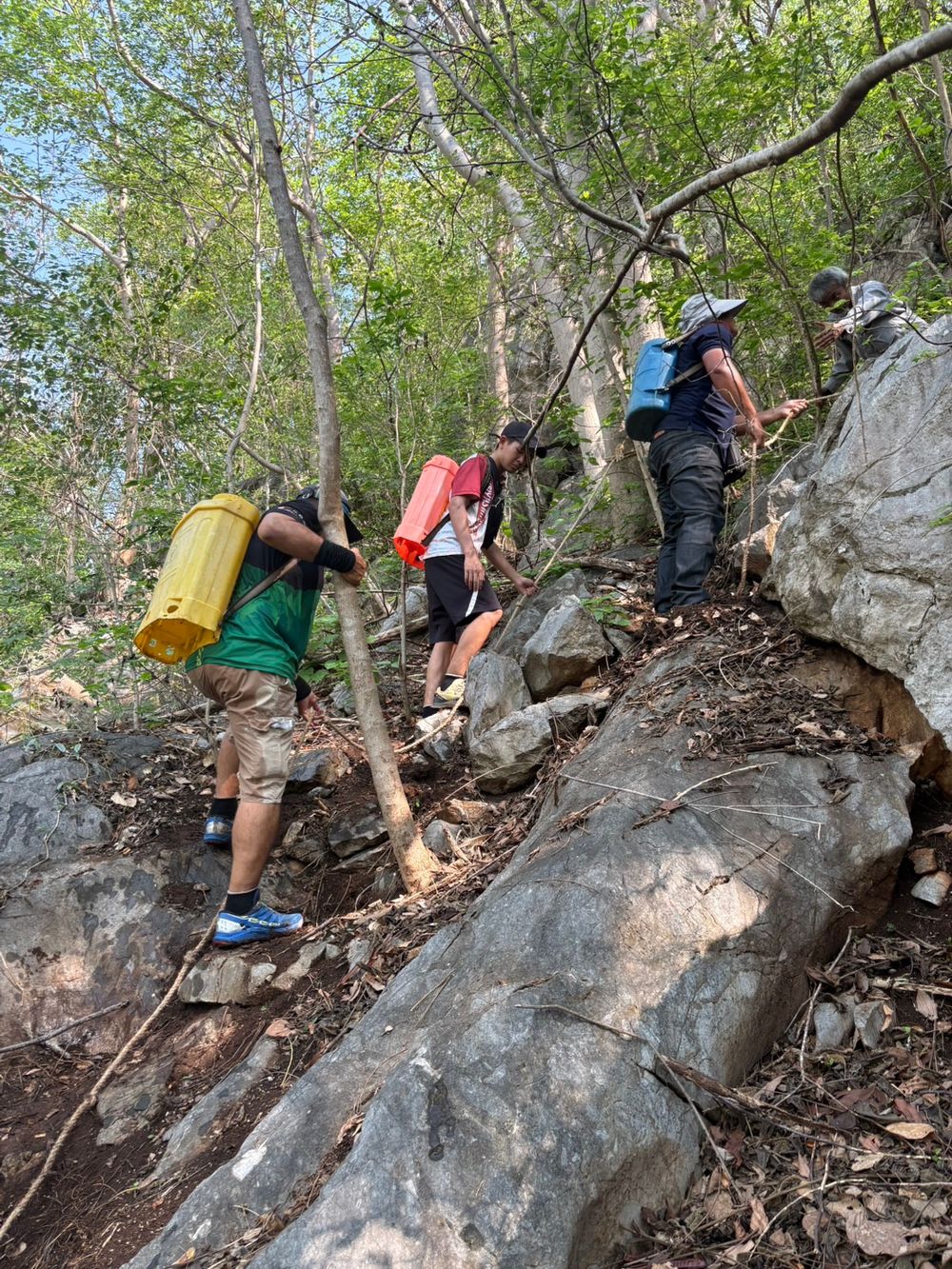
Carrying 18 liters of water up a mountain 492 meters above sea level over a distance of 350 meters—with roughly 100 meters being steep terrain—is no easy feat. However, everyone collaborated until they successfully filled the tanks at all 10 locations, with each point holding approximately 220 liters.
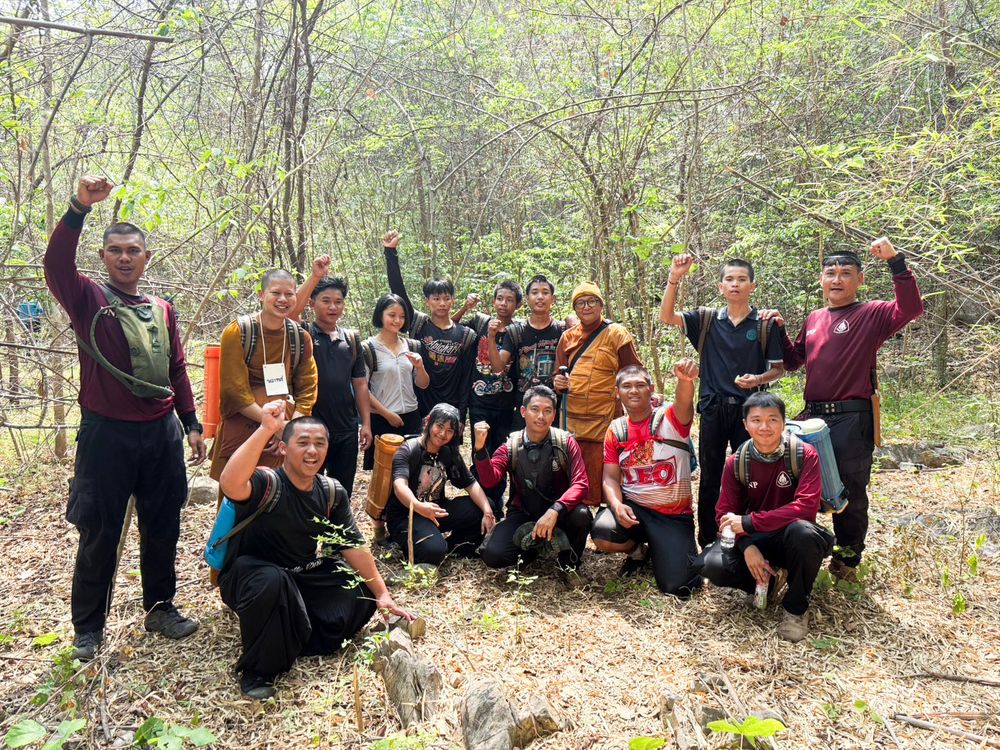
That afternoon, after the tanks were filled, exhaustion faded, replaced by the fulfillment of being part of an effort to ensure these innocent-eyed serows don't have to risk their lives descending to forage below.
At least, for a while.
Special thanks to Khun Chatchai Manakhantikul for providing the stunning and rare photographs of the serows for this story.
© 2025 Khaoyai Connect. All rights reserved.
No part of this content may be copied, modified, or distributed in any form without prior written permission.
