


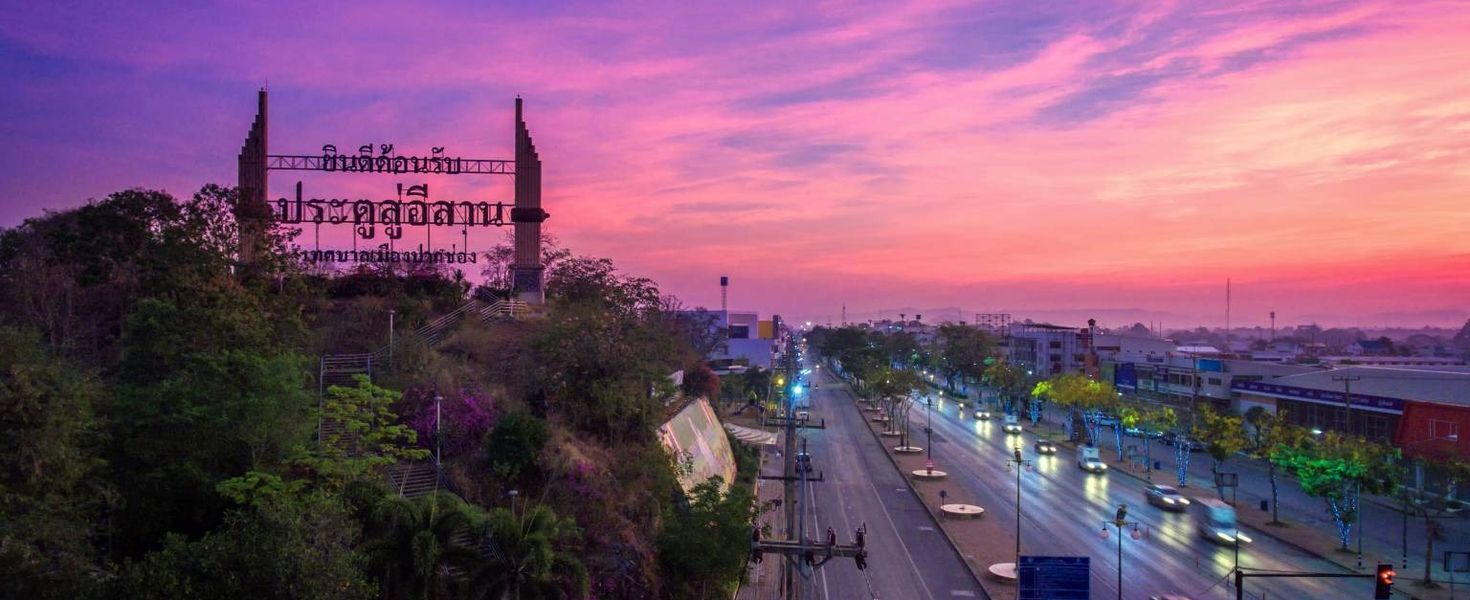
How Will Pak Chong Change?
When a town of fewer than 200,000 residents must welcome more than 1.7 million visitors in just five months
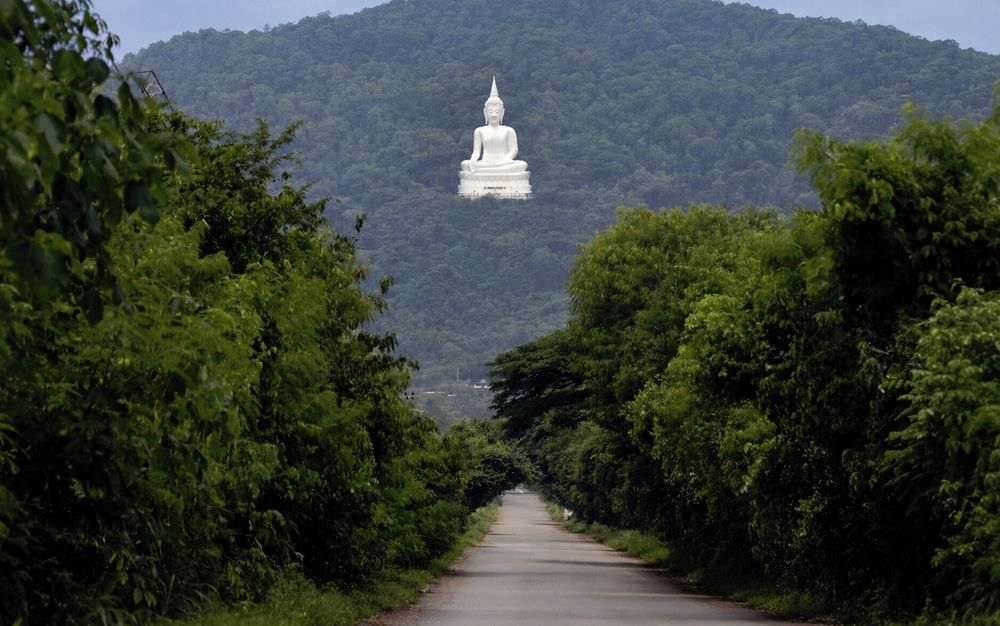
Pak Chong is the gateway to Nakhon Ratchasima Province and the threshold of Isan. This gateway is not merely a place people pass through; it is a point that captures tourists from Bangkok and nearby provinces, thanks to its major attraction: “Khao Yai.”
Viewed from a car window on a Saturday morning, Pak Chong may look like a town that is happy and full of life. People queue for coffee from the moment shops open. Cars from Bangkok keep turning onto Thanarat Road in a steady stream. Many restaurants have cars waiting in line from noon onward, while hundreds of hotels and pool villas scattered across the plains and foothills are packed with customers, often arriving in large groups. And that is not even to mention the national park entrance, where vehicles move in and out continuously throughout the day.
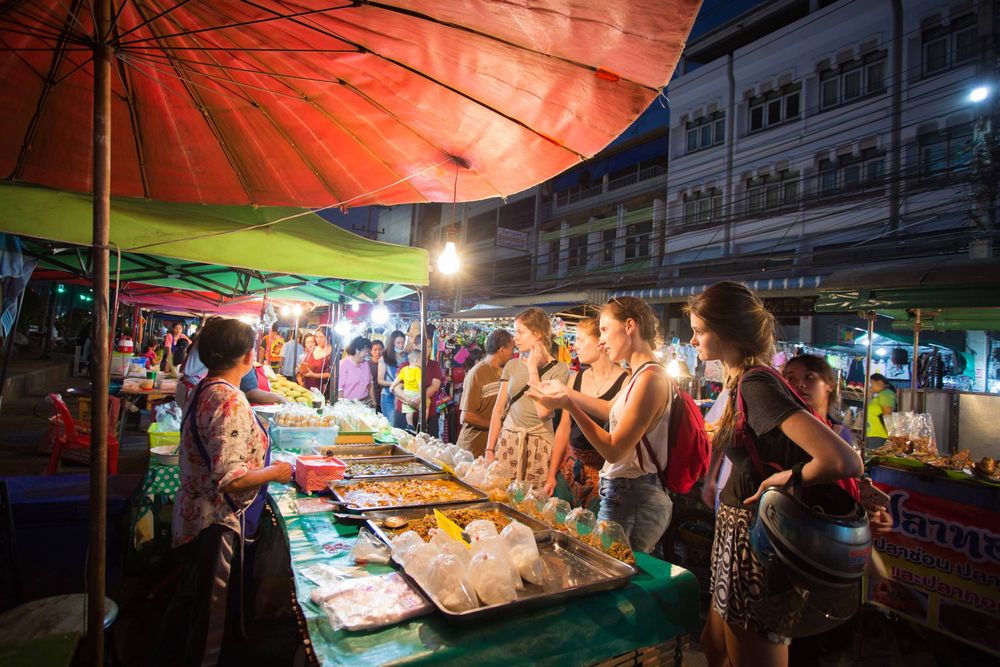
These scenes unfold almost every week, until they have become normal for Khao Yai and Pak Chong.
But behind that bustle, certain changes in the town are gradually beginning to appear.
Recently, the Tourism and Sports Economics Division, Nakhon Ratchasima Province, reported tourism figures showing that in the first five months of the year, Nakhon Ratchasima Province received more than 4.1 million visitors. When the proportions of tourism across the area were analyzed, more than 1.7 million people, or around 41.4 percent of all visitors, were found to have chosen to travel to Khao Yai and Pak Chong District.
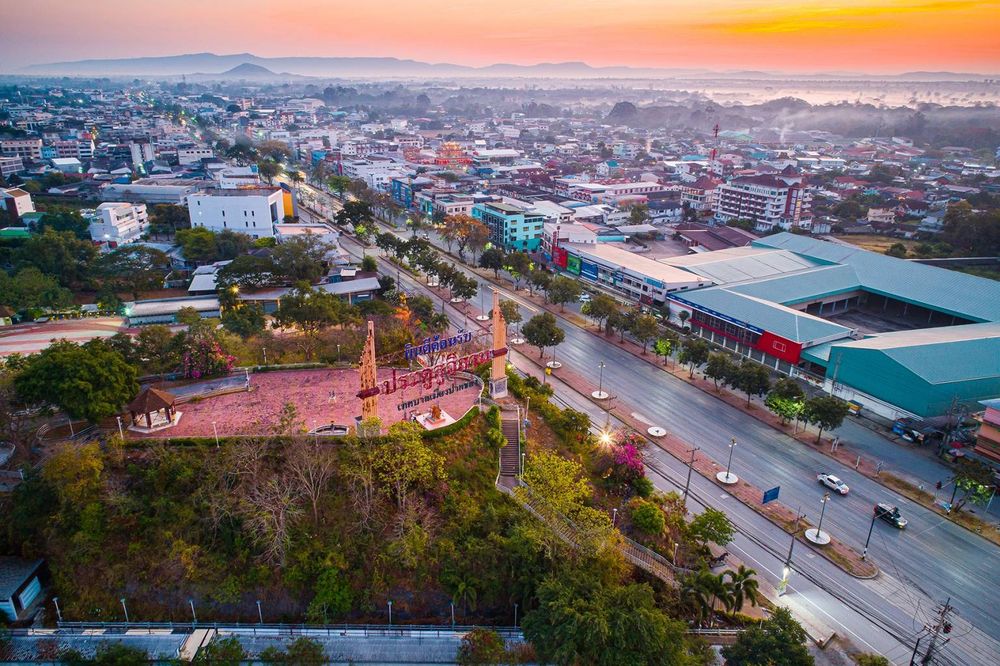
This figure may seem like a statistic worth celebrating, because even amid a sluggish economy, there are still this many tourists. But when compared with the population of Pak Chong District, which is only about 199,000 people, the meaning of that number changes immediately. In just 150 days, this town had to support a number of people almost nine times greater than its own population, or an average increase of more than 11,000 visitors every day.
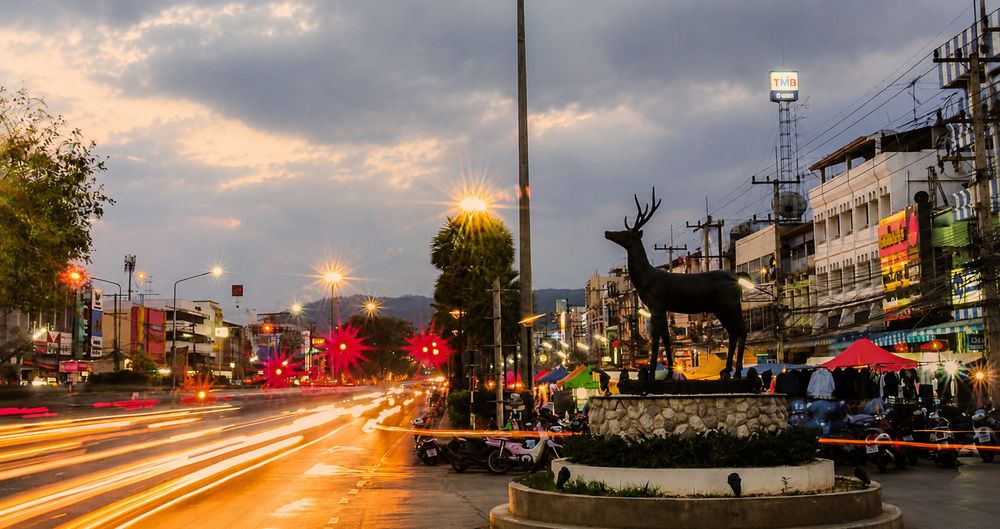
The question that arises, then, is not simply, “Are there many tourists?”
It is whether a town designed for 200,000 people can truly accommodate people at the scale of a large city.
This may be Pak Chong’s most important question of the decade.
Over the past several years, Khao Yai has grown rapidly. New hotels, new cafés, new restaurants, new event spaces, as well as residential projects and pool villas, have appeared almost every month. Investors continue to see the potential of this town, while tourists themselves have shifted their behavior from simply “stopping by” to increasingly “living” in Khao Yai. Many come for short-term work stays. Some buy second homes. And quite a number choose to relocate and live here permanently.
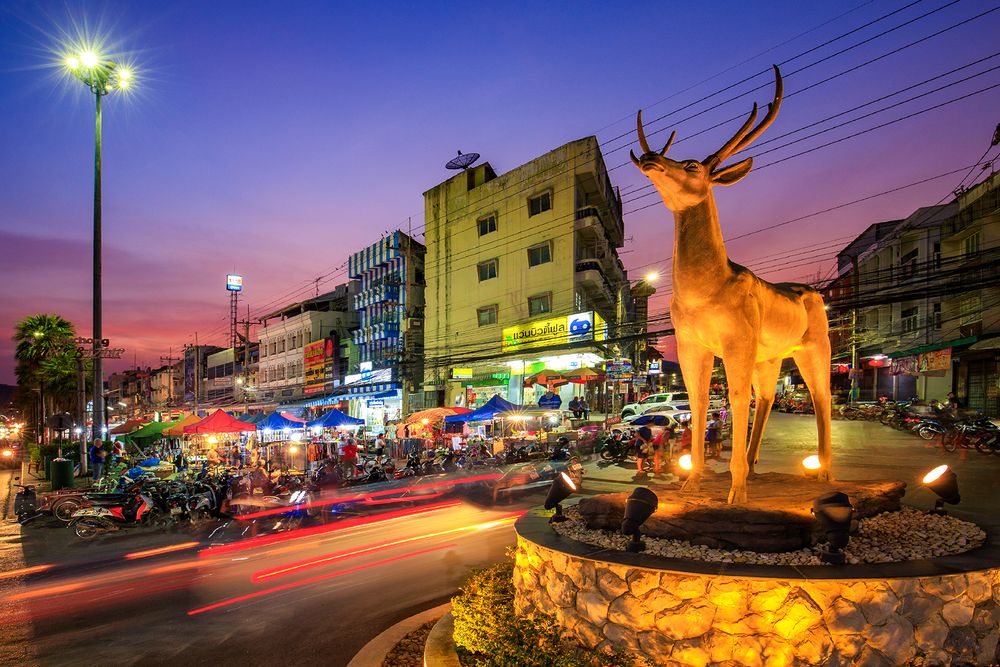
This growth has generated enormous income for the local economy. Coffee shops have customers, hotels have guests, farmers have new markets, and younger generations have more opportunities to return and work in their hometown. This is the beautiful side of tourism, and it is why no one can deny that Pak Chong is one of the key economic engines of Nakhon Ratchasima Province.
But every fast-growing town eventually reaches a point where it must stop and ask itself: “Has the back-end system grown fast enough to keep up with the front end?”
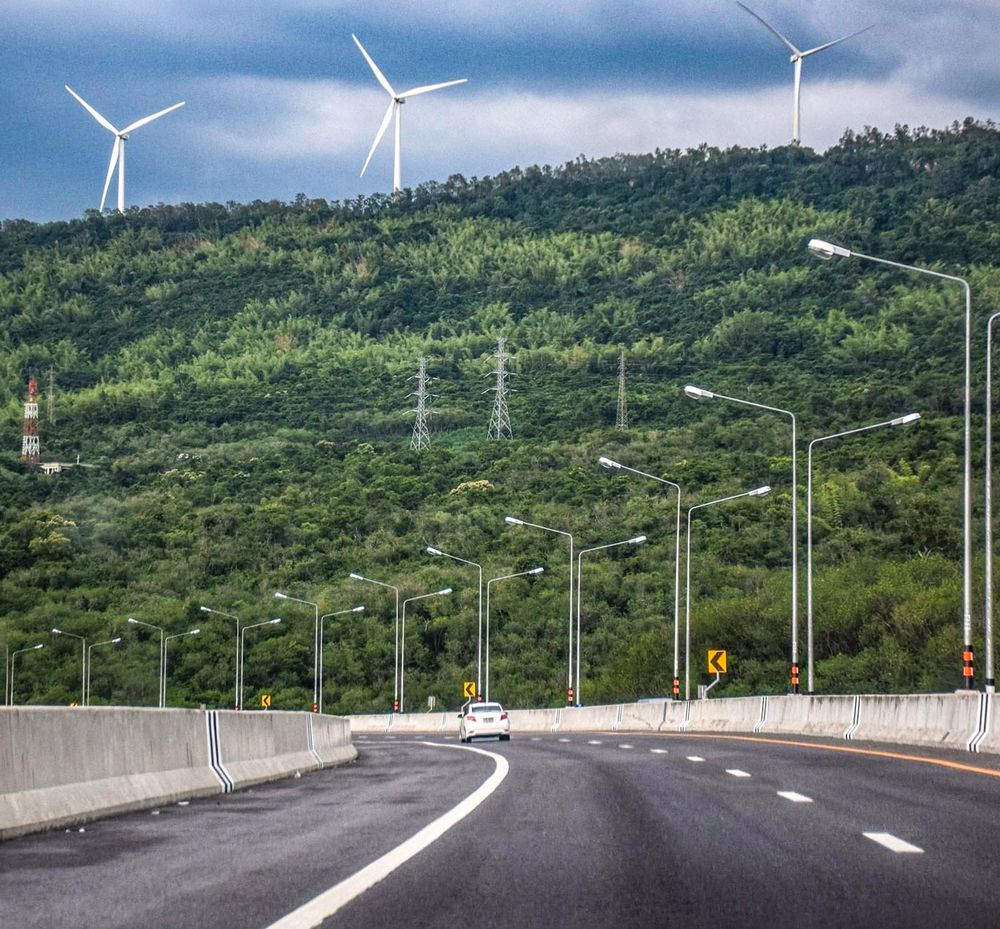
Let us begin with the issue closest to everyday life: “roads.”
The M6 motorway is making travel from Bangkok to Pak Chong more convenient than ever. The high-speed rail line will shorten travel times even further. The town is opening its doors to people faster and faster. But once people arrive, they still rely on the same roads, the same transport system, and the same private cars as before. The sight of traffic congestion on Thanarat Road, then, may not be merely a traffic problem. It may be a sign that the town still lacks a public transport system that truly connects its tourist destinations.
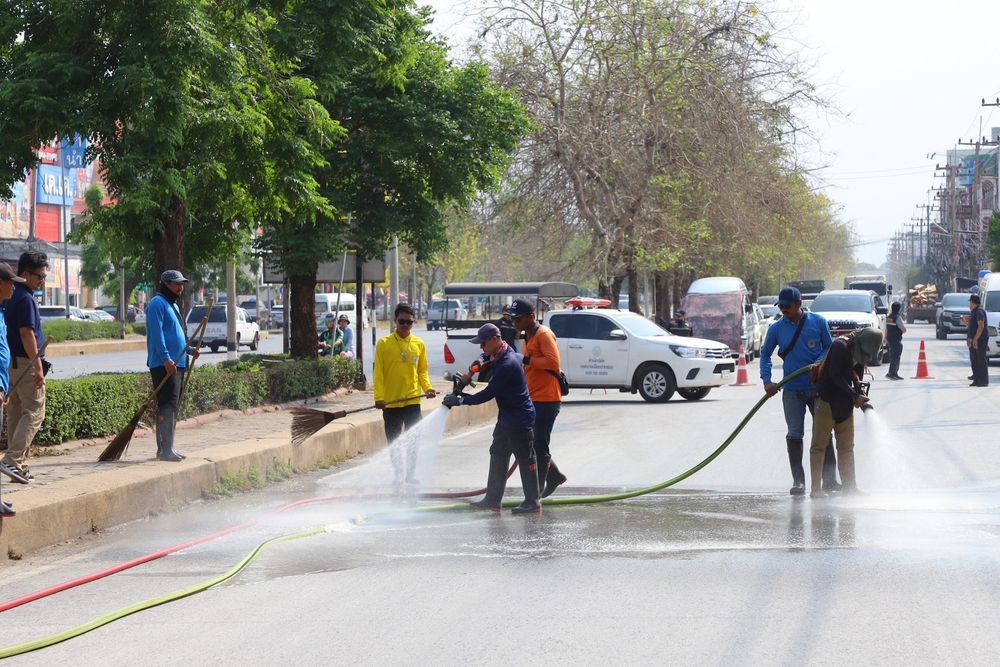
The next issue is “water,” the resource that allows Khao Yai to remain Khao Yai.
The image of a green town makes many people feel that Pak Chong has abundant resources that will never run out. In reality, however, hotels, resorts, pool villas, golf courses, and the agricultural sector all draw on the same sources of water. If tourism continues to grow at this pace, water management will no longer be merely the responsibility of waterworks agencies. It will become a central strategy for urban development, because no green tourism town can continue to grow if its natural resources begin carrying a burden beyond their capacity.
Meanwhile, on another side of the picture, waste is quietly increasing. More than a million tourists mean plastic packaging, water bottles, food scraps, and an immense amount of other waste that must be managed. Even though local administrative organizations in the area are working at full capacity, the waste management system of a medium-sized town is now shouldering the burden of a national-level tourism destination. This is a challenge that few people talk about, but it is a cost everyone will have to share in the future.
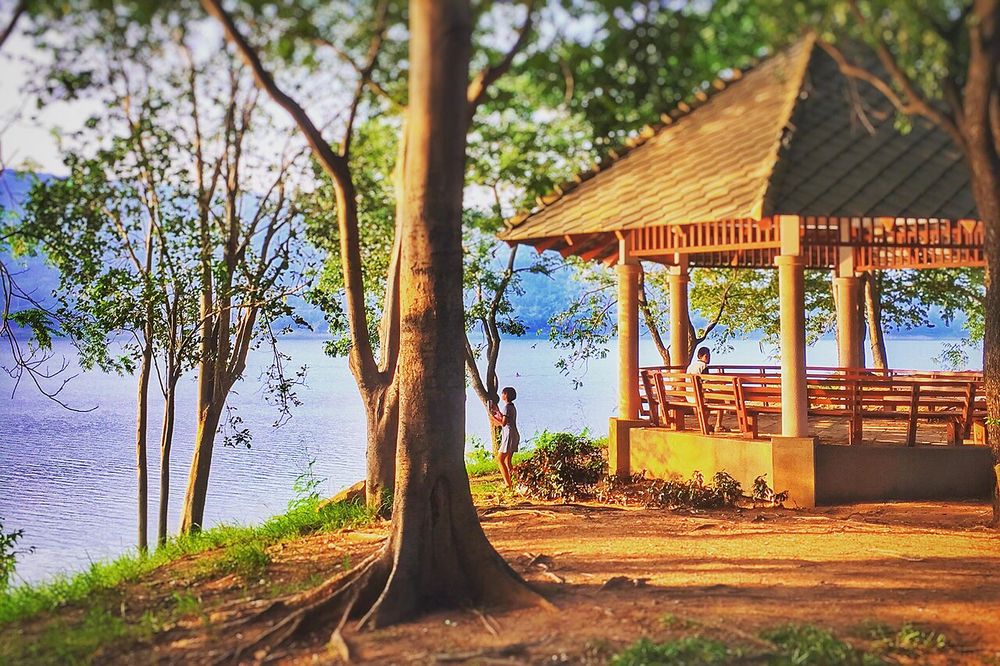
However, Pak Chong’s challenges are not limited to these three issues. There are also public health, safety, land use, urban planning, and the conservation of green space, all of which are components of a quality town. Many cities around the world have achieved success through tourism, only to face what academics call overtourism: a condition in which tourist numbers grow faster than a city’s carrying capacity, leading to environmental degradation, a lower quality of life for local residents, and the gradual disappearance of the city’s original charm.
Pak Chong has not reached that point yet, and that is its most important opportunity. We still have time to design the town’s future with data, rather than solve problems only after everything is too late.
The figure of 1.7 million people, therefore, is not merely good news for the tourism industry. It is a signal that Pak Chong is entering a new era: an era in which the town must think about infrastructure as much as it thinks about creating attractions, must give importance to the quality of life of local people as much as welcoming visitors, and must view economic growth alongside the protection of natural resources, which are the essential charm that made people fall in love with Khao Yai in the first place.
Because in the end, the best town may not be the one with the most tourists, but the one that can grow while still maintaining a balance among people, nature, and quality of life all at once.
And that is the question Khao Yai and Pak Chong must begin answering...today.
© 2025 Khaoyai Connect. All rights reserved.
No part of this content may be copied, modified, or distributed in any form without prior written permission.
