


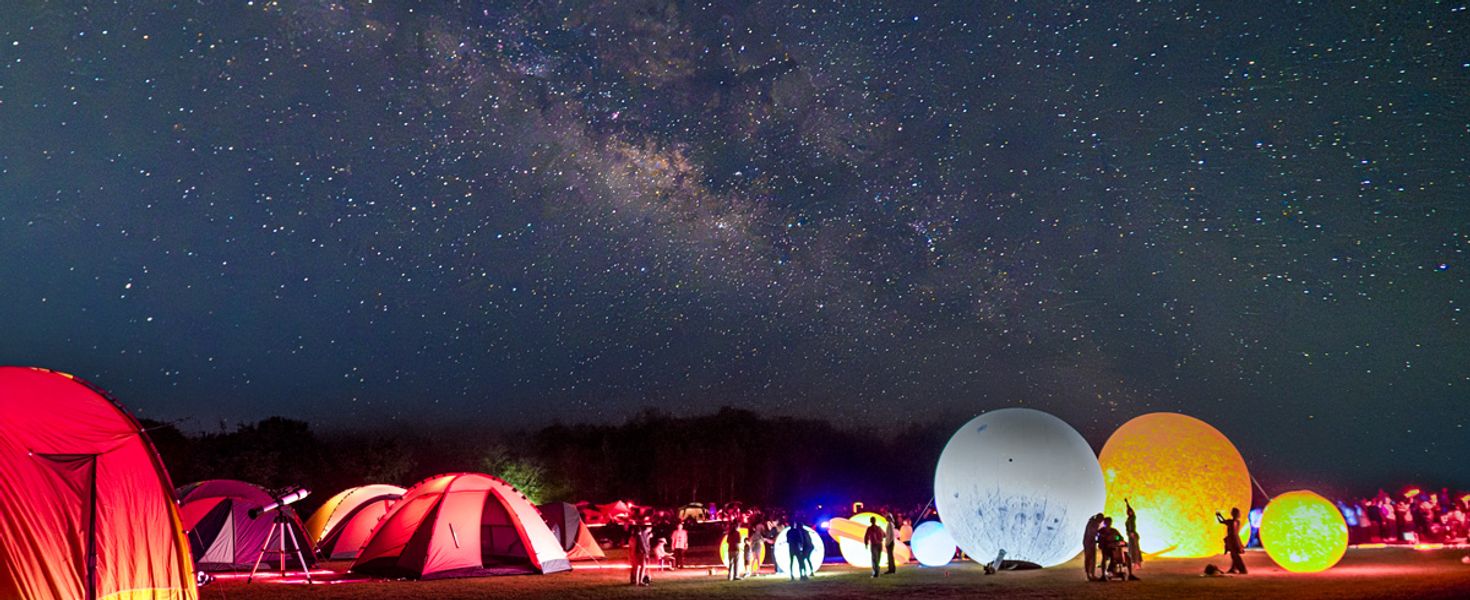
Khao Yai’s Clear Skies: Impressive “Dark Sky Star Party 2026”
Sets “Green is the New Luxury” Trend
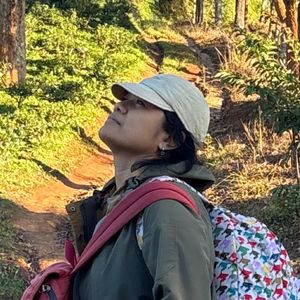
Even though the winter season—a favorite for stargazers—has passed for some time, Khao Yai proved today that no matter the season, visiting this national park is always an impressive experience.
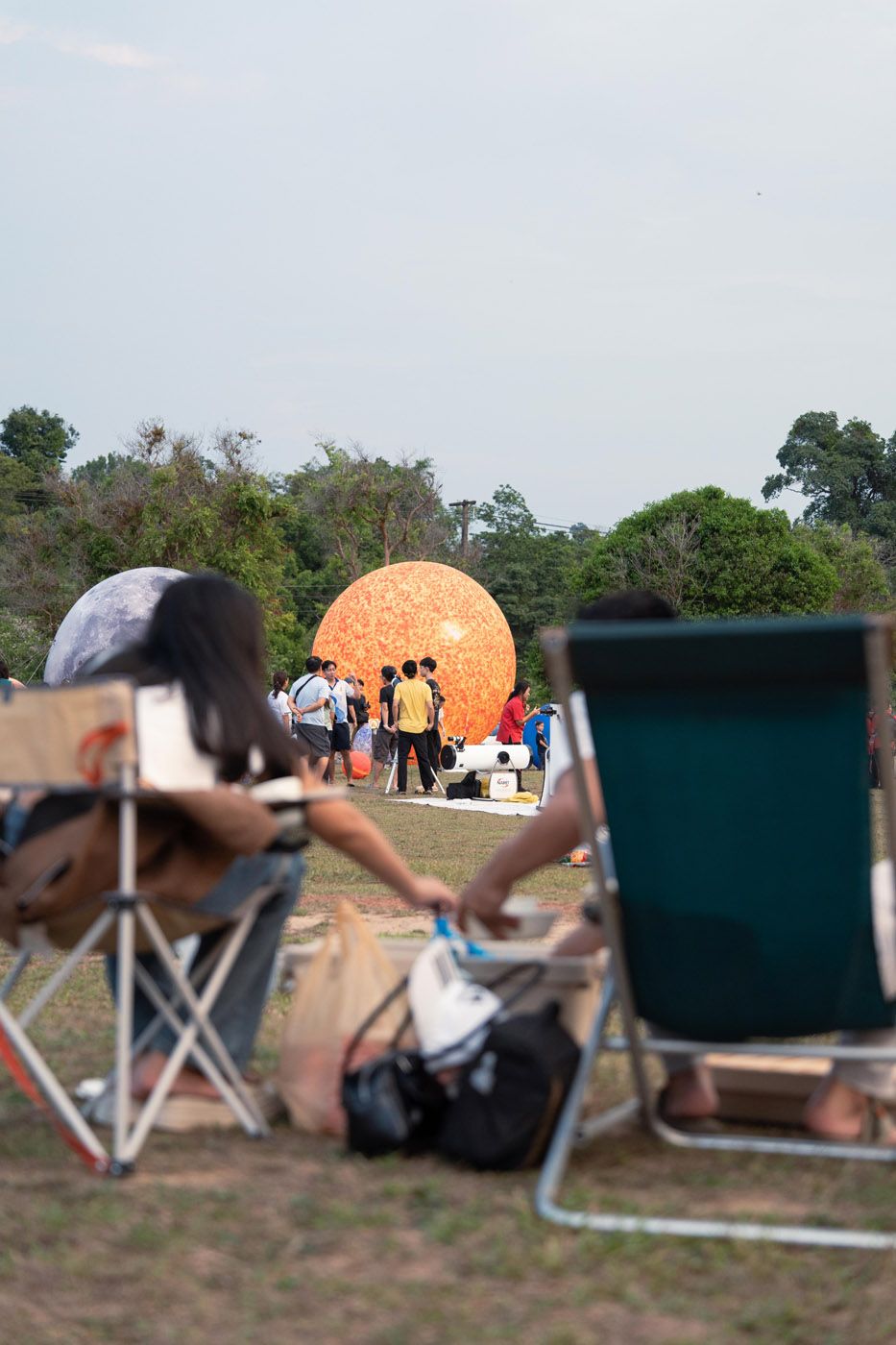
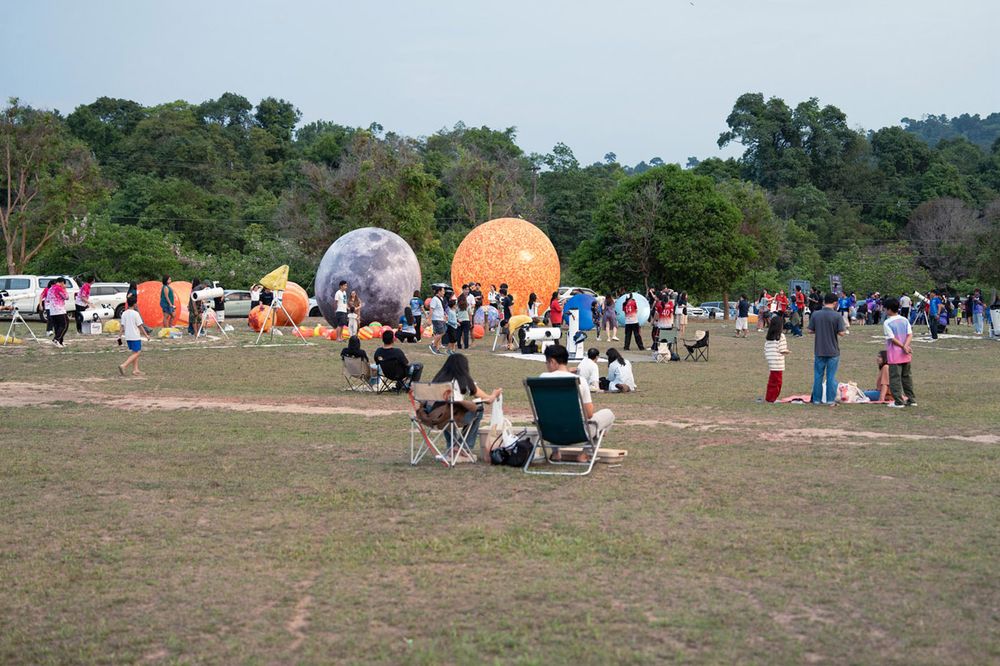
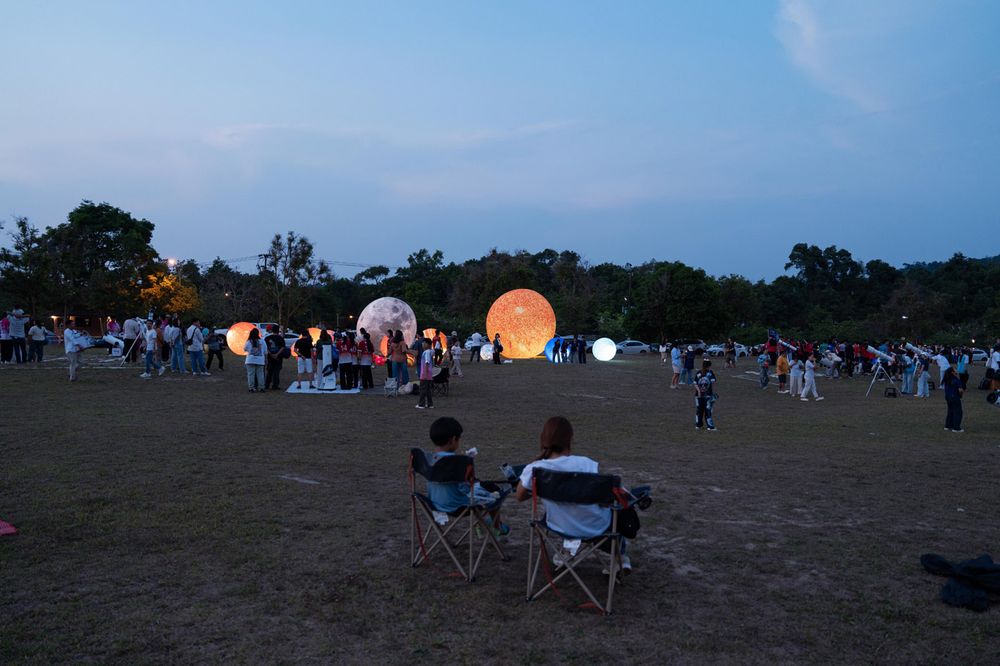
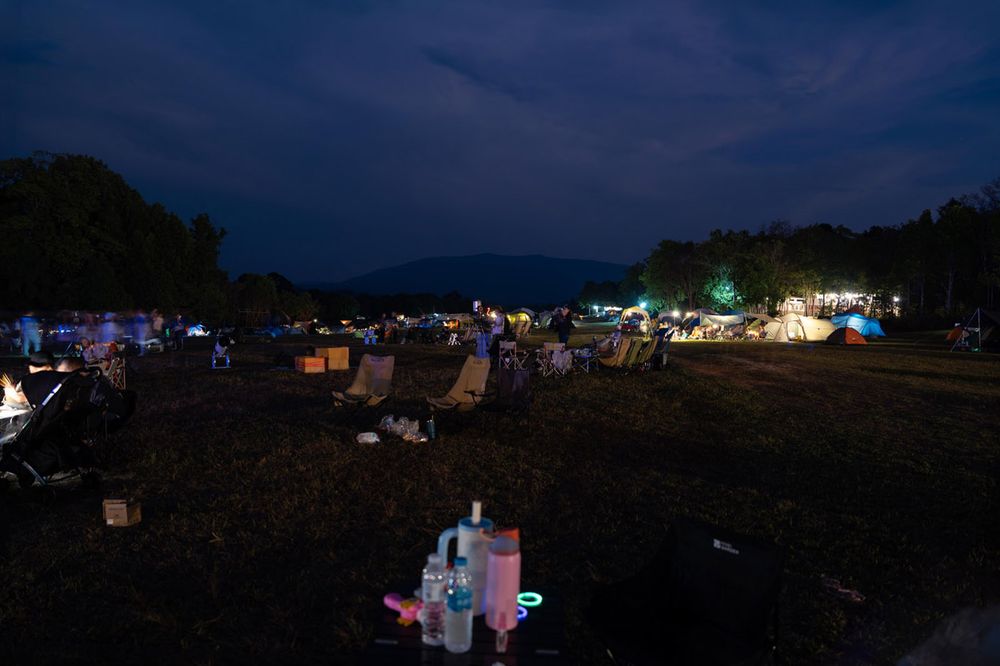
This was evident on the night of March 21 at the "Dark Sky Star Party 2026," held at the Khao Rom Viewpoint Campsite within Khao Yai National Park. Now in its second year, the event was organized by the Khao Yai Tourism Association in collaboration with the Nakhon Ratchasima Regional Observatory (NARIT), the Pak Chong Astronomy Club, and Khao Yai National Park.
The event received an overwhelming response from the start of its promotion. Final registration numbers exceeded 1,700 individuals, and with additional companions included, it is estimated that the total attendance reached at least 3,000 people.
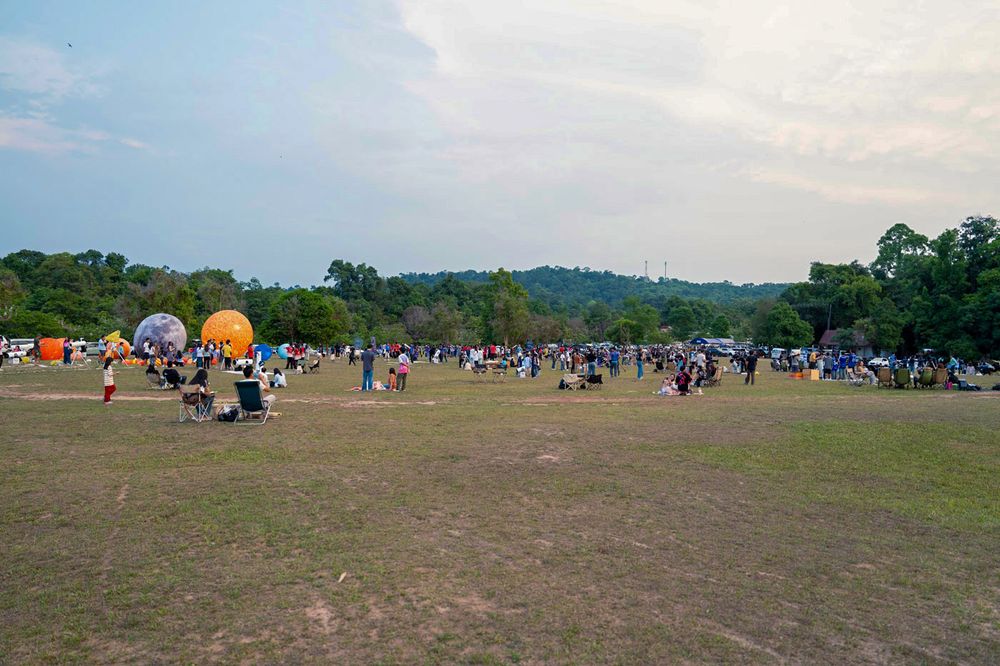
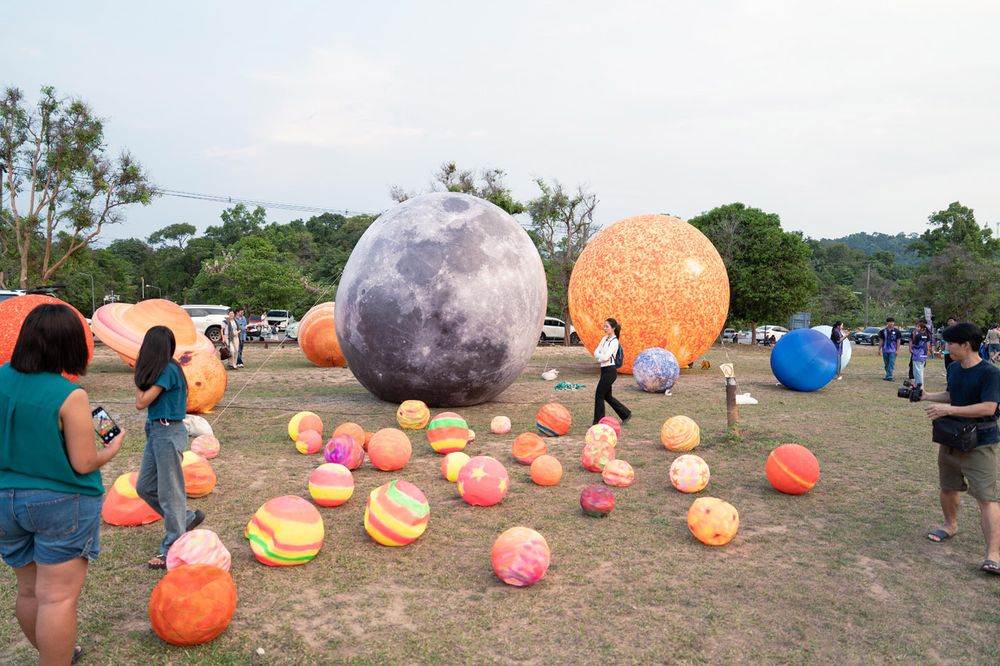
Dark Sky Star Party: The Rising Trend of Green Tourism
Khun Panchana Vatanasathien, President of the Khao Yai Tourism Association, told Khaoyai Connect that nearly 2,000 people registered for today’s stargazing activities. Despite current fuel limitations making travel difficult, this turnout reflects a growing desire across all generations to connect with nature through quality family activities.
“We believe it’s no longer about high or low season. The point is that people have a deeper understanding of and interest in astronomy. Since Khao Yai is a designated Dark Sky Reserve, offering affordable access to nature aligns perfectly with the needs of people of all ages. It also fits Khao Yai’s development direction, which focuses on ‘Green’ initiatives and environmental conservation,” Khun Panchana said.
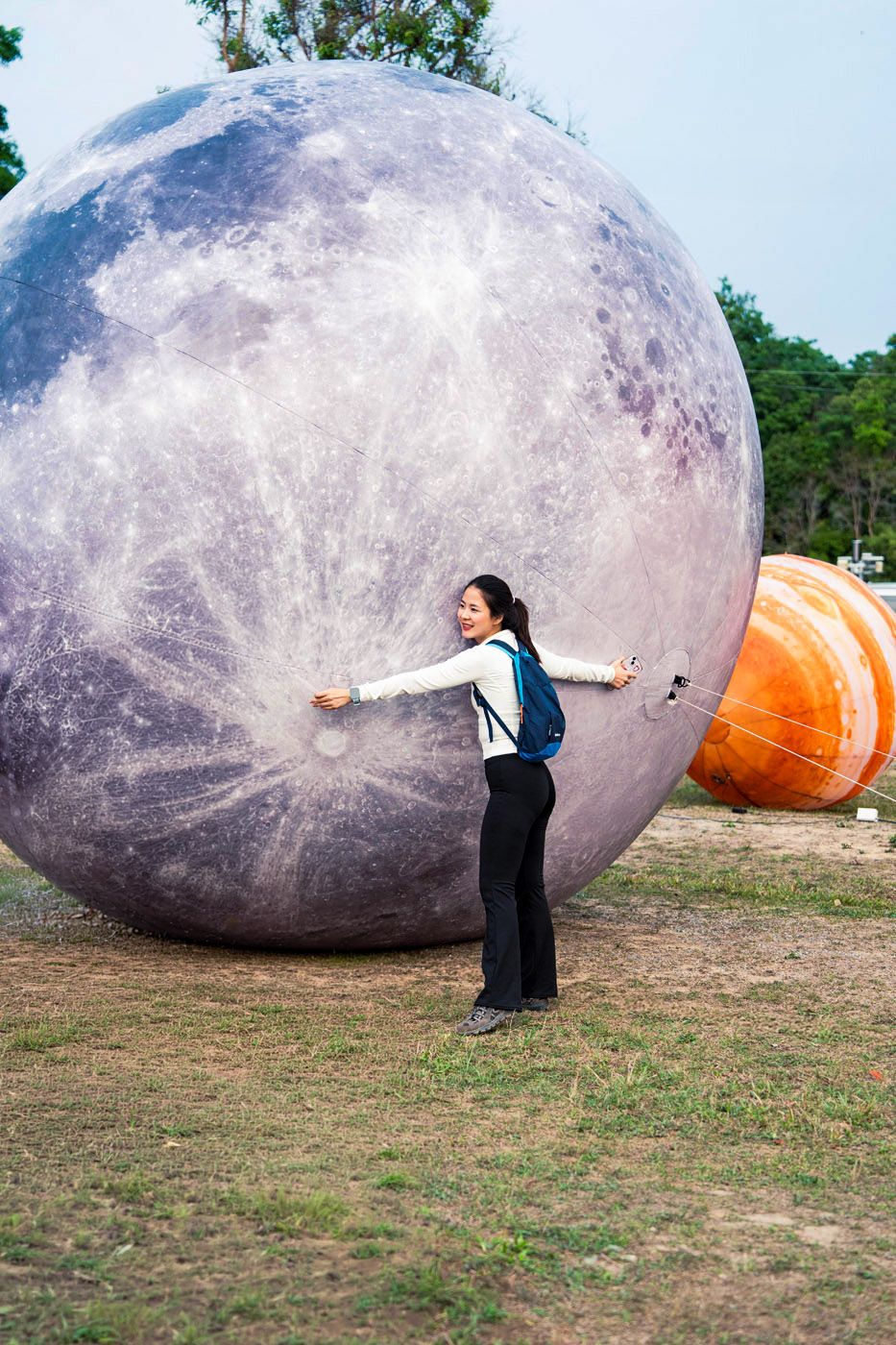
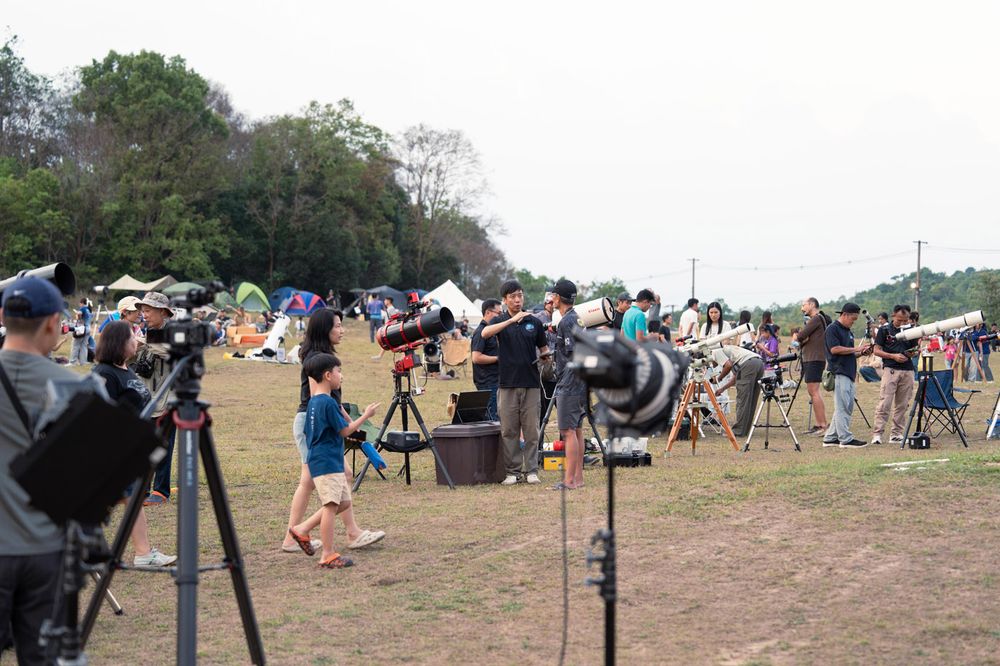
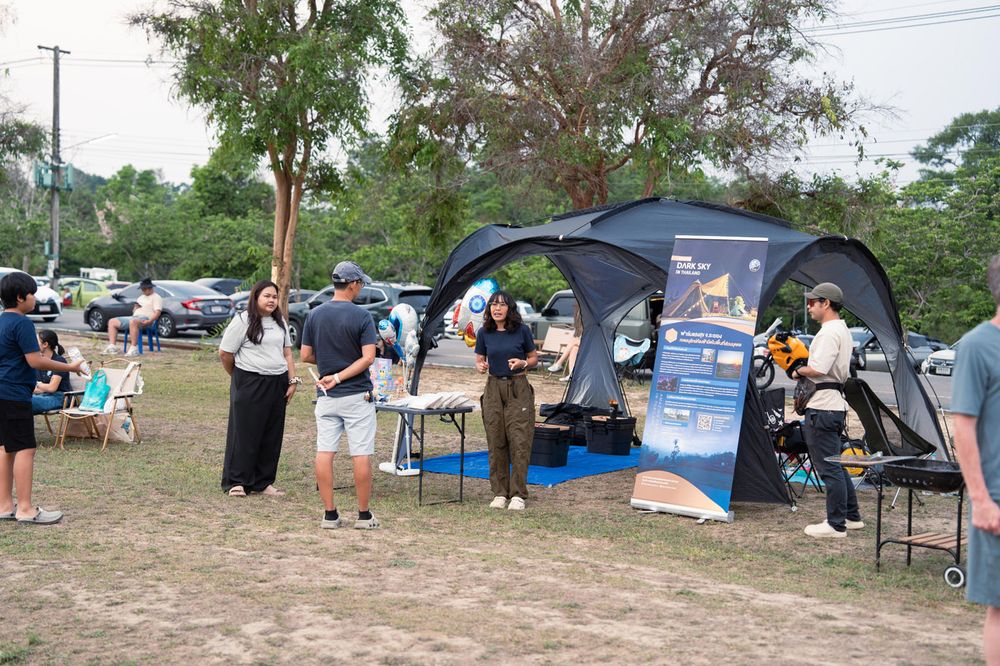
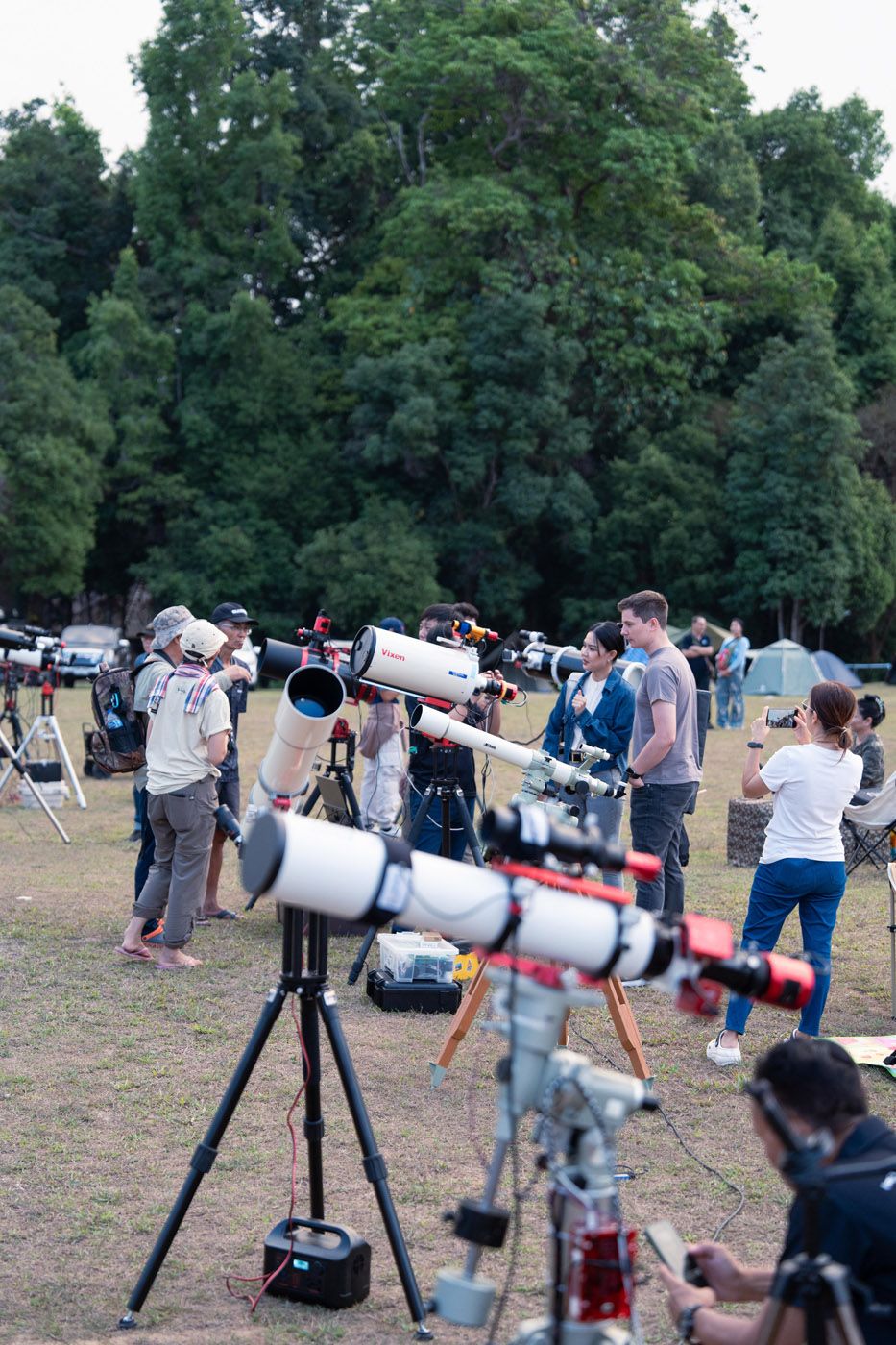
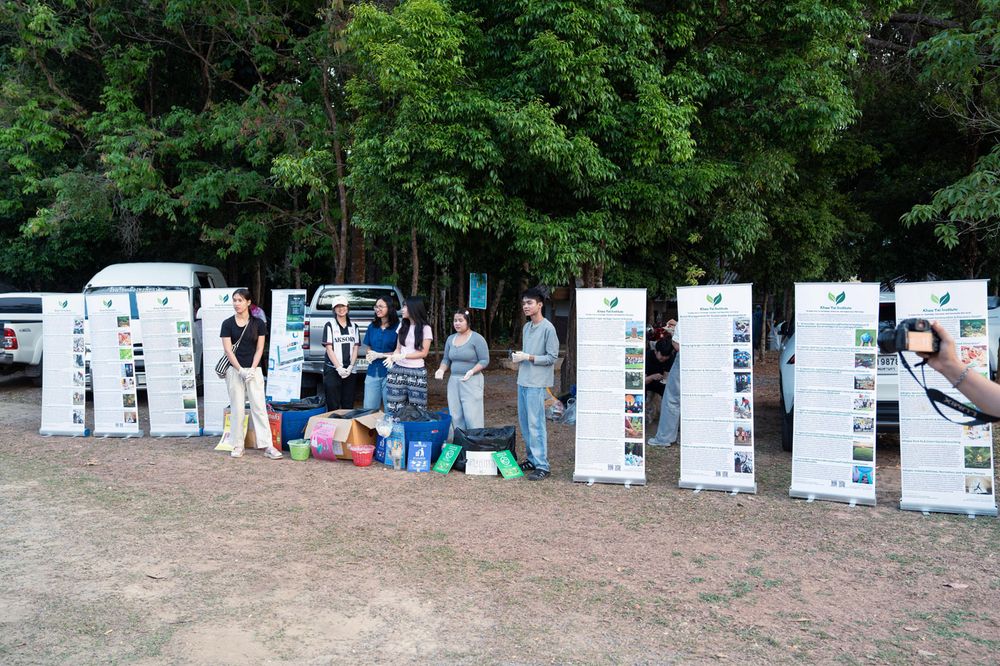
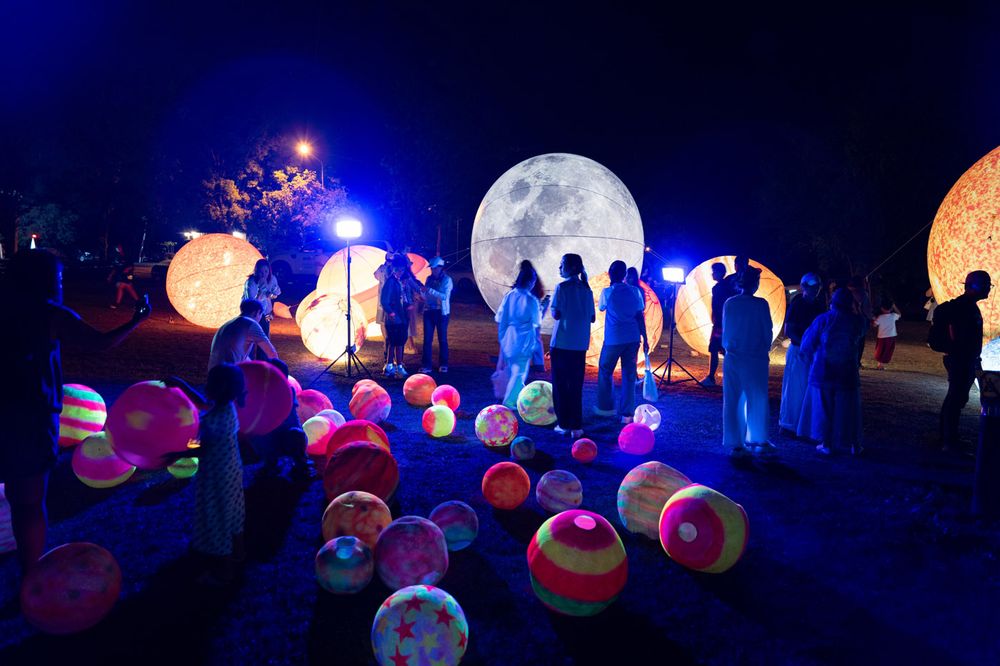
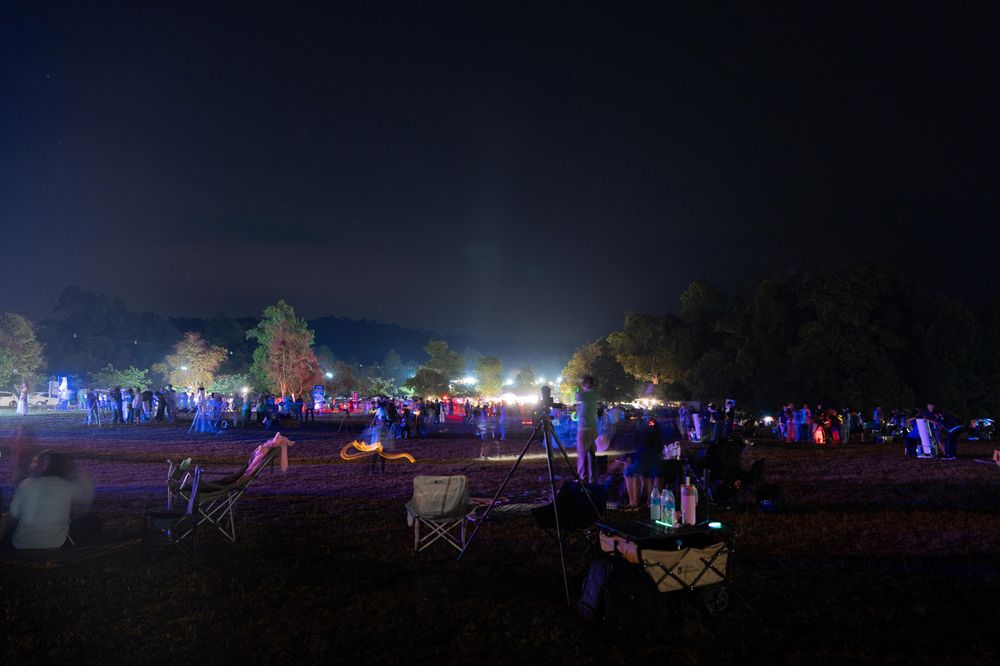
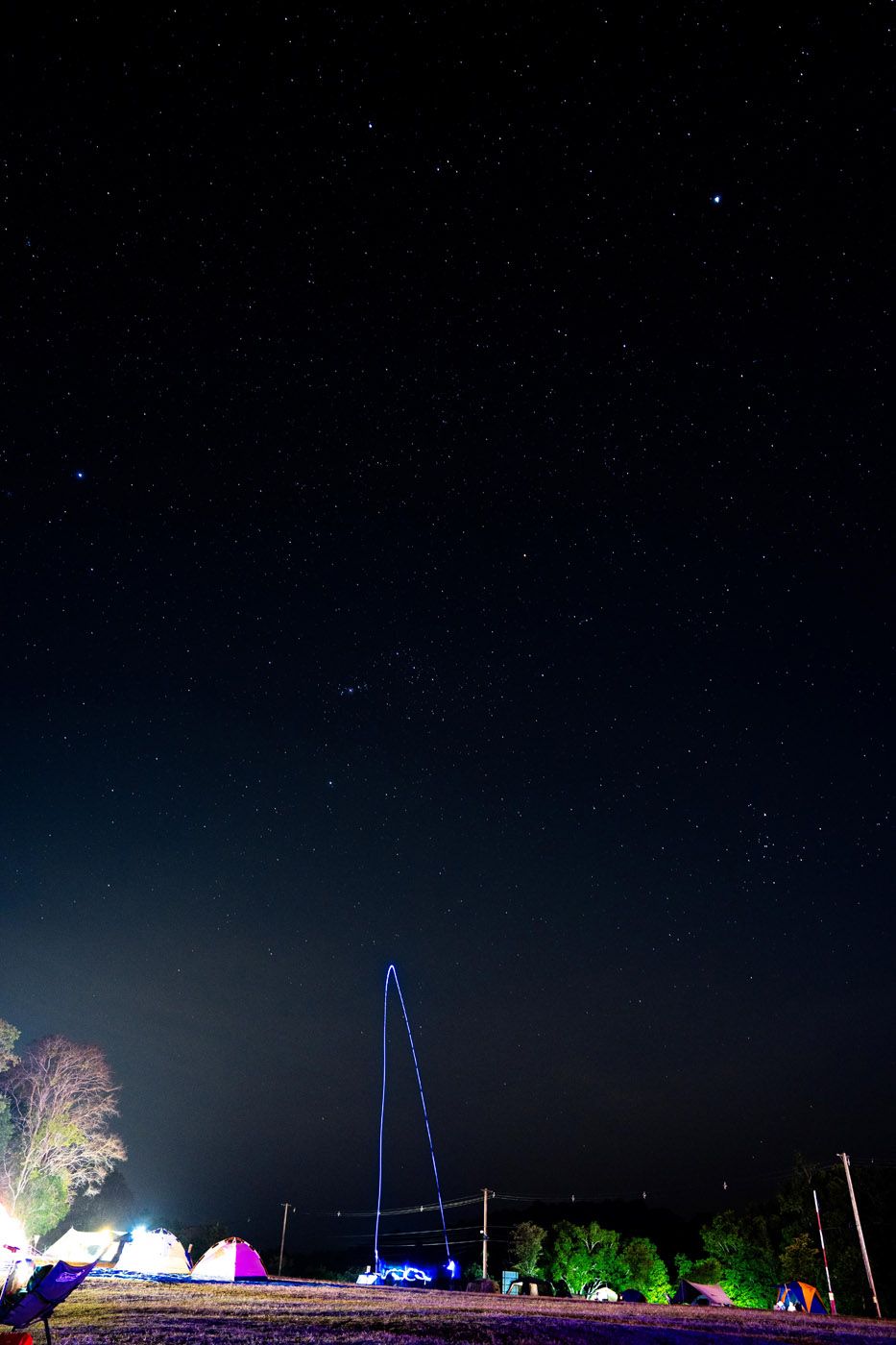
The event featured various engaging activities from partner networks, including light painting, stargazing via the Thai-developed “NAPA” app, mobile astrophotography, and DIY glowing constellation boxes. Attendees could also observe deep-sky objects through a caravan of over 50 telescopes. Additionally, students from Chulalongkorn University demonstrated simple and effective waste sorting processes and measured the carbon footprint—the amount of greenhouse gases generated by the event—as a key indicator of low-carbon tourism quality.
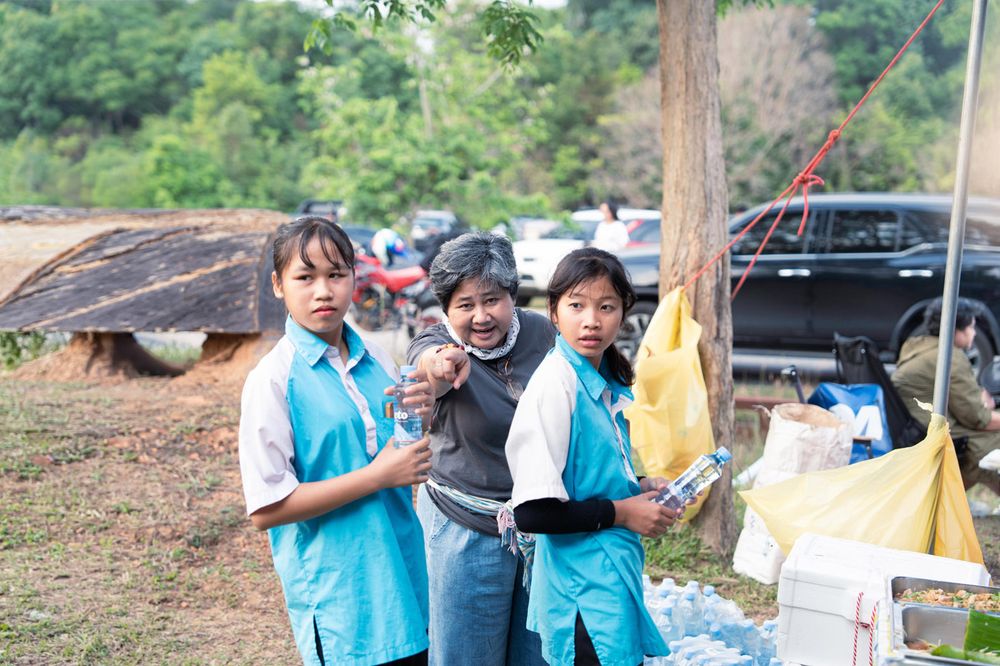
The carbon footprint for 1,700 participants over the six-hour event was calculated at 14.853 tCO2e, which is considered remarkably low. This means the Khao Yai Star Party managed its environmental impact exceptionally well, averaging only 8.7 kilograms of greenhouse gas emissions per person.
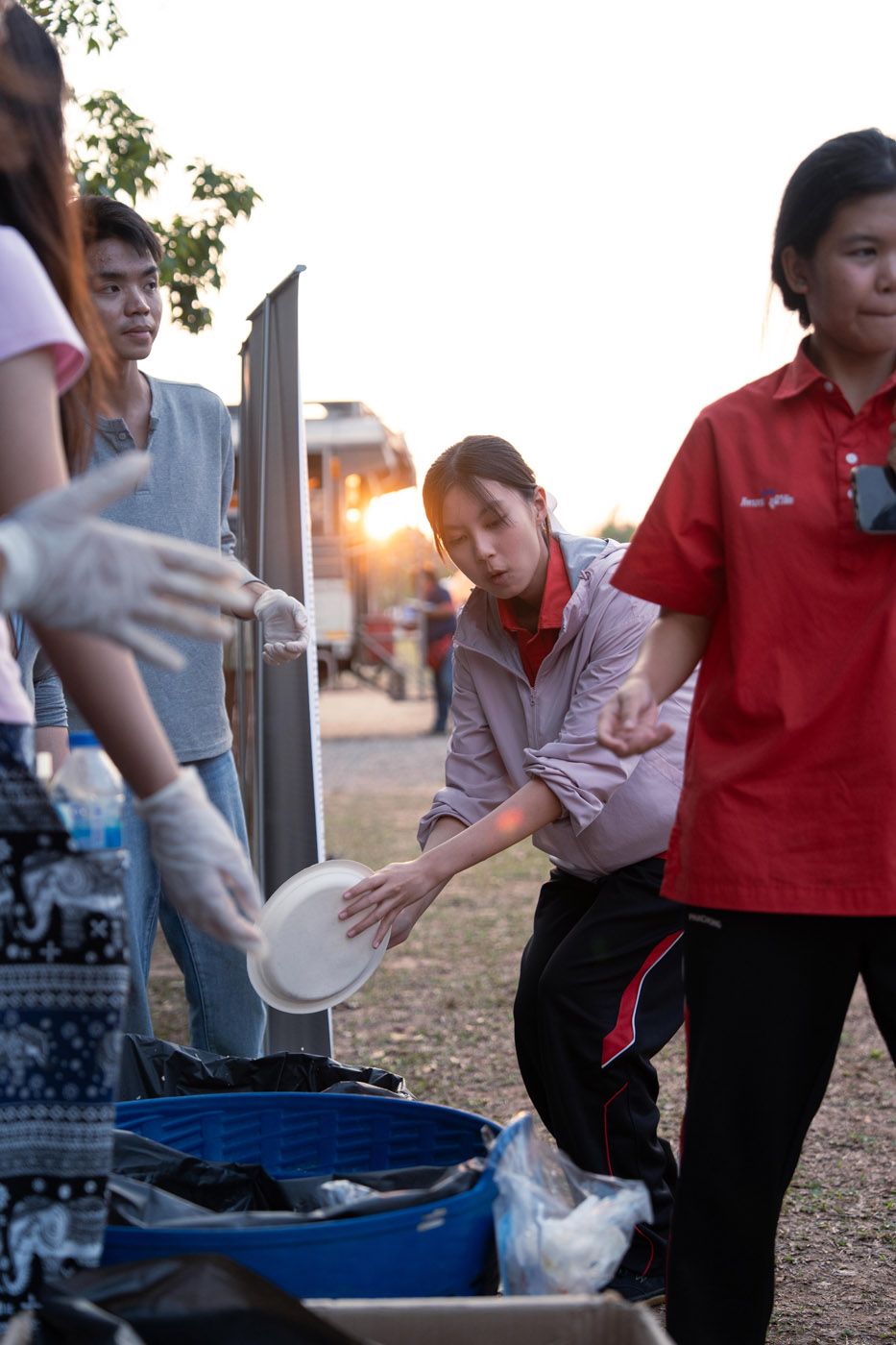
“I must thank our partner agencies and the over 200 student volunteers who helped, particularly with the waste sorting and carbon footprint calculations. Astro-tourism is an incredibly low-carbon form of travel, and we are very satisfied with these results. Moving forward, the Khao Yai Tourism Association will apply these methods to all our events to ensure Khao Yai’s activities do not become a burden on the planet,” Khun Panchana added.
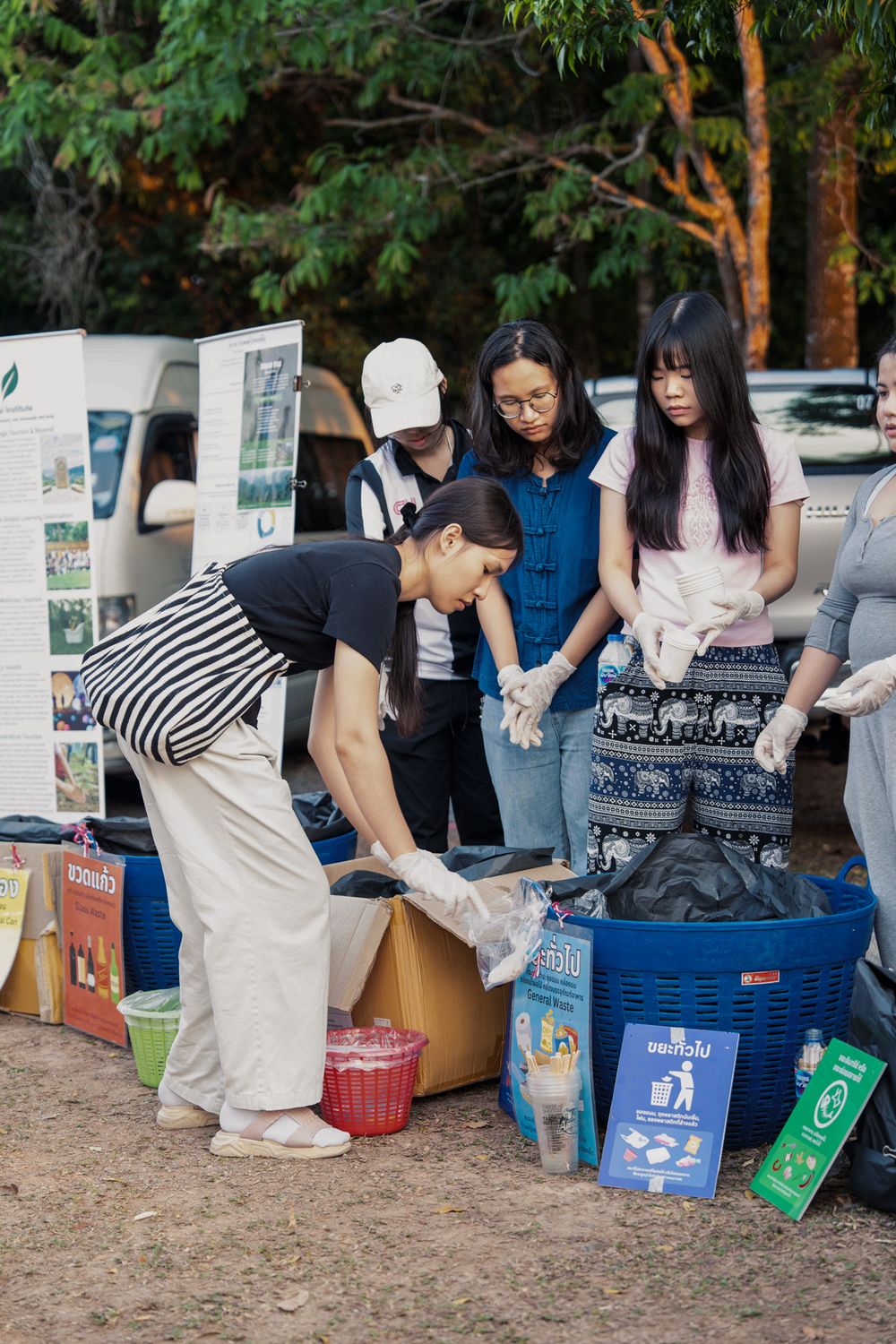
Waste Sorting: A Commitment to Developing Khao Yai Tourism
Dr. Weerapong Prasongchean, or “Dr. Kang,” the team lead who brought Chulalongkorn University students to manage the waste sorting, stated that waste management is crucial from the very beginning. When organizing events, we must identify the sources of waste to reduce them where possible. If waste cannot be avoided, we must sort it to maximize its utility.
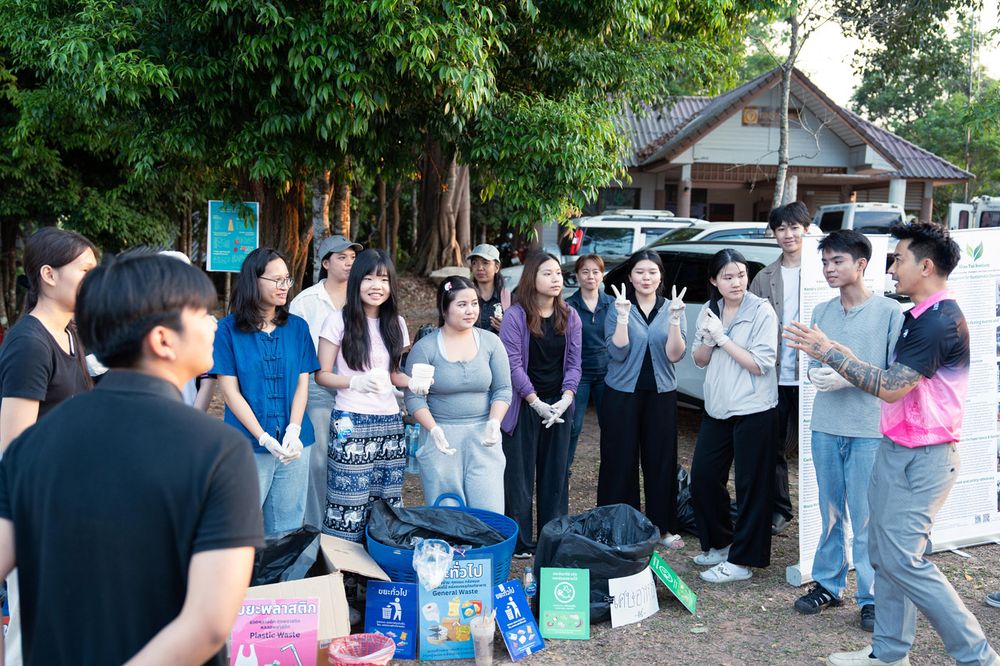
“We need to know what kind of waste will be generated, such as food scraps, plastics, or meat skewers. Much of it can be repurposed; organic waste can become fertilizer or animal feed, while bottles and caps can be recycled or used for art. I believe this helps people realize that the waste problem is caused by everyone, and everyone can start solving it themselves. It creates awareness that this is a significant issue,” Dr. Weerapong explained.
He further explained that waste management requires a "cradle-to-grave" mindset: how it is generated, how it will be managed, and where its final destination will be. The placement of sorting stations is vital. Today, stations were placed near food stalls so that after people buy and eat, they are close to a sorting point. Staff were on hand to explain how to dispose of items correctly to avoid mixing waste, which makes recycling difficult. This visible process fosters learning and awareness that the waste problem starts with the individual.
NARIT Promotes Stargazing, Dark Sky Awareness, and Secondary City Economies
Khun Ananpon Sudsub, Head of the Nakhon Ratchasima Regional Observatory under the National Astronomical Research Institute of Thailand (NARIT), joined the event and noted that one of NARIT’s missions is to raise public awareness and excitement about astronomy. A byproduct of this is an economic boost. This momentum has now been triggered in many areas, including Khao Yai, and such events will likely become annual fixtures.
“This traces back to the ‘Amazing Dark Sky Thailand’ project. Initially, we wanted people to reduce light pollution to save on electricity and bring back the dark sky, but it didn’t gain much traction. When we saw other countries using 'Dark Skies' as a tourism draw, we shifted our approach. We began establishing Dark Sky areas in various locations. In Khao Yai, these include Rai Khao Noi Suwana, Alcidini Winery, and the National Park itself, along with resorts like Raintree and Fountain Tree. This made the activities more popular. When we first launched the Dark Sky Star Party at Pha Taem in Ubon Ratchathani, it was an instant hit. NARIT leads the first year, then steps back so the local area can continue the work independently,” Khun Ananpon said.
Khun Ananpon added that the Korat Observatory’s plan is now moving toward Chaiyaphum, which has five designated Dark Sky areas across four national parks and one wildlife sanctuary. NARIT aims to help launch similar activities there without disturbing wildlife. This utilizes "Astrotourism"—a concept popular internationally—to drive tourism in secondary cities.
“This campaign answers everyone’s needs. We don’t just get the dark sky back; everyone finds happiness. People who have never stargazed get to experience camping, and local vendors can sell their goods. Even though it’s currently the low season for Khao Yai, hotels are seeing an uptick in activity. Many places are even running campaigns like ‘Stay here and go stargazing at Khao Yai,’ which is exactly what we want to see happen,” Khun Ananpon noted.
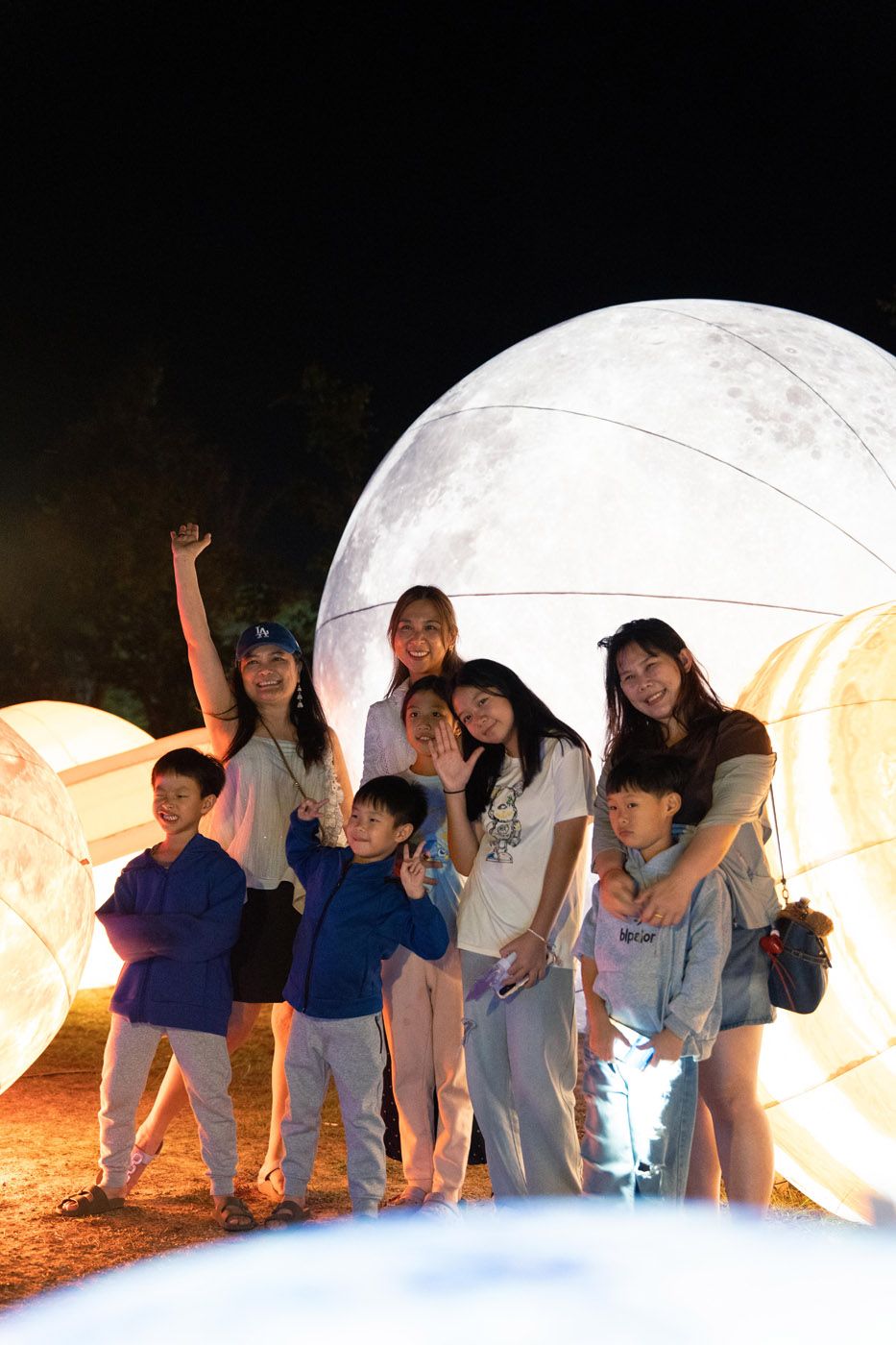
For this "Dark Sky" night at Khao Yai, attendees were fortunate to have 100% clear skies, allowing for the observation of a wide variety of celestial objects.
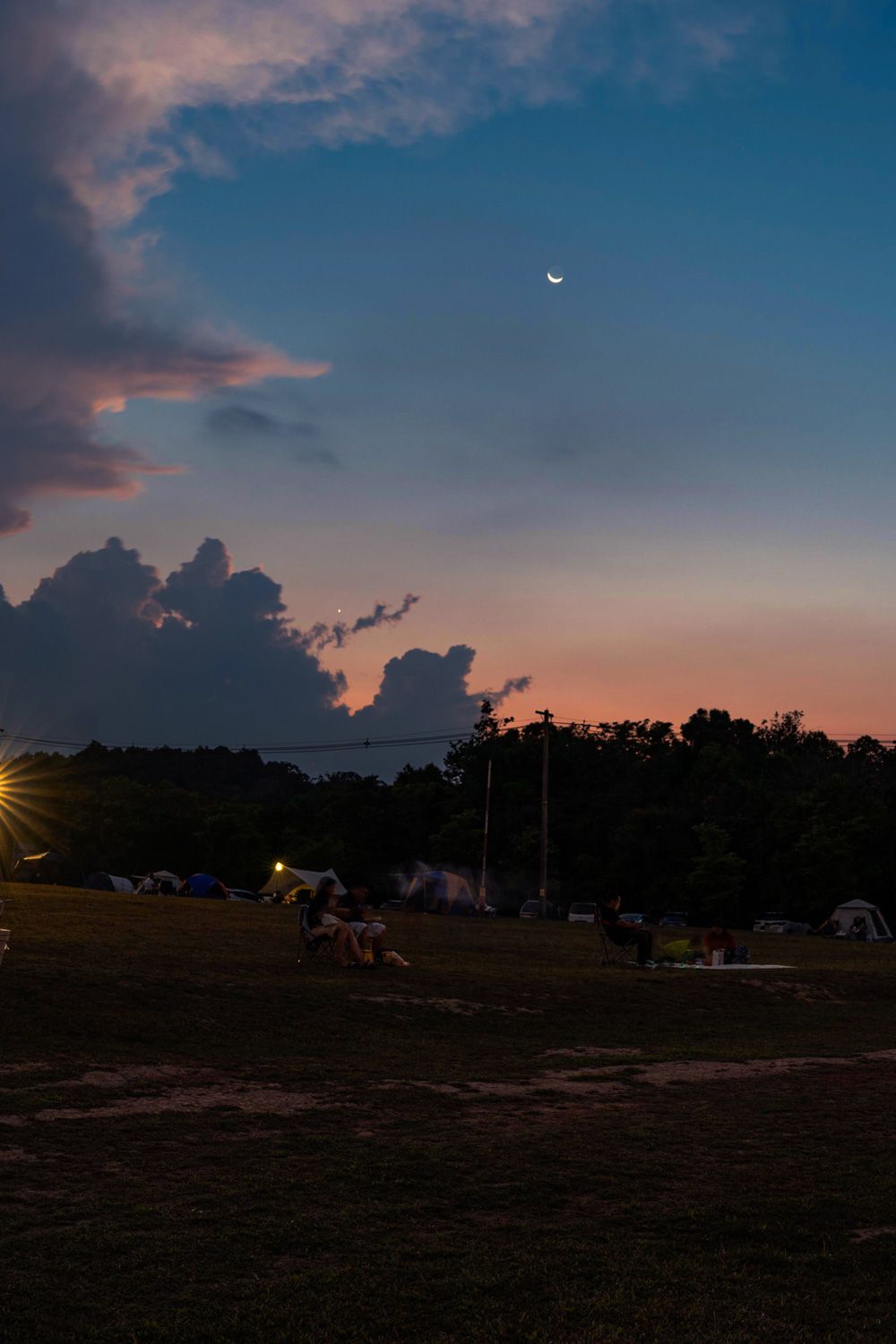
“Tonight, we can see Jupiter, a thin crescent moon, and Venus. Orion and other winter constellations like Canis Major and Canis Minor are directly overhead, signaling the end of winter. Meanwhile, summer constellations like Leo and Virgo are rising in the east. The sky is 100% clear today,” Khun Ananpon added.
Politics Embraces Natural Tourism Policies
In addition to the partner networks, the event was attended by Khun Khatiya Non, a newly elected Member of Parliament from the People's Party.
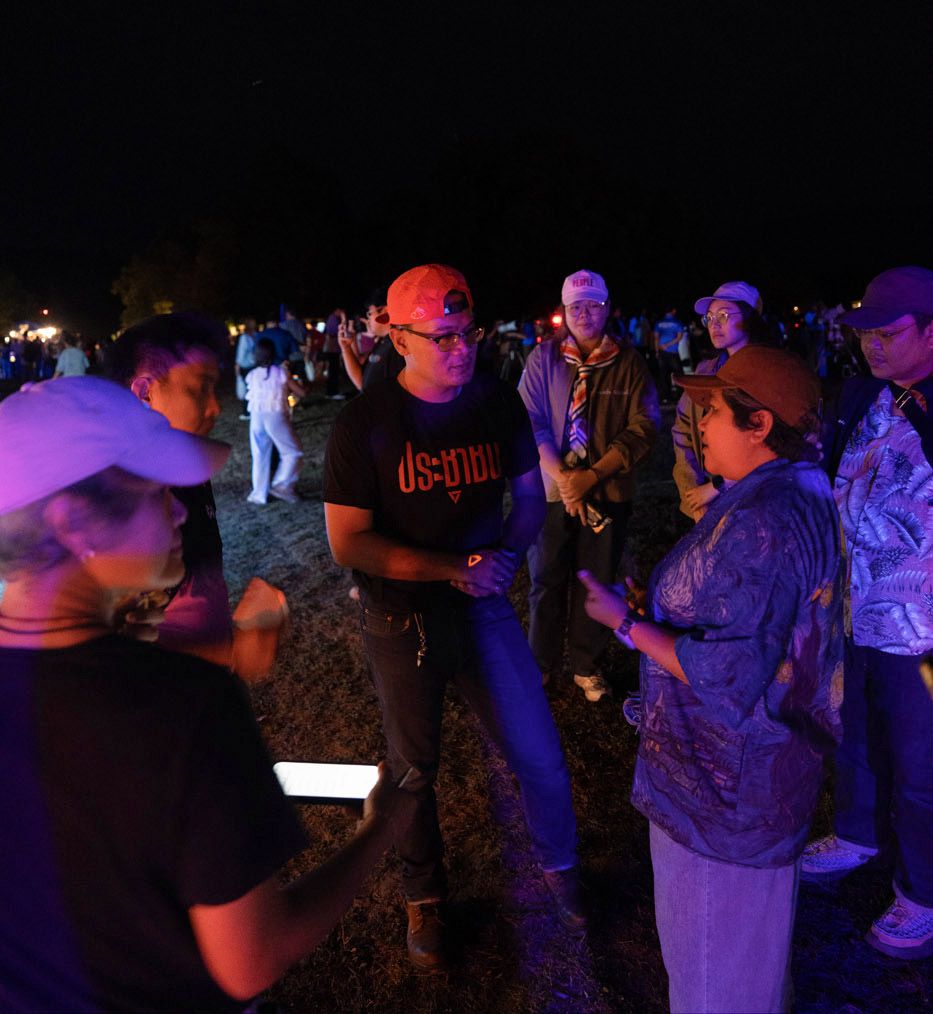
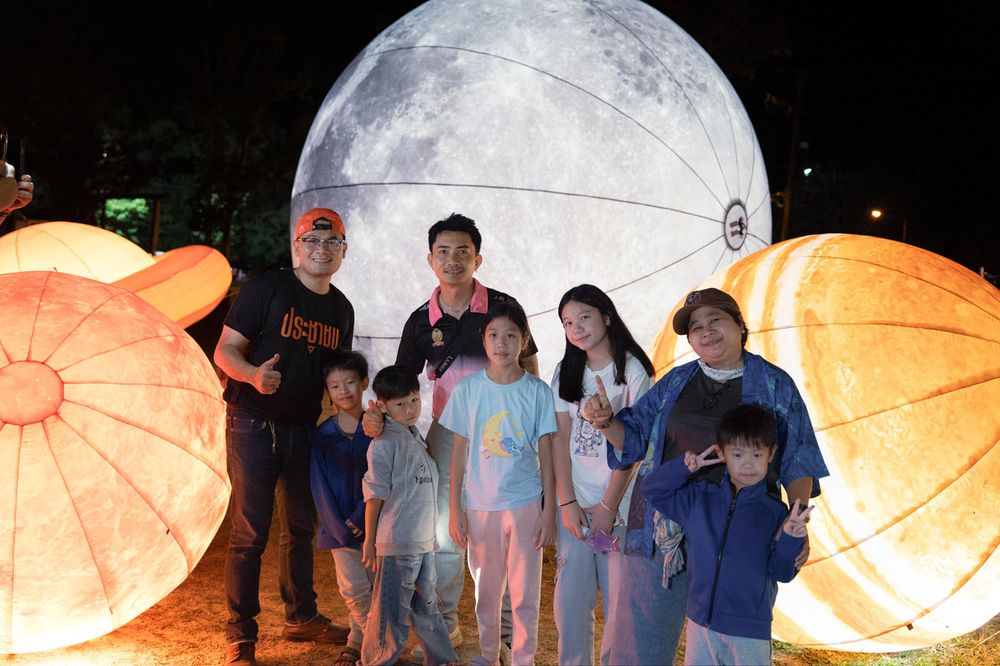
MP Khatiya remarked that he did not expect such high public interest and viewed it as a fantastic initiative. He already has a concept to push for natural tourism growth in three phases. It starts with providing local children around Pak Chong with the opportunity to experience Khao Yai National Park. The goal is to ensure local residents recognize the value of their own city's assets as a foundation for truly sustainable tourism.
© 2025 Khaoyai Connect. All rights reserved.
No part of this content may be copied, modified, or distributed in any form without prior written permission.
