


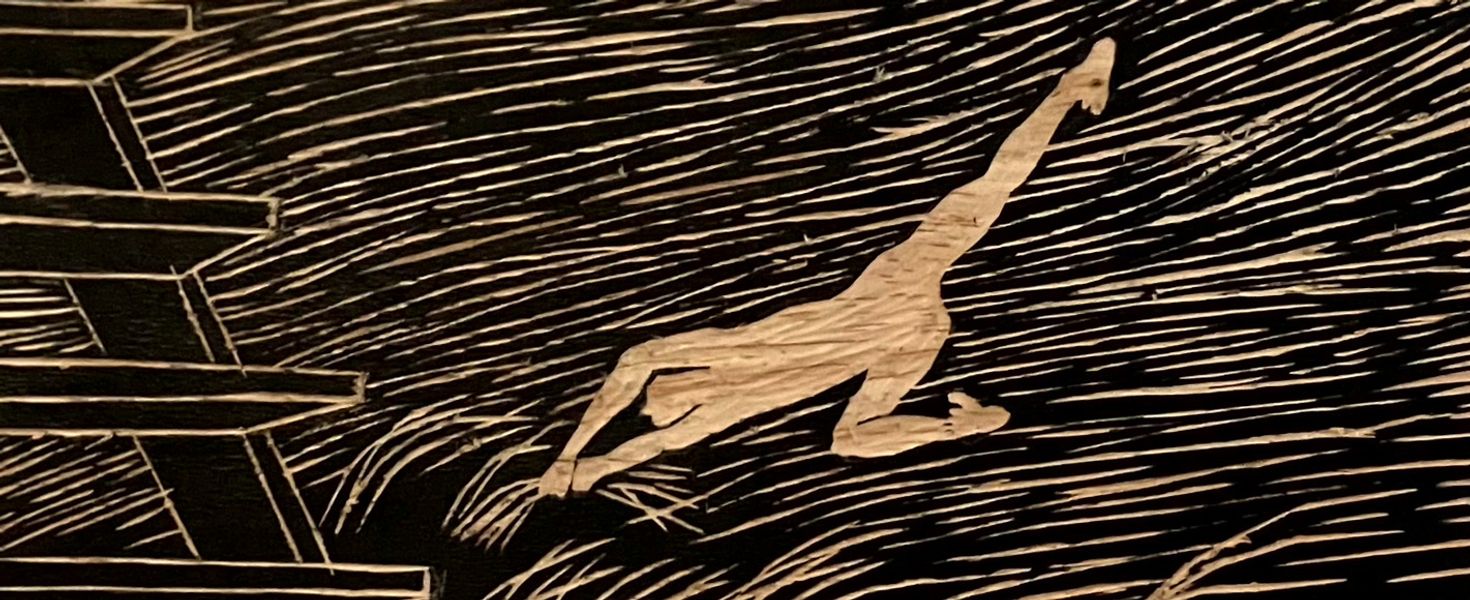
UBON AGENDA: The Agenda of Ubon Ratchathani
In the Shadow of Oppression and Othering
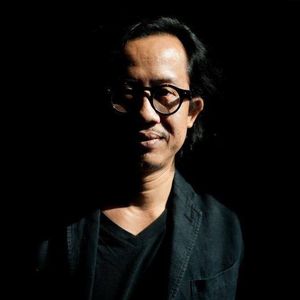
This conversation was originally intended for release before the "UBON AGENDA" art festival began. However, due to certain complications, these reflections on the event’s conceptualization are reaching the audience later than scheduled.
Nevertheless, this delay might lend a different kind of value to this interview. Instead of serving as a "call to action" for readers to attend, it has matured into a "record of thoughts," refined through meticulous reflection and carefully chosen words.
We are not just "getting to know the event," but moving closer to the "mindset" of the organizers.
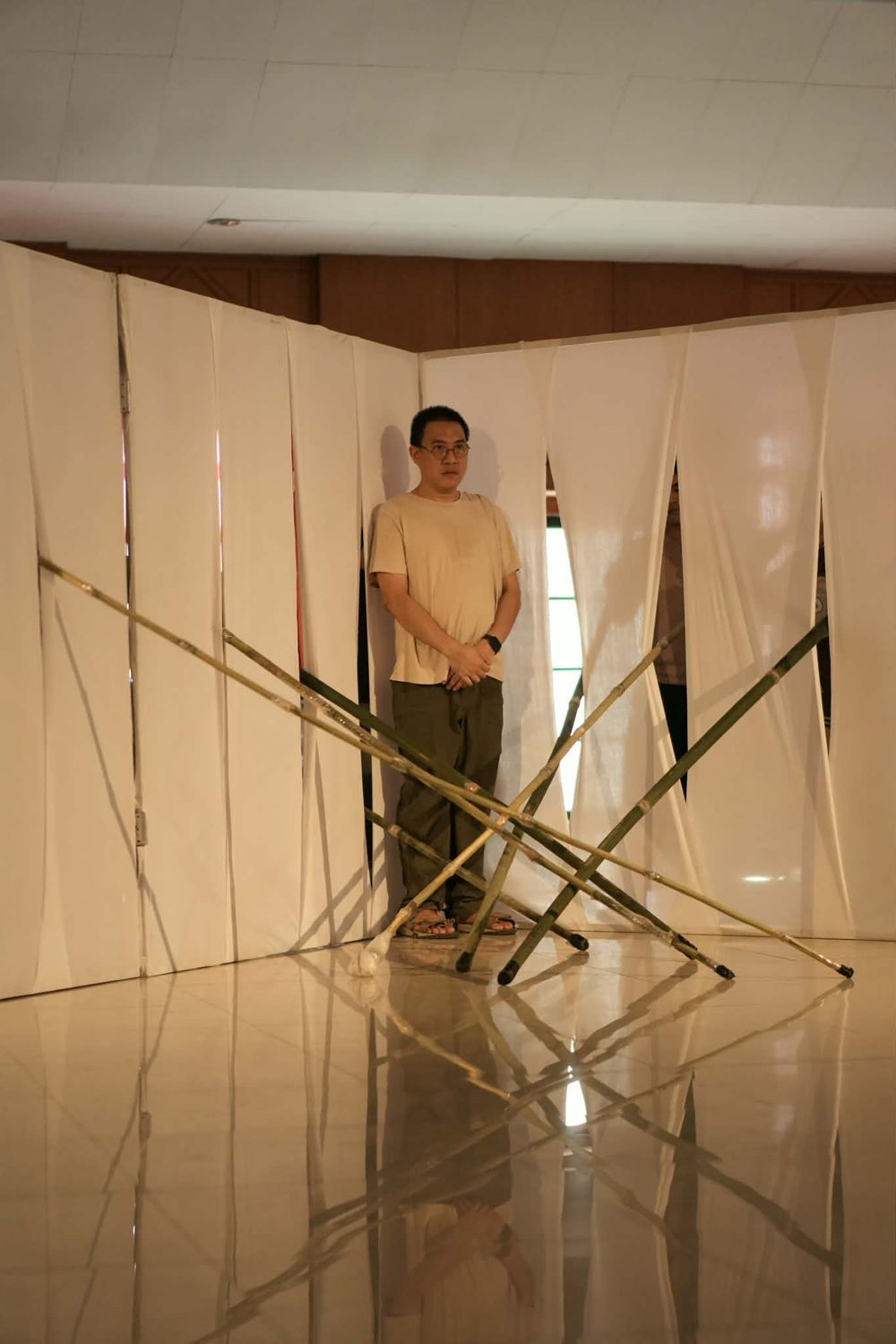
This dialogue is with Narasith Vongprasert, one of the key figures driving the Ubon Agenda art festival. This festival is more than just an exhibition; it is a "series of events" designed to highlight the relationship between history, belief, art, and the people of Isan—those who have been oppressed and "othered" from the past to the present day.
Perhaps the most important question in this interview isn't "what is this event?" but rather "how should we perceive it?"
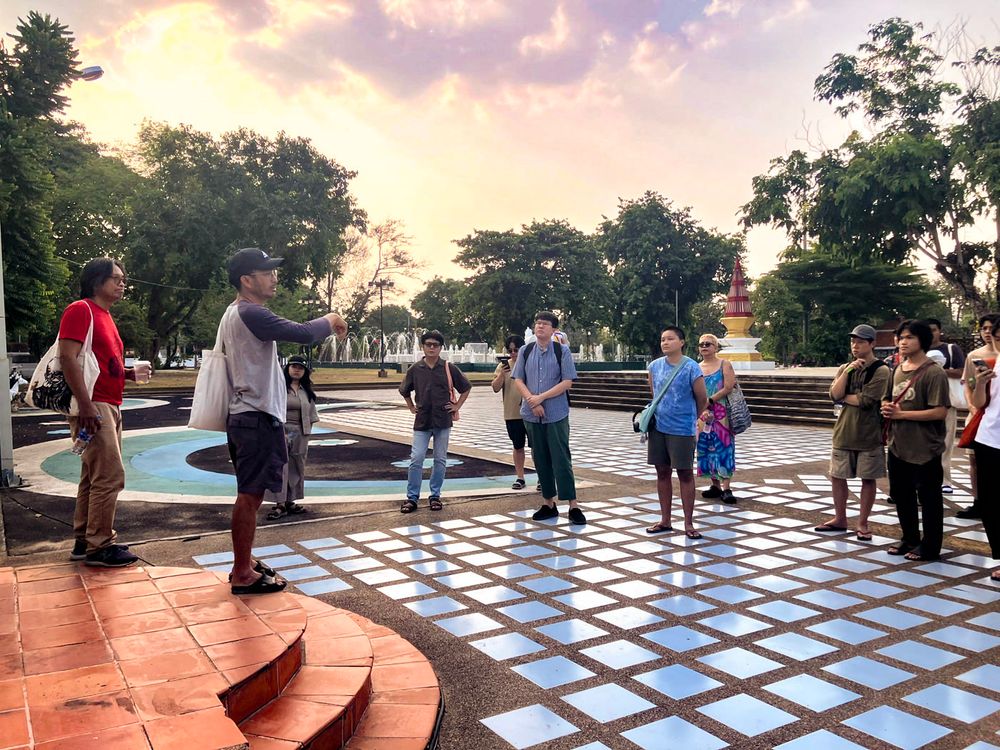
An Art Festival That Is More Than an Exhibition, But a Stream of Narratives
When asked whether this exhibition leans more toward "live performance art" or a "series of events," Narasith Vongprasert—or "Ole" to his friends—replied:
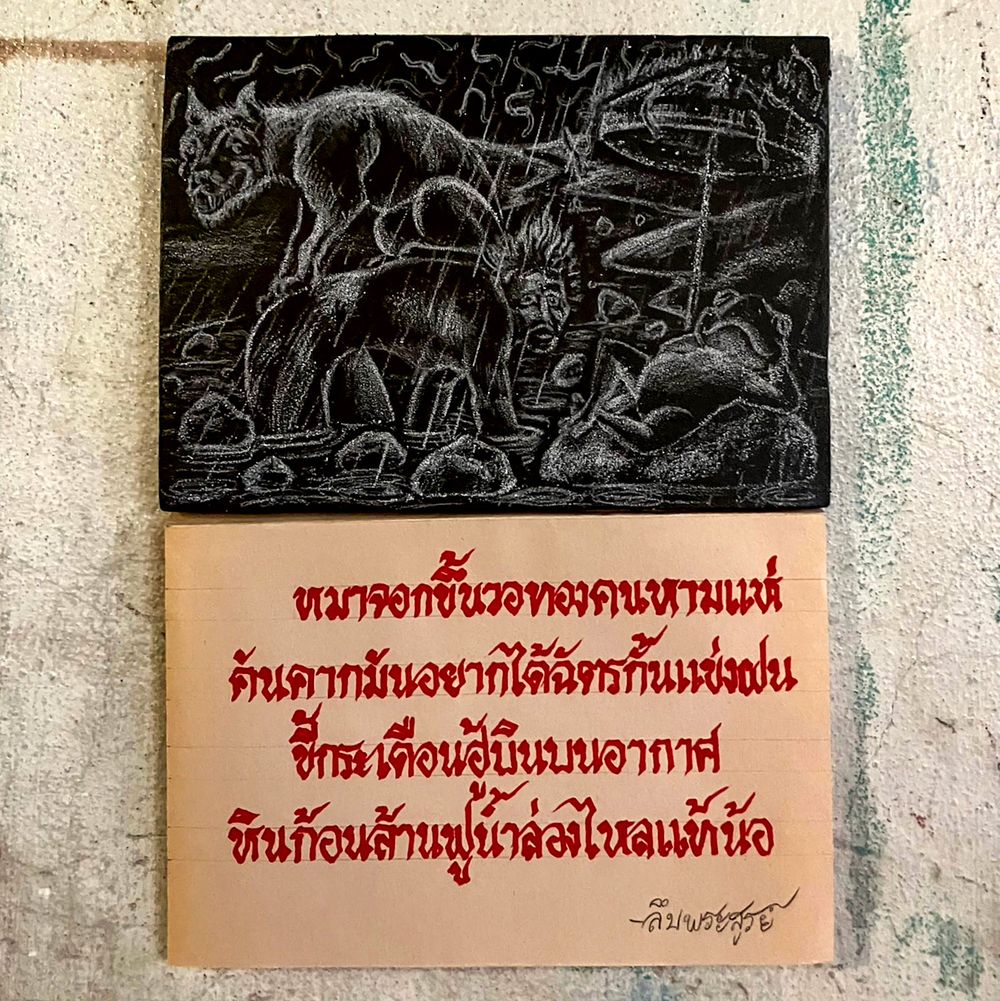
“Our work is both. The art displayed, both visual and live performance, differs from previous works on the suppression of rebellions. Here, each artist or collective explores the environments used by the Phi Bun (Holy Man) movement—their communication tools, glawn lam (traditional verse), and the music used for mobilization. It connects past events to the present, or even reflects conditions similar to those before the Battle of Non Pho—the cycle of repeated oppression—which can link to the local cultures of other regions.”
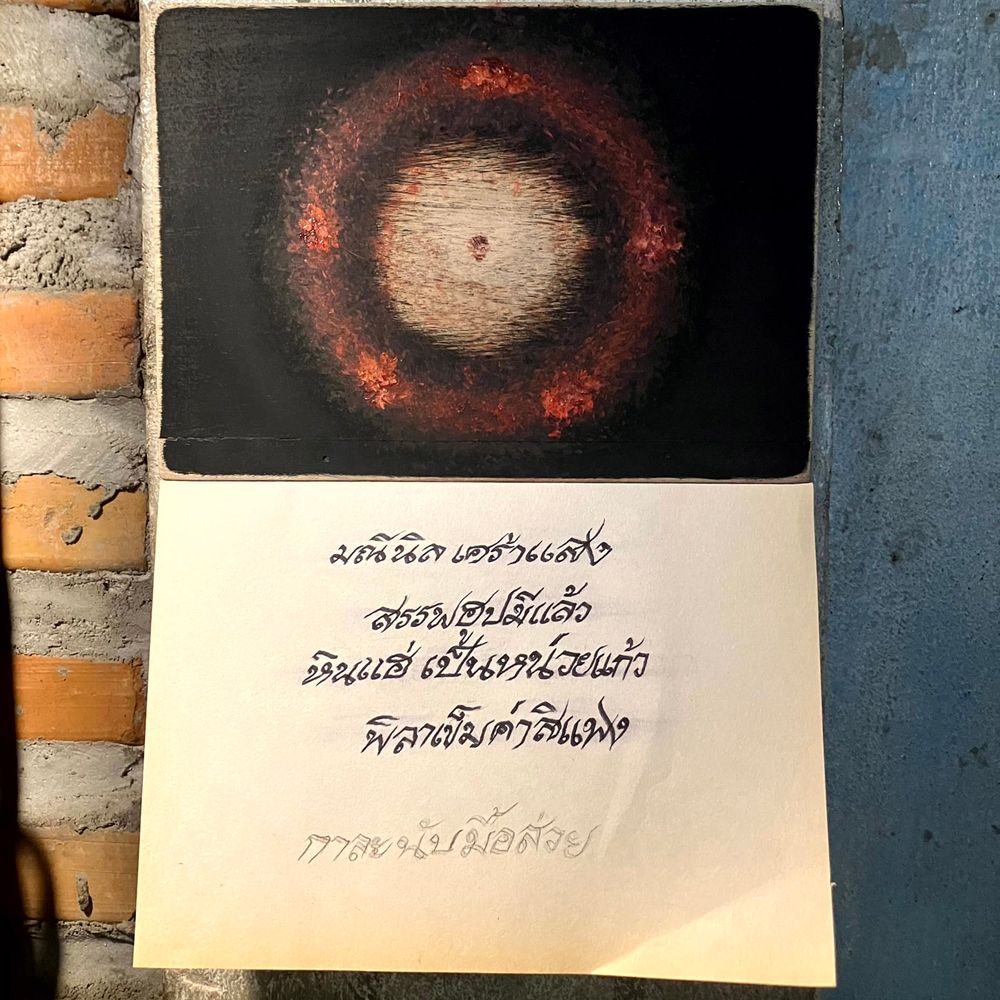
When Seminars, Art, and Performance Serve Different Roles But Speak the Same Language
“I want attendees to receive information from the seminars or other activities, to read and research, and then view the resulting art to see what possibilities or interpretations they find. Once they have a dataset in mind, viewing the art allows them to interpret and analyze, letting the artwork engage with the viewer. They might interpret it differently from the data they have, or those who didn't attend the seminars can simply let the art work on them directly. It doesn't have to be the same for everyone.”
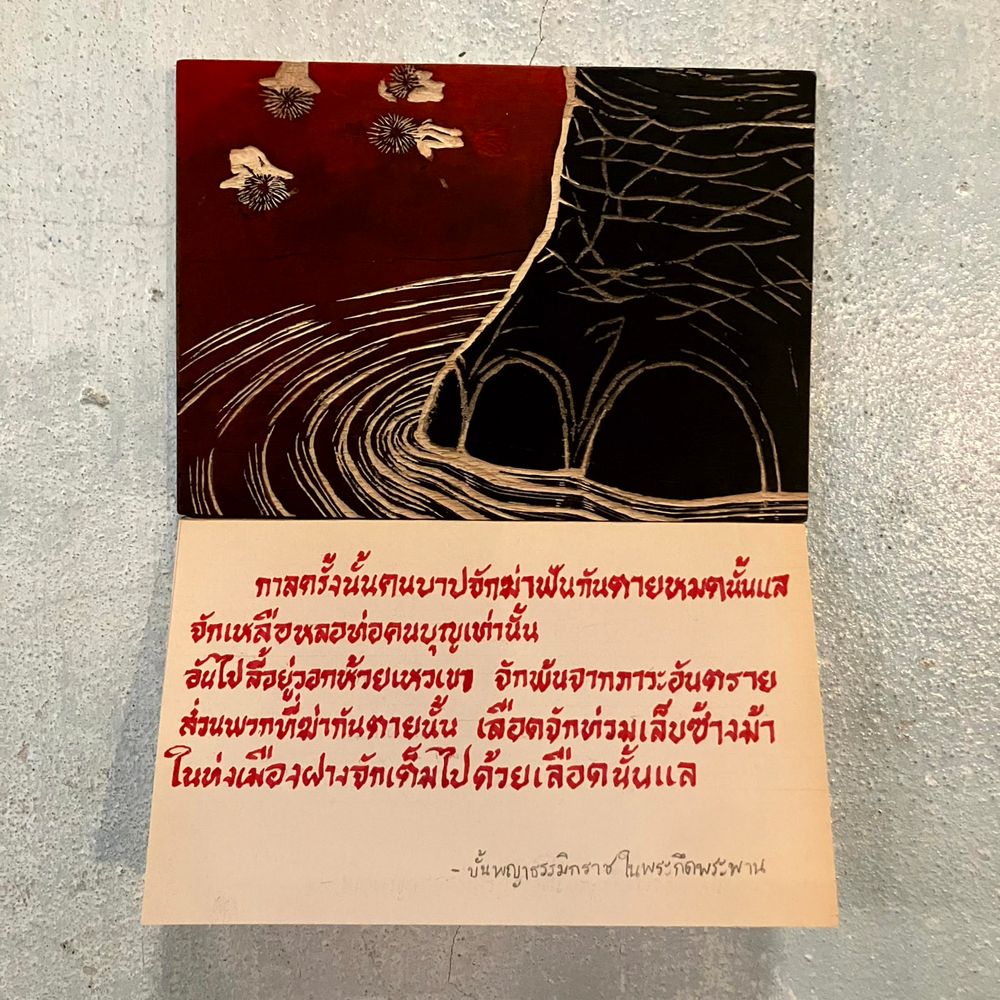
When Prophecy is Not Mysticism, But Power Negotiation
We asked Narasith what the visual art under the theme “Horizon Prophecy” addresses. Is it looking toward the future, or reflecting the "hopes and fears" of people in the past?
Narasith wrote back saying he would rather not answer personally, but instead shared the content explained by the artists of the “Phakhi Moryu” (Moryu Alliance) to avoid multiple layers of interpretation that might hinder communication:
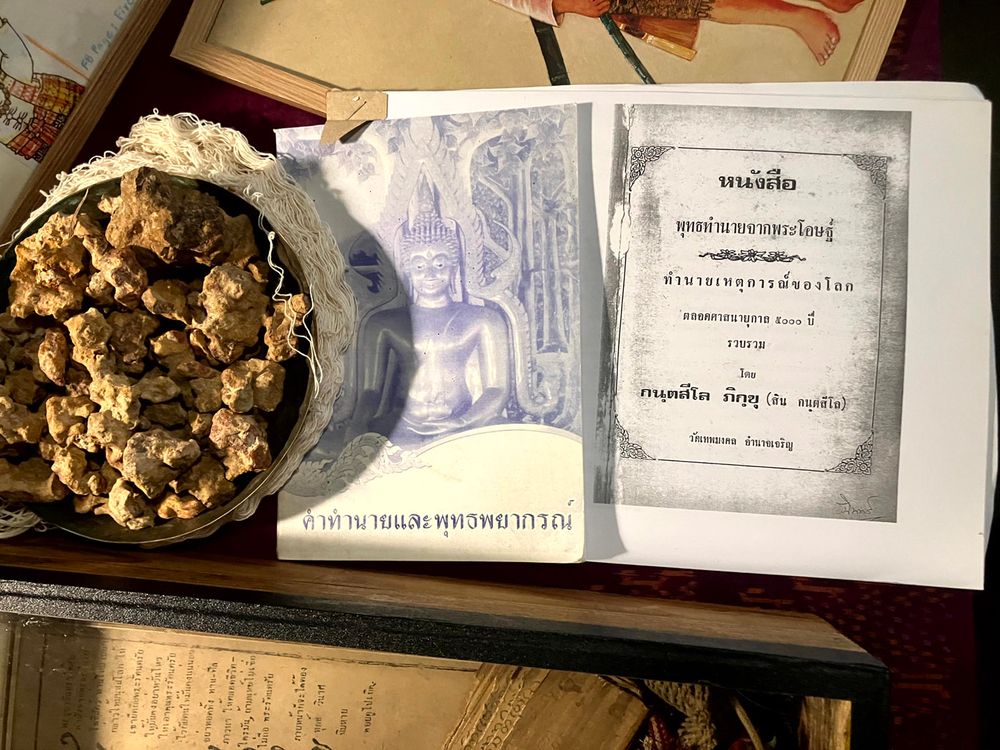
“This work studies prophecies from various eras, particularly during times of conflict, such as the era of Chao Anouvong and the Phi Bun movement. These were times when people faced an uncertain future. It likens the ‘future’ to a ‘black hole’—something that cannot be seen or known directly and is full of uncertainty. ‘Prophecy’ thus acts as a signal at the event horizon that humans use to interpret and negotiate with the future. It gathers predictions from various sources—literature, astrology, science, and religious beliefs—to show that speaking about the future is inherently linked to political power. The core concept is that the ‘future’ is not an empty space, but a territory where different factions compete to define meaning. Ultimately, this work points out that prophecies do not just reflect hope or fear; they play a role in constructing and defining political power.”
When Rivers, Verse, and Bodies Become a Single Language
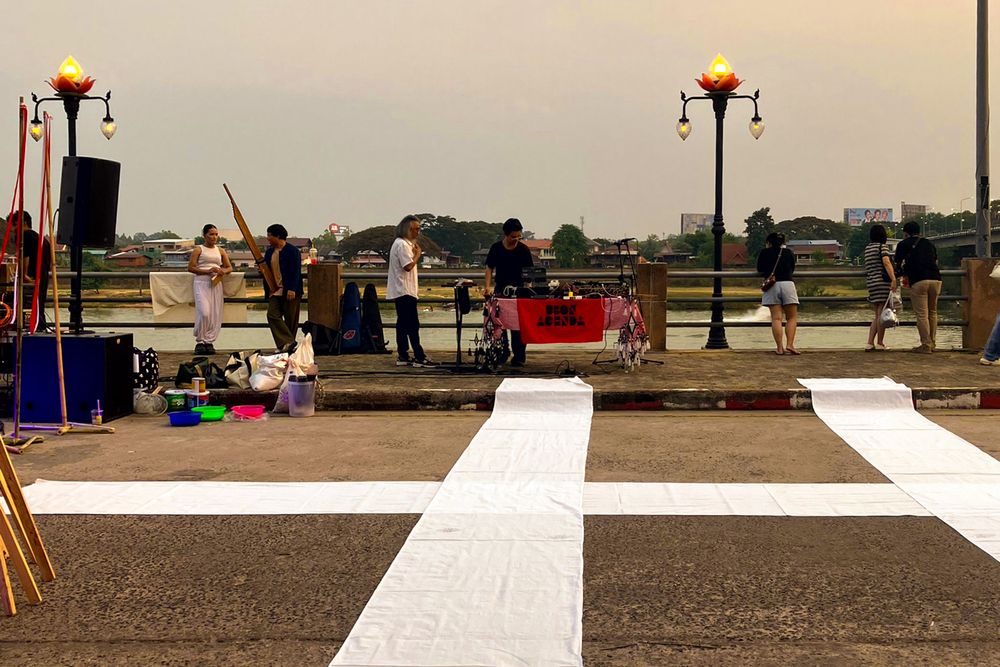
Our next question was whether performance art pieces like “Khon Luen Khong” or “Seuk Phra Ong” attempt to represent symbols or spaces of belief. The young professor replied:
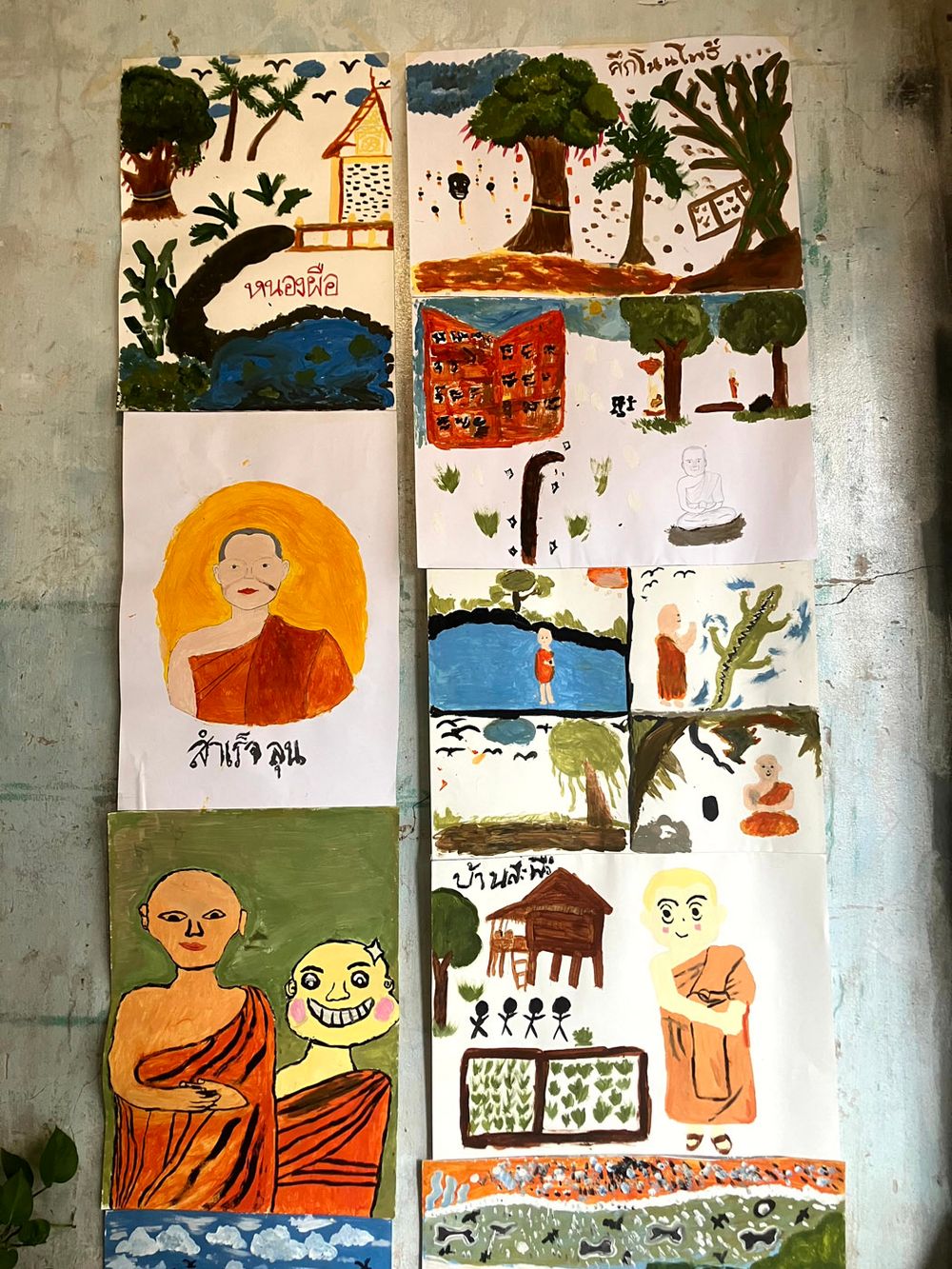
“Khon Luen Khong is a collaboration between P’Nad (Sineenadh Keitprapai), myself, and P’Pom, created rapidly. We tried to address the issue of the rivers—specifically the Mekong and the Mun—by throwing ideas at each other to generate the work. It can be seen as a symbol, but likely not a space of belief, because we were trying to embody the imagery and state of the rivers. Meanwhile, Seuk Phra Ong is a performance intended as a visual for the glawn lam sung alongside it. That glawn lam contains many details about the lives of villagers—their lifestyle, their oppression, their beliefs, and their hopes. We tried to condense these elements into a visual that the audience can see through the performance. Thus, it acts as both a symbol and a space of belief, utilizing shadow techniques, verse, still images, and performance to convey the message.”
When Morlam is Not a Background, But a Narrative
“I view it as a language for storytelling. For instance, in the Seuk Phra Ong performance, morlam isn't just background music; it is what tells the entire story. The performance itself serves as a visual showing how the narrative within the verse can be portrayed.”
When a Marketplace Becomes a Mechanism to Draw People Into Art
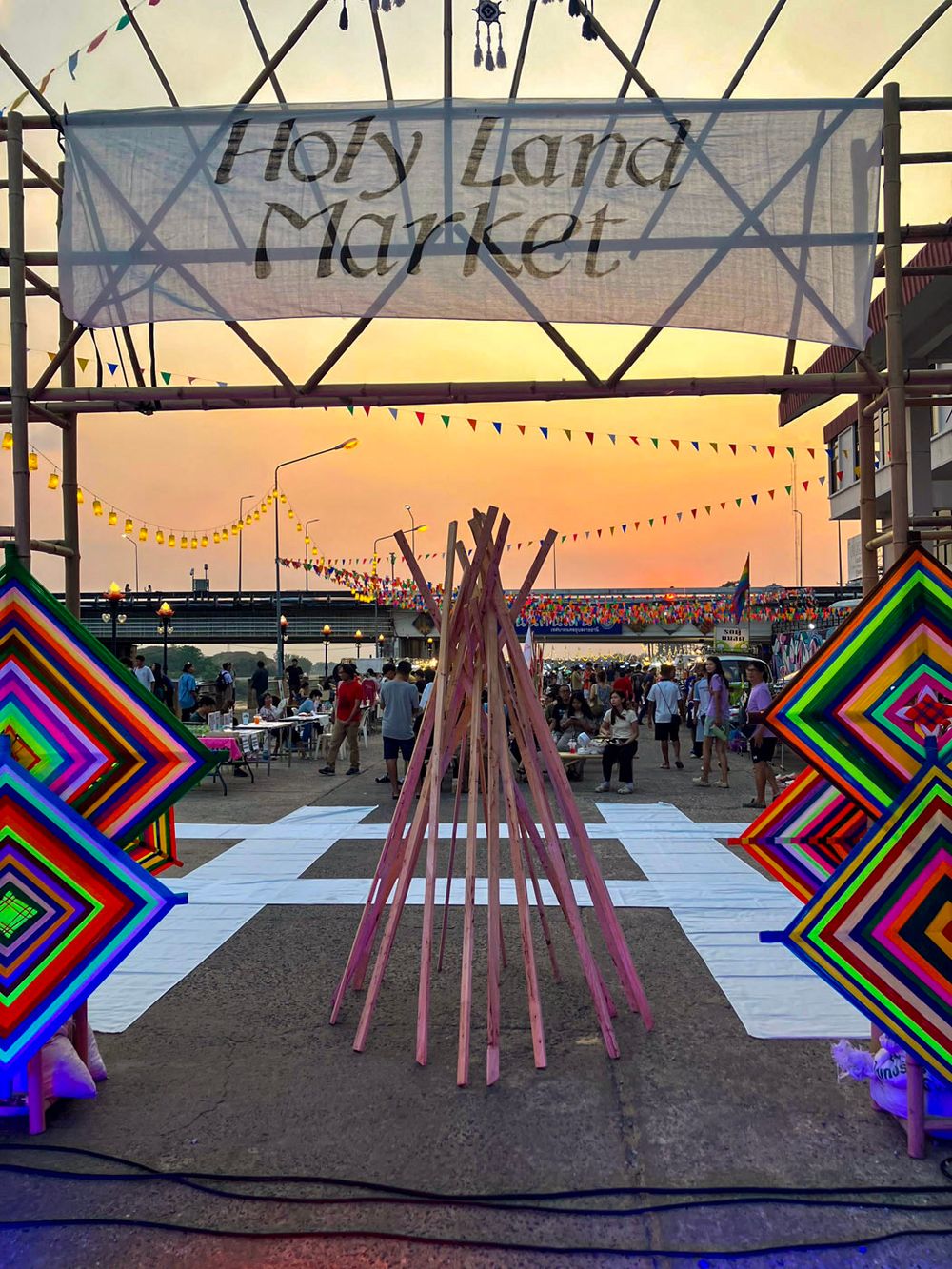
“Holy Land Market” seems to be more than just a place to sell things; was it intended to be a form of installation as well?
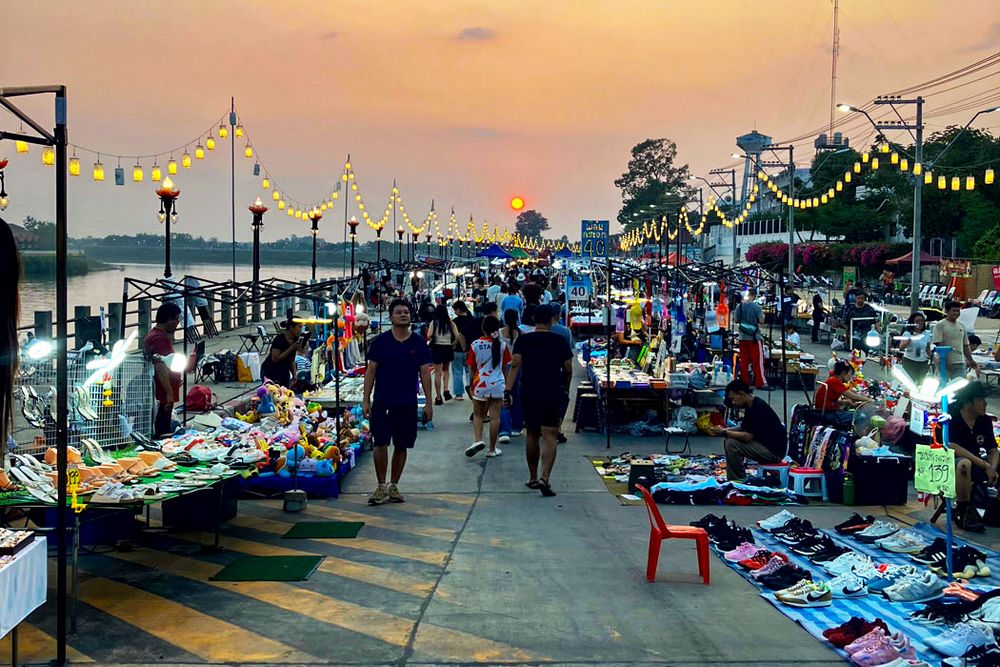
“It’s an installation to create the ‘vibe’ of the event. At the same time, I call the Holy Land Market a ‘fish trap’ (khong jap pla). One thing we wanted to do differently from previous events was to attract more local Ubon people. So, we chose the area in front of the Ubon Walking Street to create a space distinct from the regular market, placing performance art there to entice passersby. From there, we led them to the performances upstairs. Besides selling goods, the market had other functions; we had fortune tellers and amulets for sale, reflecting how people of that era used belief, faith, and religious concepts to mobilize. Credit for this goes to ‘Auan Land,’ who managed the market's concept.”
Ubon Agenda is Not the Property of One Person, But a Story of Many Voices
“I see each activity as having its own function, like dishes in a Chinese banquet served separately. But when they are all present, the experience is complete; they fulfill one another. Without the seminars and history tours, those participating in short story writing might lack information. Without the art and performances, participants might not see the diverse possibilities within the stories being told.”
Between Connection and Fragmentation
It seems each activity in this event doesn't provide a single answer. Did you intend for there to be "diverse voices"?
“Yes. Ubon Agenda is the Agenda of Ubon. You don’t have to be from Ubon, but the heart of it is the stories of Ubon. These stories are told through various lenses—locals, outsiders, artists from different disciplines, and academics from various fields. Philadelphia Bookstore might not only sell books about Ubon, but it is a local bookstore where many Ubon stories have unfolded. Or the Vietnamese-fusion restaurant the market team selected—it might not sound ‘Ubon,’ but isn’t Ubon full of Vietnamese food? At its core, one of the most important aspects of Ubon’s story is its ‘diversity.’”
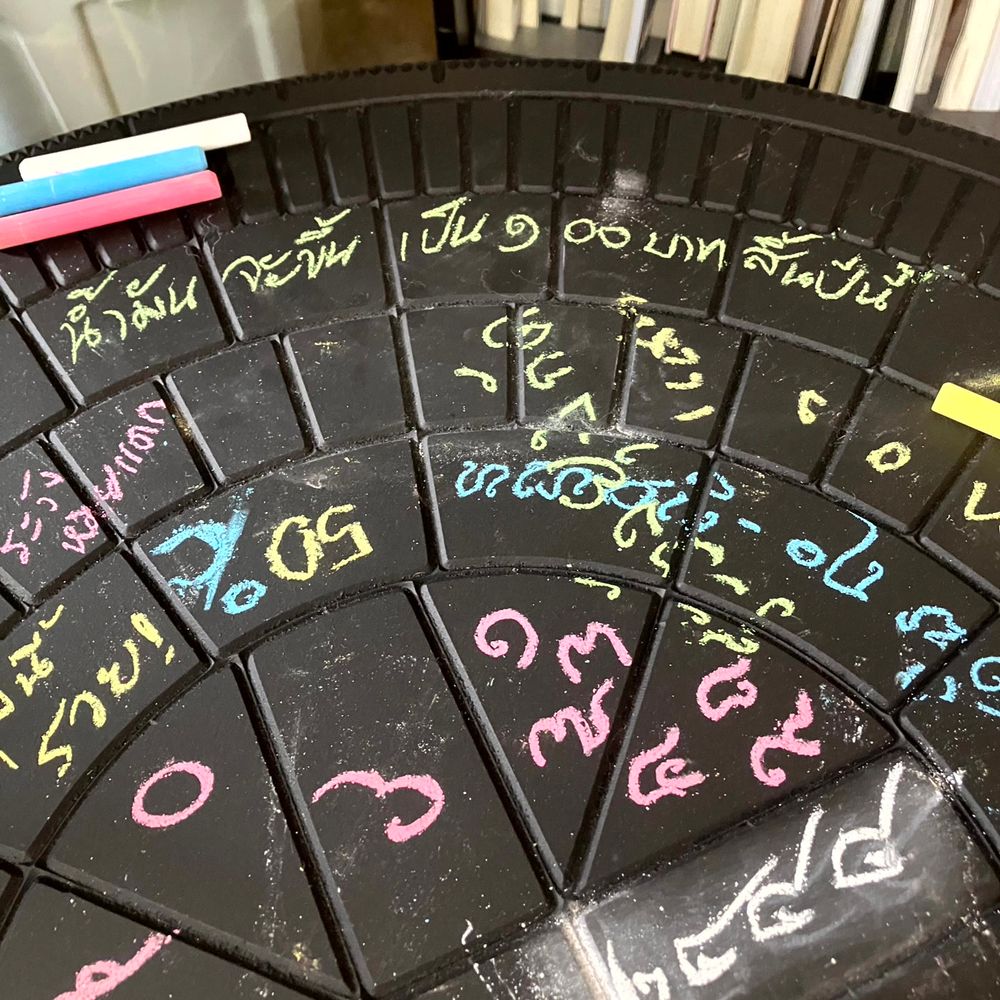
When a Festival is Not Just an Event, But the Creation of a Future
Did you want the audience to "connect" all activities together, or leave them independent for individual interpretation?
“Both are possible, as we grant the audience full freedom of thought.”
Whether Ghost or Demon, Their Duty is to Haunt Those Who Fear Them
Narasith mentioned that Ubon’s Phi Bun (Holy Men) are no different from the "Demons" (Peesard) in Seni Saowaphong’s work.
“The rebellions of that period didn't just happen in Isan; there were rebellions in other regions too. But comparing the Phi Bun event, I see it as more similar to the Red Shirt movement of 2010. Actually, Ajarn Saowanee mentioned this during this round of seminars as well, and I've shared that same thought for a long time: the Phi Bun were a gathering of ordinary commoners who simply wanted a better life, but were repeatedly oppressed, discriminated against, and ‘othered.’ That is why they united.”
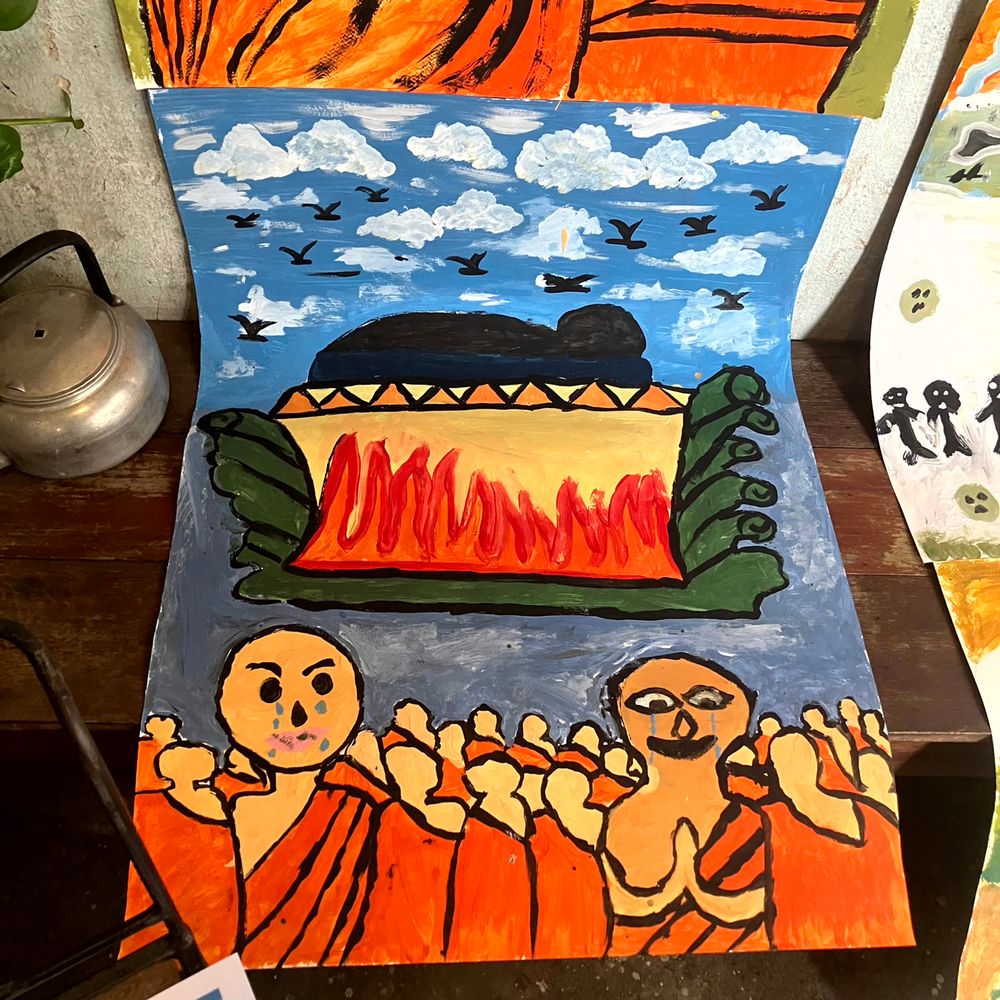
Why is the Desire for a Better Life Seen as Something Evil?
This question might seem a bit romantic, but imagining what the country would look like today if that resistance had succeeded is quite an interesting thought experiment.
“That’s very hard to answer because it didn't happen. We have no way of knowing how it would have turned out; it could have been different for better or for worse. However, what is more important in looking at this story is letting it serve as a lesson for our country—that such events should not happen again. Why is the desire for a better life viewed as something evil, whether by state power or even by those with differing views? We can disagree, but why must we view someone else's desire for a good life as evil or wrong? This is not the mindset of a democratic society, and it is what led to the Phi Bun movement, the Red Shirts, and the youth protests.”
Going Digital: Fusing Time and Agenda
“The team and I are looking into creating a website to serve as our archive. It will compile past works and provide a channel for others to contribute information. This might take time and funding; we’ll have to see if we can secure the resources. But if Ubon Agenda happens again in the future, I want you to come and see it in Ubon. Because it is the Ubon Agenda—it is the agenda of Ubon Ratchathani.”
Those who missed the event this year will have to follow photos and videos on the official Ubon Agenda page for now, until a permanent archive is established in the future.
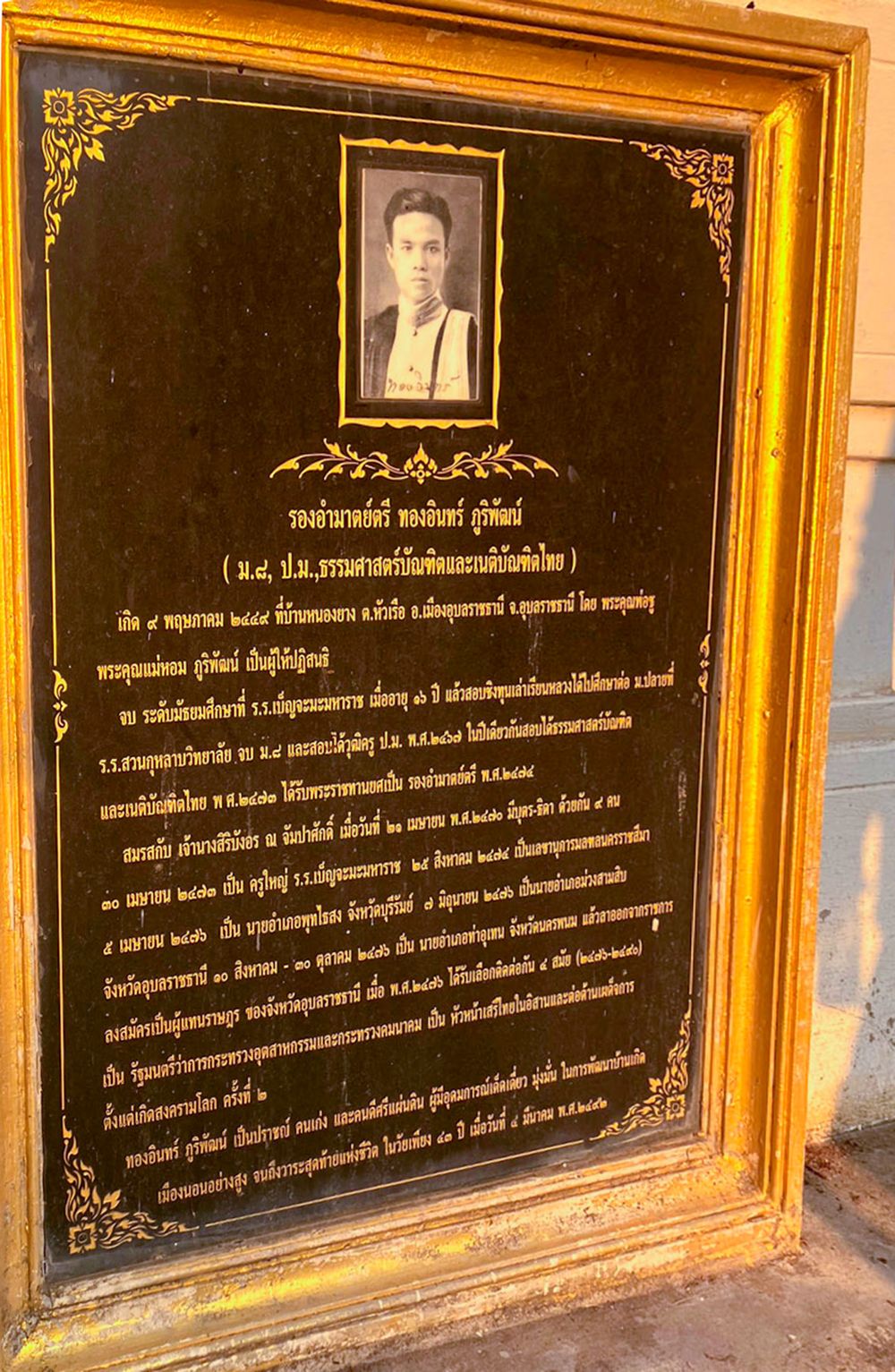
In truth, Ubon Agenda may not just be the agenda of Ubon Ratchathani, but an agenda for everyone and every place. It extends even to unjustified wars currently erupting, which also stem from the discourse of ‘othering’ to justify one’s own actions.
We hope this conversation serves as a compact epilogue that guides you through the concepts of the team and the many artists who came together to perform and communicate this core message directly to the just heart of everyone.
© 2025 Khaoyai Connect. All rights reserved.
No part of this content may be copied, modified, or distributed in any form without prior written permission.
