

When an Out-of-the-Box Life is the Answer to Sustainability
Opening "Suan NaiTay": Exploring Agritourism and the Evolution of Success
Even as war erupts on the other side of the world, its economic impact spreads globally because every country is interconnected in one way or another. Crude oil, in particular, remains a critical factor in determining the price of almost every consumer good. In the midst of such a crisis, our national leader suggested a way out: planting vegetables and raising chickens—returning to agriculture. There is no need to ask city dwellers if they can manage it; even those living in rural areas find it difficult due to numerous limitations.
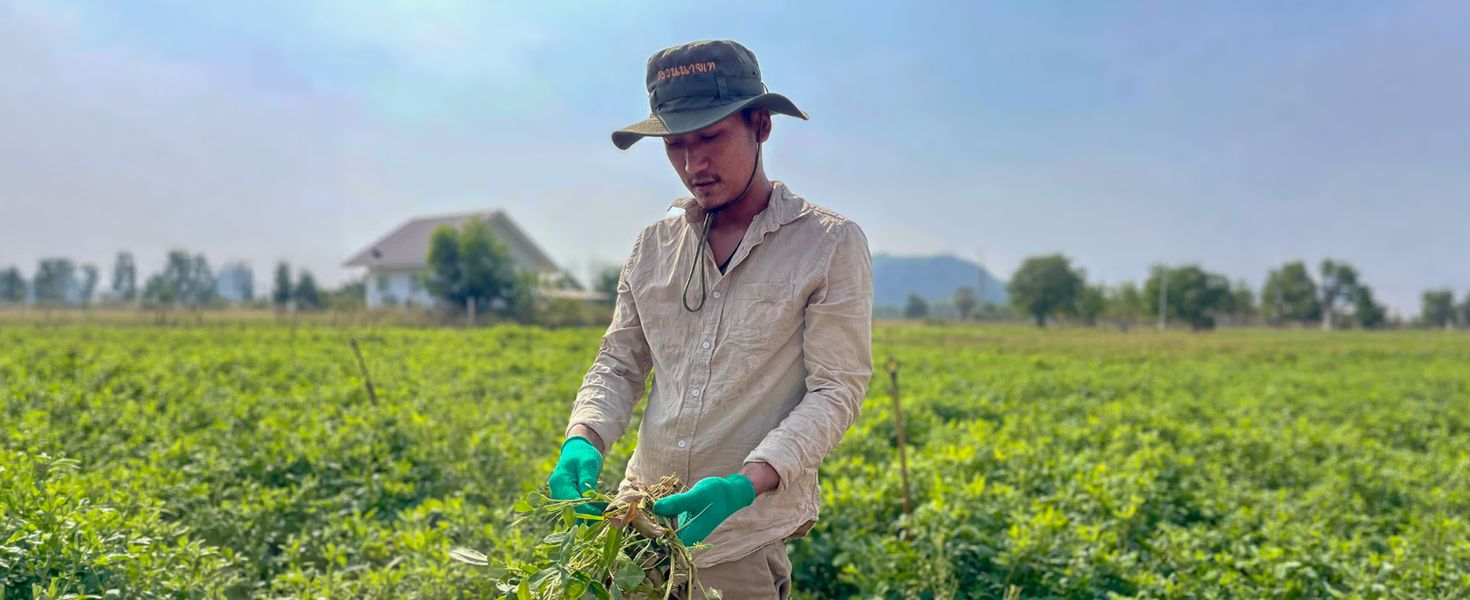
However, because alternative agriculture is a topic our team has long been interested in, we decided to respond to the leader’s suggestion. We wanted to understand the lifestyle of "out-of-the-box" farmers: Can they really survive? What do they gain? Can they get rich? And how do they do it? To find out, we traveled to meet Khun Tay—Tawin Chanthawong and his partner, Khun Palm—Nanthawadi Saiyut, the owners of Suan NaiTay (Tay’s Garden) in Pak Nam Pran, Prachuap Khiri Khan.
1. From the Sea to Reality
In a world where the winds and waves never stop, a child grew up with lessons not found in textbooks—lessons of waiting, observation, and uncertainty.
“I was born and raised here,” Tay began simply.
His earliest memories weren't of a house, but of being in the middle of the ocean. At just three years old, he was taken aboard his parents' boat because there was no one else at home.
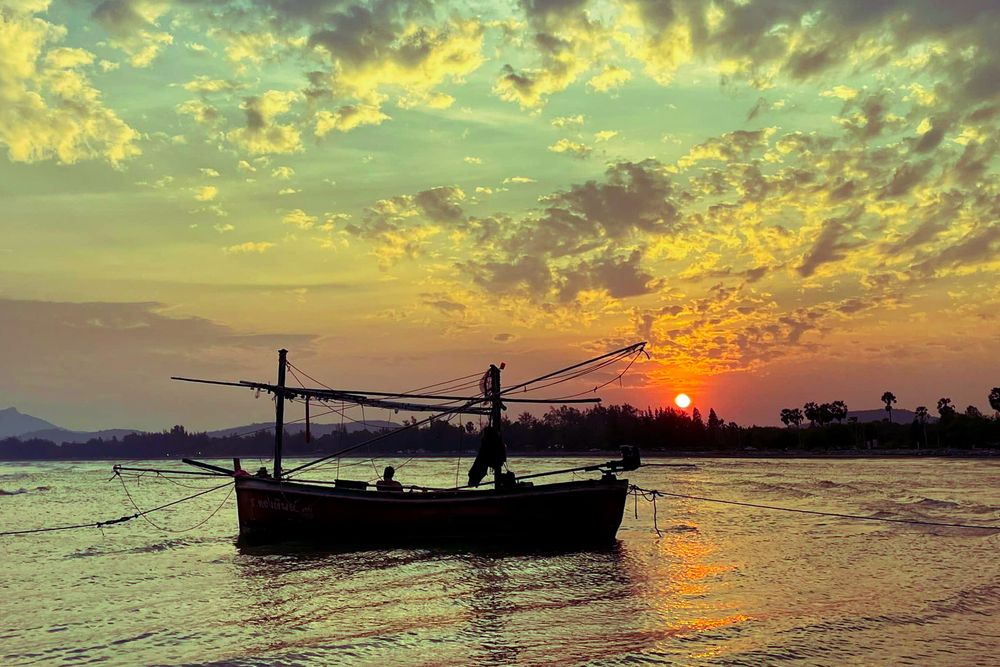
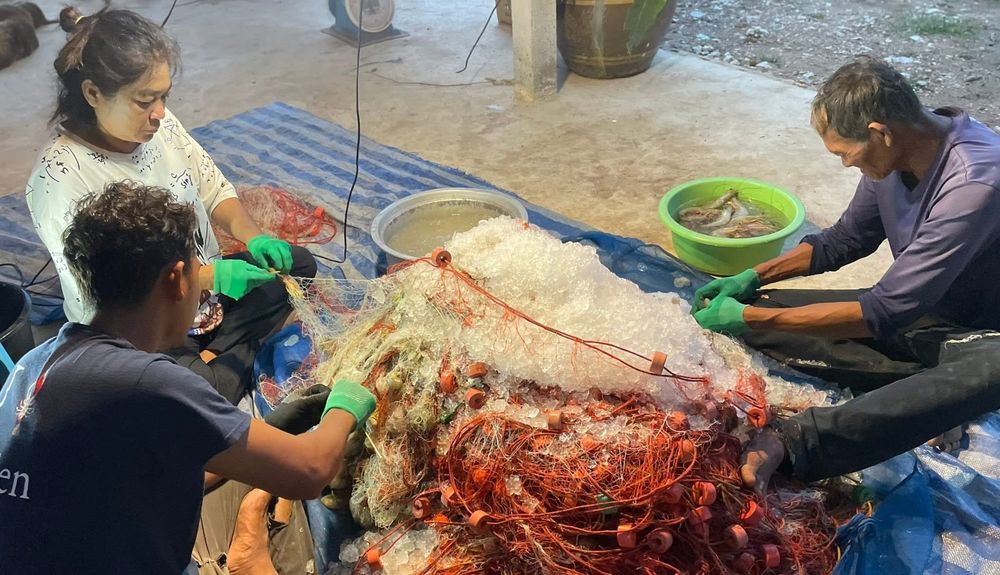
“I would head out to set nets along the shore from dawn. By mid-morning, I’d be woken up to help drive the fish. Scars on my hands from the nets were normal, as was learning that the tides aren't just a natural phenomenon, but a 'rhythm of life' you have to read correctly.
Our family primarily caught squid. Around March, we’d get crab, but by April, they’d start to disappear. Each season for a fisherman is tied to different aquatic animals in a continuous cycle.
I was born in November, a time when we didn't eat very well because it was monsoon season; we caught almost nothing. My older sister, born in March, had it much better—food was incredibly abundant.
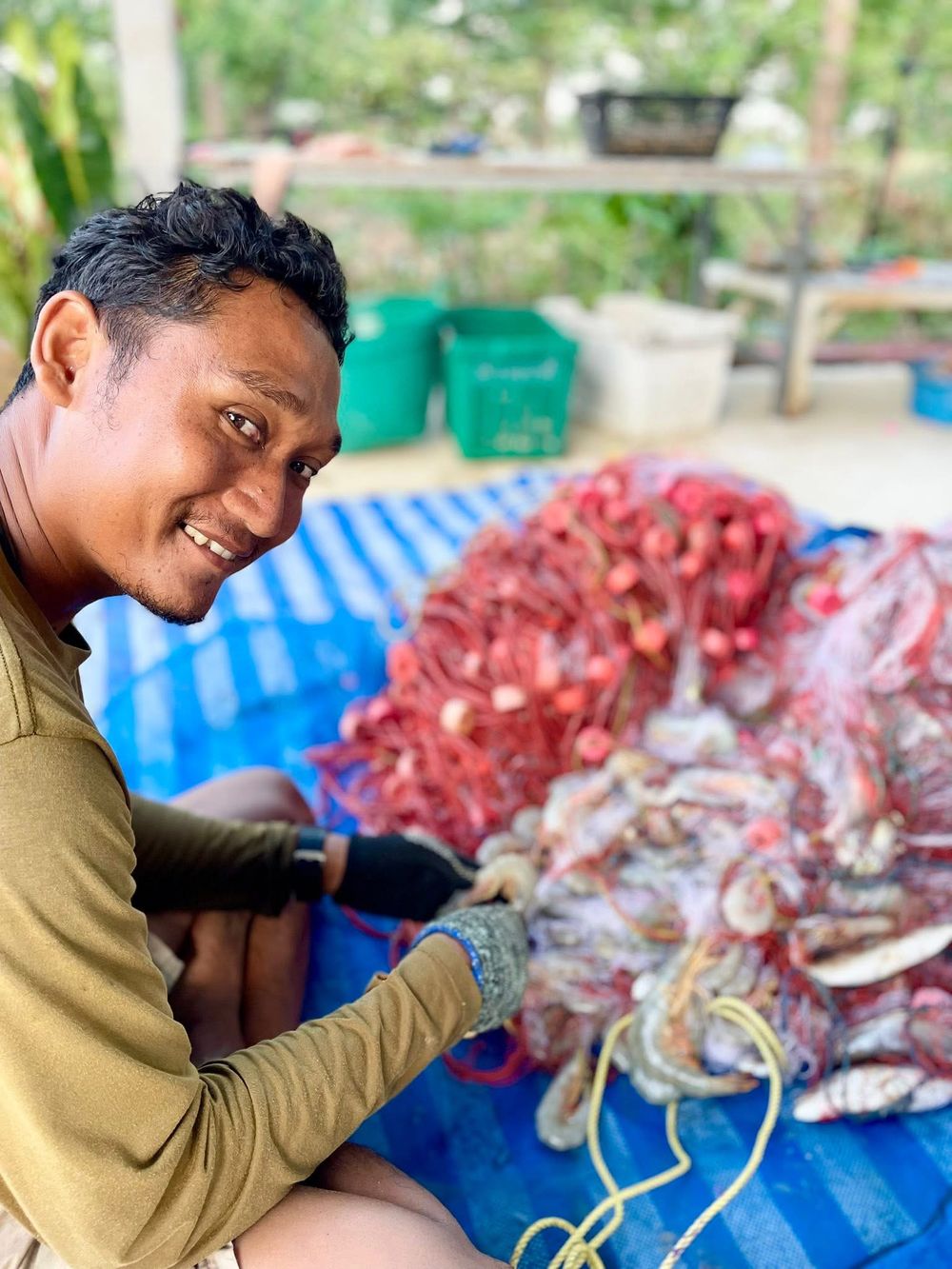
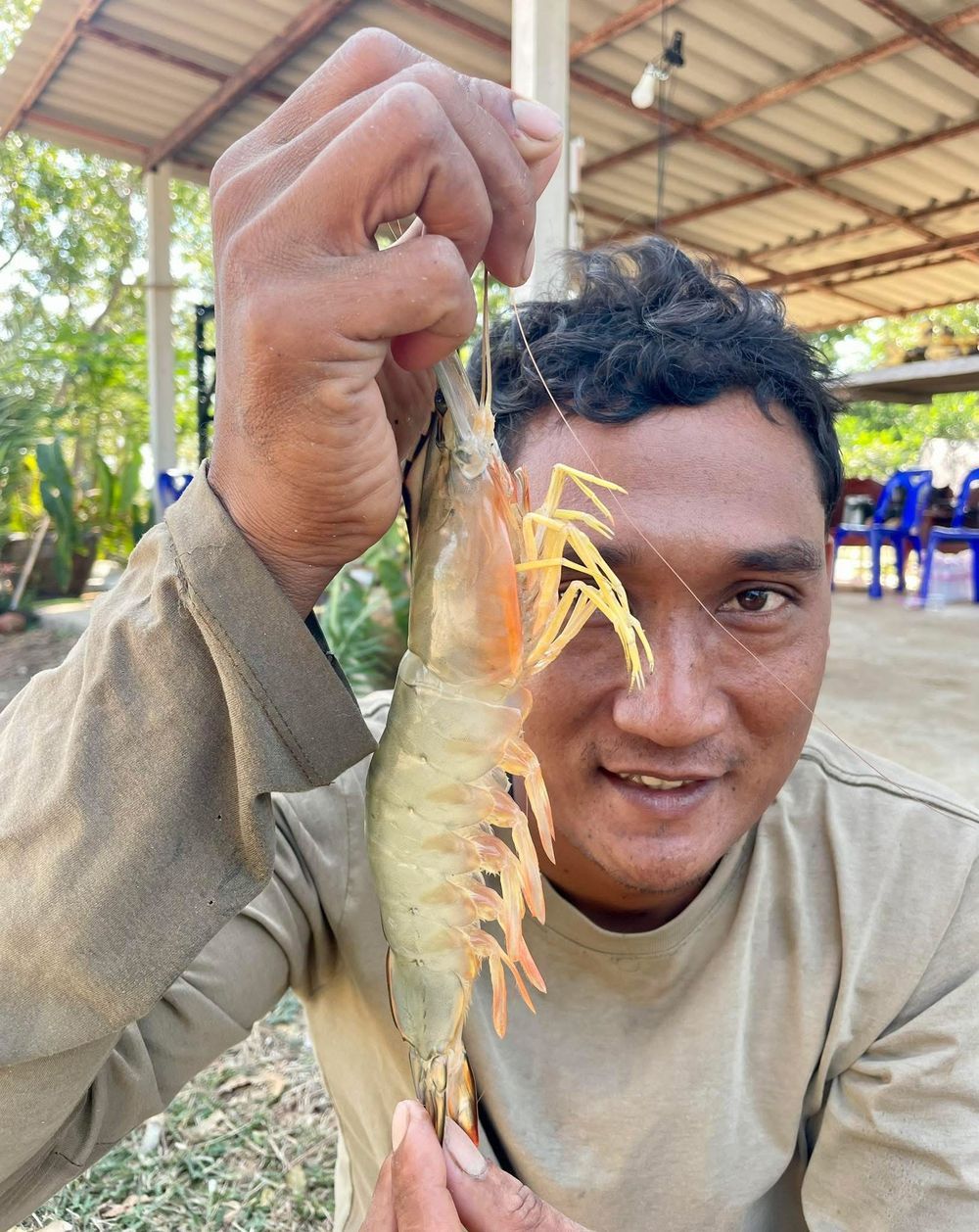
I became an expert at casting shrimp nets, which required constant competition. You had to know exactly where the shrimp were. You’d wait for the tide to go out and then release the net. It would drift at an angle to cover the school of shrimp, and the lead weights at the end of the net would hit the shrimp. They’d get startled and flick themselves up into the mesh. If you cast the net when the water was still, it would sink straight down into the sand, and you’d end up with thorny shells stuck in the net, wasting time picking them out.
As a kid, my hands were covered in scars from the nets. When you have a wound at sea, it heals slowly. But if you have a wound from the shore and you dip it in seawater, it heals fast. For example, if you have a festering sore or a long-standing wound that won't go away, soaking it in the sea gives it a high chance of healing. It dries the wound and disinfects it.
Because I grew up with my grandfather, I also learned 'shoreline foraging.' I had my own shoreline net. When you see people standing on the beach holding a net, that’s called a 'shoreline net.' Whenever we’d go out on the boat and come back with nothing, I’d grab my net and head to the beach. After a little while, I’d have enough for a meal.”
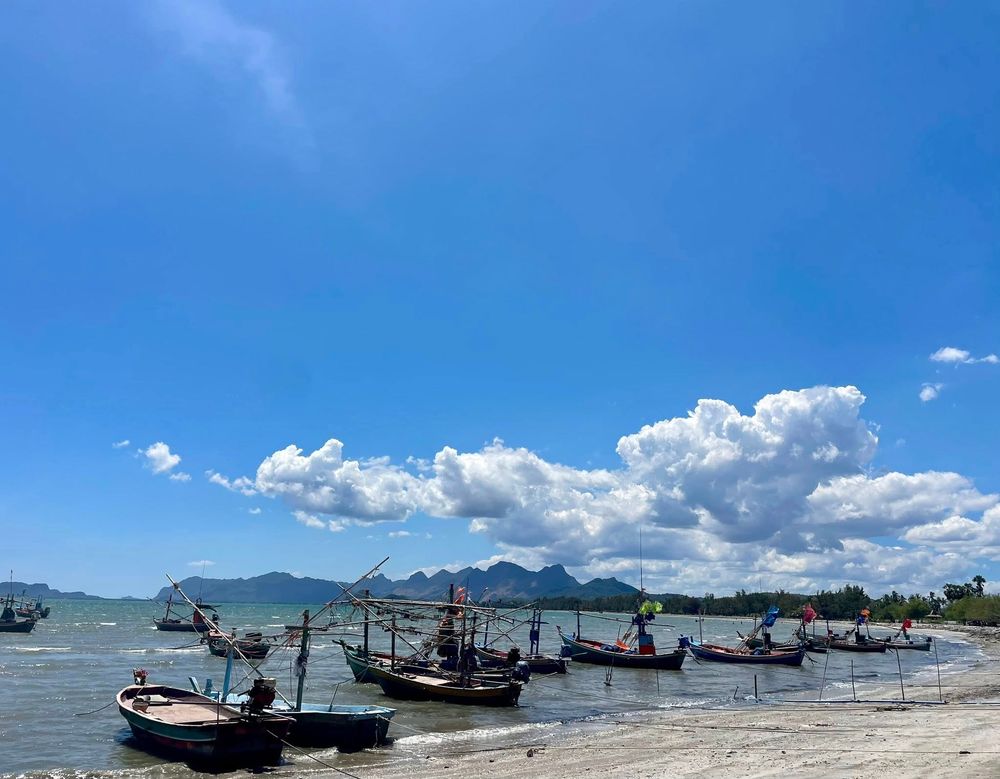
2. When the Sea Changed
When technology replaced instinct, the sea was no longer the same place.
From the days of using mountains, trees, or radar towers as coordinates, today’s applications allow everyone to access "fish spots" equally. But that convenience has come at the cost of scarcity.
“In the old days, one boat could catch a massive school of fish. Nowadays, ten boats can barely catch a few.”
The sea that once fed the entire community is gradually falling silent.
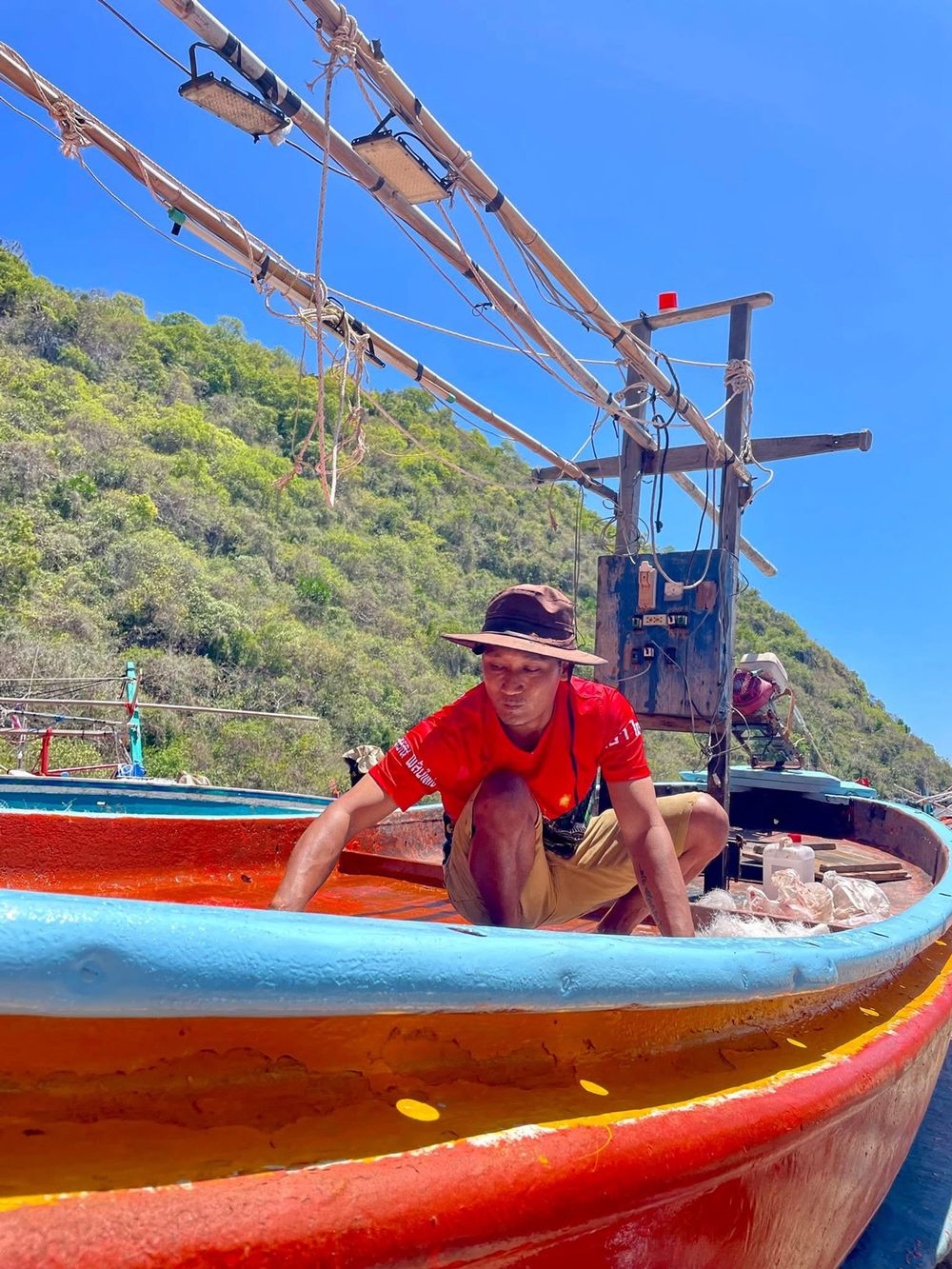
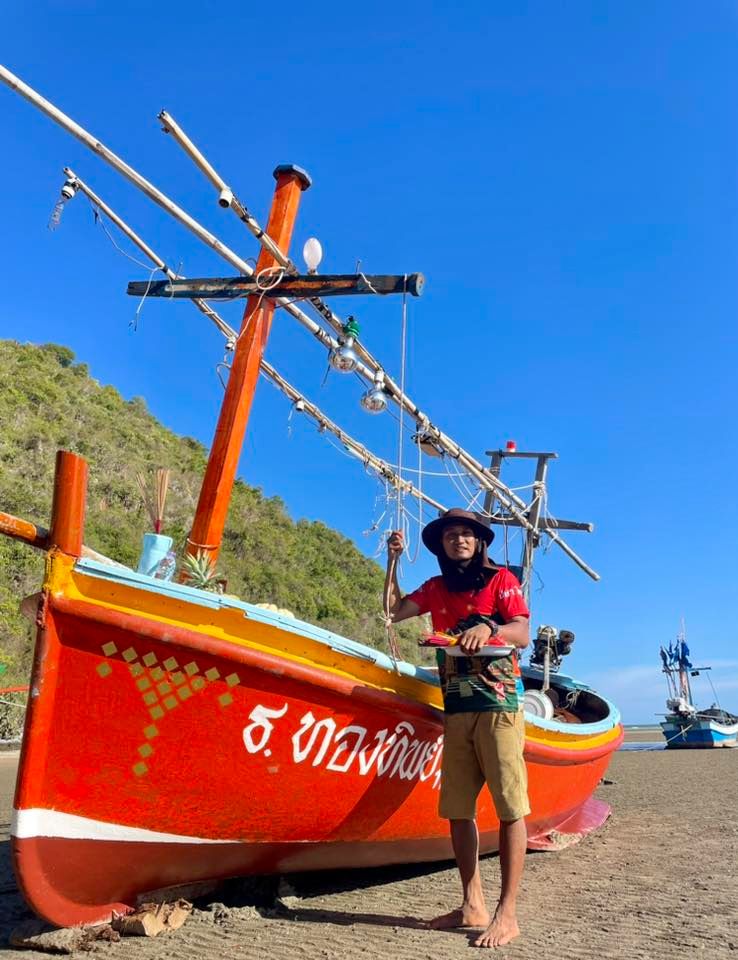
“My father used to have many boats—wooden boats, locally built boats, traditional Thai crafts. Now, only one remains. It’s an 'evacuation boat' used for rescue when larger ships sink because it’s designed not to go down; it can flip, but it won't sink. My father found an engine and modified it into a fishing boat. When we went out, there would be about three of us. During my high school years, we started having clam dredgers, and there was so much squid. My father built a new boat every year. We went from having two boats to six. The money was great—we’d average 100,000 baht per boat per day. Everyone rushed to build boats.
In the past, there was nothing to guide you at sea. We had to observe the landscape—the mountains, the trees, the radar towers. We used those as coordinates for anchoring or casting nets, much like how they use lighthouses abroad. In Thailand, we used the river mouth markers. But now, there are apps. Just 5 to 7 years ago, we didn't have them. Now, things are harder to find. With the apps, it’s easy to pinpoint exactly where to cast the nets. Since everyone has the same data, the marine resources have dwindled significantly. In the past, one boat could catch a huge haul, but today, ten boats might catch only three fish. The sea is uncertainty. You can never specify what you’ll get or predict the quantity. Everyone in this neighborhood used to own a boat, but now, almost everyone has sold them.”
3. Life’s Crossroads
Sometimes, dreams don't take us to our destination, but lead us to something that fits even better.
“Toward the end of high school, my workload decreased because my father started hiring employees. I used that time to prepare for the police academy entrance exam; I wanted to be in uniform. By the time I was in Grade 12 (M.6), the fishing industry started to slump. My father began selling off the boats. I told him to keep just one—the one we have now. Boats have annual expenses; if you don't use them, things just keep breaking.”
From the dream of wearing a uniform, he pivoted to agricultural science because it was something he already enjoyed. Fortunately, a neighbor who acted as a mentor and advisor encouraged him to apply to the Faculty of Agriculture at Phetchaburi Rajabhat University. This provided him with a comprehensive knowledge of agriculture across all branches.
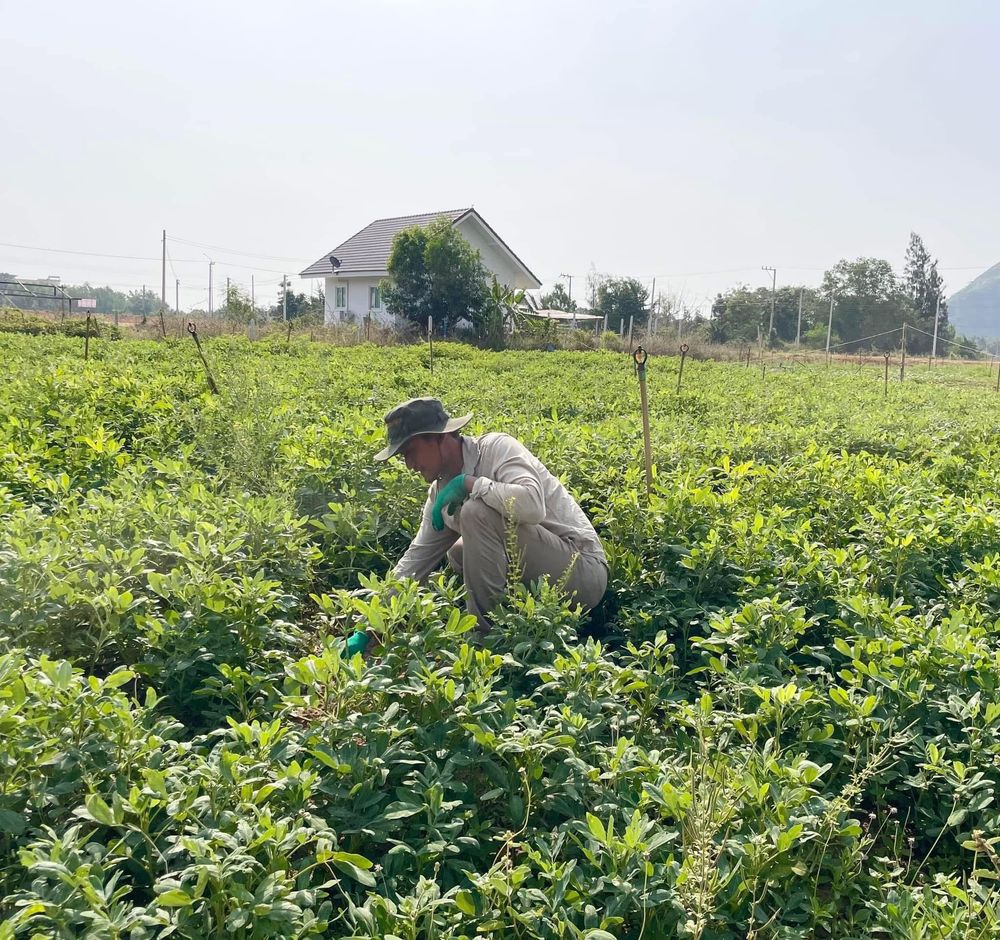
“Not long before graduating, I started looking for ways to actually do farming. Luckily, my family already had land, so I started planting Moringa (drumstick tree) from seeds my uncle gave me.”
4. Lessons from Moringa
Moringa once provided his primary income, growing from a few thousand baht a week to tens of thousands. But when everyone else followed suit and started planting it, the market stagnated.
“When it was good, it was very good. But when it was gone, it was gone.”
That lesson didn't stop him; instead, it taught him to always "look for an exit strategy."
“I was already thinking about what to do after university, so I planted about 20 Moringa trees when I was in my junior year. By the time I graduated and was waiting for my official results, I could already harvest them. At first, I thought there was no market, but it turns out people in the South love it. I set a goal: if I couldn't make it work in two years, I’d find a job. I harvested Moringa from an area of less than 400 square meters and made 2,000 baht a week. So, I expanded the area to 3 rai (approx. 1.2 acres). Moringa produces all year round. My average income was 7,000 baht a week. Back then, I wasn't doing organic; I was still using pesticides. Some weeks I made over ten thousand. In one year, I had 200,000 to 300,000 baht left over. Eventually, people started copying me. Before the slump, there was a huge 'Moringa medicine' craze, and buyers from China came to buy in bulk. I sold a lot of seeds. But then the market went quiet and eventually disappeared. During that time, I was ordained as a monk and left the Moringa for my mother to manage. When I left the monkhood, I returned to Moringa for a while, but the market really had stagnated. So, I looked for an exit. I turned to planting purple sweet potatoes and beans, and I went back to repair the boat we had kept. That was when I started talking to her (pointing toward his wife).”
5. When I Married a Fisherman
Palm grew up in a family that wasn't struggling; her only duty was to study. She chose to study Food Science before entering the world of industrial factories. Life in "the system" made her tougher, but it came at a hidden cost of exhaustion. Her seemingly stable life hid quiet questions.
Palm is from Kui Buri, Prachuap Khiri Khan. She was the youngest child by a wide margin—16 years younger than her eldest sibling, 12 years younger than the middle child, and 8 years younger than the next closest. Consequently, her life wasn't very difficult; her siblings looked after her, and her parents doted on her. When she was born, her father was a shrimp farmer, which provided a good income. As a child, Palm was polite and shy, and her childhood was unremarkable. When she was finishing high school, her guidance counselor encouraged high-achieving students to study Food Science, promising a guaranteed future since Thailand focuses heavily on the food industry.
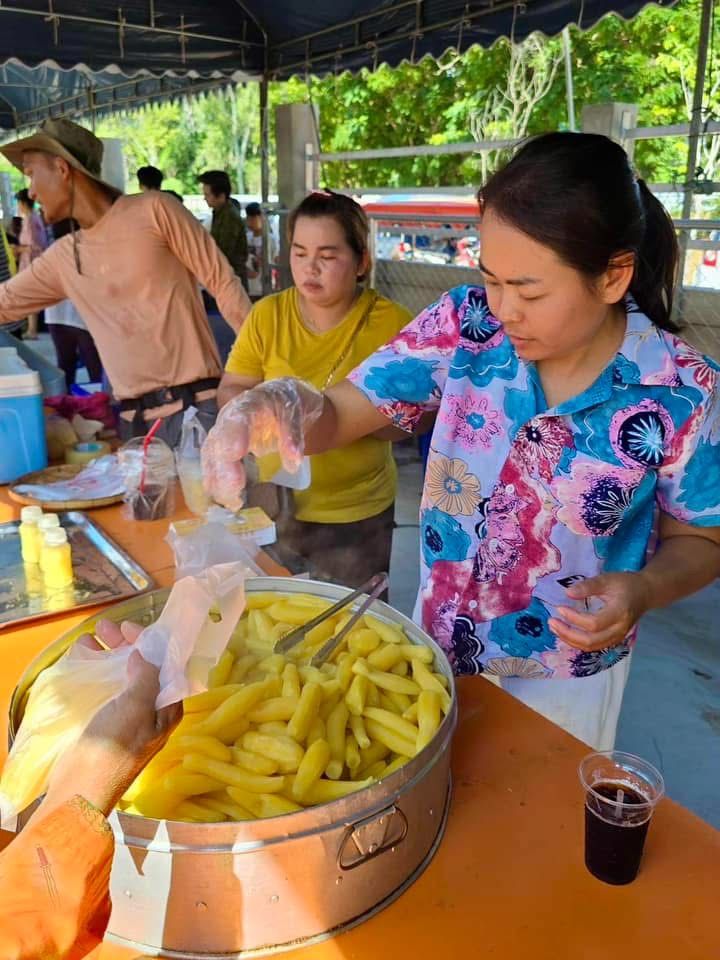
“So, I chose Food Science. I had to go to Thammasat University (Rangsit). Even though it was far from home, I didn't get distracted by the city lights. I graduated on time because Rangsit back then didn't have many distractions. The fanciest place was Future Park.”
After graduating in 2011, Palm went on a Work and Travel program in the United States. She worked as a migrant laborer in a chocolate factory. A bus would pick them up from their housing in the early hours of the morning. On weekends, they’d rent a car to visit other states. She worked for three months; the income was high, but it didn't cover the expenses because the rent was expensive, and they traveled everywhere.
“It was like the world opened up for me. From a kid who rarely traveled, I started to love the journey.”
Upon her return, she landed a job as a product developer for ready-to-eat meals sold in convenience stores. However, a major flood occurred, and she had to wait until December for the water to recede before starting her career. She used the knowledge she had learned, but she didn't know much about the actual work processes and had to adapt significantly. She was even tested by subordinates who were older than her.
“From a polite person, I had to start arguing with subordinates and then go cry in the office.”
It seemed their lives were headed in opposite directions. So, what brought them together?
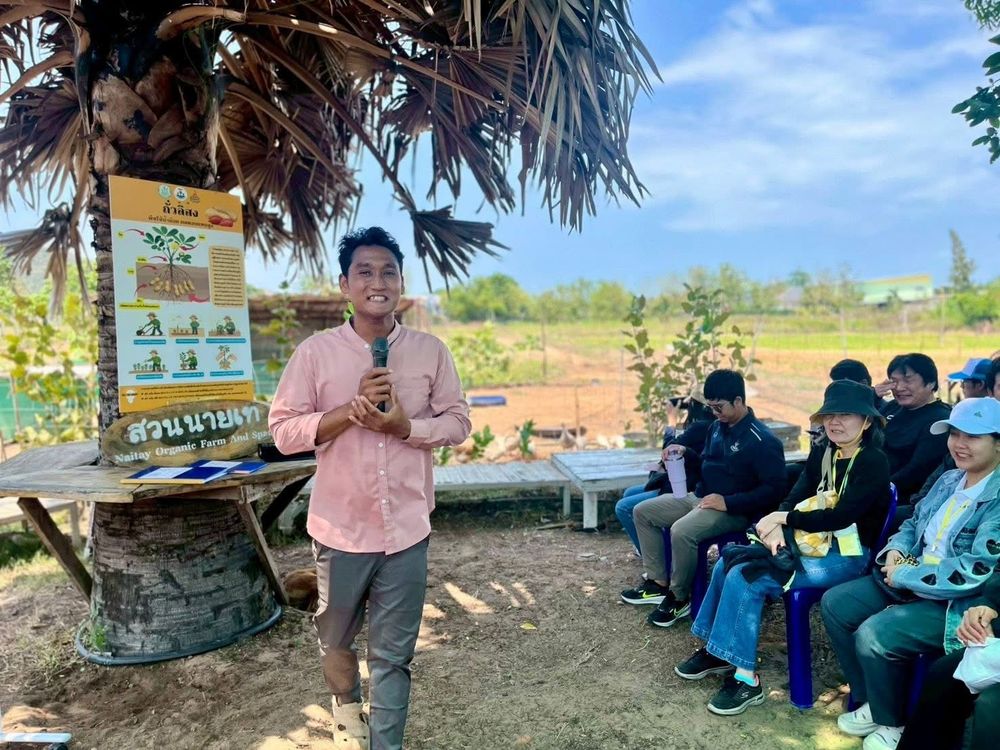
6. The Intersection of Two Paths
Some relationships begin by chance but grow through intention.
After returning from the US, Palm intended to travel abroad at least once a year, focusing on neighboring countries like Laos, Cambodia, and Malaysia. But one year, she organized a trip to donate items in Omkoi District, Chiang Mai. This was where she met Tay, who was a friend of a friend.
“Our houses were so close, but we’d never met. I had intended to find a girlfriend after my ordination. A friend invited me to Chiang Mai, and I thought I’d find a girl from the North. In the end, I got someone from my own neighborhood,” Tay said, sparking laughter from everyone.
Not long after the Chiang Mai trip, the two began dating.
When something new enters your life, it’s only natural to say goodbye to the old.
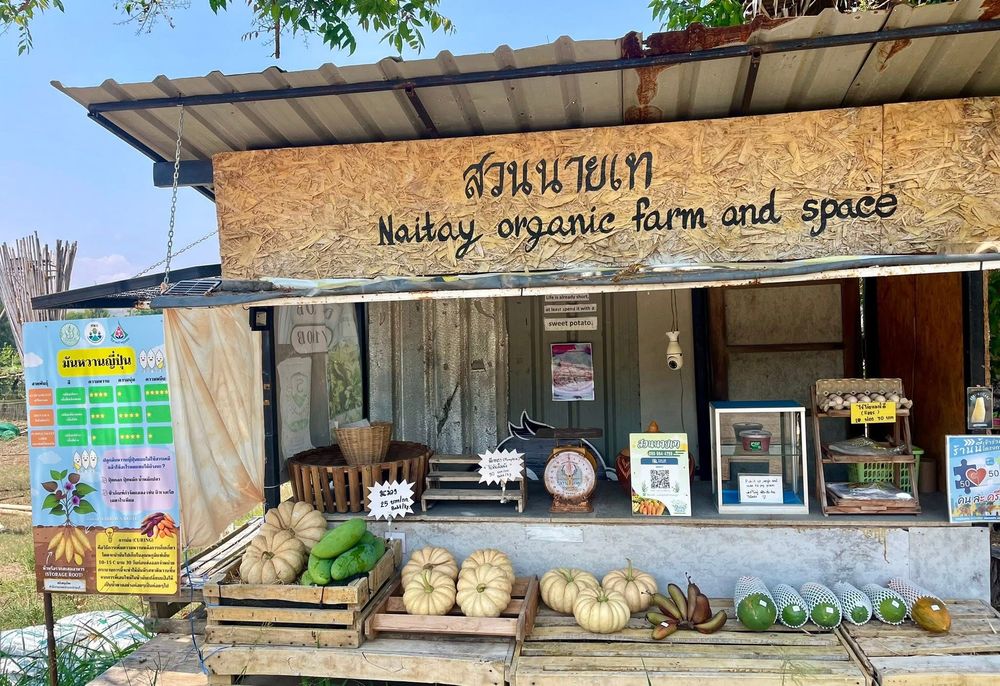
7. When Married Life is a New Beginning
Choosing to live together means choosing a future together.
After getting married, Palm decided to leave her regular job. She transitioned from a consistent monthly salary to an income dependent on the seasons.
“Ever since I graduated, I had worked constantly. I only rarely went home. Whenever I did, I saw my parents getting older. My workplace also started having internal issues due to a change in management, and I had to adjust to a new boss with a different style. At the time, I thought I’d take a six-month break. Tay invited me to get married in early 2022. After the wedding, my old company called me back to work. This time, I signed a three-month contract. Meanwhile, he worked the fields and did fishing. When the contract ended, I was unemployed again. I started to feel uneasy about not having an income. Fortuitously, near the end of the year, Young Smart Farmer—a project by the Department of Agricultural Extension to develop new-generation farmers—opened for applications, so I had the opportunity to join.”
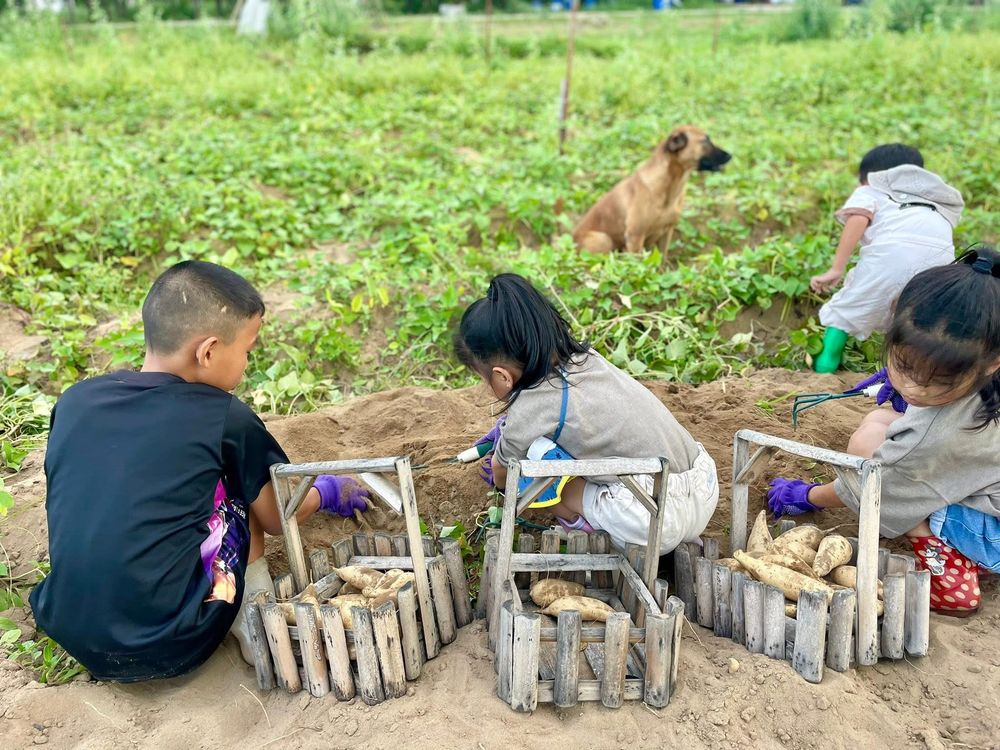
The Young Smart Farmer project created a massive network for the couple. Before joining, it was difficult to access seeds or saplings. Being part of the project allowed them to call the provincial or district agricultural officers directly to ask for advice or request products distributed to farmers, such as fermented bio-fertilizers and molasses. They could also access other government agencies like the Land Development Department and the Community Development Department.
“They have quotas for everything, like Sunn Hemp (Puo Thueng) for soil improvement, and LDD activators No. 11 and 13,” Tay added.
“Before, we couldn't access this information. But as Young Smart Farmers, there are people sending news about this year's budget for various projects, and we can write a proposal to request support,” Palm confirmed.
After the training, they were left with a challenge: how to make their produce sell well and at a good price. As young-generation farmers, they didn't want to just grow crops and sell them to middlemen; doing that wouldn't feel like any real development or solve old problems.
8. When One Door Closes, Another Always Opens
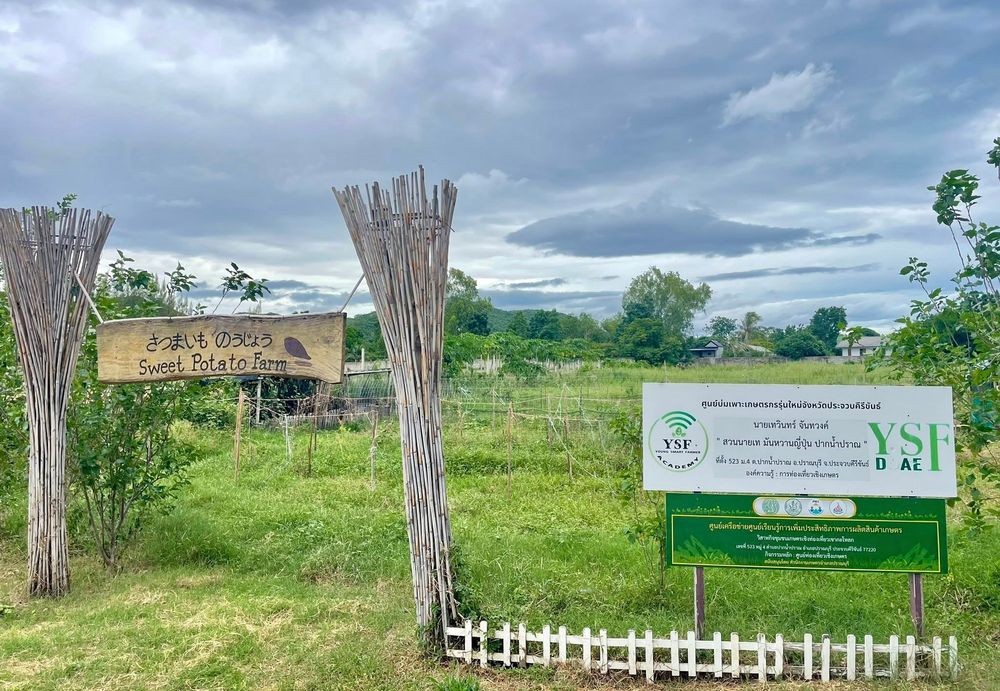
A head of sweet potato left forgotten became the starting point for everything. Its taste was "better than expected," sparking questions. From researching data to creating a unique selling point, it eventually became a "garden" where people travel to dig up sweet potatoes themselves.
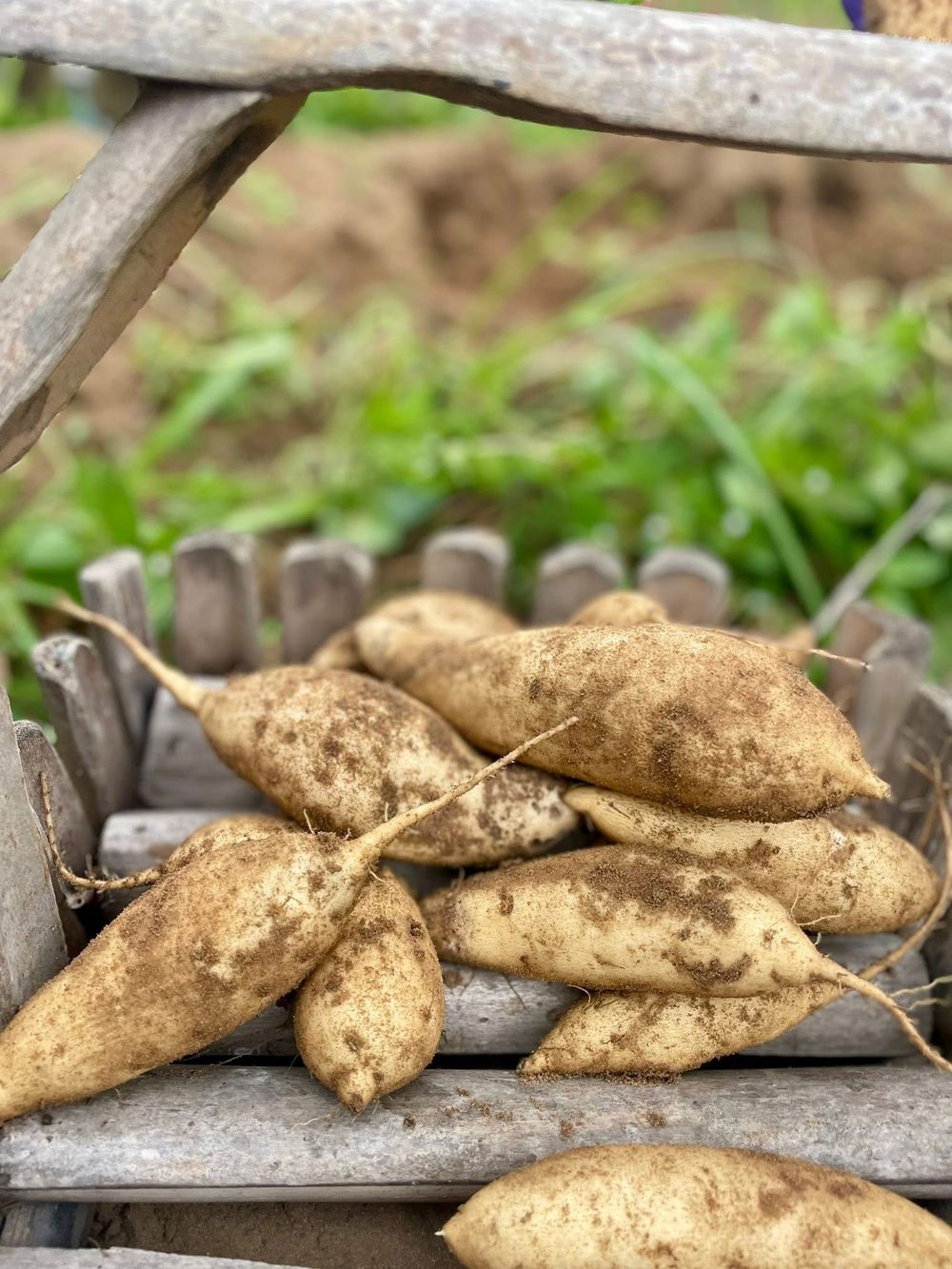
“Before we got married, I planted purple sweet potatoes. The price dropped so much I had to beg people to buy them. Then, a new variety was becoming popular—people called it the 'Japanese White Radish' variety. I searched for its actual name and fo
By then, we had und it was Kuri Kogane. You could say I’m the reason everyone started using this name.
started using fewer chemicals, though we still sprayed for worms occasionally. We talked about opening the garden to make it known. We received help in inviting the District Chief to preside over the opening ceremony.”
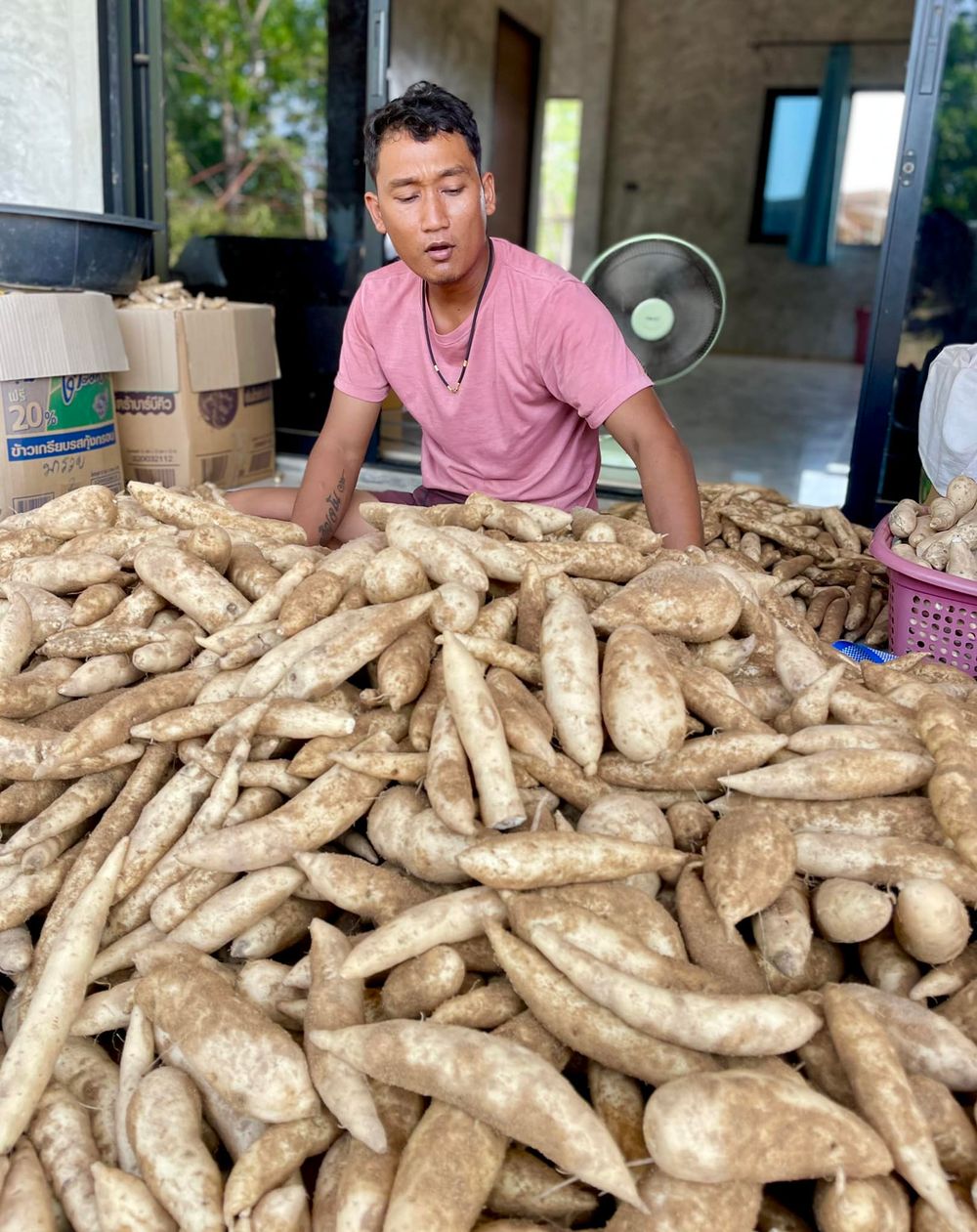
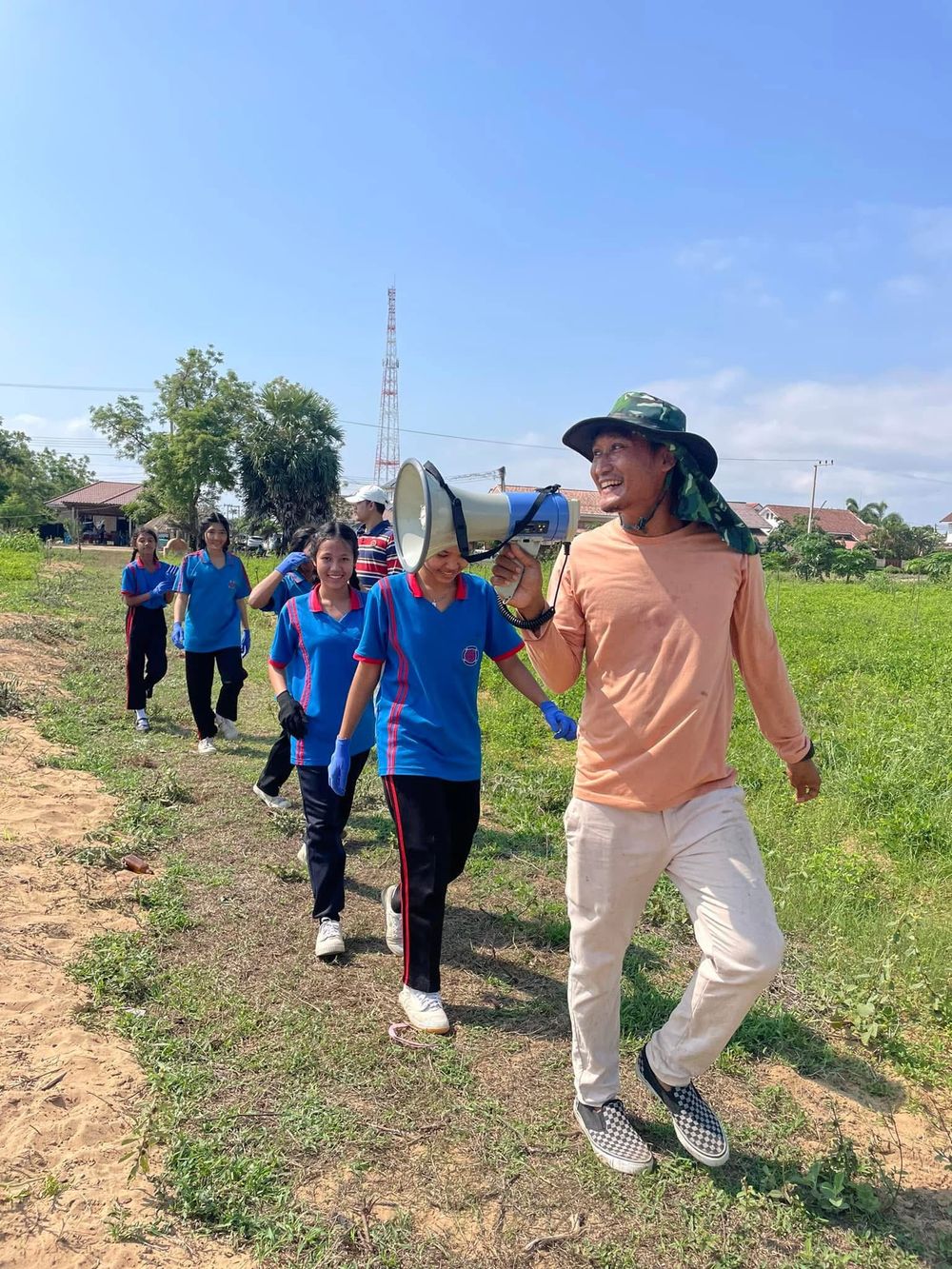
“We knew the district agricultural officer, and when we invited them, they invited the District Chief for us. His name was Preeda Sukchai. He’s now the Deputy Governor of Prachuap Khiri Khan. When the District Chief came, the press came too, which made our garden more widely known. That was around 2023. We didn't even have a Facebook page yet. At the time, no one was doing what we were—allowing people to dig their own sweet potatoes in the garden and selling produce at the front.”
“The District Chief recommended we switch to organic farming because we were already using very few chemicals. Suan NaiTay immediately took the suggestion. However, going 100% organic 'cold turkey' caused our yields to continuously drop. At first, it was okay because there was still chemical fertilizer left in the soil. But management and costs all increased. We adjusted our plan by rotating beans with sweet potatoes. Yields improved, and later, we were able to obtain organic certification for our beans, sweet potatoes, and watermelons.”
Farming isn't a fixed formula; it’s an endless experiment. From reducing chemicals to using nature to manage nature—earwigs, microbes, or even chicken coops—everything became part of the system.
“The yield might be less, but we can control the quality.”
And that brought them a different kind of customer.
“Before we got married, there was a project we invested in together: planting Butterfly Pea. The person who sold us the saplings said they’d buy the produce back. But that project failed because the requirements were too finicky. The buyer would check if the quality met their standards—if the color was too faded, if it was too dry, or if there was mold—they’d reject it. I started getting bored with that.
Then, I had a sweet potato head that I had asked for from a farm where I got the vines for planting, but I hadn't tasted it yet. I left it lying around until I forgot about it. One day, looking for something sweet after a meal, I saw this head. I wrapped it in foil and tossed it into the charcoal stove I used to boil rice for the pigs. The fire was dying down, so I just threw it in. After finishing my meal, I took it out. The color was beautiful, and the flesh was moist and looked delicious.”
That sweet potato was unexpectedly sweet, similar to Japanese varieties. Upon further research, they found this white-skinned variety was called Kuri Kogane. The longer it’s left after harvest, the sweeter it gets, whereas Thai varieties don't get sweeter and become stringy over time.
“So, we had a selling point, plus our low chemical use. People started coming to our garden.”
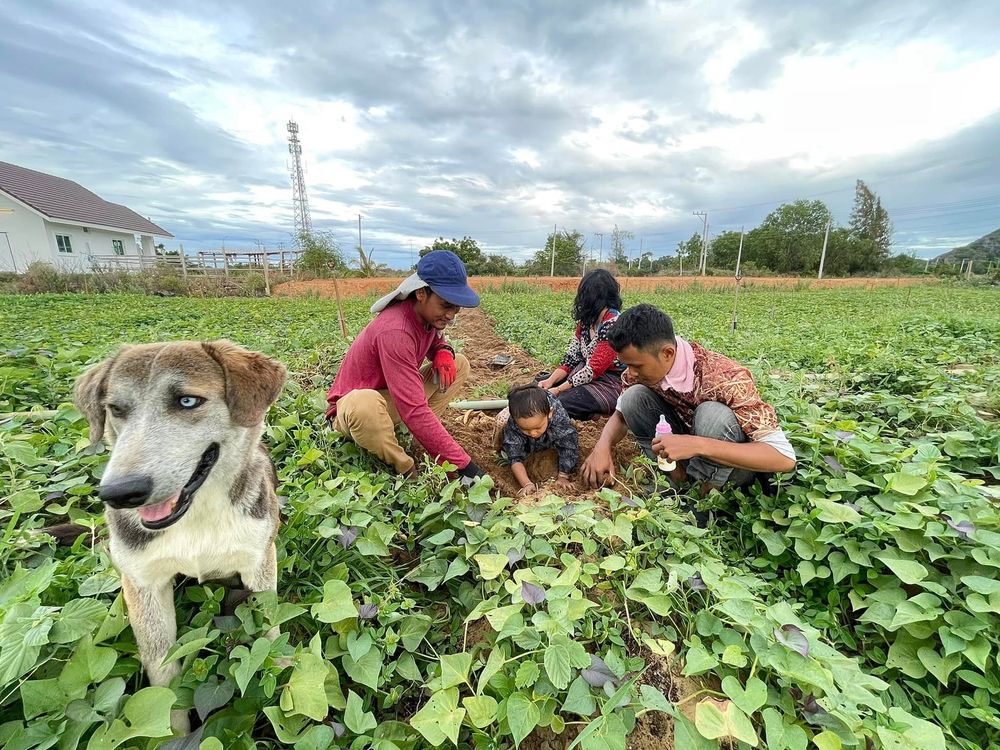
Once the garden opened, the produce sold very well. Newspapers and TV shows visited because no one nearby was doing agritourism like this. It coincided with the time COVID-19 was subsiding, and people were starting to travel. When they set up a shop in front of the garden, people flocked there because they wanted produce directly from the source.
“I got the inspiration from a Japanese video of a shop in front of a farm with a dog sitting and guarding it, and a QR code for people to scan and pay. So, I did that at our garden. For those who prefer cash, we have a can for the money,” Tay said, explaining the start of their agritourism venture.
9. Organic Farming: Less Yield, More Work, but Peace of Mind and Willing Customers
Agritourism could sustain the garden and the couple, but it couldn't cover the entire family, so Tay still had to continue fishing alongside farming.
However, work that relies on labor is risky because, one day, workers might leave. From a nearly perfect setup where someone guarded the garden while Tay went to sea, it turned into Tay having to do both himself when his employee resigned. With his hands full on both fronts, productivity declined.
“The income from fishing is what we save for debt repayment or large investments. But the money from the garden is for daily living expenses. Although our sweet potato yield isn't large, it fetches a good price. We can process the produce and sell it online. Not many cars pass through this area, but if a luxury car pulls up, we know exactly who our customer is,” Palm explained about the time they had to do everything themselves.
Choosing full organic farming meant paying more attention to detail, specifically letting nature manage itself, especially regarding pests.
“We raise earwigs. They eat pests—eggs and small insects. They hide in the soil. And we have to be precise with the harvest. Sweet potatoes have a clear maturity date; if we harvest on time, the insects won't have a chance to bother them,” Tay explained regarding natural pest management.
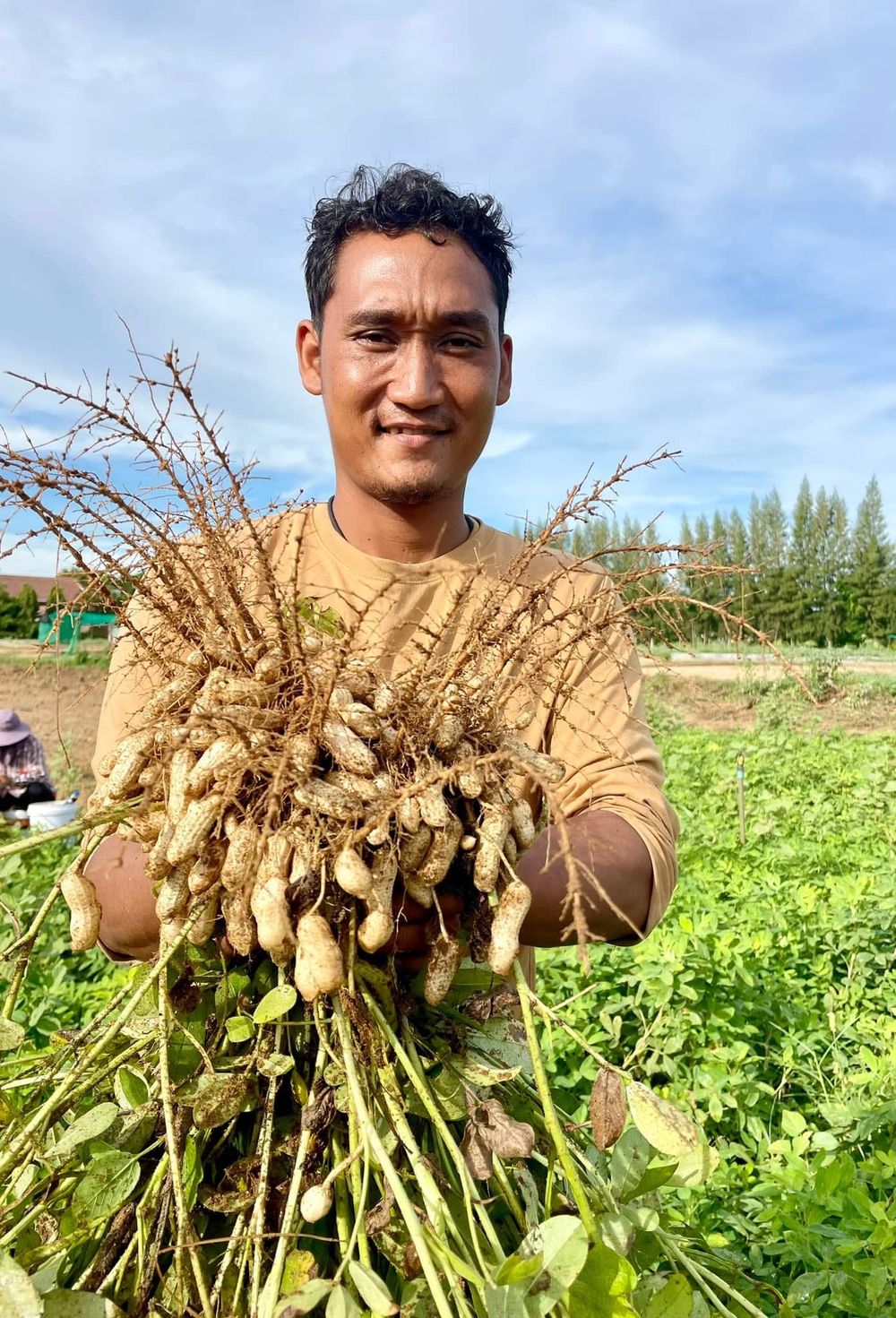
Even before they were married, Tay grew one rai of beans and got a ton of produce. He barely used fertilizer or water, yet the yield was excellent. One pod had five beans, meaning the plot was very fertile. The reason was its proximity to a catfish pond; the water from the pond seeped through, providing excellent nutrients for the soil.
“By not using chemicals, we get customers with high purchasing power. They buy easily. Although this customer group isn't large, we can set the price. So, we’ve used this method of planting ever since,” Palm added.
In the early stages of going fully organic, they requested LDD activators from the Department of Land Development, which were distributed for free. (LDD activators are high-performance microbes selected for agriculture to help decompose compost, make bio-fertilizers, improve soil, and control diseases/pests).
“The LDD activators from the department need to be mixed and fermented, which takes a long time. Nowadays, there are companies that sell them ready-mixed. These are fungi like Trichoderma and BS (Bacillus subtilis). They come in a dry form that can be mixed with water and used immediately,” Palm added with the precision of someone who is no longer an office worker.
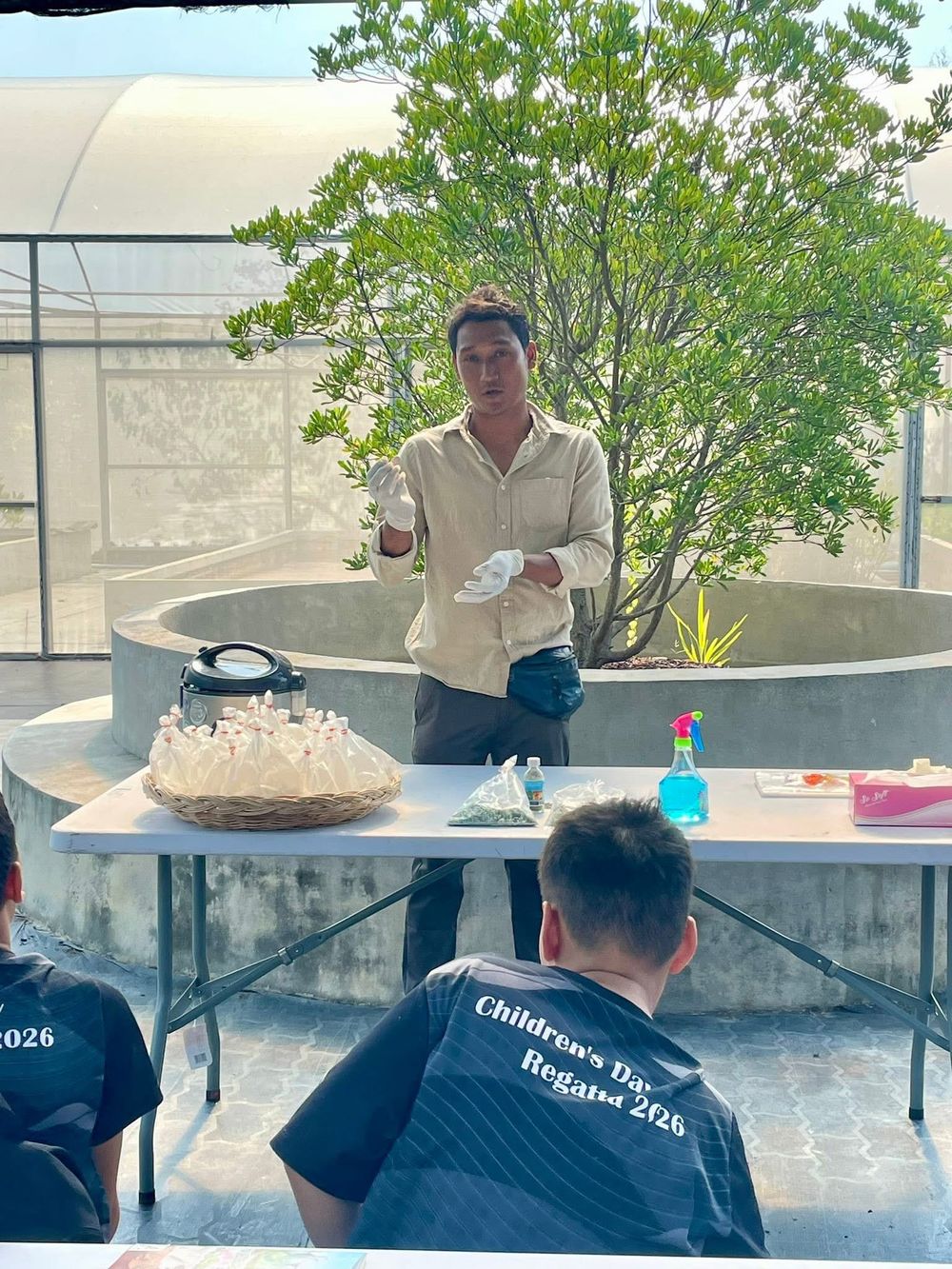
“But many of them can be cultured as fresh cultures, like Trichoderma and Metarhizium. We consider Trichoderma a very strong fungus; it can even destroy 'mushrooms,' which are higher-order fungi. It has to be used carefully. We culture it from rice. If the rice shows black, red, or yellow mold, we just let it be... eventually, it will turn green,” Tay continued seamlessly.
“Trichoderma is a green fungus. It’s hard to kill. Using bio-products shows results slowly. People used to chemicals find it too slow and often go back to chemicals,” Palm added.
“But these days, BT (Bacillus thuringiensis) can kill worms quickly too,” Tay supplemented.
“You have to choose the right one for your purpose. Sometimes farmers come for training and use them incorrectly, so they don't see results and go back to chemicals. Sometimes they over-apply until the insects or pathogens adapt and become resistant, so they have to keep adding more, and costs just keep rising. In the past, almost every farmer around here grew sweet potatoes. Now, almost none are left. Only we are doing a large plot. The agricultural cycle is often like this: when something fetches a high price, everyone rushes to plant it. Right now, beans are at a good price, so everyone is planting beans. But when they harvest, the skins are black, and the factories that buy them to boil for sale won't accept them,” Palm interjected.
“That’s because they water them too much. They water them all night, so the moisture is too high, causing black patterns on the skin. Ours are dry. Because we farm without much time, we might water them too little. But it turned out to be a good thing. We don't water often; we wait until they wilt. Our beans are known as one of the first plots where the skins were white. Other people’s soil is the same as ours, but their soil has 'hub',” Tay added.
“'Hub' means soil that has no organic matter because they only use chemical fertilizers. This ruins the soil structure, making it lose its tilth, and nothing grows well. Another reason we stopped using chemicals is that they are expensive and the quality isn't consistent,” Palm said.
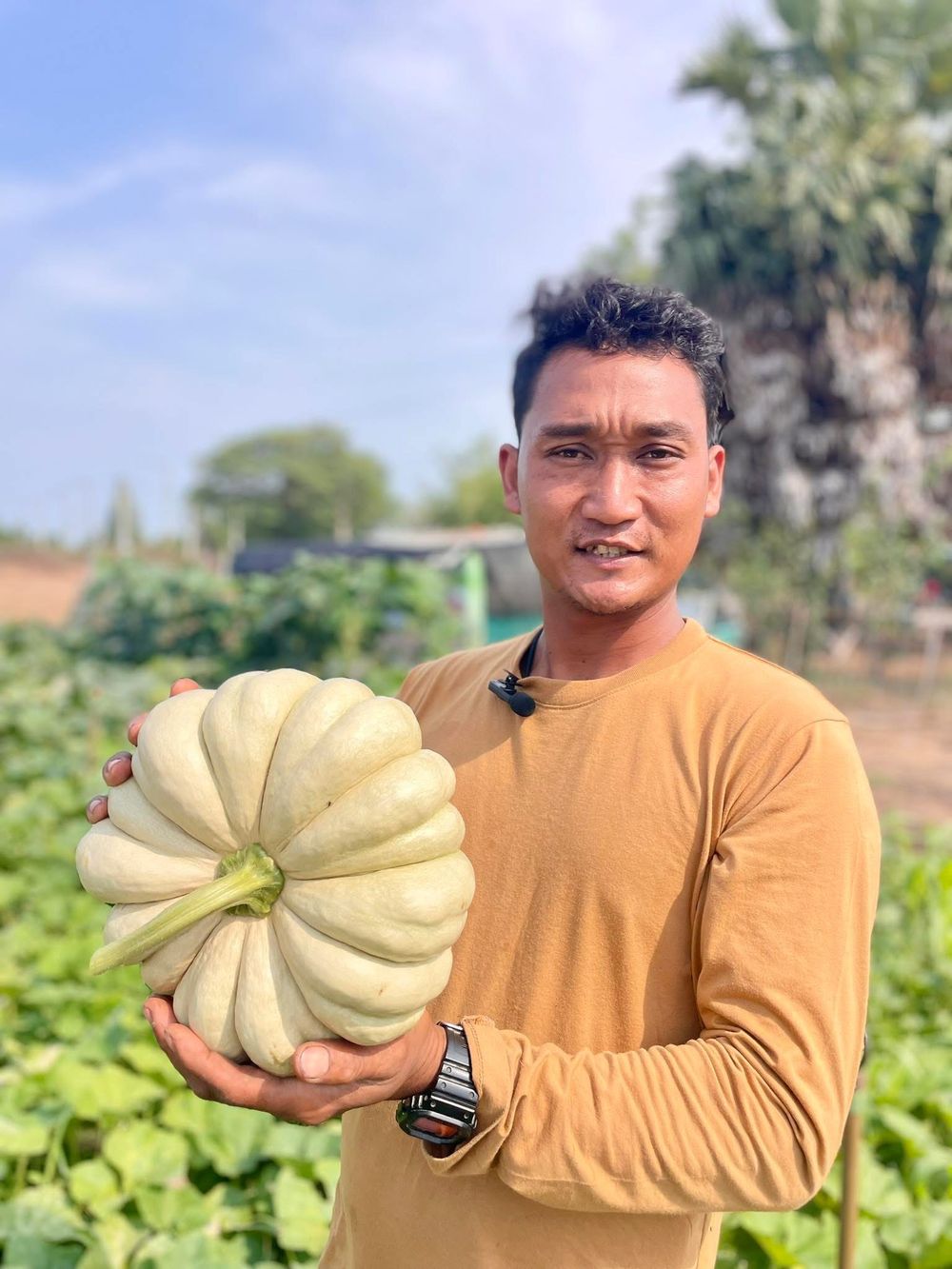
“If we invest in chemical fertilizers and the yield isn't what we expected, it’s not worth the investment. Conversely, if we use organic fertilizer, even if the yield is small, we haven't lost much. This chicken coop was an experiment. In the plot where we are currently growing pumpkins, at first, nothing would grow but grass. When we put the chicken coop down, at least we could sell the eggs. Even if we couldn't sell them, we had eggs to eat. We got chicken manure for fertilizer, and they ate the grass and weeds for us—fitting the 'happy chicken' concept. When we moved the coop, we planted trees in its place. The pumpkins we’re growing now are producing very well,” Tay explained.
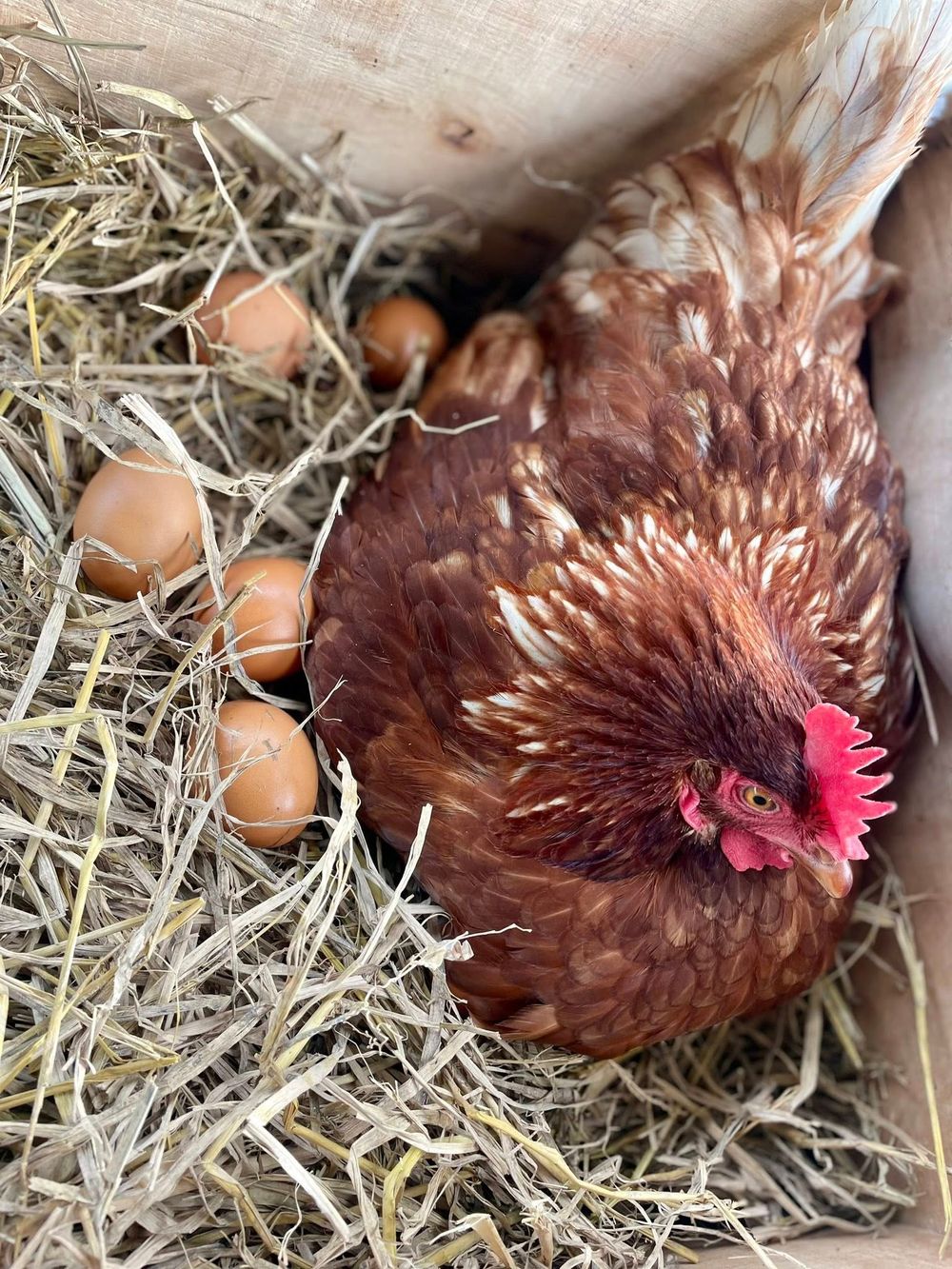
“Everything we started was from zero. These chickens were free because someone we knew gave us the first 20. Then we saved the money from selling eggs to buy more, scaling up gradually. Right now, when we don't have produce, the eggs provide enough income. It’s a coincidence that someone gave us Khai Man Luem Phua pumpkin seeds for free. They said if they grew well, just give back the same number of pumpkins they gave us seeds for. We already knew that the spot where the chicken coop was would be productive. We just happened to get these expensive pumpkin seeds at the right time,” Palm continued.
“We had already planned that this spot would grow anything successfully. When we got the seeds, Palm planted them all at once. At first, I thought we should save a few, but they all sprouted!” Tay said with a smile.
“Usually, we aren't people for whom things grow easily. But this lot had nearly a 100% germination rate, and the yield is great. We can sell them for up to 90 baht per kilogram. It was perfect timing, as we were looking for income to tide us over,” Palm said proudly.
When discussing the details of farming, both husband and wife spoke passionately and continuously, making the interviewer feel almost invisible. They complemented and finished each other’s sentences, their voices filled with pride and happiness. It is a life of happiness they chose to walk together.
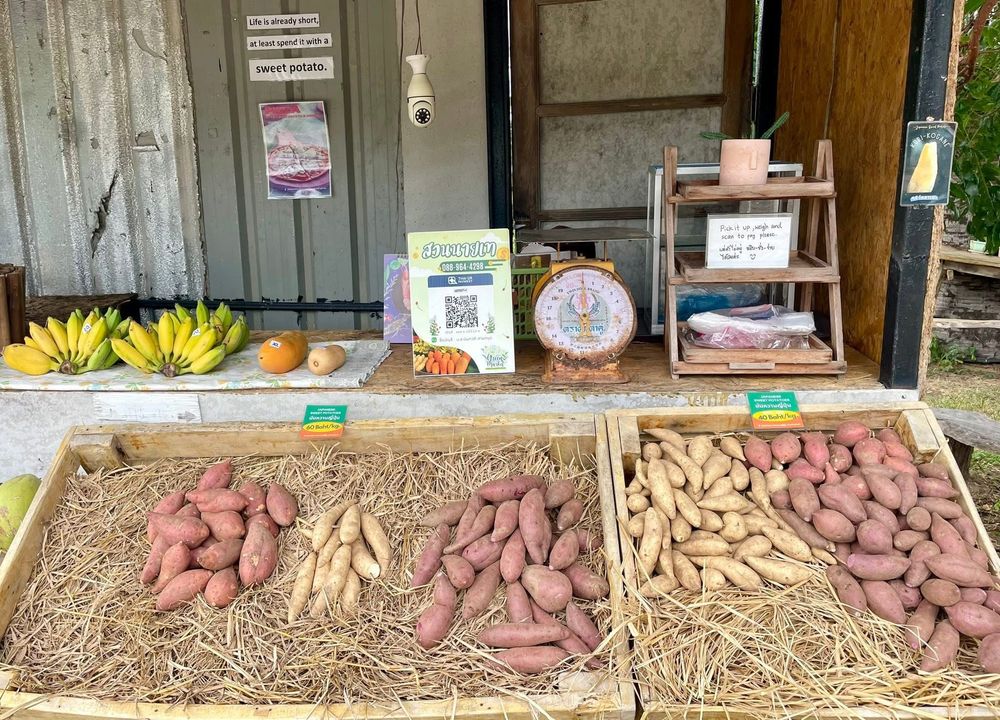
10. Income Beyond Planting
In the modern world of agriculture, what you sell might not just be the produce, but the "mindset."
From fresh sweet potatoes to processed ones; from the farm gate to the mall.
Income doesn't come from the fields alone; it comes from adding value.
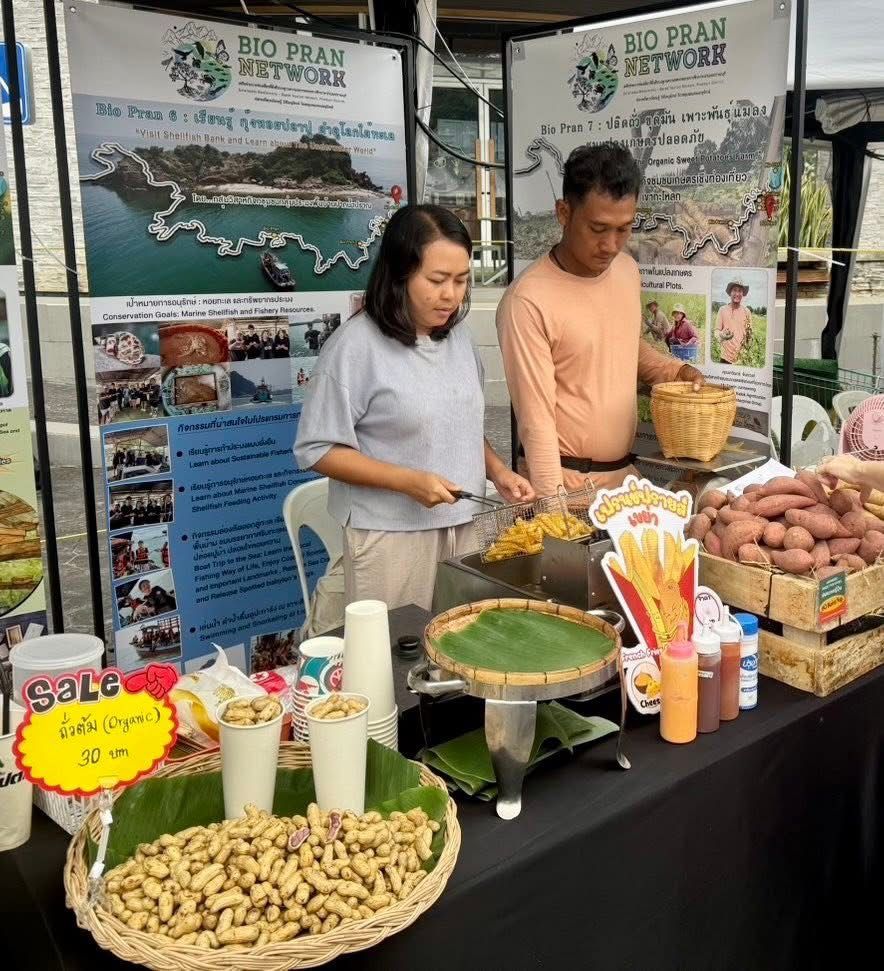
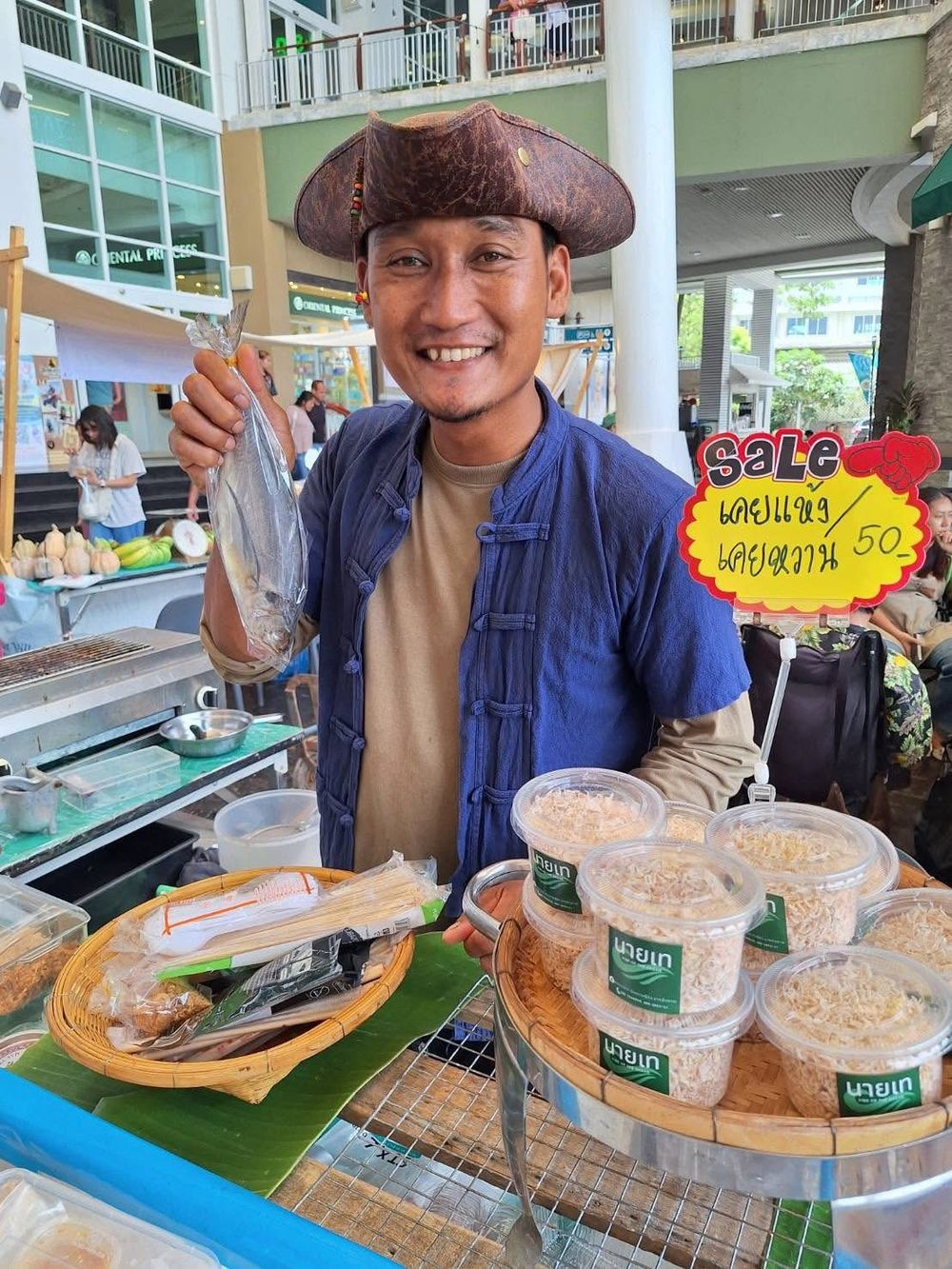
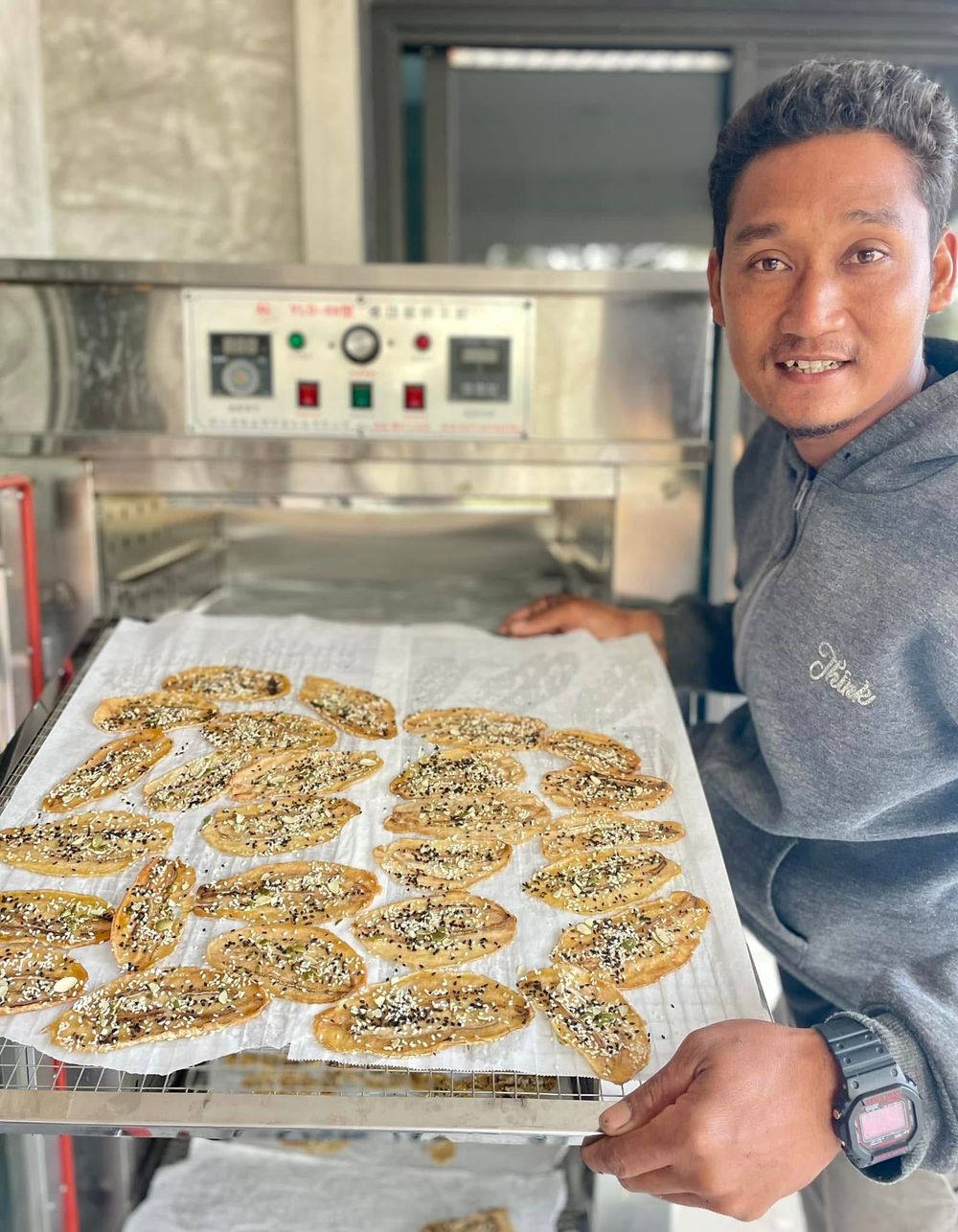
“We wanted more people to know about our garden, so we asked the district agricultural officer to sell at Market Village in Hua Hin with the network to launch ourselves. We took the small amount of produce we had—papaya, bananas, fresh vegetables—to sell once a month and at various events. Was the income a lot? Not really, and it was hard to sell. So, we had to adapt and process the produce into sweet potato chips and grain-topped baked bananas, focusing on ready-to-eat products,” Palm said of their efforts to promote the garden and start processing their goods.
In agriculture, you can't stand still.
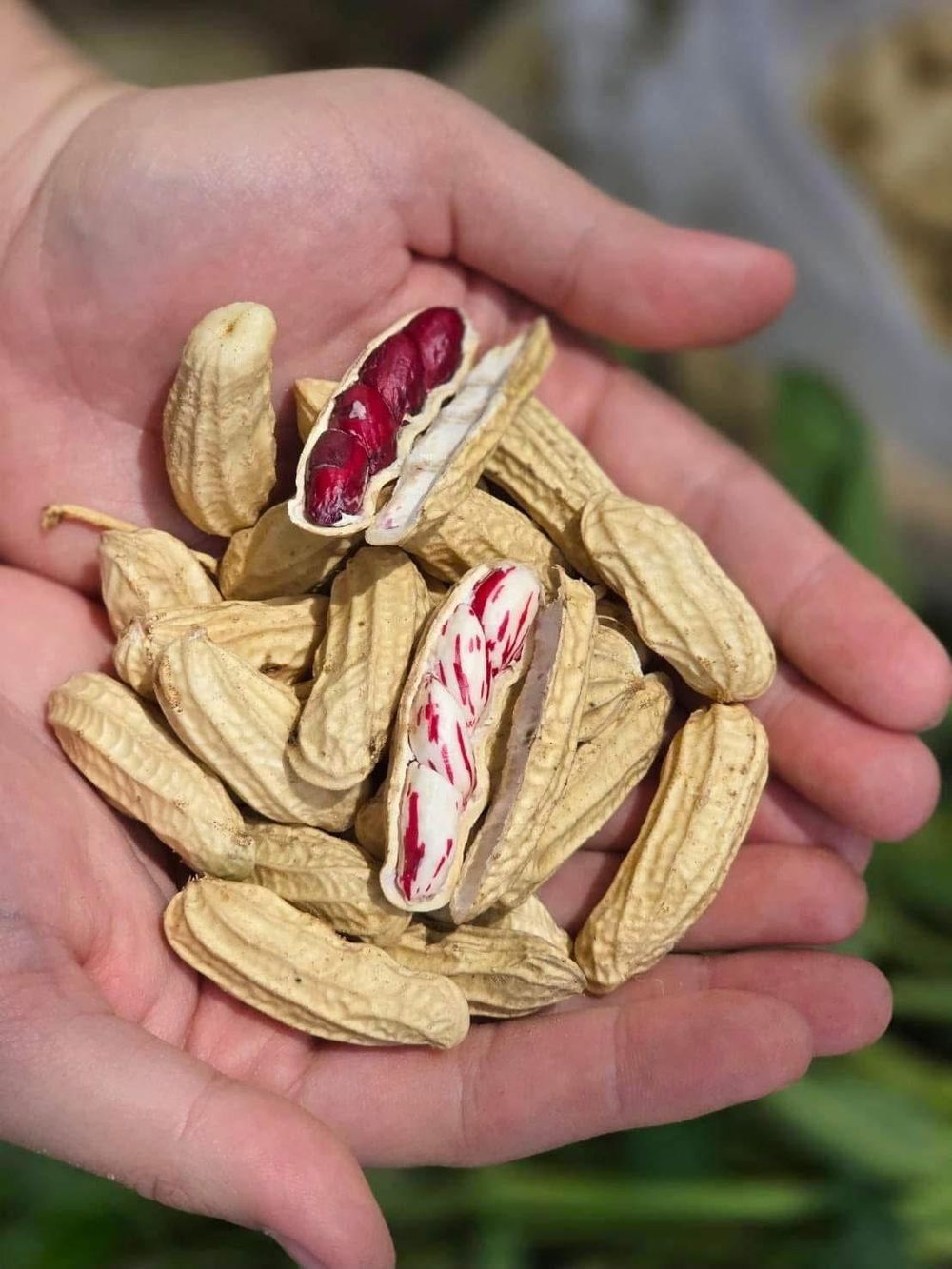
“You have to keep finding things to do. Right now, there’s a project to develop bean products because we’re afraid that one day there might be a problem, like the skins having patterns and vendors refusing to buy them. If they are rejected, we can only use them for seeds. If that happens, what else can we do? So, we thought of making peanut butter, which is another way to add value.”
Agriculture is restless and exhausting, but they haven't stopped moving forward.
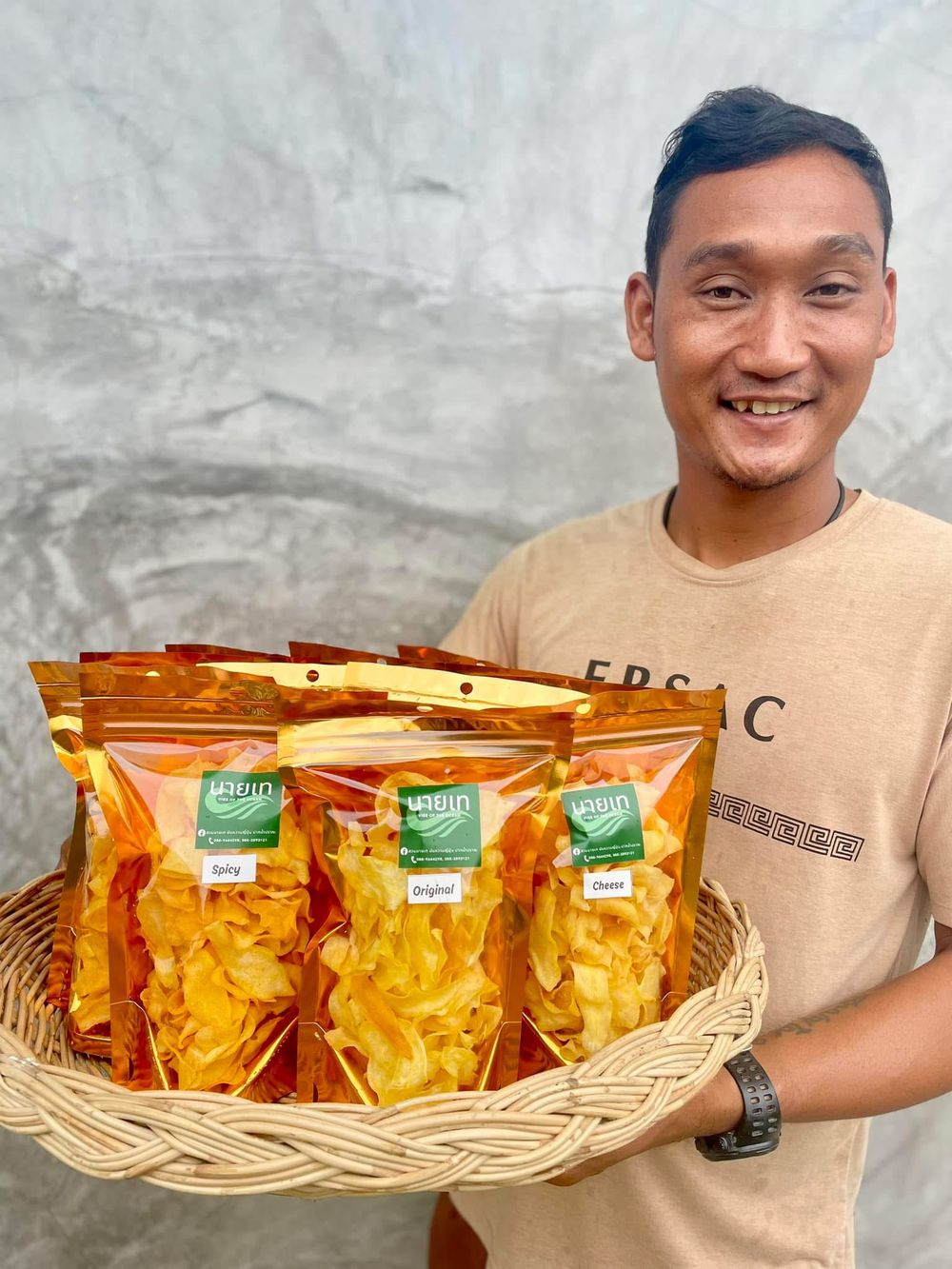
“You have to distinguish between being rich and being sustainable. If you want to be rich, you do monoculture—grow a lot of one thing at once. When you harvest, you get a big lump sum. But what we’re doing today is for sustainability. Even if we aren't rich, we won't collapse. We use the 30-30-30-10 theory of King Rama IX—the Sufficiency Economy Philosophy. We distribute risk across field crops, perennials, and annuals. We plant a variety of crops and rotate them,” Tay explained his philosophy.
“To give you a picture: we often see news of farmers dumping their produce in front of Government House because prices have crashed. That happens because they plant in massive quantities. When they harvest, they get a lot of money, but the day the market is oversupplied and the price drops, they can't support themselves. For us, planting only a rai or two—can we get rich? Certainly, but we have to add value.
We have to read the market trends. We need to know where we are and how to take the next step. Without a clear standpoint, you’ll feel lost. The reason we went back to fishing was that we saw the garden's income was starting to have issues, so we needed a counterbalance. During times when the farm has no produce, we still have the boat to go out fishing.”
But fishing has costs too. Nets for catching different types of aquatic animals vary. Previously, we only caught squid, but to catch shrimp, we needed more equipment. And to buy a net for pomfret, it’s another set. One bundle of pomfret net costs 10,000 baht. Since everything has a cost, you have to decide carefully.
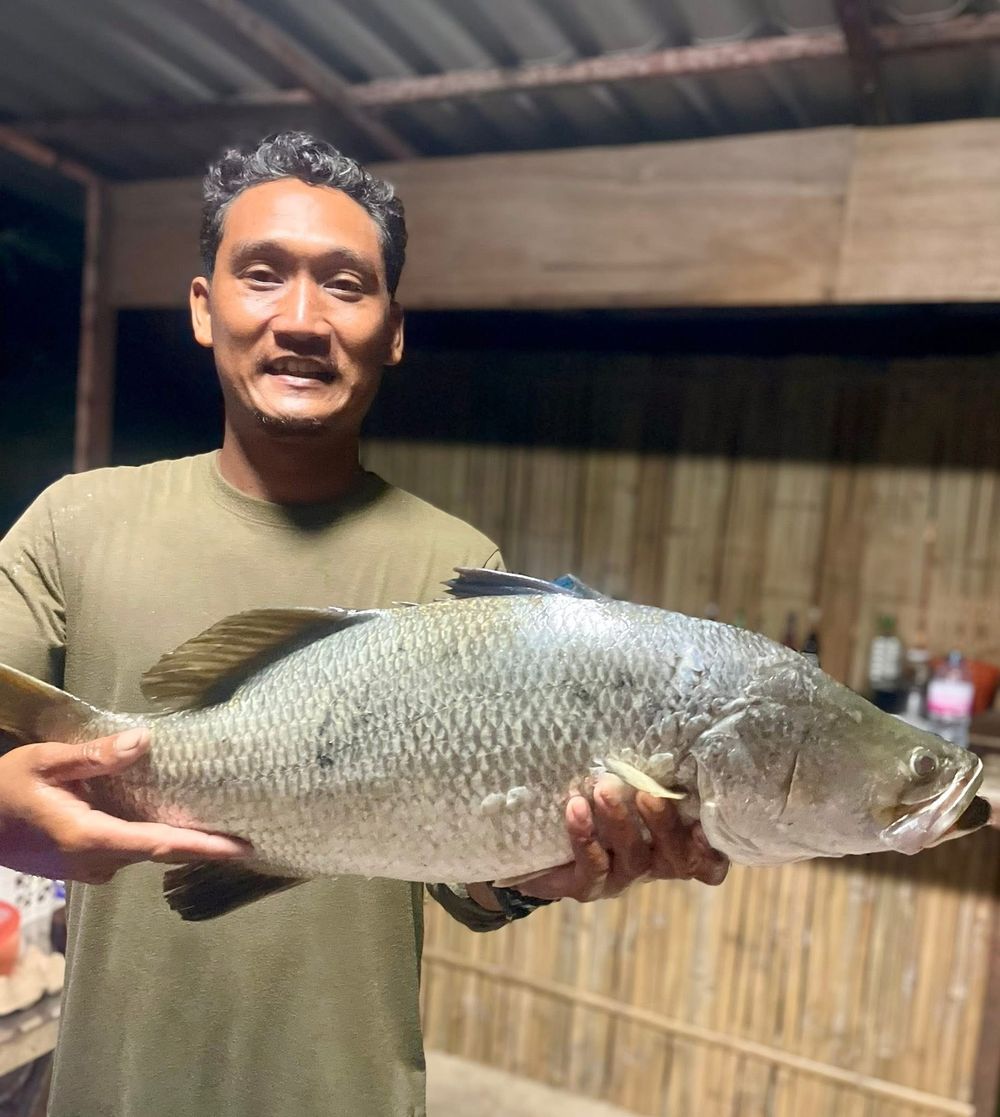
“If we choose to catch pomfret, we get only pomfret. If we don't get pomfret, what else might get caught? Occasionally, a sea bass might wander in, but the mesh size can't hold its weight because a sea bass is round and stronger than a flat, 1kg pomfret. Compared to shrimp nets, it’s less tiring and still allows us to work in the fields in the evening, so it might be more worthwhile.”
11. Survival in an Uncertain World
When the world changes fast, the only thing that must stay still is "mindfulness." You have to see things clearly. The garden might have no produce, but the sea still has fish. Or when the sea is quiet, the garden can still support life. Having multiple options is the way to maintain life’s balance.
Because both are members of Young Smart Farmer, they are often invited to attend training sessions, which provides another income stream as guest speakers. When a government agency asks for help, they participate. Sometimes they receive subsidies to support various projects. Therefore, Tay’s way of farming isn't about being in the field all day starting at 4 AM like traditional farmers; they’ve adapted it to fit their lifestyle.
“Suppose we did only one thing on the entire area. If we didn't do anything else, let’s say we got 3 tons of produce, making about 100,000 baht. On average, that’s 30,000 a month. Subtract half for costs, and we’re left with 15,000. But it’s not like we plant and wait three months to harvest. Once one month passes, we start the next crop so that we can harvest continuously.”
Their friends often wonder why they don't return to private company jobs, as their current income seems uncertain. When they worked regular jobs, they had high salaries and could have had two income streams. But the couple says what they are doing isn't just for day-to-day survival; they have plans for the future. They have new projects waiting, such as developing products to make one head of sweet potato more valuable.
“We have projects in mind to make the work as efficient as possible. We aren't 'hardworking' people; we are 'fast' workers. Hardworking people work steadily, but 'lazy' people work fast because they want the job finished quickly. We look for ways to work fast but get the same results. It’s the same with the fishing boat. During the monsoon, the boat is docked. When the season starts, we bring it up for repairs. Some people fix and tinker forever, but when we bring the boat ashore, we tell the mechanic, 'Repair it in 4 days.' It must be finished on time and back in the water. No endless tinkering, or the costs will spiral.”
12. For Those Who Want to Quit Their Regular Jobs
Independence has a price, and not everyone is ready to pay it.
The advice they can offer isn't to "dare to quit," but to "start gradually." Start small, start with understanding, and start without throwing everything away at once.
“For those who are undecided, we want you to try doing it alongside your regular job first. If you have land, see what can be done there. Each plant has its own details; study them well. Get good information. Don't just dump everything in at once and go bust, only to have to return to work. Try starting with a small plot. If you don't have land, try renting some. Learn by doing, bit by bit, then expand. Once it can support you, then quit your job. Initially, you might hire someone to do it in batches. And you must look long-term—will what you plant be sellable for a long time? Always look for an exit strategy. But if you don't start anything, you’ll stay in the same place,” Tay said, his voice serious.
“Anyone wanting to quit their job must start by having no burdens. For us, when we left, we had no car or house payments. But you have to adjust. People used to a regular salary spend easily. But when you farm, the money comes in cycles—this time might be less, the next might be more. There’s no guarantee. You might gain more freedom—going wherever you want without having to take leave—แต่คุณต้องแลกกับความสะดวกสบายบางอย่าง (but you have to trade it for some comforts). We used to plan trips abroad twice a year with friends, but now it’s not the same because we have to save. However, we traded it for more time. It’s not all good, but it’s not all bad either,” Palm, who once had a regular job, knows exactly what the trade-off entails.
The couple warns that for those in regular jobs wanting to farm, there is a lot of pressure. People around you will watch to see if you survive, if you can actually do it. You have to be clear about why you are doing it. If you hope to get rich and invest everything at once, you have to be able to handle it if you fail. Or if you do something unusual, people will criticize you. For example, putting a chicken coop in front of the garden—others might ask why you’d have smelly, dirty chickens there. But the couple sees it as showing people that they really raise the chickens themselves, that the eggs are truly "happy eggs." Some customers love this—foreigners, in particular, like seeing that they raise them themselves.
“I guarantee that with farming, you’ll definitely be abundant in food. Even if we don't sell it, we have it to eat ourselves,” Tay said with a smile.
Anyone who ever said farming is all brawn and no brains would have to think again after hearing their story. Both have systematic plans and very low investment because they think carefully and use their skills to solve problems and add value. It shows that even if we have no prior knowledge of agriculture, there are agencies ready to provide advice and support. When combined with an existing understanding of socio-economics, it isn't difficult at all to start as a quality "New Generation Farmer" and survive, even if we still can't predict the future direction of the world.
Support Suan NaiTay’s produce and processed products at the garden
Or online:
Facebook Page: Suan NaiTay Japanese Sweet Potato Pak Nam Pran
Seafood: NaiTay Page
© 2025 Khaoyai Connect. All rights reserved.
No part of this content may be copied, modified, or distributed in any form without prior written permission.
