

Pak Chong District Public Health Office:
A Major Supporter of Khao Yai’s Journey toward a Wellness City
When people think about Khao Yai’s development into a wellness city, many may picture glamour and luxurious lifestyles. That is certainly part of the reality. Yet on another side of Pak Chong, there is an organisation playing a vital leading role: the Pak Chong District Public Health Office, which has been working intensively and continuously to advance community health. This work forms an essential foundation for paving the way towards a genuine wellness city.
The three years since Ramet Suwanta took up the position of Pak Chong District Public Health Officer — or “the chief,” as his subordinates commonly call him — may seem like a short period of time. Yet his achievements have already become clearly evident. Several projects have won awards at both regional and national levels, drawing attention to Pak Chong from local authorities across the country. Over the past year alone, the Pak Chong District Public Health Office has welcomed almost 100 study-visit groups.
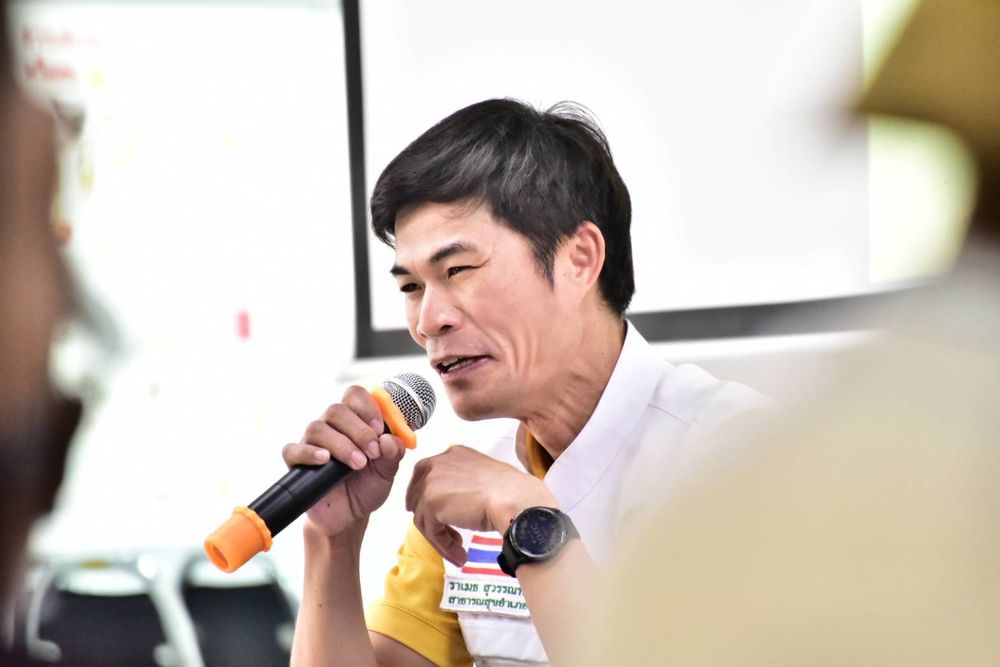
“This is only the appetiser. I’m still not satisfied. There will be many more things that make people say ‘wow,’ and I want to see them succeed one by one.”
Heard without context, these words might sound like boasting. But after seeing the determination behind his work over the past three years, they come across instead as an expression of immense pride, because several projects have already delivered tangible results within a relatively short time.
The Khaoyai Connect team had the opportunity to speak with the Pak Chong District Public Health Officer about how far community healthcare has progressed. After all, it is small units at the community level that will serve as essential cogs in driving and developing this tourism town, enabling it to grow steadily and move forward with strength.
Continuous Elderly Care Wins First Prize at the Regional Level
Throughout Pak Chong District, public healthcare services are distributed across various areas, comprising one Royal Commemorative Health Station, 18 Tambon Health Promoting Hospitals (THPHs), and four Primary Care Clinics. All of them are responsible for caring for local residents’ health through both proactive and responsive services, adapted to the lifestyles of people in each locality.
One of the highest-priority issues is inevitably the elderly population. Based on household registration alone, Pak Chong has nearly 30,000 elderly residents out of a total population of more than 200,000.
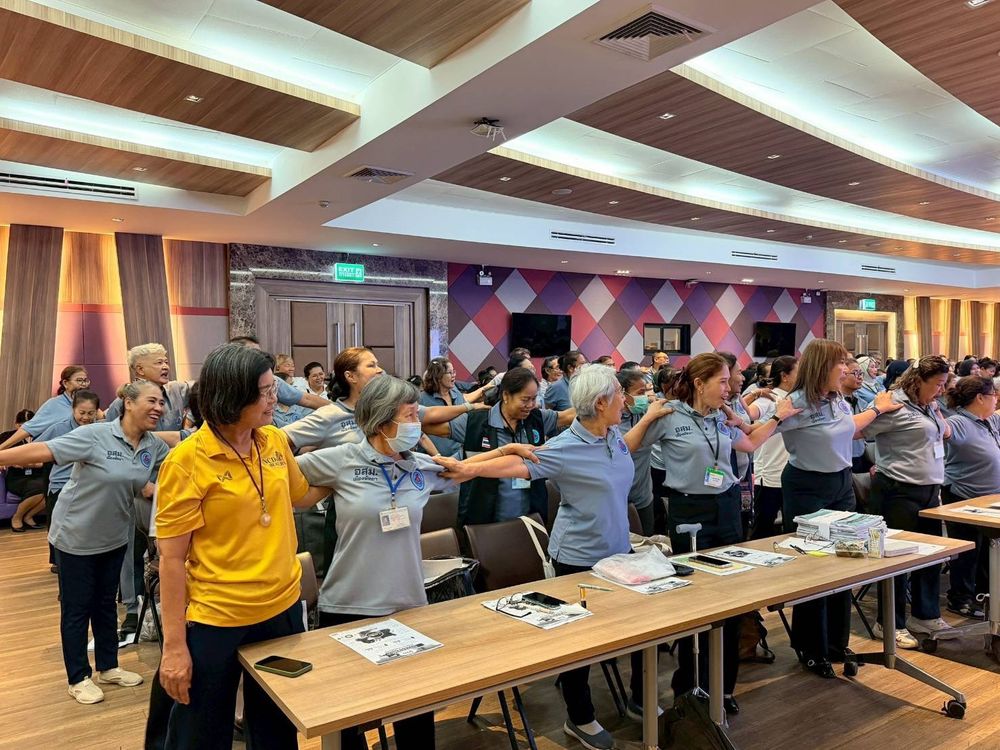
The Pak Chong District Public Health Officer explained that, in terms of responsive care, the focus is on developing the healthcare system, strengthening staff capabilities, and improving the effectiveness of medical equipment used to provide examination and treatment services for both local residents and tourists. In particular, Tha Chang Tambon Health Promoting Hospital, located in the Mu Si area, has a medical team available 24 hours a day. However, as there are relatively few patients at night, the overnight shift operates on an on-call basis.
“At the very least, this helps relieve patients in emergencies. They can come to Tha Chang Tambon Health Promoting Hospital before going on to the hospital. Our public health officers can carry out an initial assessment while waiting for an ambulance to arrive.”
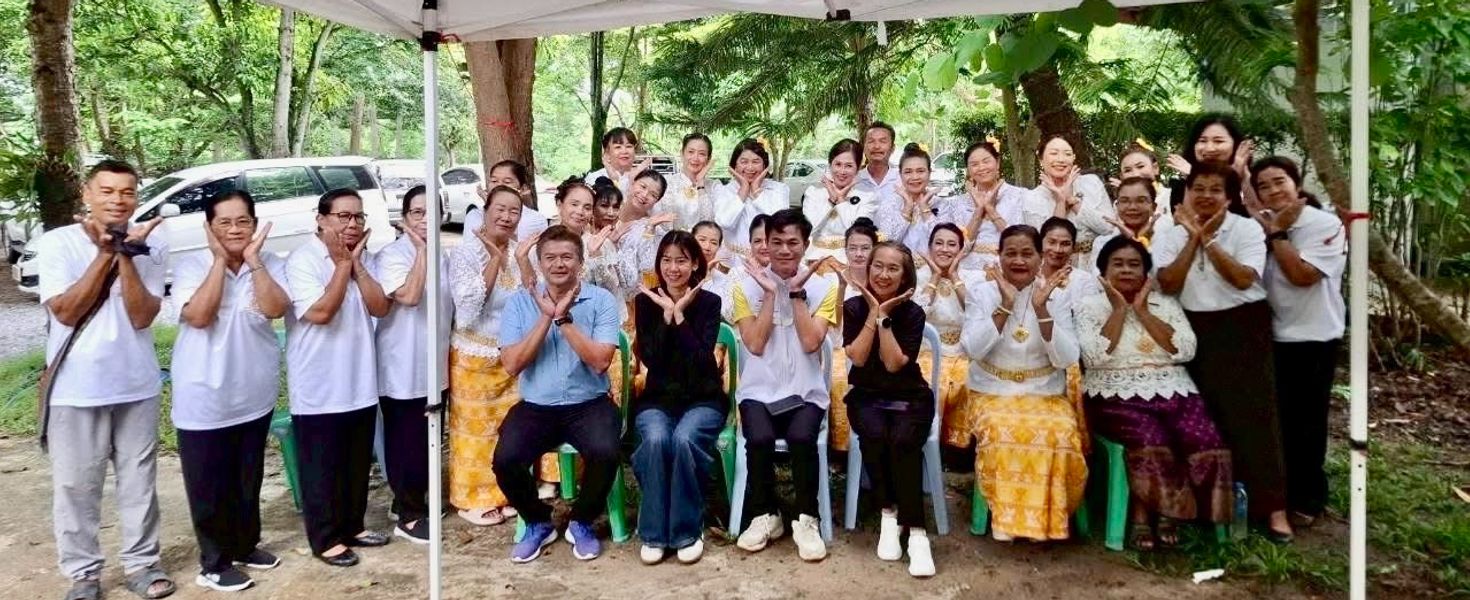
On the proactive side, one particularly outstanding initiative, which has won an award at the regional level, is the continuous elderly care programme. Activities are organised once a month, together with health assessments covering nine areas, such as restricted knee movement, dementia, poor eyesight and other conditions. Medical teams are present to provide care throughout the activities.
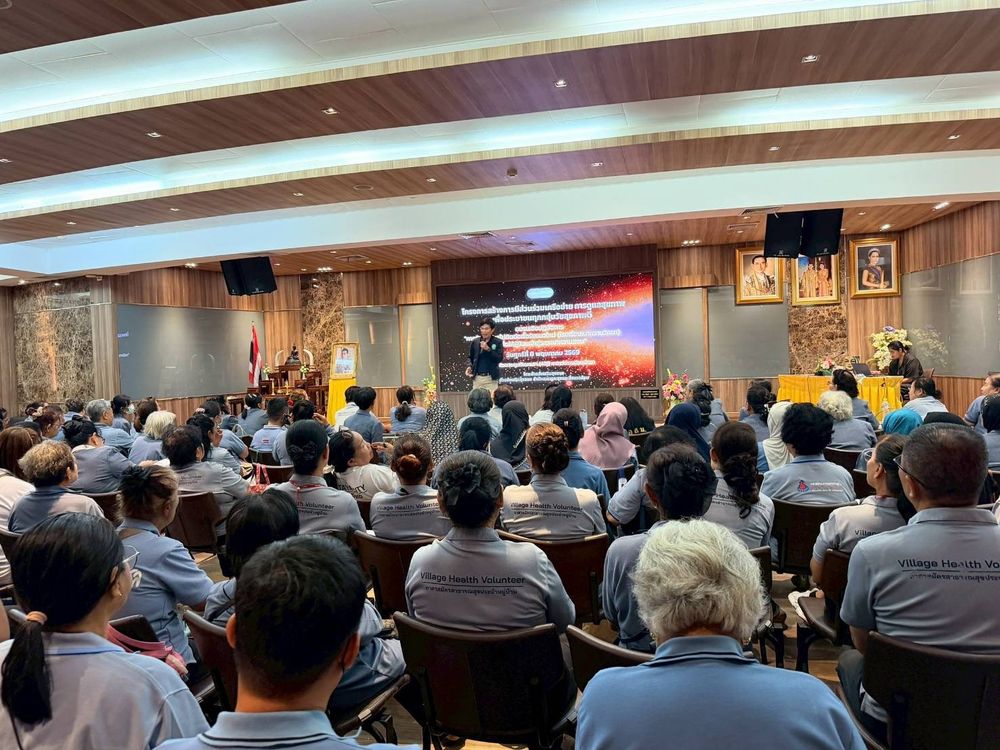
“We invite elderly people to join activities once a month at Sap Wai Temple in Nong Sarai Subdistrict. Their children bring them here, packing meals for them to eat. Monks look after them. They listen to Dhamma teachings, receive health check-ups, cook and eat together, and take part in exercise activities. Nobody feels lonely here. The elderly actually look forward to the day they can come. Their children and grandchildren like it too. They bring them here, and once they arrive, they do not want to go home.
“The activities are varied and different every month. Each session is attended by hundreds of elderly people. At first, only a few dozen came. Once they tried it, they liked it, and word spread that they could come here, meet friends and enjoy talking together. Some arrive walking with a limp and using a cane. Even people from other districts have wanted to join, asking whether they could apply for membership.”
The Pak Chong District Public Health Office has not neglected elderly people who are bedridden either. Volunteers survey communities, and whenever a bedridden elderly resident is identified, the case is reported to the local Tambon Health Promoting Hospital so that the person can be entered into the care system.
The benefits of such continuous elderly care activities extend beyond the physical and mental health of older people. They also significantly ease the burden on their children and grandchildren. When the elderly members of a household are well cared for and no longer a major cause for concern, younger family members can go out to work at their full capacity.
“For elderly people, our emphasis is on enabling them to care for themselves and not become a burden on their children and grandchildren. They will feel that they are living meaningful lives, with dignity. Meanwhile, younger family members can go to work, whether in hotels, orchards, market stalls or whatever occupation they choose.”
Random Testing for Food Contaminants Reinforces the Image of a Safe Tourism Town
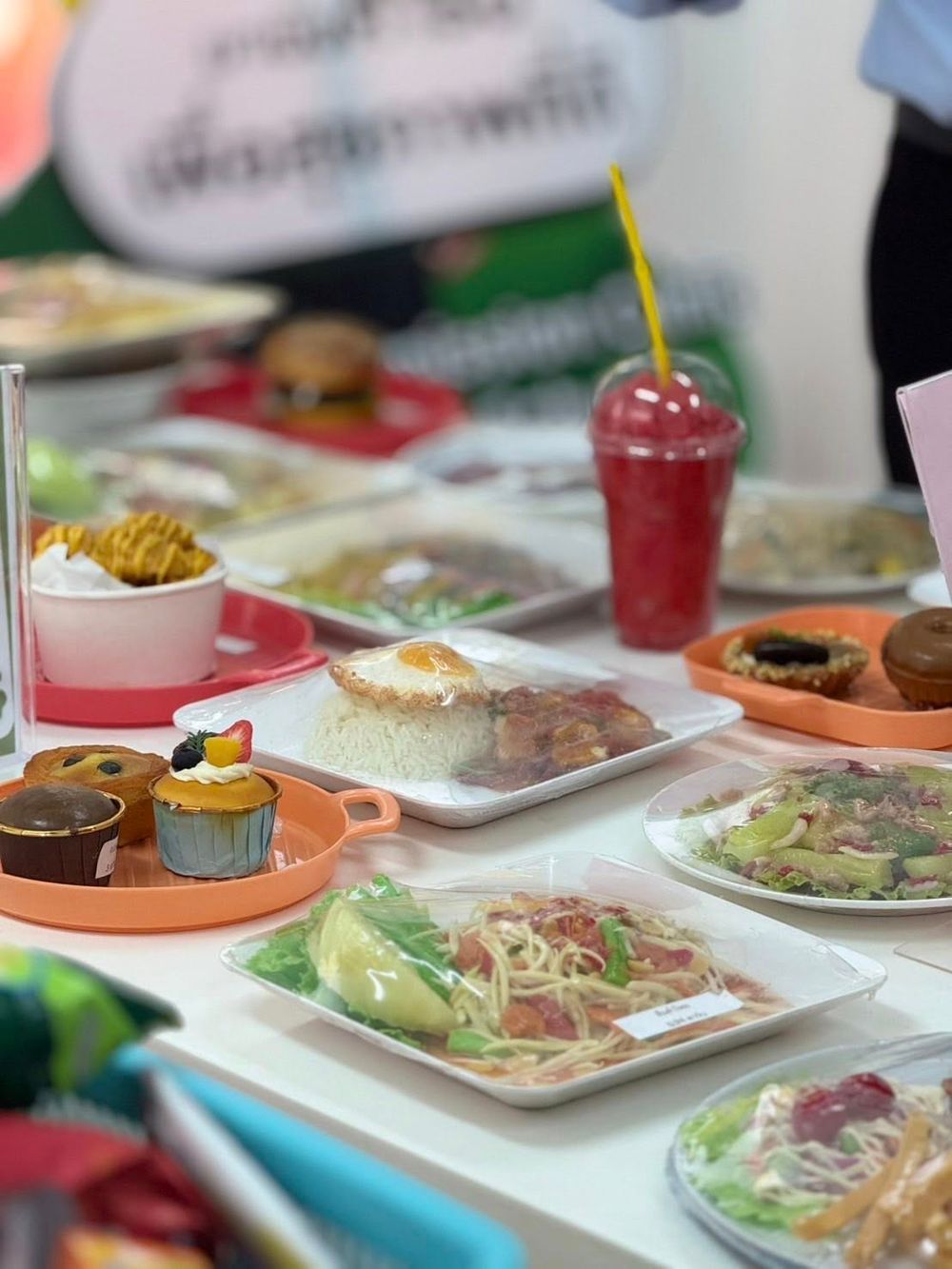
Another policy to which the public health office attaches equal importance is the testing of chemicals in agricultural produce, whether sold in department stores or at local markets.
“Because we are a tourism town, we place great importance on this issue. We test food for contaminants, whether at Makro, Lotus’s, fresh markets or local markets. We conduct random inspections for the safety of both local people and tourists, so that everyone can enjoy good health and safety. We focus our random testing on products likely to be at risk of contamination. This is another matter we consider highly important.”
The Diabetes School: An Outstanding Public Health Project
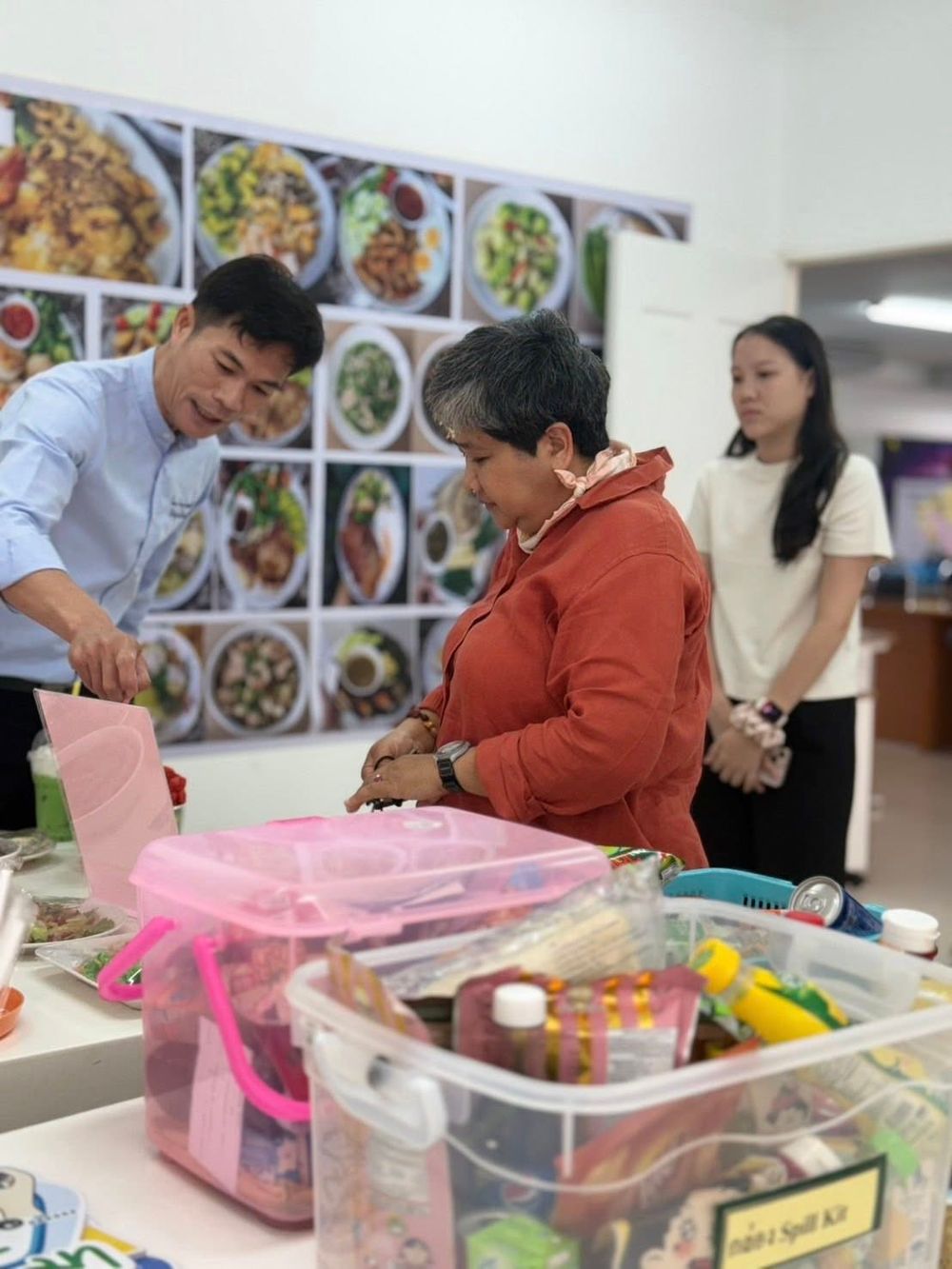
Another of the Pak Chong District Public Health Office’s most prominent highlights is its care for patients with non-communicable diseases, or NCDs, which arise from lifestyle and personal behaviour. Diabetes is a particular concern. Pak Chong District currently has approximately 9,300 diabetes patients, while around 24,000 people are affected by hypertension.
“We now have the Nakhon Chai Burin Diabetes Education School, which represents Health Region 9 and is based at Tha Chang Tambon Health Promoting Hospital. It serves as a model for other diabetes education schools distributed across all Tambon Health Promoting Hospitals and health stations. Through our work, more than 200 patients have been able to stop taking medication, while almost 3,000 others have reduced their medication. At this point, I can confidently say that we are number one in the country.”
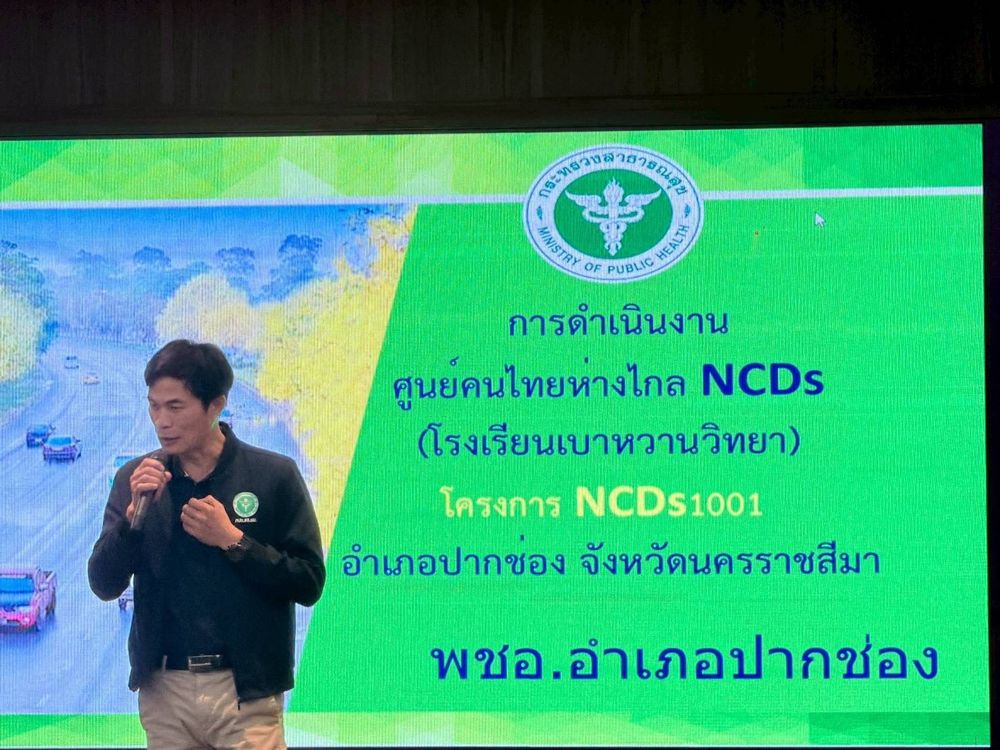
Chief Ramet explained that the diabetes school genuinely addresses the well-being needs of local people. It can help deal with all forms of NCDs, including diabetes, hypertension, high cholesterol, obesity, cancer and stroke, because these diseases are linked to our own lifestyle behaviours.
“Over the three years since we began, we have helped more than 200 people achieve remission. But let us simply say that their diabetes has gone away: they no longer need to take medication. They only need to attend their medical appointments and follow the diabetes school’s guidelines. In addition, another 2,000 to 3,000 people have reduced their medication. What is especially encouraging is that, as a secondary benefit of the diabetes school, Pakchongnana Hospital has been able to save as much as six million baht in diabetes medication costs.”
Looking back to before the programme achieved the success it enjoys today, working with diabetes patients was far from easy. To patients attending the diabetes school, the programme initially felt as though they were being forced into it. However, once they saw that many people were able to stop taking medication, while 90 percent were able to reduce their medication, more people began to want to attend the diabetes school. The project has therefore truly responded to needs in both quantitative and qualitative terms.
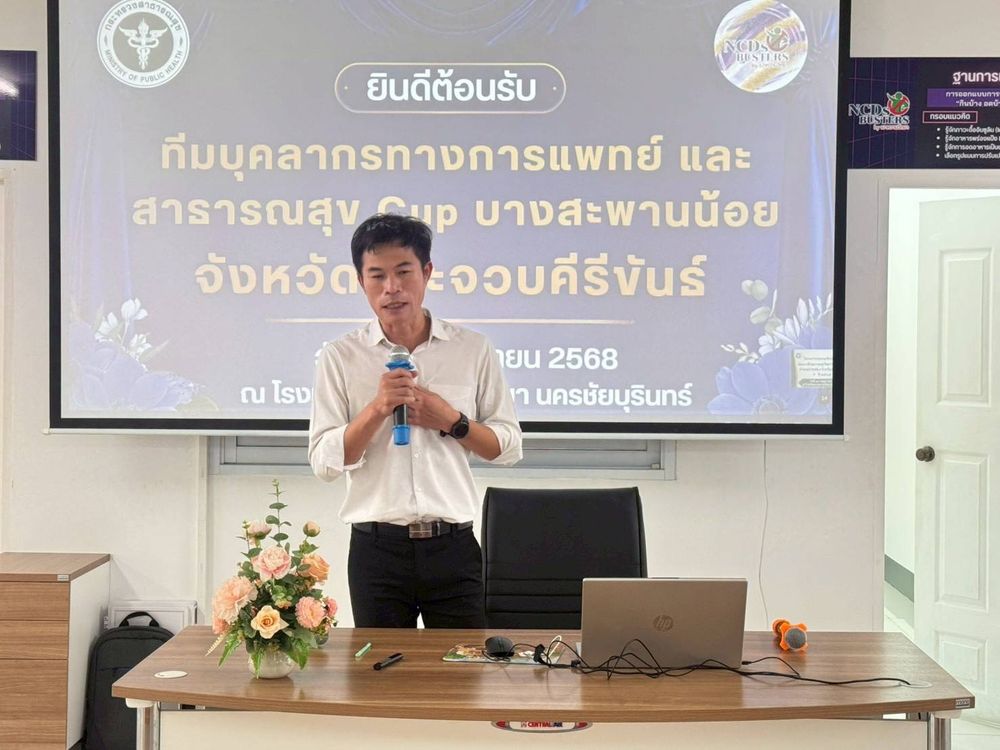
In addition, receiving nearly 100 study-visit groups each year has also greatly benefited Pak Chong’s tourism sector.
“Last year alone, almost 100 groups visited us from across the country. They came from both the public and private sectors. Visitors from the Lao PDR also came to study our work. This helps stimulate tourism. They stay and eat in our town, perhaps for three days and two nights, and each group can comprise anywhere from 50 to 200 people. It generates a considerable boost for tourism, benefiting restaurants and hotels. And because they come on weekdays, it is an excellent way to support tourism.”
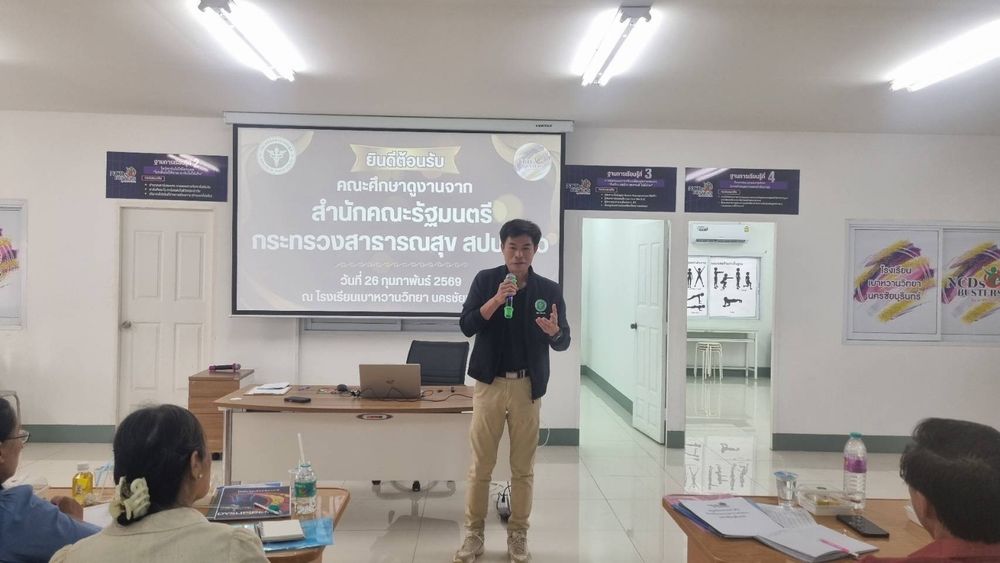
Beyond welcoming study-visit groups, the Pak Chong District Public Health Office has now become so highly regarded that it has been invited to speak in several provinces, including Pattaya and Prachuap Khiri Khan.
Developing Village Health Volunteers into the First Doctor: Taking Household-Level Diabetes Care Deep into Communities with the Goal of Diabetes-Free Communities
Another progressive development in Pak Chong District is the effort to enable its 2,745 Village Health Volunteers to serve as the “first doctor” in the diabetes school programme, which has now been extended to every village.
Chief Ramet explained that diabetes schools are now present at every Tambon Health Promoting Hospital and in every village. As a result, local residents scarcely need to leave home to go to hospital. Village Health Volunteers visit them at home and are regarded as the first doctor. They can perform blood tests and teach patients at home, reporting results through LINE group systems overseen by medical doctors.
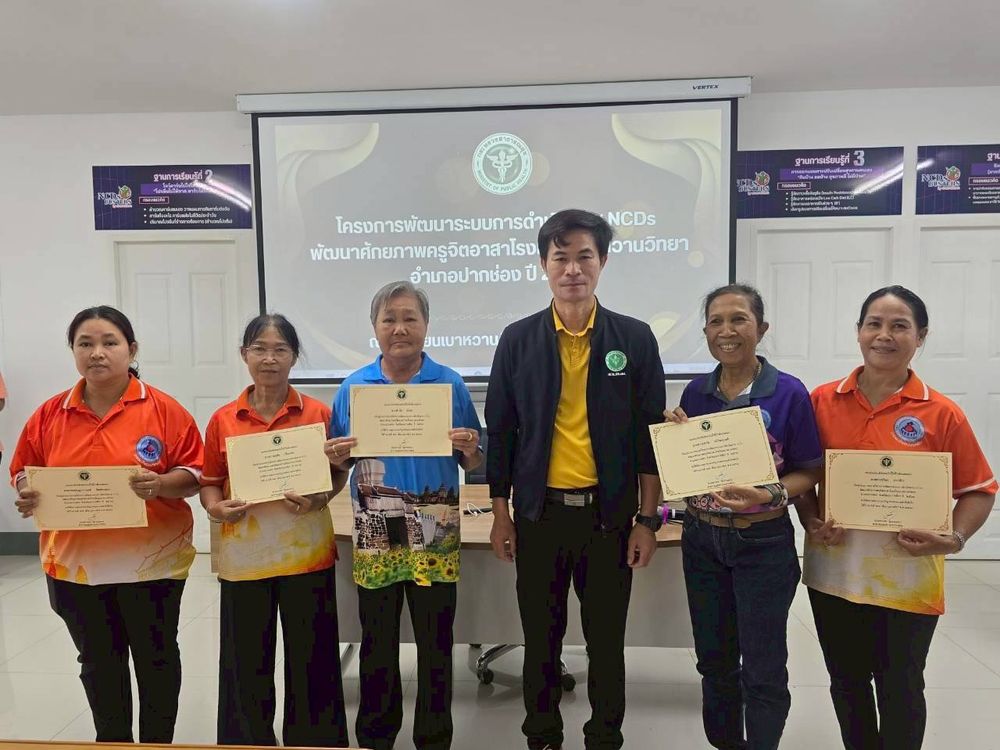
“Their homes are next door to one another. They can visit in the evening or in the morning and see what the patient is eating. What is especially encouraging is that the Village Health Volunteers I assigned to look after patients have already helped 100 patients stop taking medication over the past six months. We only began this work in the middle of 2025. I was surprised myself that Village Health Volunteers could help patients achieve remission and stop their medication. Of course, the decision to stop medication is made by a doctor.
“I believe the project genuinely meets people’s needs for quality healthcare. It may not be something that lasts for just one or two years. If continued, it could be sustainable for a hundred years. I want it to reach the point where it becomes a community norm: if anyone has diabetes, or is at risk of developing diabetes, they must automatically enter the diabetes school programme, with the community itself insisting that they join. If someone stubbornly refuses to attend the diabetes school, the community should boycott them, creating a sense that refusing to attend means becoming a burden on their children and grandchildren. I want it to become a social value.”
Planning to Join Forces with the Pak Chong Restaurant Association to Create Diabetes-Defeating Menus
Diabetes results from lifestyle behaviour and is most commonly found among working-age people aged 35 and above, who are an important driving force in the town’s development. Therefore, if the town works together to adapt and provide these groups with more choices, it may make efforts to address diabetes significantly more powerful.
This is the origin of an innovative idea from the Pak Chong District Public Health Office: to collaborate with the Pak Chong Restaurant Operators Association to make “diabetes-defeating menus” available as widely as possible in restaurants throughout the district.
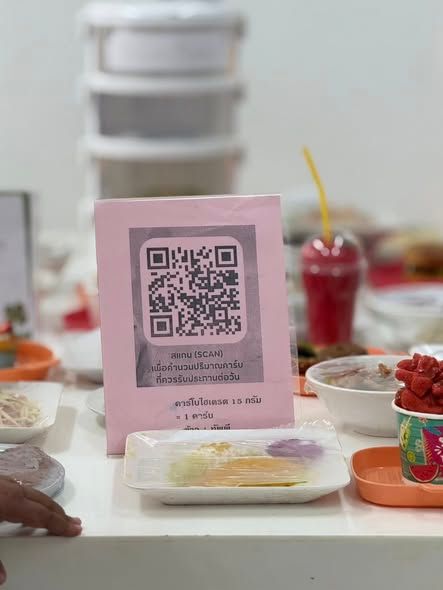
“I have spoken with the Pak Chong Restaurant Operators Association and proposed that we develop diabetes school guidelines for restaurants in Pak Chong. We would create diabetes-defeating menus and display them through QR codes. Suppose a customer sits down and scans the code to view the diabetes-defeating menu. We would provide details of how many carbohydrates each dish contains, allowing the customer to choose a dish that helps lower blood sugar while still leaving them feeling just as full.
“I want this to become a highlight of Pak Chong: that Pak Chong has diabetes-defeating menus. And for anyone who wants to learn more, they can come to us at the diabetes education school.”
When asked when the initiative would take shape, Chief Ramet revealed only that further details would be announced once clearer conclusions had been reached.
A Matter This Young Pak Chong Civil Servant Can Speak About without Hesitation
“I am originally from Prathai District, but I have lived in Pak Chong for more than 20 years, so I feel deeply attached to Pak Chong and genuinely want to help develop it. This is my sixth year as a District Public Health Officer, but I moved to Pak Chong just over three years ago. I had already been working on diabetes issues in my previous posting. As soon as I came to Pak Chong, I began this work immediately, because I believed it genuinely responded to the needs of local people. We also have clear, serious and continuous policies, which is why we have achieved the results we see today.
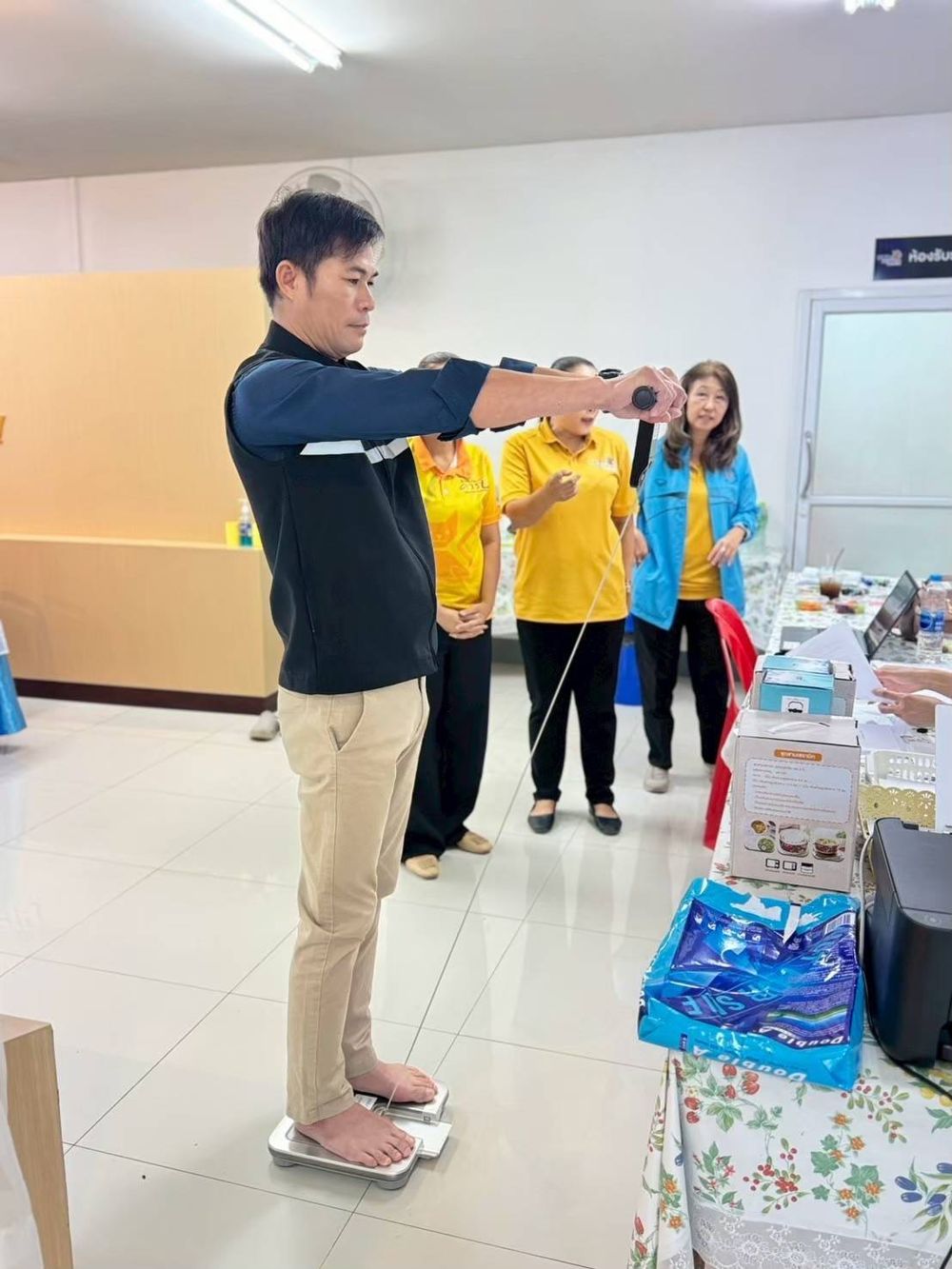
“I come from a rural background. My mother used to be a Village Health Volunteer, and I have long been closely involved with local communities. In the past, I worked on projects that felt like pouring chilli paste into a river — efforts that produced little meaningful result. From experience, I have learned that sometimes, after people attend training, they do not put what they have learned into practice. The work may achieve numbers, but it does not achieve quality. That made me think about what could be done to benefit local people both quantitatively and qualitatively, while also providing a direction for continued development in the future.”
All these driving forces have led to the first stage of success achieved by the diabetes education school today.
“And I think there has to be at least one thing that we can speak about without feeling embarrassed, something we can be proud of because we know we are not deceiving ourselves.”
These decisive words came from a young civil servant whose physical and mental energy remains abundant, and who continues to devote himself tirelessly to the town he loves.
© 2025 Khaoyai Connect. สงวนลิขสิทธิ์
ห้ามคัดลอก ดัดแปลง หรือเผยแพร่เนื้อหาทั้งหมดหรือบางส่วนโดยไม่ได้รับอนุญาต
