



Carbon Footprint
Not Just a Trendy Eco-Friendly Buzzword, but a Business Opportunity That Is Good for the Environment

Over the past few years, the term “carbon footprint” has become one of the most talked-about concepts in the worlds of business and the environment. We have seen hotels announcing sustainability policies, cafés campaigning to reduce waste, large corporations setting Net Zero greenhouse gas emission targets, and countries around the world beginning to introduce increasingly strict environmental measures. Yet on the other hand, if we ask ordinary people what a carbon footprint actually is, many may only be able to say that it has something to do with global warming. And if we ask further how much carbon their daily lives or businesses generate, the answer is often silence.
This may be one of the most interesting contradictions of our time. We talk about carbon more than ever before, yet many people still do not understand how it relates to everyday life. More importantly, they do not know where to begin in dealing with it.

In truth, carbon footprint is not as distant from us as many people think. Every activity in daily life, from turning on an air conditioner, driving a car, ordering food delivery, traveling, and choosing products, involves greenhouse gas emissions, both directly and indirectly. In the past, these things were often seen as invisible costs. But as the world has begun to face an increasingly severe climate crisis, those once invisible costs have started to become an important variable in the global economy.
Today, many countries are beginning to make carbon part of the rules of trade. Investors are paying greater attention to sustainable business practices, while large corporations around the world are passing these expectations on to their partners and suppliers across their supply chains. The question is no longer “Do businesses need to deal with carbon?” but rather “When should they begin, and how can they adapt in time for the changes already taking place?”
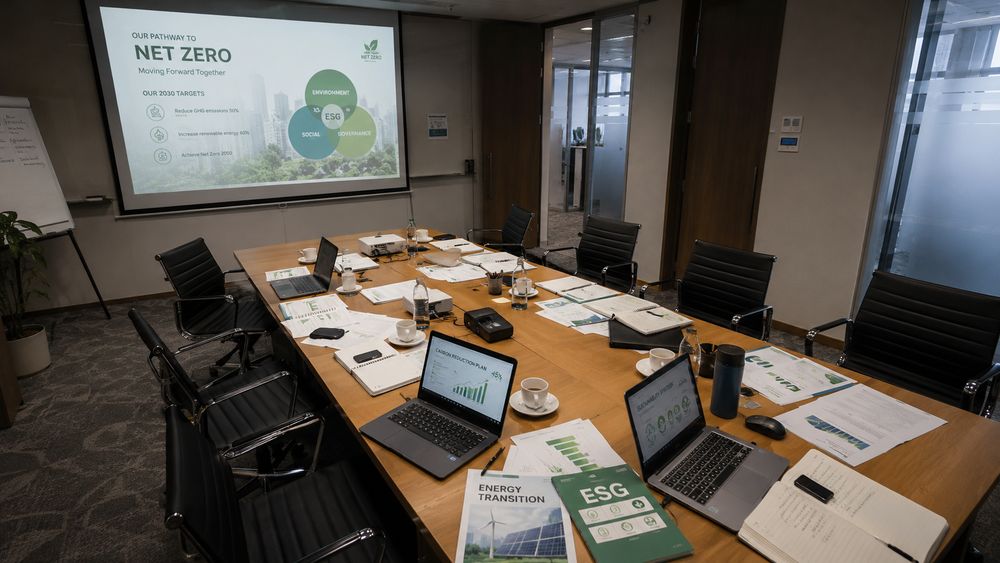
However, the key obstacle for Thai entrepreneurs, especially SMEs, is not a lack of awareness. It is the lack of tools, knowledge, and resources needed to get started. Many people assume that calculating a carbon footprint is complicated, that it requires specialists, certification, and a large budget. It is therefore not surprising that many entrepreneurs choose to wait and observe the situation from a distance rather than actually take action.

For this reason, the launch of the VB SAVE+ project by the Thailand Greenhouse Gas Management Organization (Public Organization), or TGO, is an interesting signal. It represents an effort to reduce cost barriers for entrepreneurs who want to begin assessing and certifying the carbon footprint of their organizations and products, as well as various greenhouse gas reduction projects. Although it is only one measure, it reflects the fact that Thailand is trying to make carbon more accessible, rather than leaving it as something reserved only for large organizations.
What is even more interesting is that in many countries, sustainability is no longer seen merely as a burden or a legal requirement. It is becoming a major business opportunity. Many global organizations began by looking for ways to reduce costs, cut energy use, or make better use of resources, only to discover that these efforts could create enormous new value for their businesses.
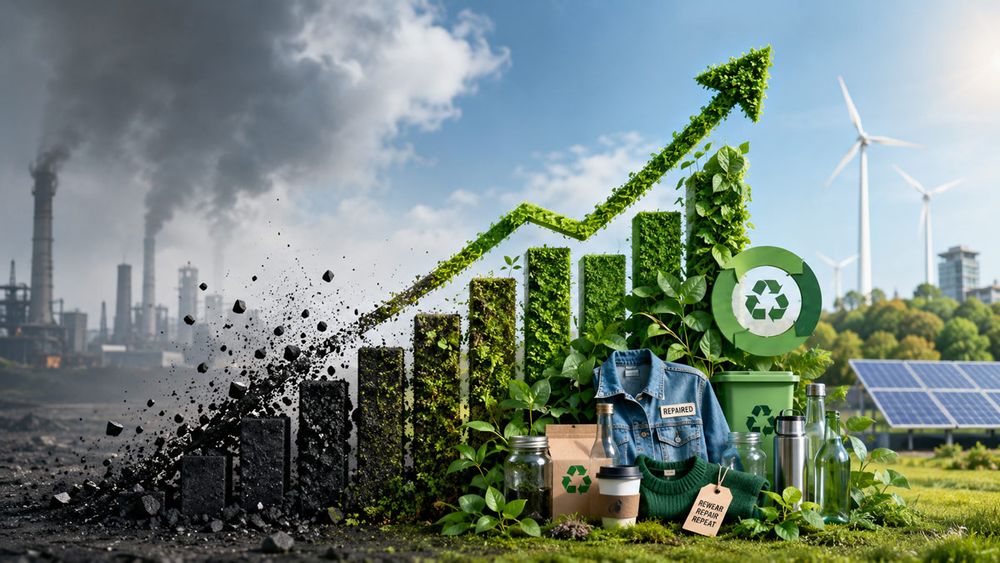
Outdoor clothing brand Patagonia has built its reputation by encouraging customers to repair their clothing instead of buying new items. IKEA has invested heavily in renewable energy and the circular economy, reducing costs while building a strong sustainability image at the same time. Airbnb, meanwhile, helps reduce carbon footprints through the sharing economy model by making use of existing infrastructure, reducing the need to construct new buildings, and cutting energy waste and material consumption compared with conventional hotels. Many leading hotels around the world have also begun adopting energy, water, and waste management practices, turning them into important selling points for modern travelers who care about environmental impact.
If we look back at Thailand’s tourism sector, this issue is equally important. As we know, our country relies heavily on tourism revenue. When local economies connected to tourism expand, they inevitably place continuous demand on natural resources. Hotels, resorts, restaurants, cafés, farms, and tourism activities all grow from the value of forests, mountains, seas, clean air, and landscapes.
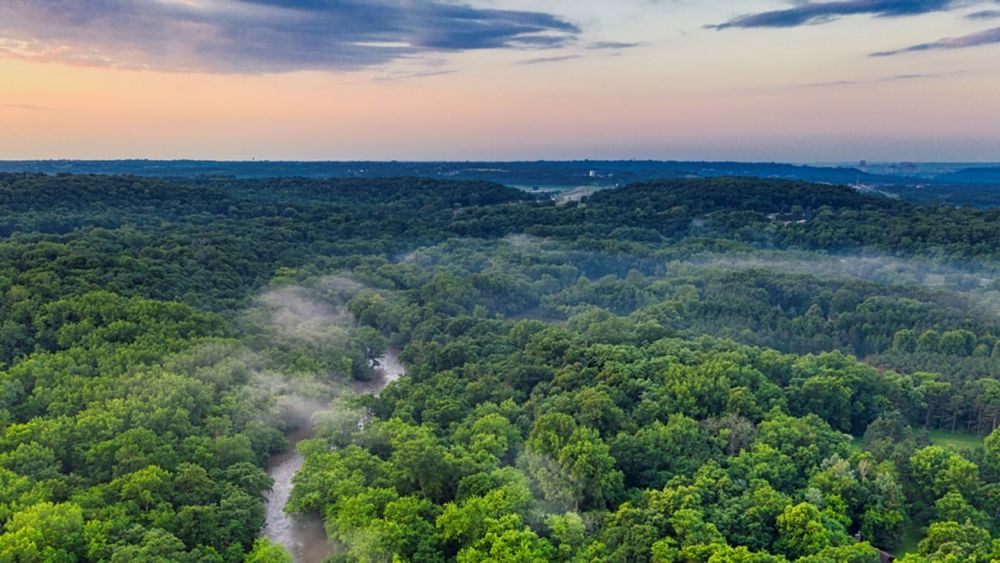
Outside major cities, provincial tourism depends on abundant nature. The more pristine an area is, the greater its economic value becomes. Carbon, therefore, is not simply an environmental issue. It is directly tied to the future competitiveness of tourism destinations.
We may begin to see hotels that can calculate the carbon emissions generated by each guest’s stay, restaurants that choose local ingredients to reduce transport distance, farms that earn income from carbon credits, or tourism routes designed to release the lowest possible level of greenhouse gases. These are not ideas from a distant future. They are already happening in many countries and are likely to become a new standard for the tourism industry within the next few years.
Perhaps the problem with carbon footprint does not lie in the complexity of the subject itself, but in the way we look at it. For many years, we have often talked about carbon as a scientific number, a cost burden, or a requirement that businesses must comply with. In reality, this issue may be the starting point for innovation, new business models, and economic opportunities still waiting to be discovered.
The important question, then, is not “Do we need to deal with carbon?” but “How can we turn carbon into a new opportunity for businesses and communities?”
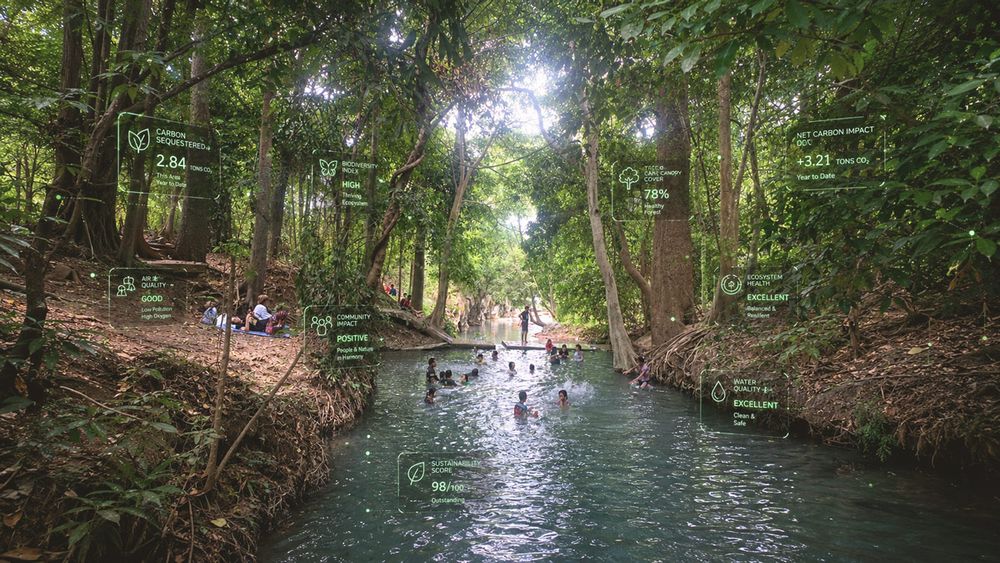
Because in a world that is changing rapidly, sustainability may no longer be an option. It is becoming one of the most important factors in competitiveness. Therefore, everyone involved in every dimension of the tourism business must recognize that natural areas are the heart of local economies. Seeing the value of carbon today may be the first step toward building a future that can grow while preserving our most valuable resources for the next generation.
© 2025 Khaoyai Connect. All rights reserved.
No part of this content may be copied, modified, or distributed in any form without prior written permission.
