


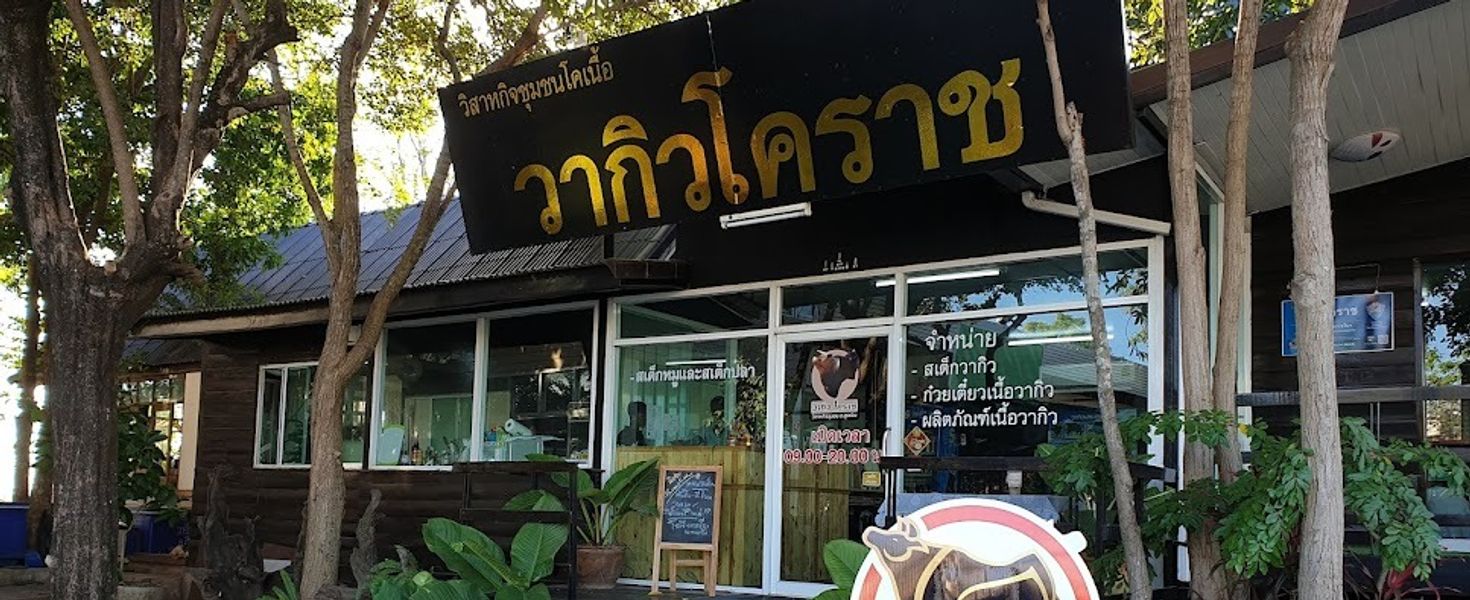
Juicy Satisfaction at “Wagyu Korat”:
Premium Beef Steak, a Specialty of Sung Noen District

greatly from the past. Nakhon Ratchasima is another province that has been actively promoting cattle farming. Each cattle farm is committed to developing its own operations, until the quality of its beef has become accepted by major domestic markets such as restaurants and hotels.
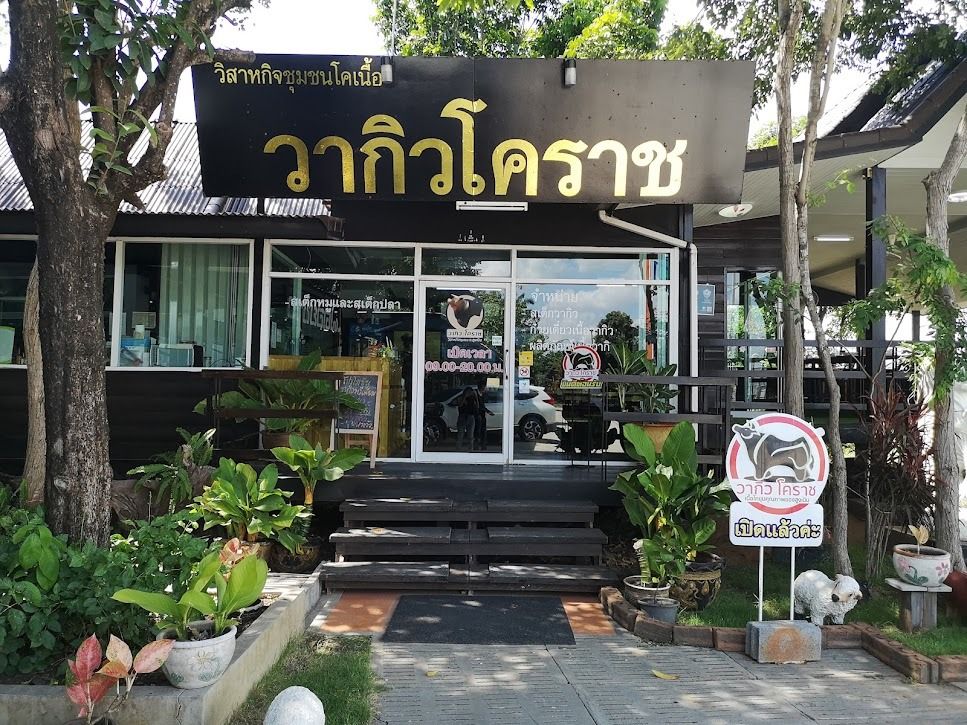
One particularly outstanding and interesting farm is “Ruam Ruai Korat Wagyu Farm,” located in Sung Noen District, Nakhon Ratchasima. The farm’s beef is supplied to many well-known hotels and restaurants. It has also opened its own restaurant, named “Wagyu Korat,” a place that no one visiting the area should miss checking in at.
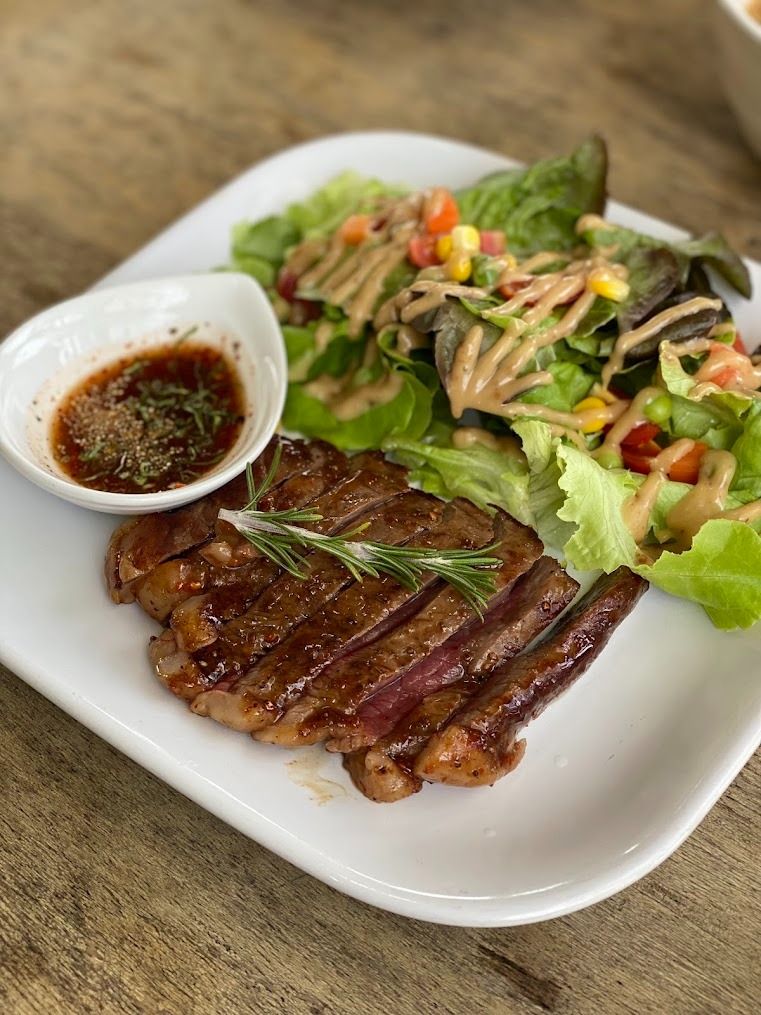
Because Wagyu beef is known for its distinctive tenderness and mellow texture, along with its fragrant aroma when grilled, and because the price is not too high, Wagyu Korat has become increasingly popular among both locals and tourists.
Anyone who has visited festivals in Korat will likely have come across the Wagyu Korat booth quite often, because this is one of Korat’s local specialties that everyone wants to try.

“Natta Boonyanant,” 38, the owner of Wagyu Korat, says the restaurant mainly sells steaks and dishes centered on Wagyu beef. The beef used in the dishes comes from her own farm, Ruam Ruai Korat Wagyu Farm, a medium-sized farm with around 60 cattle, including both breeding cows and fattened cattle. The feed used for fattening is a special formula that includes corn, cassava peel, molasses, rice bran, and spent brewer’s grain. This feed formula contains enough protein to help the cattle develop flecks of marbling, a distinctive characteristic of Wagyu. At the same time, the fat is beneficial, edible, and, most importantly, aromatic.
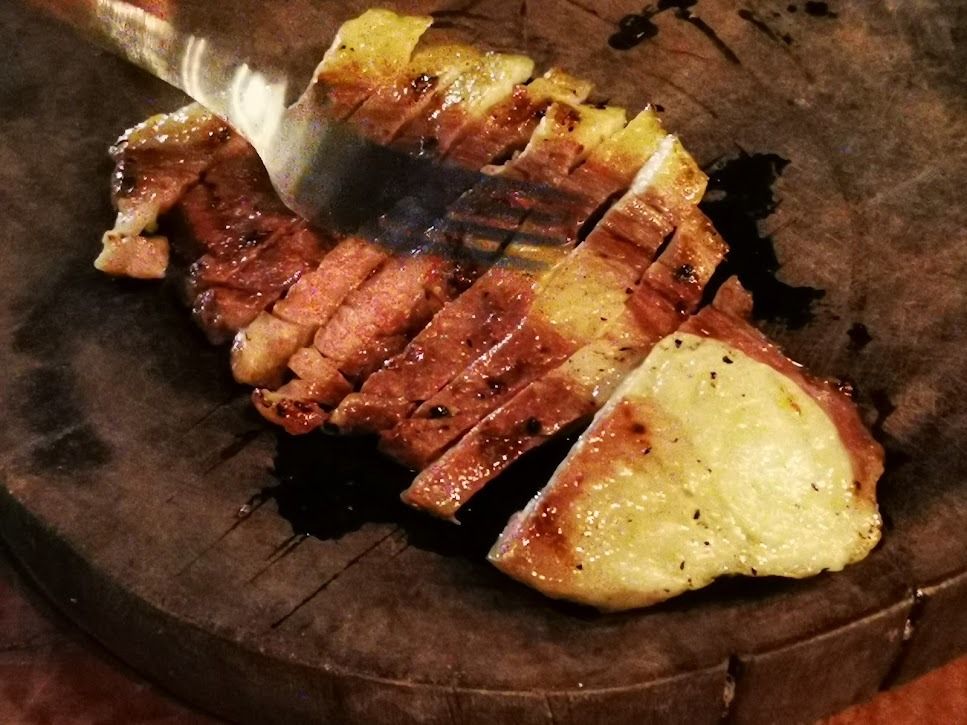
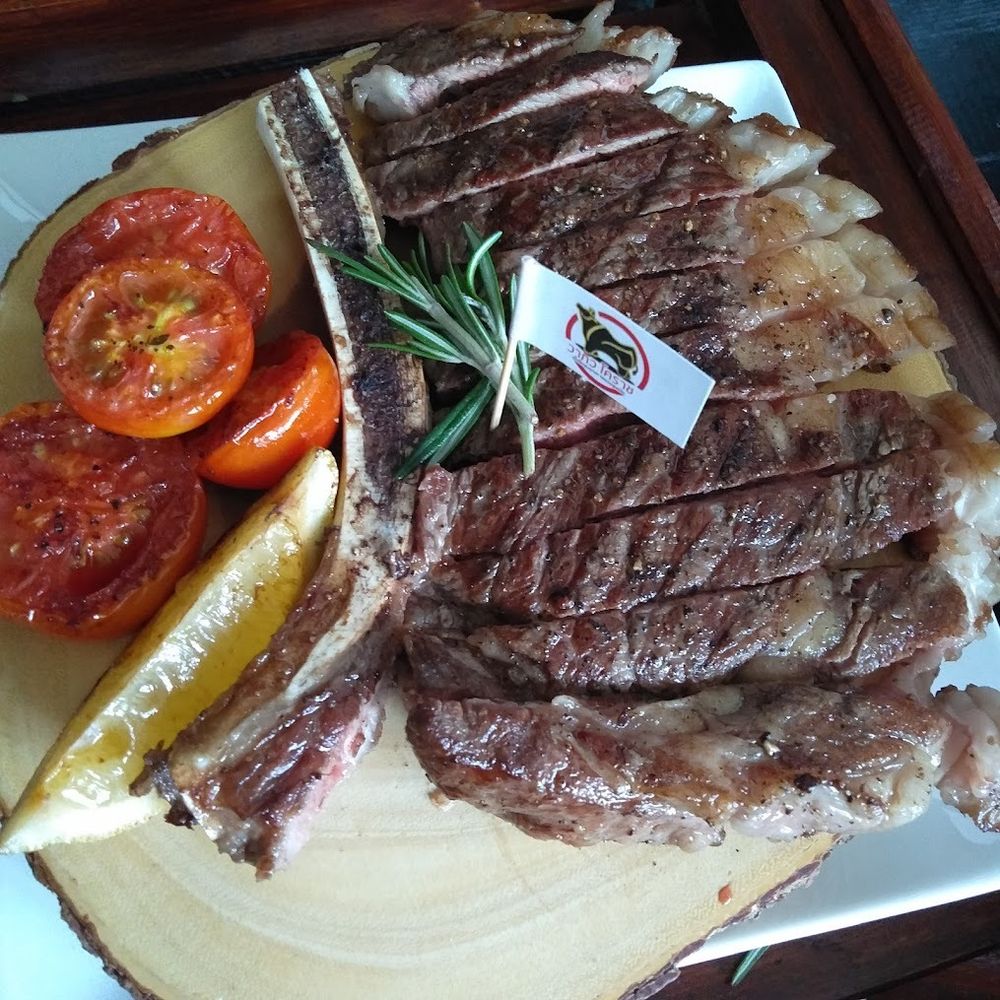
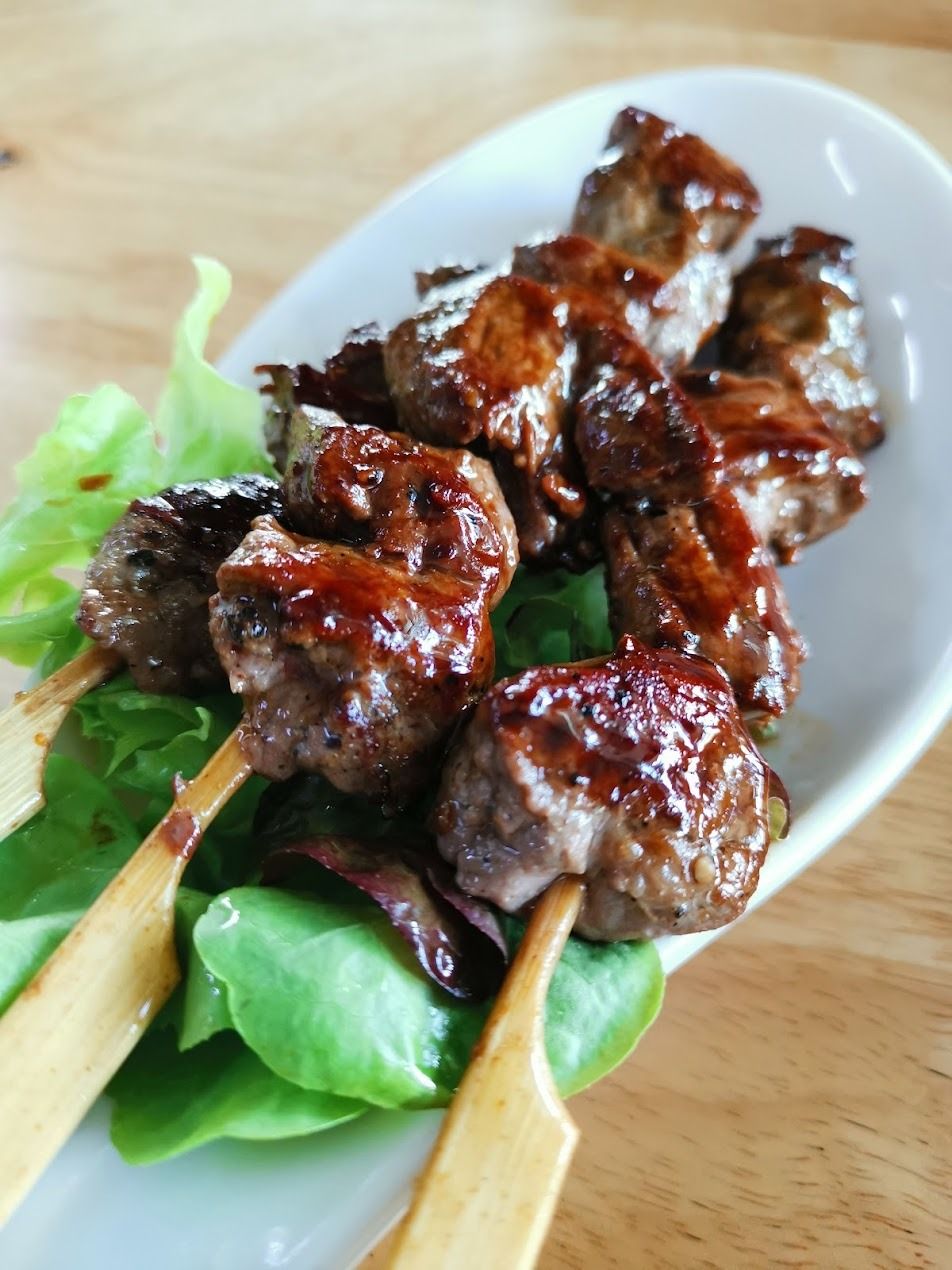
“The restaurant’s signature dish is the Wagyu Korat steak, priced at 300 baht per plate. Tenderloin is 600 baht per plate, and ribeye is 700 baht. We also present lesser-known secondary cuts to customers, such as oyster blade, flank, diaphragm or skirt, and bavette from the belly, which we serve as steak brushed with the restaurant’s own dipping sauce. These secondary cuts have a richness that is different from the prime cuts. Anyone who wants to know what that is like has to try them. We also sell frozen beef, starting from 350 baht per kilogram, supplying both hotels in Bangkok and restaurants in Khao Yai.”
Natta believes that Thai beef today has developed greatly compared with five years ago. In the past, Thai beef did not have much marbling because fattening methods had not yet been well developed. But now, universities have provided support by conducting research and helping farmers improve quality and achieve better prices. As a result, farmers no longer have to sell only to cooperatives; they can also supply other markets.
For anyone interested in tasting premium Wagyu beef, the restaurant is open from 9:00 a.m. to 6:00 p.m. It is open every day and closed every Thursday. One thing is certain: Thai beef is absolutely second to none.
© 2025 Khaoyai Connect. สงวนลิขสิทธิ์
ห้ามคัดลอก ดัดแปลง หรือเผยแพร่เนื้อหาทั้งหมดหรือบางส่วนโดยไม่ได้รับอนุญาต
