

The Tiger of Lam Takhong: “Takong,”
an Indicator of the Health of the Ban Tha Chang Natural Spring Ecosystem

Development is a good thing. But any development that may affect an existing ecosystem must be carefully reconsidered, because there is no way to know how great or small the consequences of such change may be. As the saying goes, “Pluck a flower, and the stars tremble”—a reminder that every action is interconnected. Even a seemingly small act can have far-reaching consequences later on.
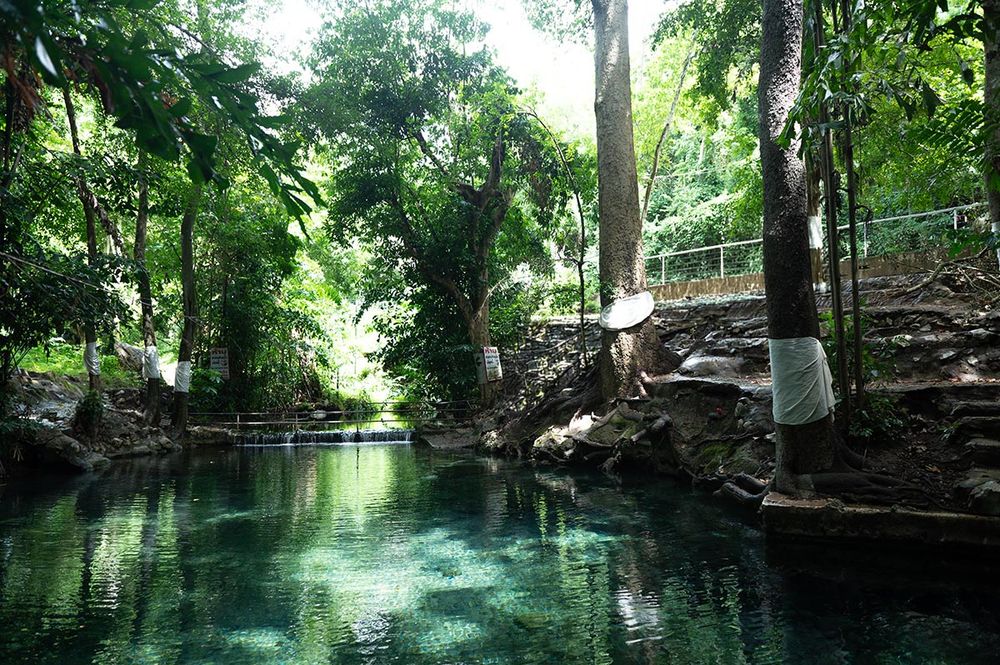

The Ban Tha Chang Natural Spring development project in Mu Si Subdistrict, Pak Chong District, Nakhon Ratchasima Province, is one project that must be undertaken with great care. The area has a fragile ecosystem and is home to a natural spring that local people have relied on for generations.
One of the main concerns is the Takong, a native animal found throughout the area and the source of the name Lam Takhong as it is known today.
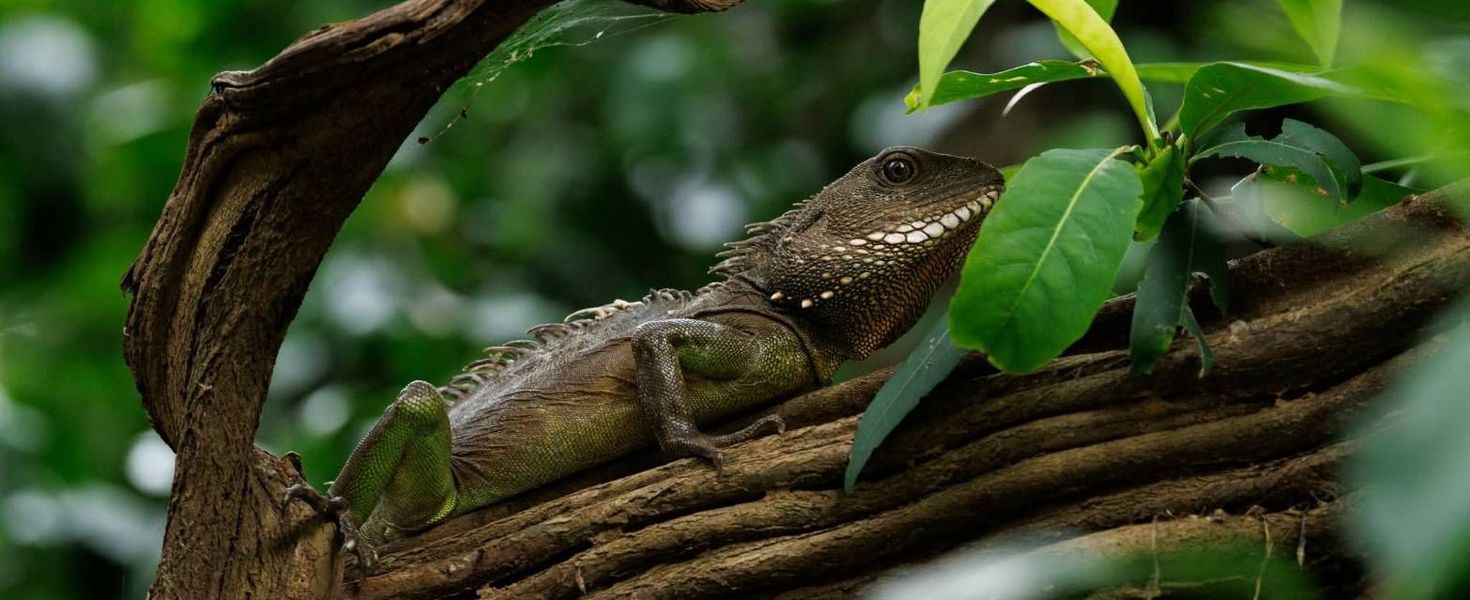
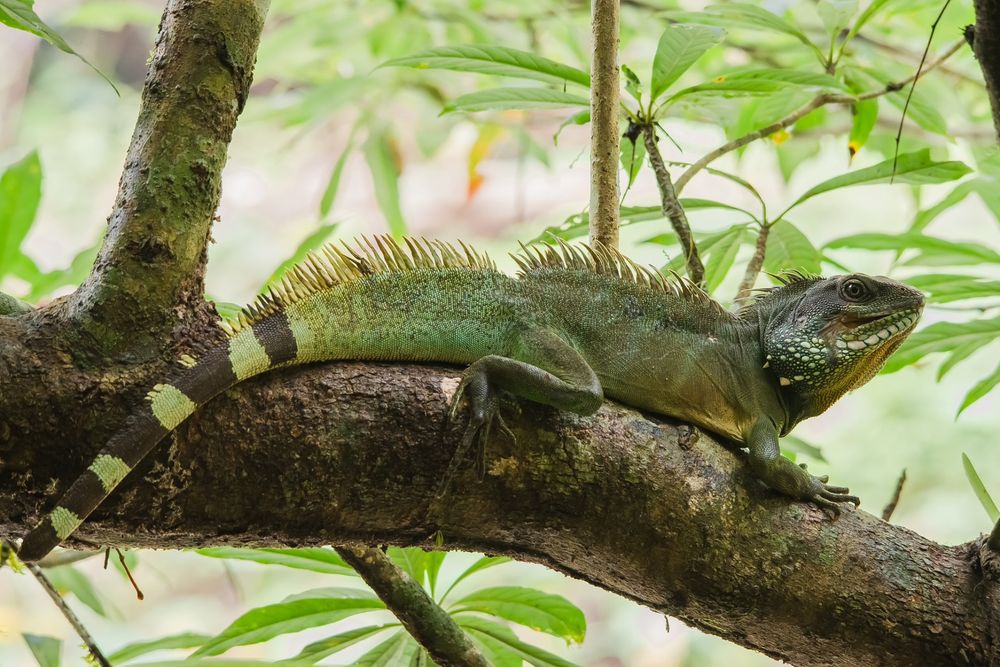
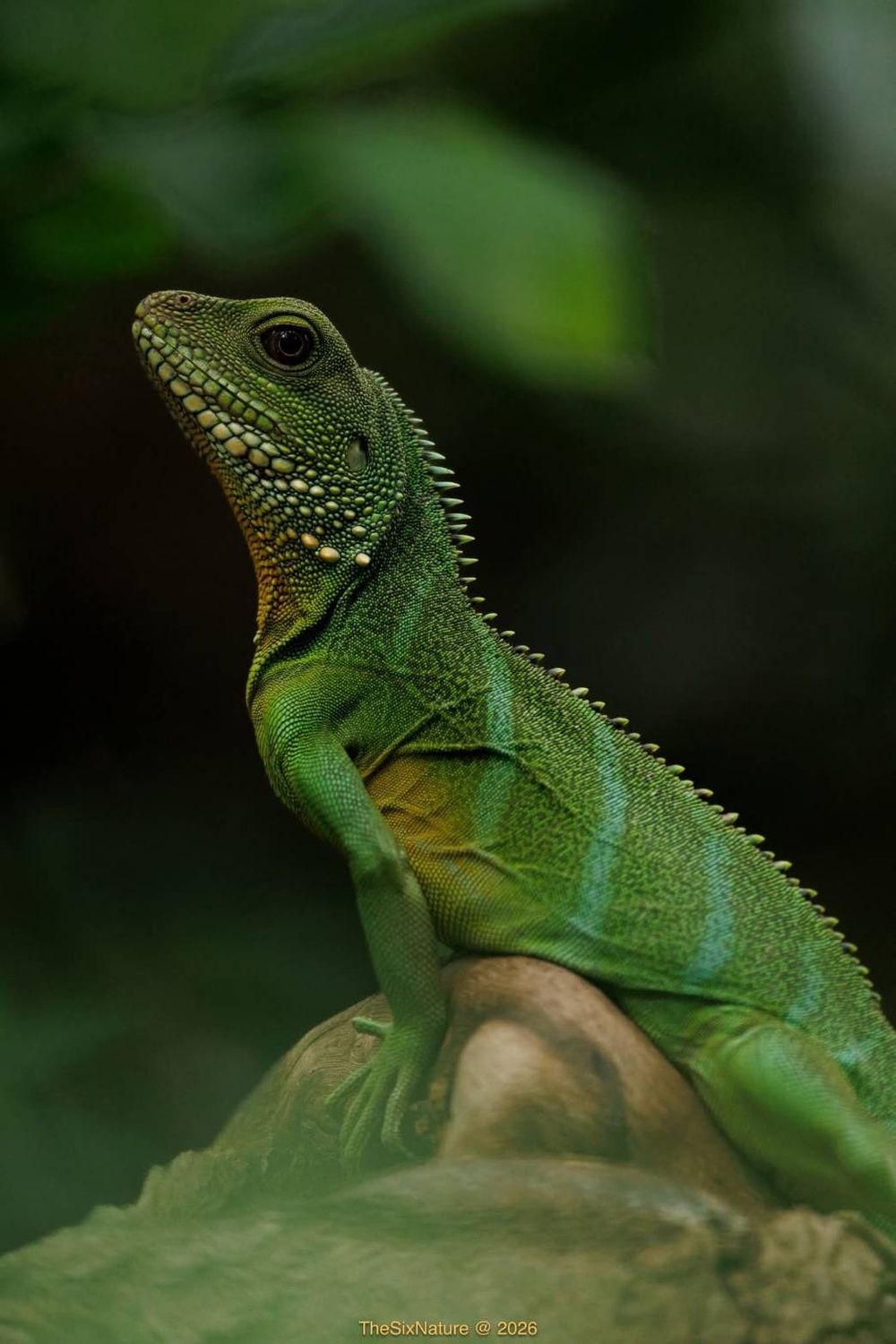
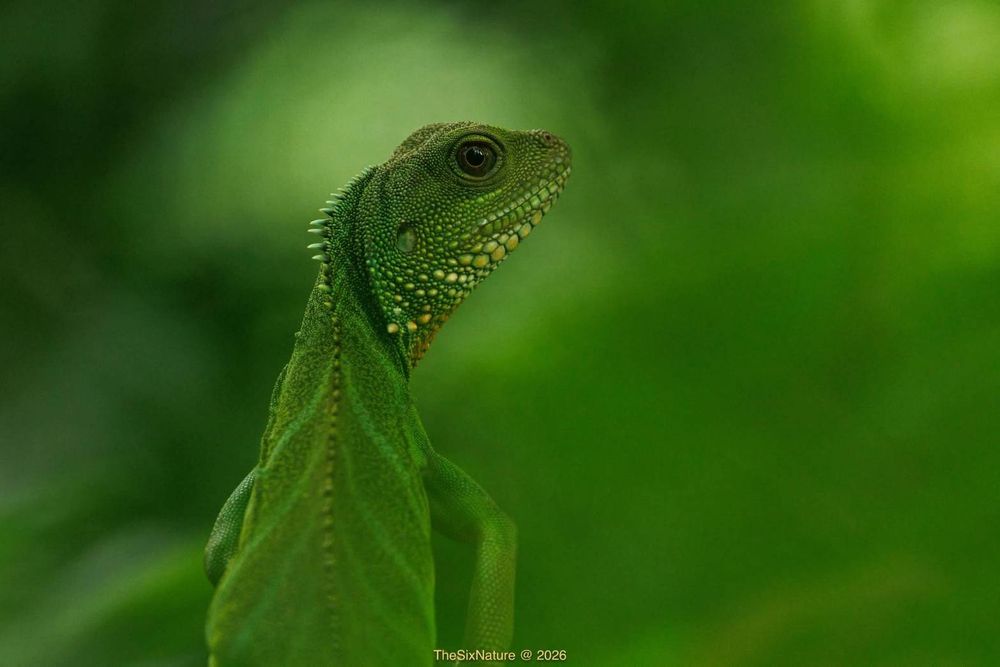
Takong is a giant green lizard, with some specimens recorded at up to 1.2 meters long. Known in English as the Chinese water dragon, it is distributed across China, Laos, Vietnam, Cambodia, and Thailand. In Thailand, it is found mainly in the eastern region and in parts of the Northeast.
Khaoyai Connect had the opportunity to sit down with Best—Rujira Mahaprom, an independent forestry and wildlife researcher, together with the Ba-Thamma-Chart group and representatives from Nakhon Ratchasima Zoo involved in studying Takong in the Lam Takhong area, to discuss the species’ importance to the ecosystem around Ban Tha Chang Natural Spring.
“Takong is the tiger of Lam Takhong,” Rujira said, describing the species’ importance as an indicator of the richness and health of the natural environment.
The presence of Takong means that the area still provides suitable habitat and an abundant food supply.
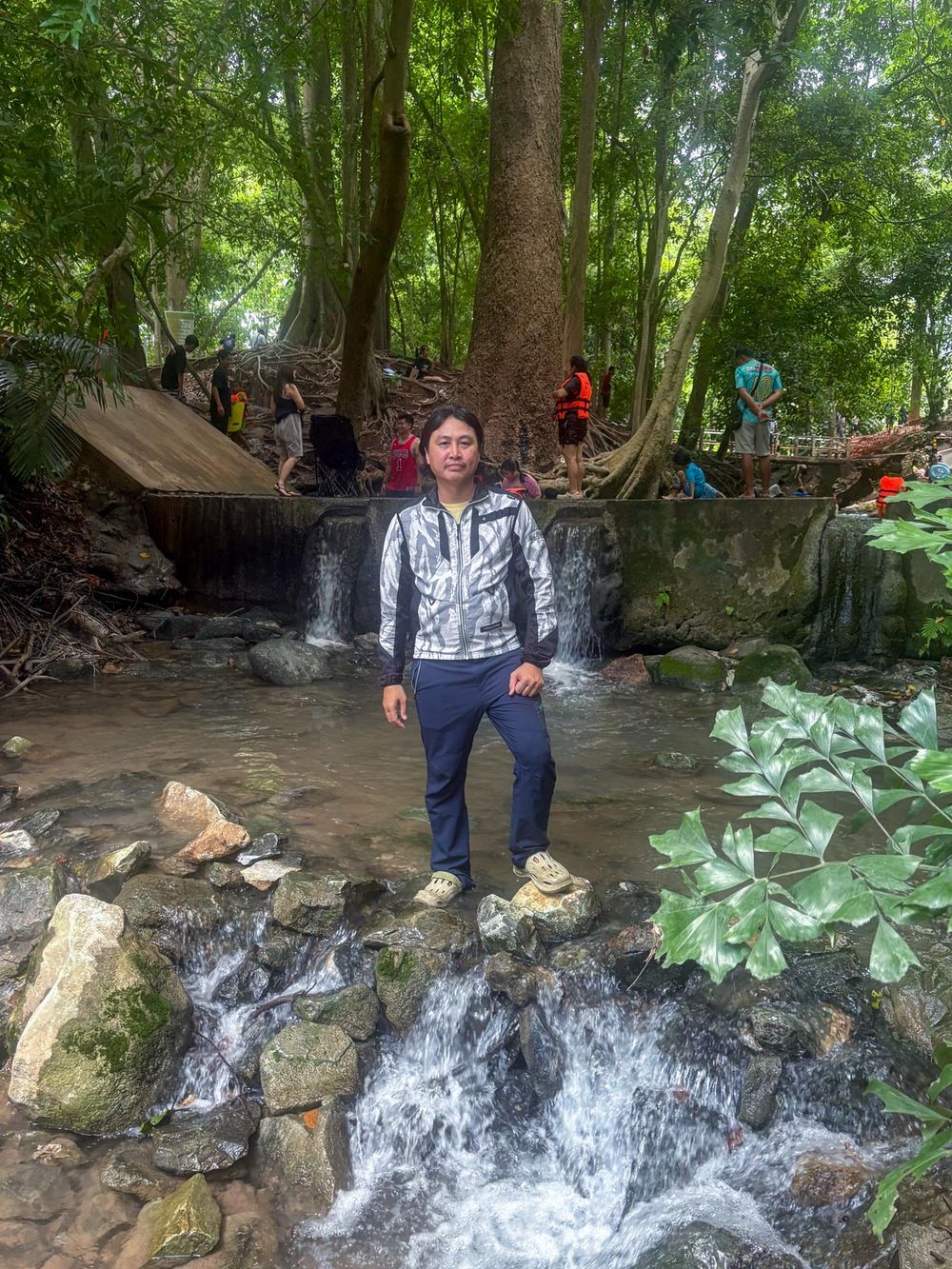
“Along Lam Takhong, we surveyed three or four routes, each about four to five kilometers long. The natural spring was one of those routes. We found quite a lot of them in this area—more than 30 individuals. Takong plays a very important role in the ecosystem. We may not notice that role clearly because the animal is small, but it helps control populations of other animals, such as insects, lizards, and toads. All of this is part of the animal ecosystem.”
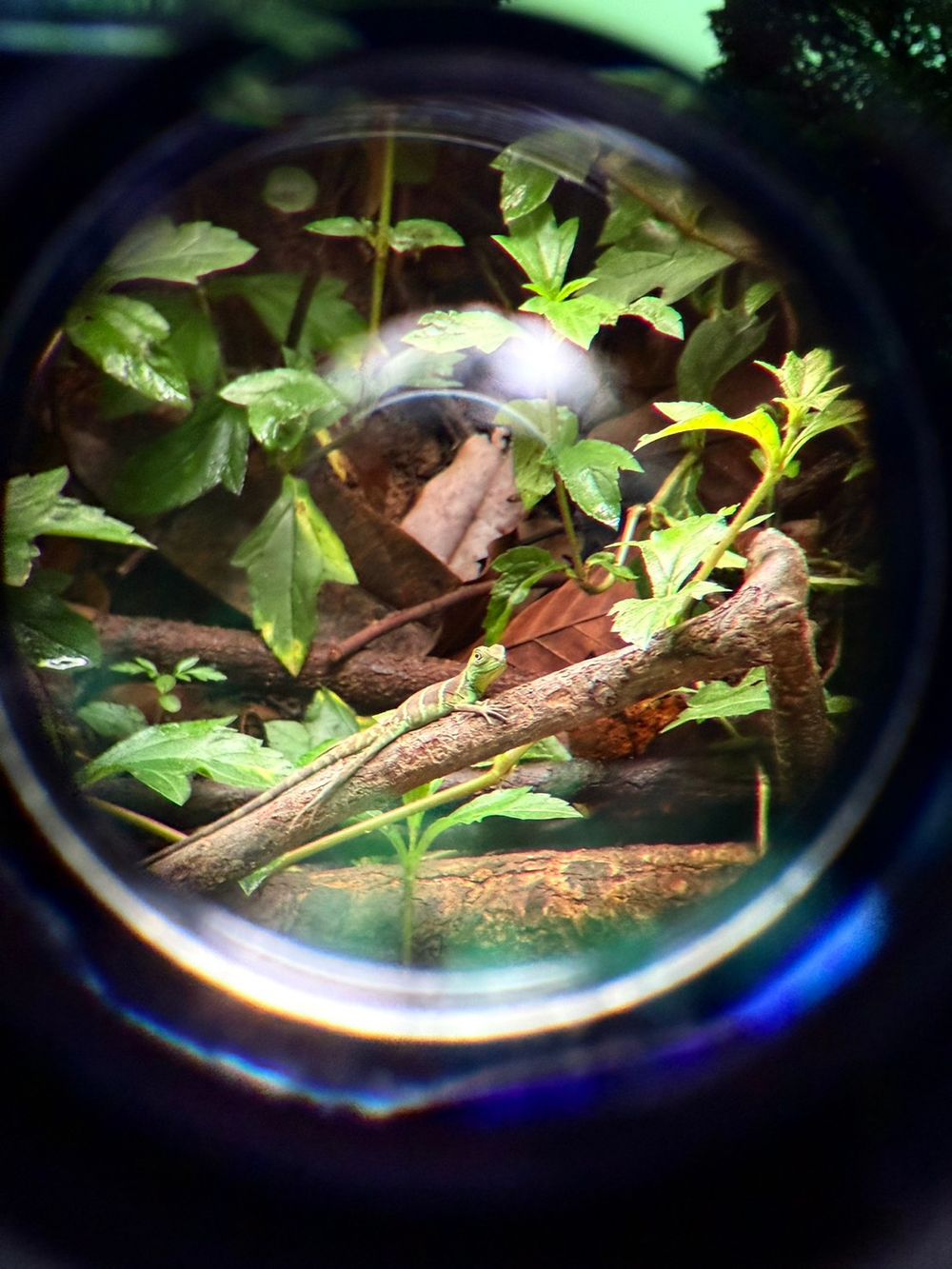
Rujira explained that Takong can survive only where there is water, large trees, sandy banks, or patches of slightly sandy soil. Across the four surveyed routes, the places they favored most were beneath tall, shady trees in relatively cool areas.
“According to our data, fig trees attract flies and fruit flies, which are food for Takong. They also feed on aquatic animals such as snails, shrimp, and small fish. This shows how everything is interconnected.”
Sadly, development in natural areas carried out without a proper understanding of the ecosystem has left Takong endangered. The ecosystem has changed, streamside habitats have disappeared, and large trees are becoming increasingly scarce.
“Every development project must take this issue seriously. Global trends indicate that Takong is at risk of extinction, and its survival rate is low. Out of a clutch of ten eggs, only one or two may survive.”
To identify a Takong, Rujira said, do not confuse it with an iguana. Takong has no dewlap and has a short face, like native Thai lizards. A crest runs from the crown of its head down its back. It has white scales along the edges of the mouth, a green body, and a banded tail. Iguanas, by contrast, have longer faces, dewlaps, and bumps on the face.
“Takong is extremely important because it is the origin of the name Lam Takhong. It should therefore become an iconic symbol—a landmark of Lam Takhong. In fact, Pak Chong should feature the Takong on its ‘Gateway to Isan’ arch.”
Although no one can yet say with certainty what would happen if Takong disappeared, one thing is clear: when one cog in an ecosystem is lost, there will inevitably be consequences. The only question is how great those consequences will be.
© 2025 Khaoyai Connect. All rights reserved.
No part of this content may be copied, modified, or distributed in any form without prior written permission.
