


Isan Creative Festival 2026 Opens Its Sixth Edition, Igniting a New Future for Isan’s Creative Economy
From Big Data to urban design, from cultural capital to games, and from the art market to a contemporary art landscape
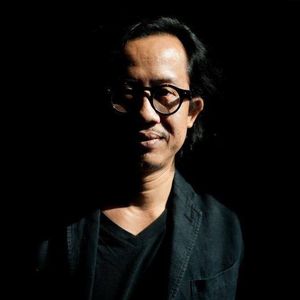
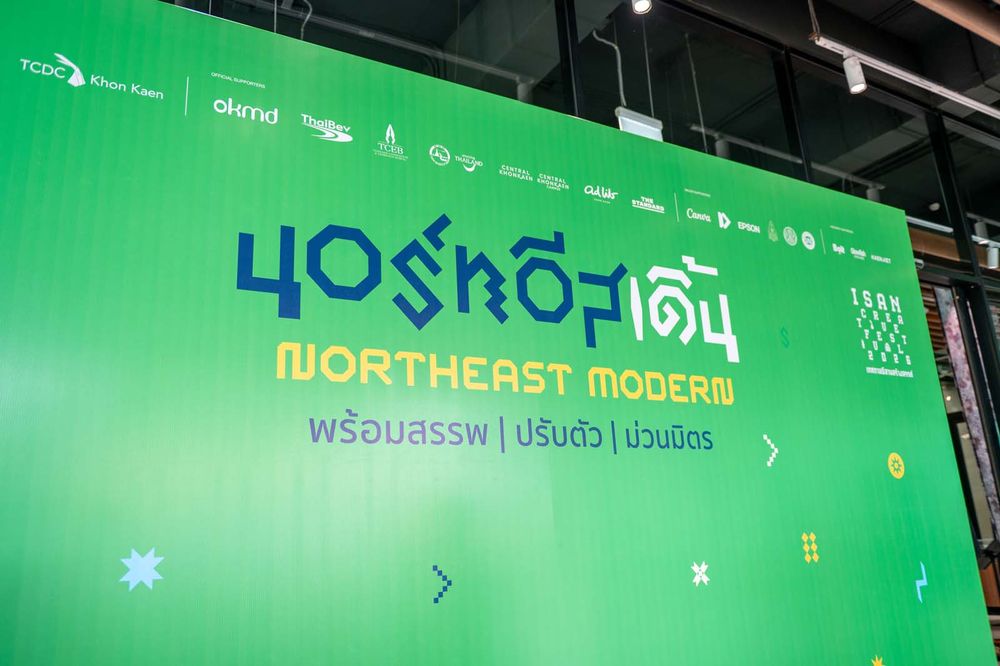
Khon Kaen has come alive once again with the opening of Isan Creative Festival 2026, now in its sixth consecutive year. Organized by the Creative Economy Agency (Public Organization), or CEA, in collaboration with networks across all 20 provinces of Northeastern Thailand, the festival is held under the theme “NORTHEAST MODERN – Abundance | Adaptation | Connectivity” from July 11–19, 2026.
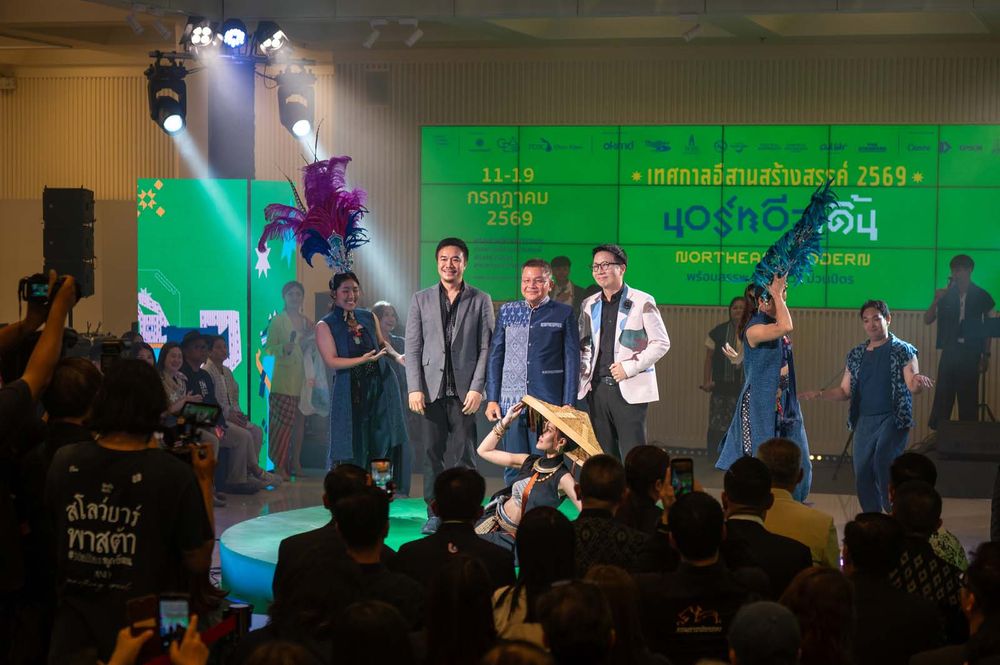
The opening ceremony on July 11 at the Khon Kaen Treasury Museum was presided over by Kosol Pattama, Advisor to the Minister attached to the Prime Minister’s Office. Also in attendance were Yuthaporn Piroonsarn, Vice Governor of Khon Kaen; Dr. Chakrit Pichyangkul, Executive Director of the Creative Economy Agency (CEA); representatives from government agencies, the private sector, and educational institutions; creative networks from Thailand and abroad; and a large contingent of media representatives.
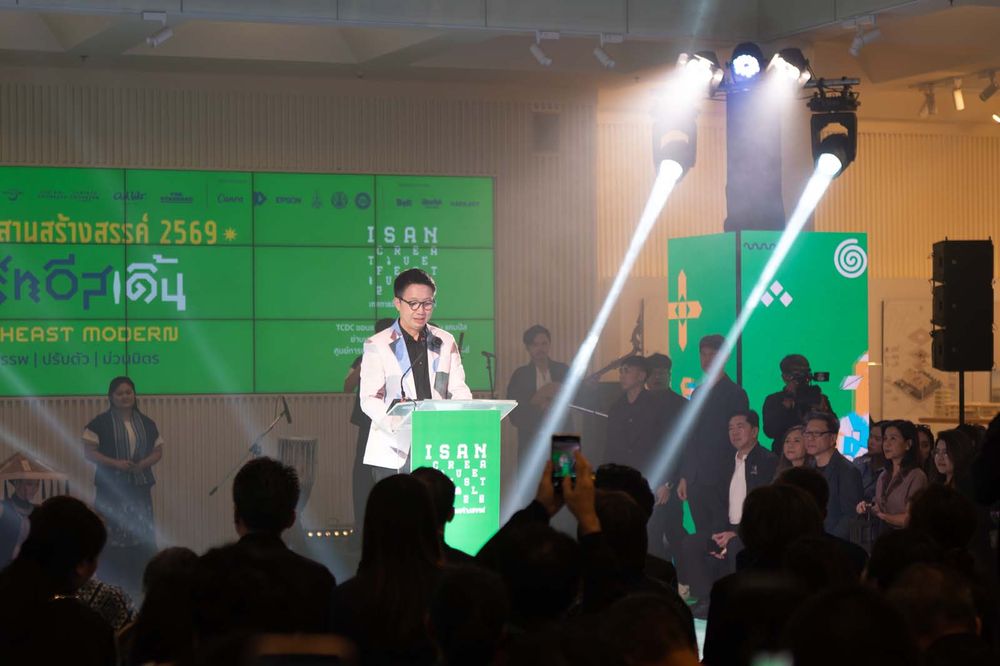
CEA aims to attract 250,000–280,000 visitors to this year’s festival and generate no less than THB 800 million in economic value through more than 200 activities. These are spread across key venues including TCDC Khon Kaen, Central Khonkaen, Central Khonkaen Campus, Sri Chan Creative District, and the Khon Kaen International Convention and Exhibition Center (KICE).
Dr. Chakrit stated that Thailand’s creative economy is currently worth approximately THB 1.6 trillion, or around 8% of the country’s GDP. Isan is regarded as one of the regions with the strongest cultural capital, which can be developed into new products, services, and industries capable of competing globally.
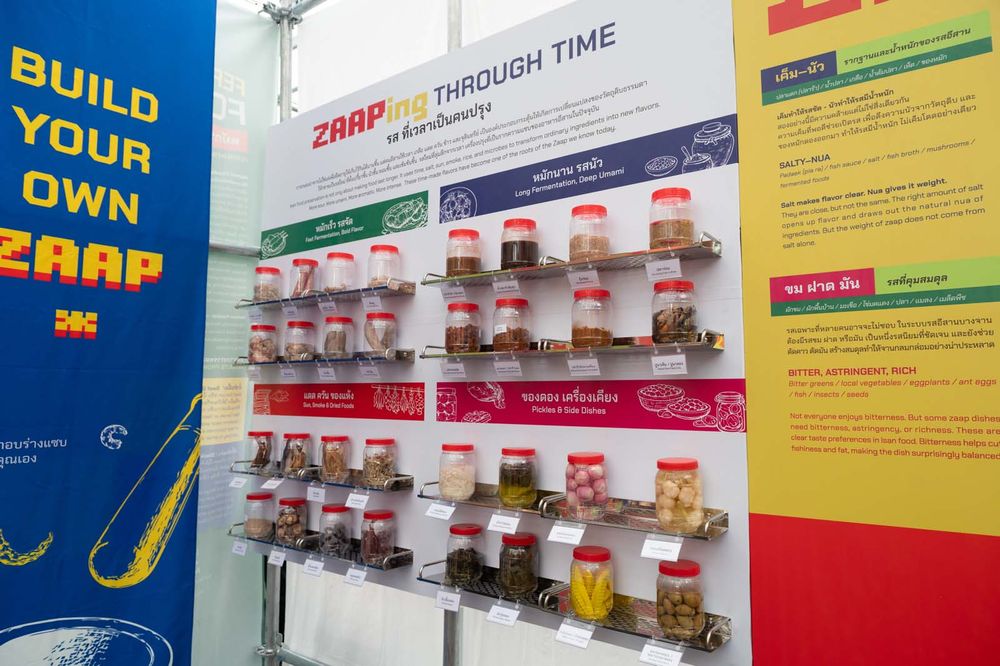
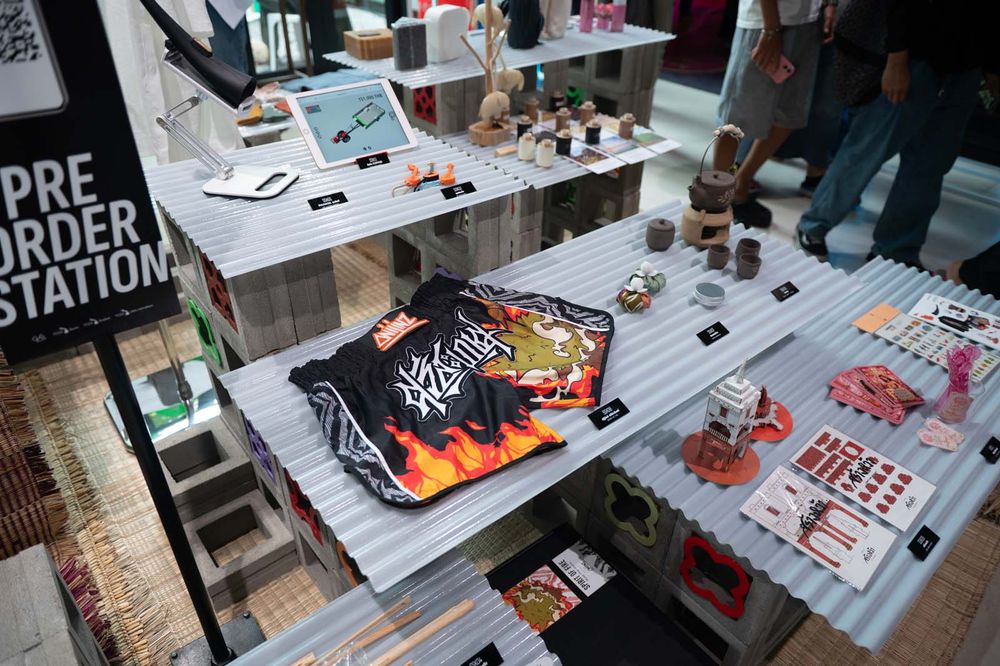
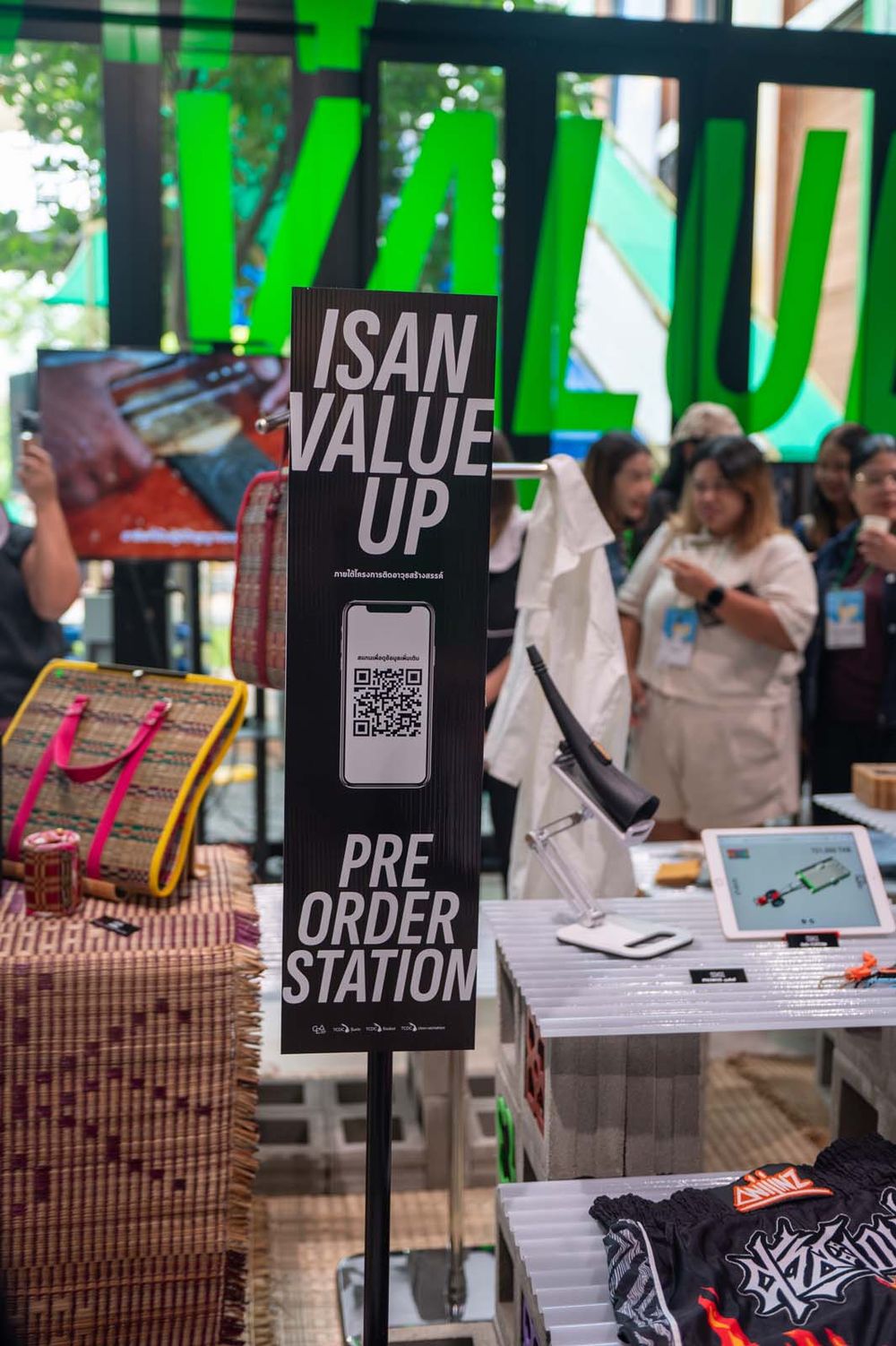
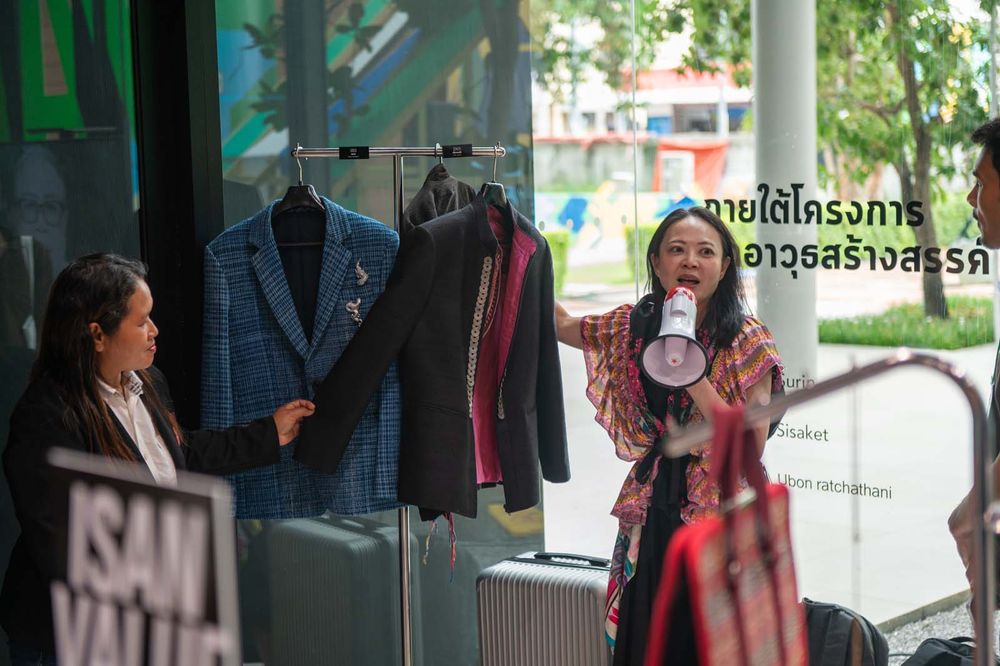
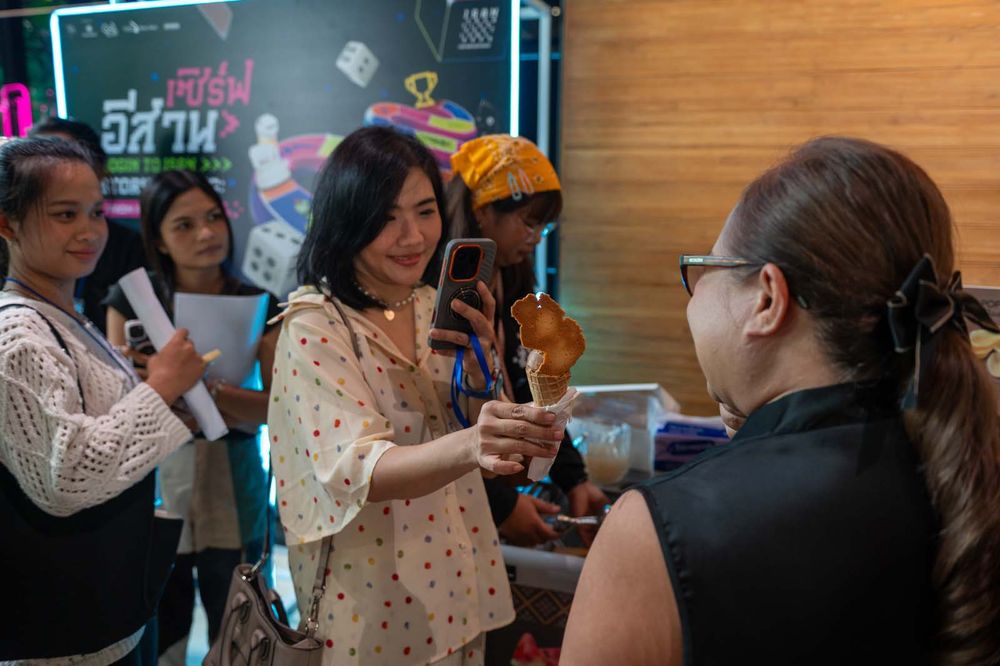
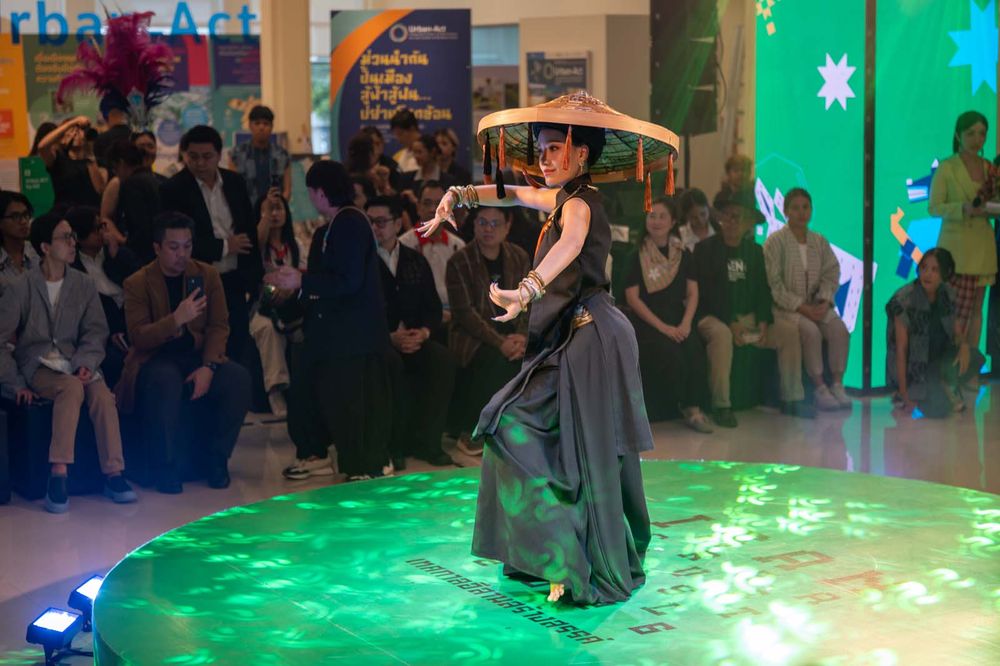
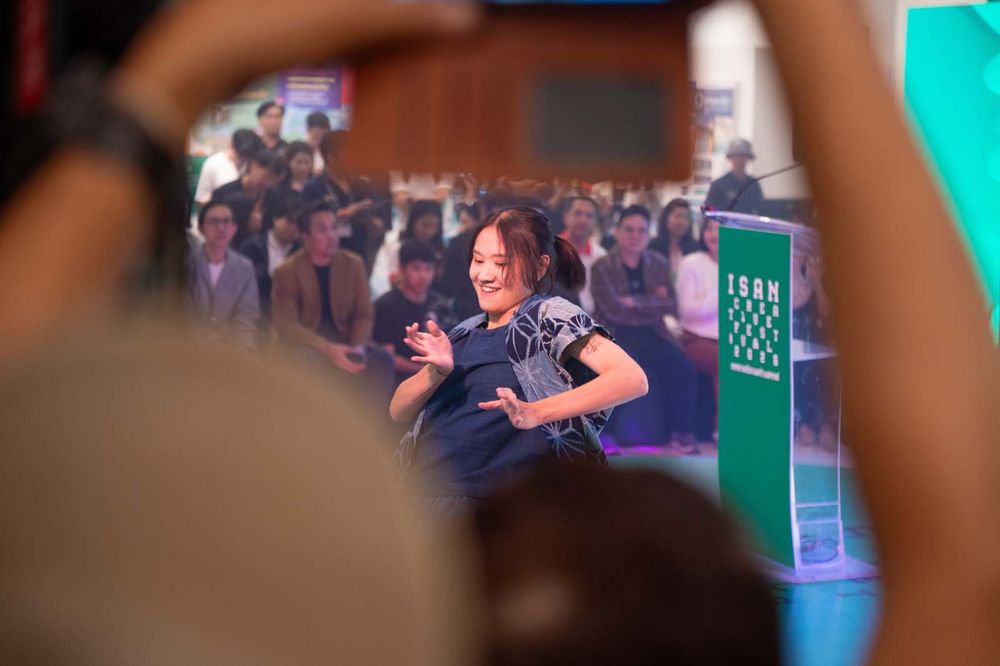
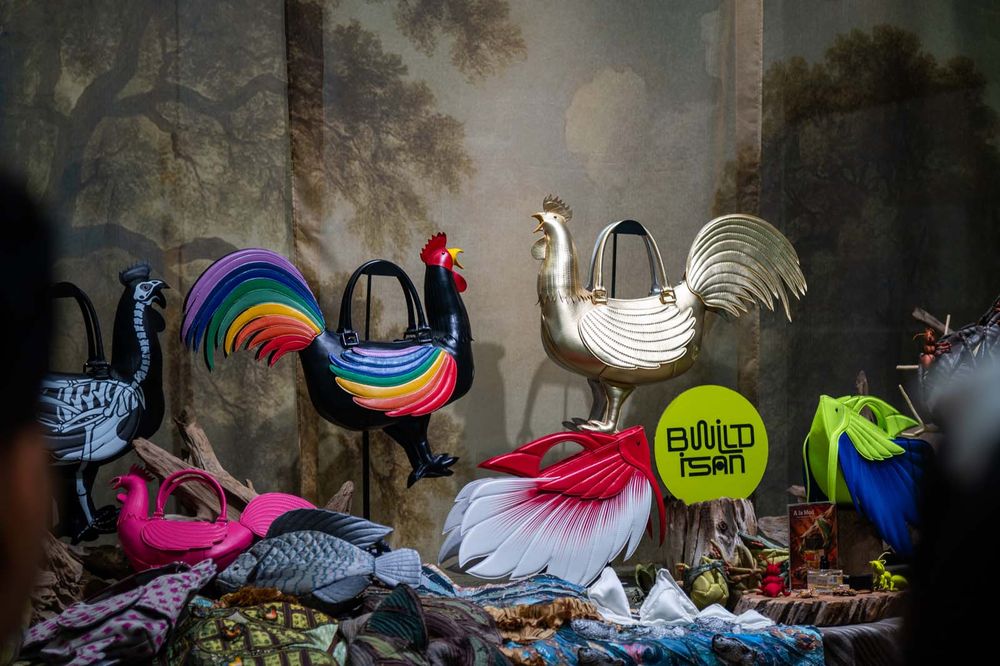
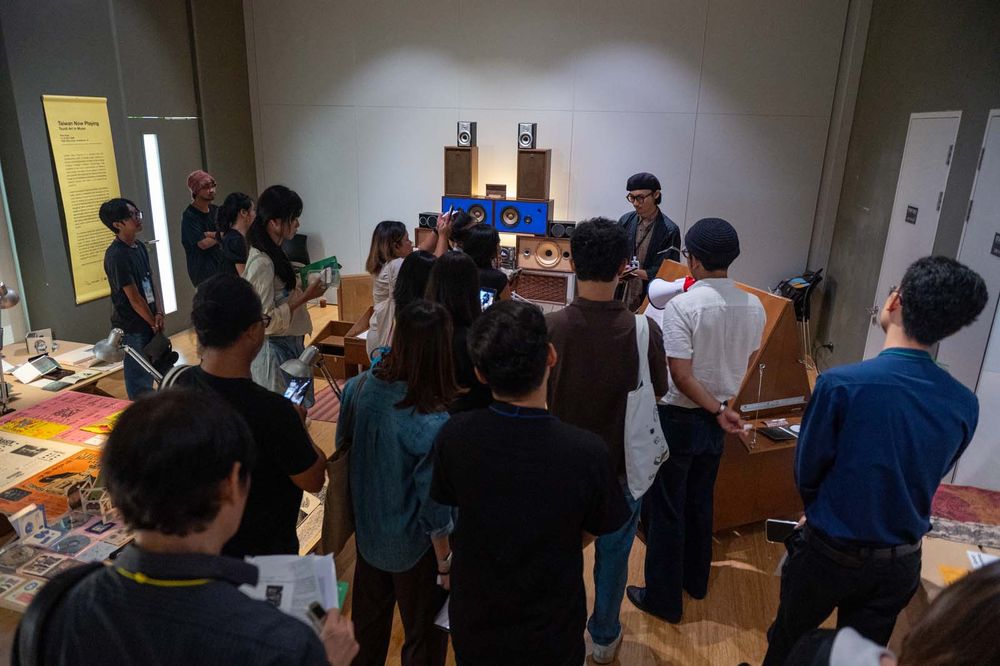
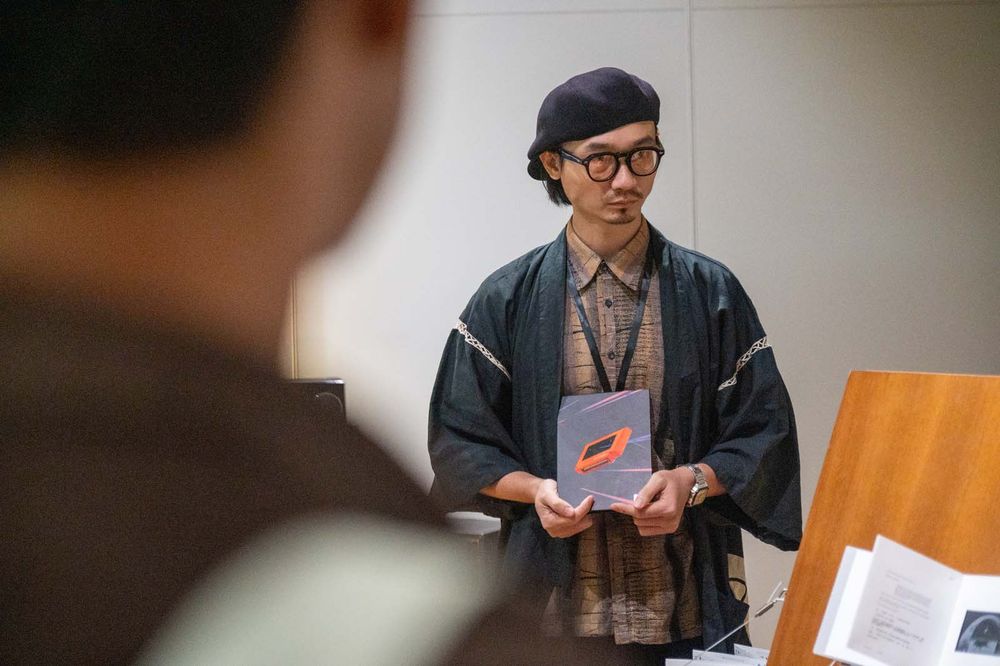
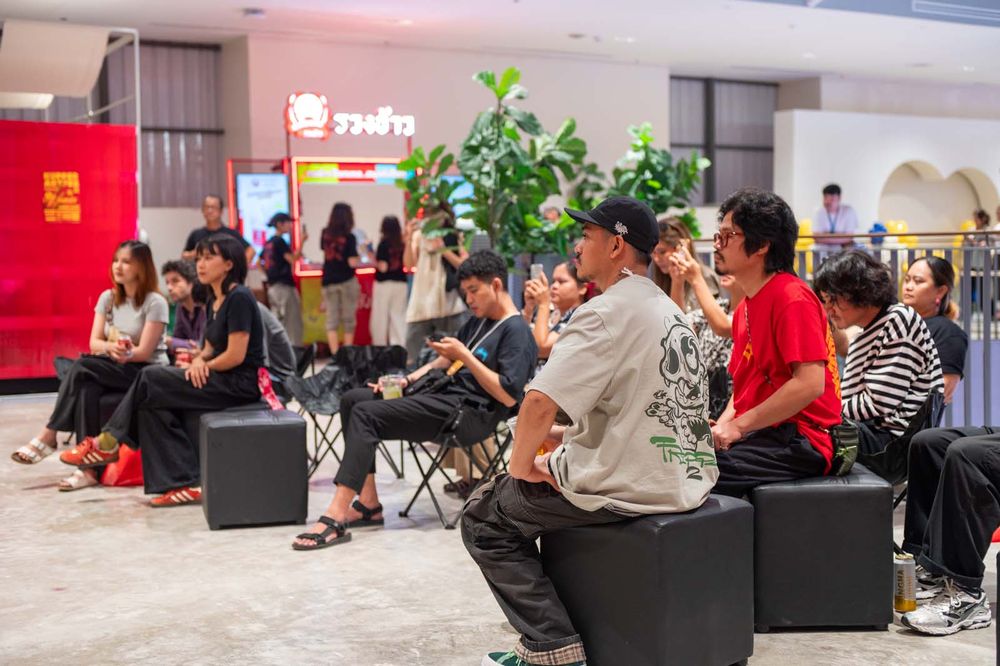
Although these targets reflect the festival’s ambition, a walk through the venues on opening day revealed an atmosphere quieter than in many previous years.
Many zones could be explored comfortably, with visitor numbers less dense than during the festival’s earlier period of rapid growth. The bustle that once defined the Isan Creative Festival seemed to have diminished considerably. This may partly be because the festival has been dispersed across several locations rather than concentrated at TCDC as in previous years. In particular, all creative-product zones were moved to Central Khonkaen Campus and Central Khonkaen. Even Kupper, the art fair and exhibition, was held inside a shopping mall.
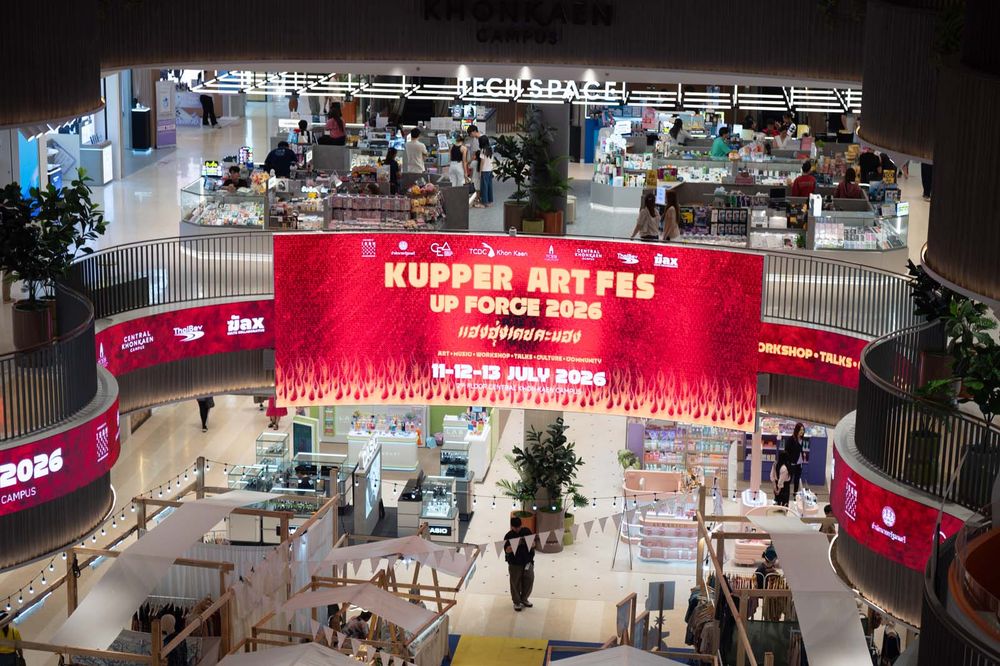
Of course, judging the festival’s success on its first day alone may be premature, and total attendance over the nine-day event may tell a different story from the impressions of opening day. Nevertheless, the scene raises an important question: now that the festival has reached its sixth year, how can it meet the challenge of creating new attractions that continue to draw audiences?
Yet, looking beyond the number of visitors, the more compelling story lies in the “quality of the content,” which has clearly advanced in several areas—particularly exhibitions that connect creativity with real social challenges.
One of this year’s most outstanding exhibitions is Urban-Act: "ม่วนนำกันปั้นเมือง สู้ฟ้าสู้ฝนบ่ย่านโลกฮ้อน" (Joyfully Shaping the City Together: Braving the Elements, Unafraid of a Warming World), which presents the use of Big Data and data science to design cities capable of responding to climate change.
Rather than beginning with the question, “How can flooding be solved?” the exhibition invites visitors to consider a simpler question:
“If the same heavy rain falls everywhere… who survives?”
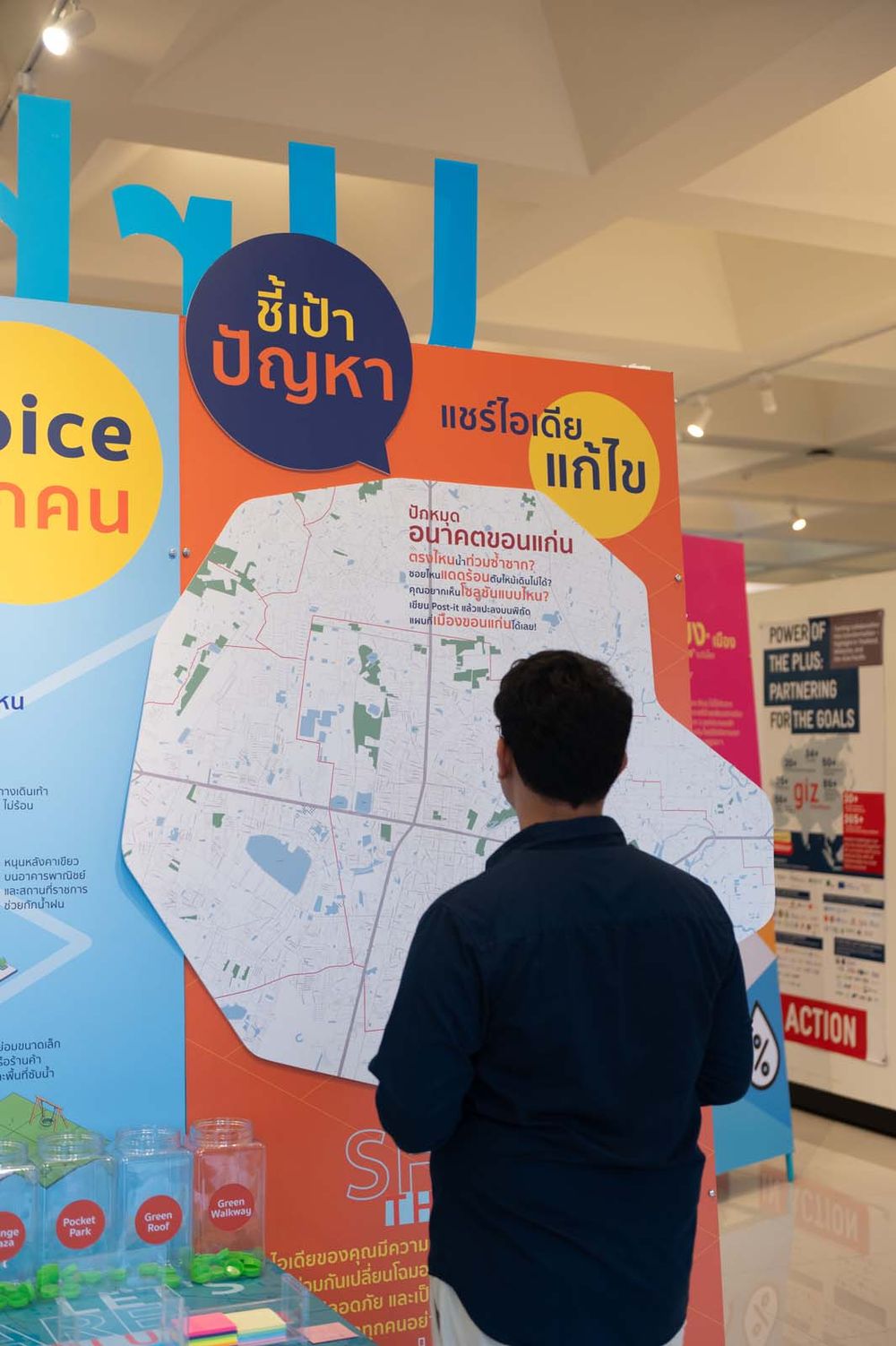
The answer lies not in the amount of rainfall, but in the “risk” faced by each area—a risk shaped by many factors, including topography, land use, population density, drainage systems, and green space.
Urban-Act overlays these datasets to produce a Risk Map of the city, then develops the findings into policy proposals such as water-retention areas, rain gardens, sponge parks, and green infrastructure.
What makes the exhibition particularly interesting is that it does not stop at explaining the concept. It seeks to translate academic data into practical tools that local administrative organizations and government agencies can genuinely use for urban planning and investment prioritization.
At a time when cities must contend with floods, droughts, and heat waves, creativity no longer means beautiful design alone. It also means designing systems that help cities survive in the future.
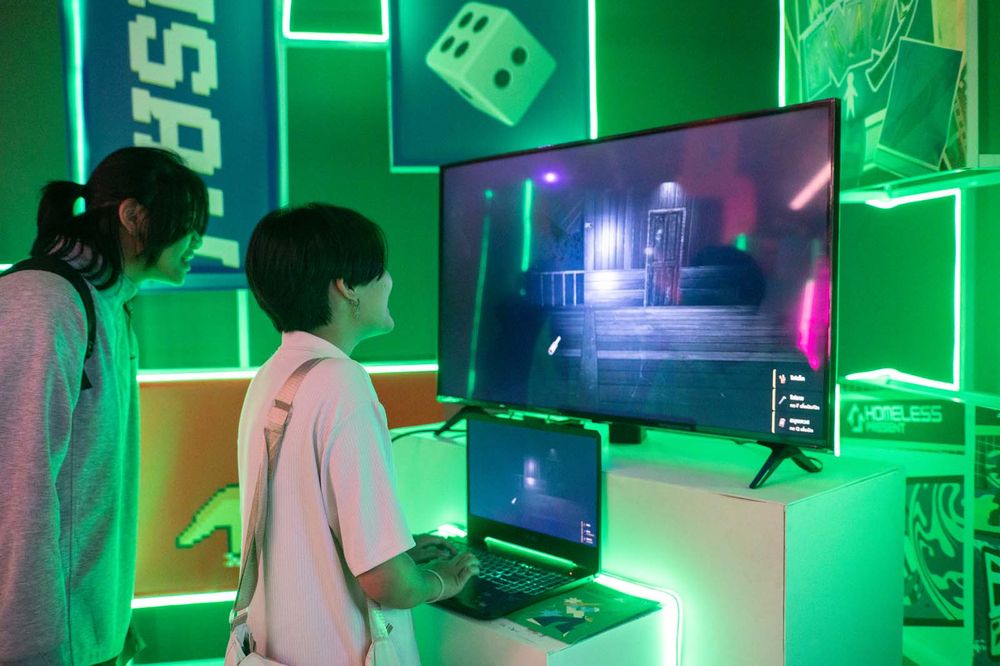
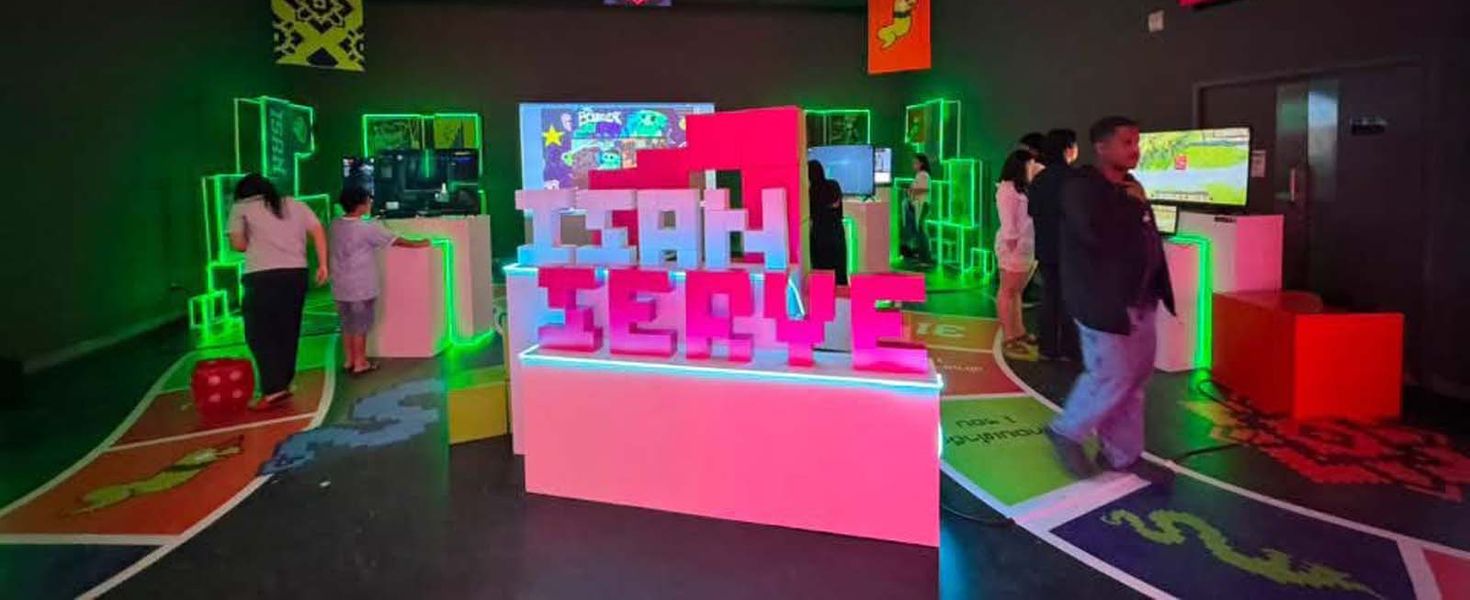
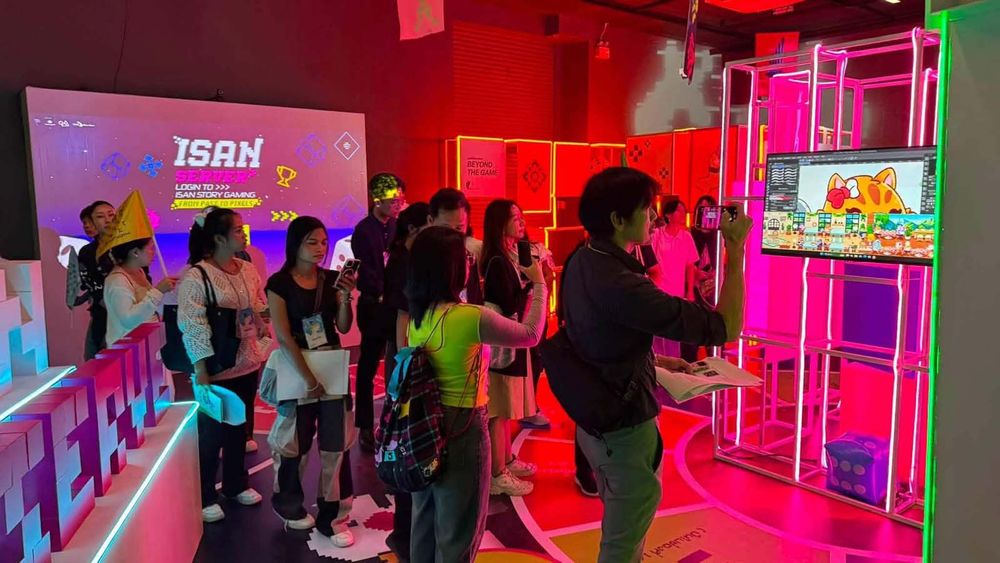
Another exhibition attracting attention is Isan Server, Login to Isan Story, presented in the gallery at TCDC. It may be one of this year’s most in-depth explorations of the concept of Soft Power.
Instead of asking, “How can Phi Ta Khon or the Naga be put into a game?” the exhibition poses a new question: “How can culture be transformed into a system of play?”
Inside the gallery, the development team created the Isan Heritage Wheel, or an “Isan Cultural Capital Map,” dividing cultural elements into six dimensions: beliefs and folklore; language and narratives; music and performance; crafts; food and ways of life; and landscapes and places.
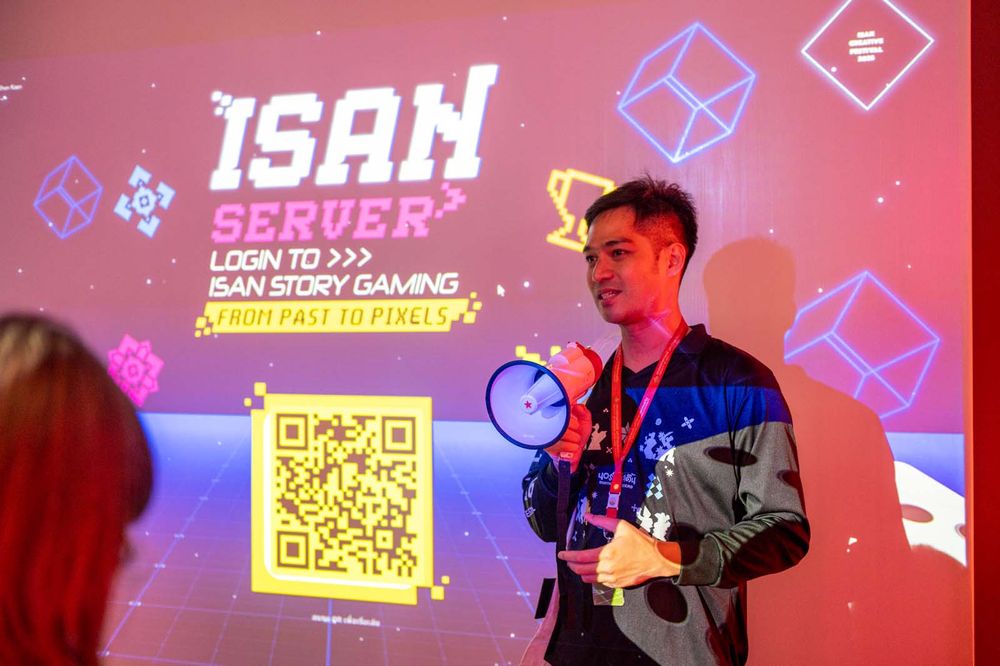
The exhibition’s central point is that culture is not merely “raw material,” but a “system” with its own structures, rules, beliefs, and ways of thinking.
Game development, therefore, is not simply about placing textile patterns on characters or turning a Naga into a boss. It is about extracting the “grammar of culture” and translating it into a system of play.
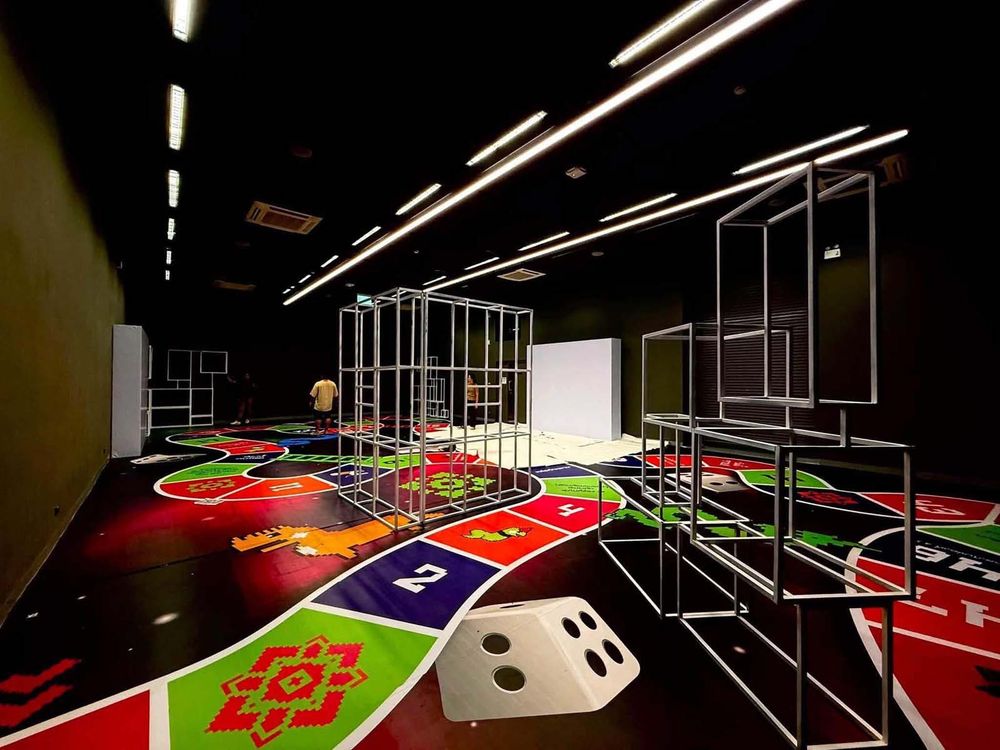
The exhibition also guides visitors through the idea of Cultural Code Disassembly, or “cultural decoding,” before connecting it to prototype games by developers working across Isan in Nakhon Ratchasima, Khon Kaen, and Ubon Ratchathani.
One statement displayed in the exhibition reads: “Exhibits do not make people feel, but things they can play turn people into storytellers.”
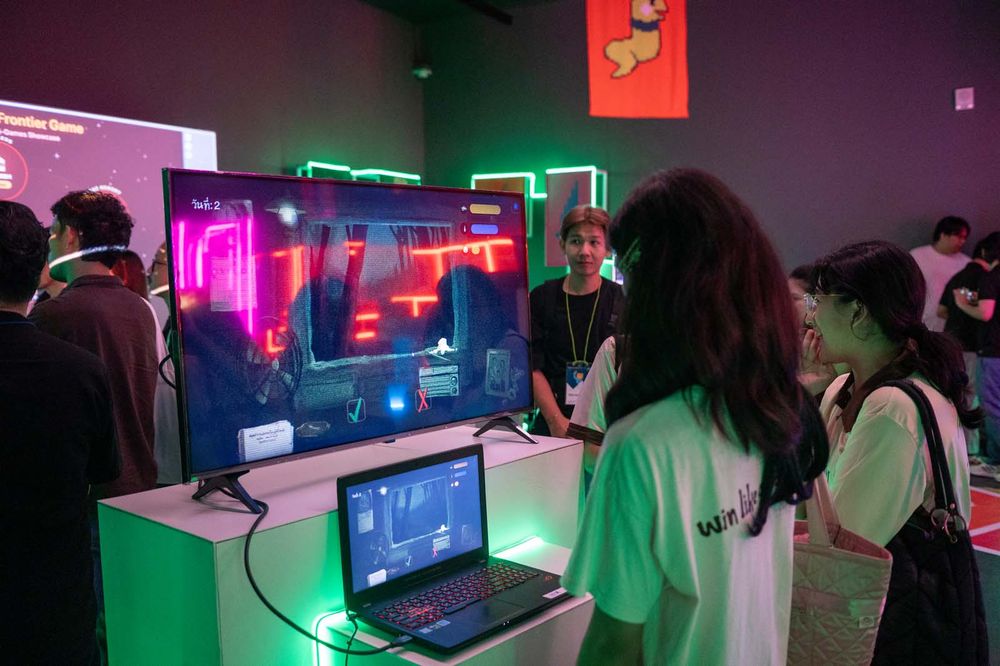
This sentence may be one of the best descriptions of Soft Power today. Culture need not remain confined to museums if it can become an experience in which people participate. If developed seriously, this approach could mark the beginning of an Isan gaming industry—one capable of powerfully connecting a new generation with local cultural capital.
Alongside the exhibitions on cities and games, another activity adding depth to this year’s festival is Kupper Art Fes 2026: UpForce “Haeng Hung Det Khanong.” Now in its third consecutive year, the event was held at Central Khonkaen Campus from July 11–13.
Kupper Art Fes is a collaboration among KULTX Collaborative, Isan Creative Festival, CEA, the Thailand Convention and Exhibition Bureau (TCEB), Central Khonkaen Campus, and Thai Beverage Public Company Limited.
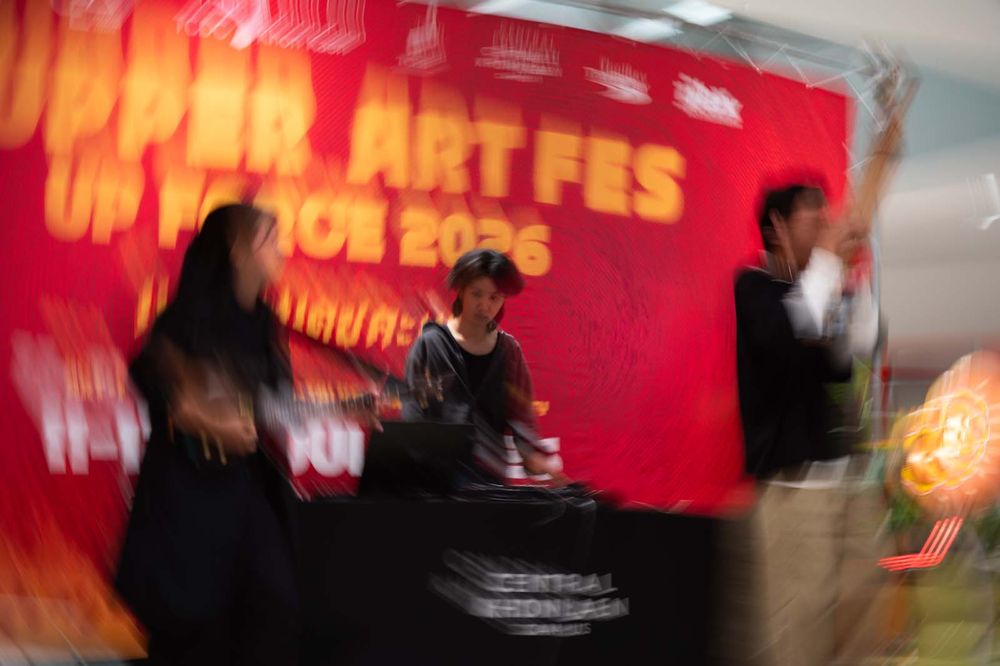
Although described as an “art market,” Kupper Art Fes plays a role that extends far beyond buying and selling artworks. It provides a space for artists of every generation to experiment, communicate, and advance Isan contemporary art toward greater national visibility.
The concept “Haeng Hung Det Khanong” serves as a declaration by a new generation of artists. “Haeng Hung” is the force that surges upward from the foundations of culture and ways of life, while “Det Khanong” is the confidence and pride to stand firmly upon those foundations. Kupper Art Fes therefore seeks to position Isan not merely as a region that possesses art, but as a place creating a new language of contemporary art by reinterpreting local identity within the context of today’s world.
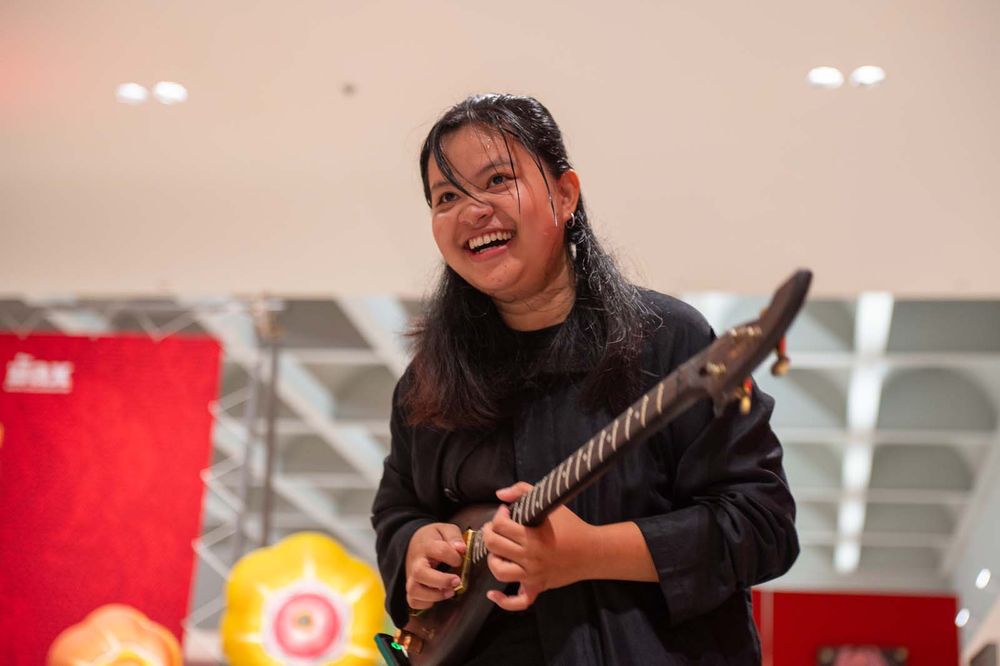
If the gaming exhibition seeks to turn culture into an industry, and Urban-Act seeks to turn data into more livable cities, Kupper Art Fes works to build an art ecosystem—an essential foundation for the creative economy over the long term.
Isan Creative Festival 2026 Is More Than a Festival—It Is the Design of a Future
Creative economy festivals are among the country’s most important events. Membership in the World Design Weeks network and connections with the UNESCO Creative Cities Network also reflect Khon Kaen’s growing role as a creative city.
Yet as the festival enters its sixth year, the crucial challenge may no longer be merely to increase the number of visitors or activities, but to ensure that the ideas generated within the festival travel beyond it and create an impact in the real world.
Whether through Big Data that helps cities respond to the climate crisis, the creation of a gaming industry from Isan cultural capital, or spaces that allow contemporary art to grow sustainably, each is an example of creativity with the potential to transform the region’s future.
The success of a creative festival may not be measured solely by the number of people who pass through its doors, but by the number of new ideas that leave with them—and can be transformed into more livable cities, new businesses, or new industries capable of genuine growth.
If Isan Creative Festival can fulfil that role, it may become more than an annual event in Khon Kaen. It may be evolving into one of the vital spaces where the future of the entire Isan region is designed.
© 2025 Khaoyai Connect. All rights reserved.
No part of this content may be copied, modified, or distributed in any form without prior written permission.
