

A Little Notebook and a Big Wide World
Notes on Nature, Stars, and Children's Questions
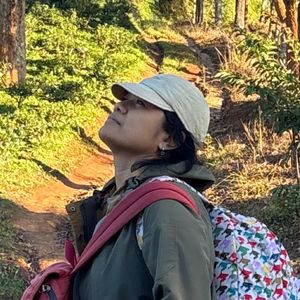
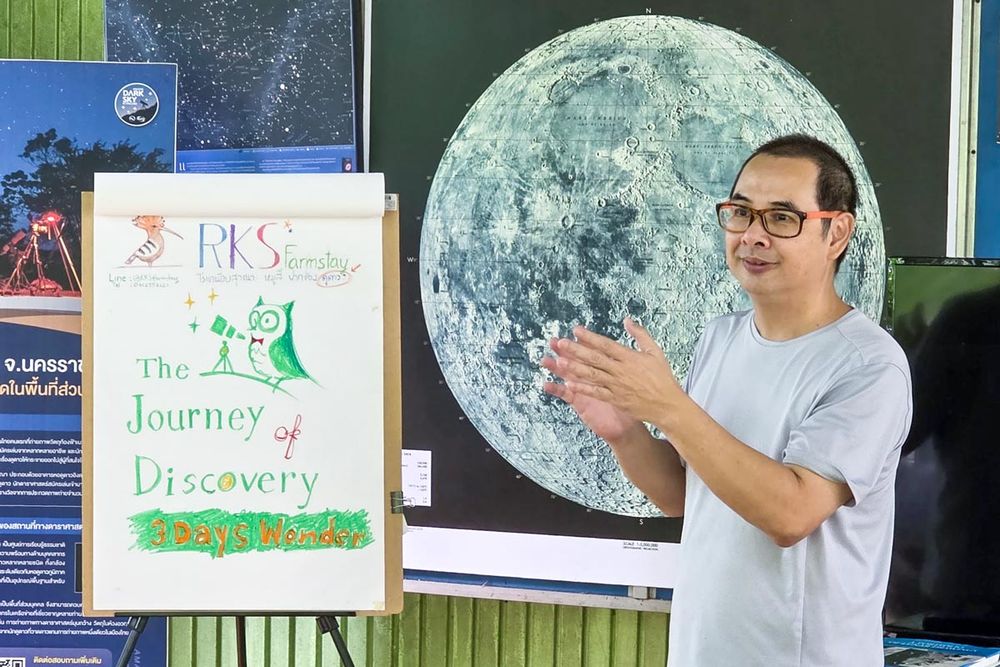
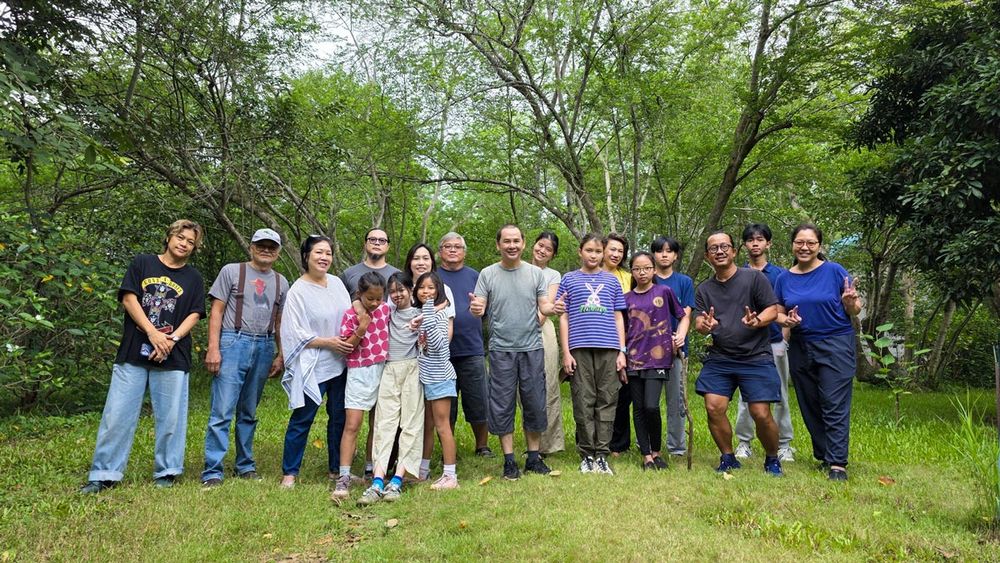
The "Big Wide World in a Little Notebook" program has drawn to a close, leaving everyone with fond memories. Khaoyai Connect teamed up with Rai Khao Noi Suwana, a nature and astronomy learning center, to bring children and other interested participants together to explore both nature and themselves through the OJC process - Observe • Journal • Connect - over three days and two nights, from August 21 to 23. Chol Vichaidit, author of the award-winning nonfiction book Teh Fa Atsachan (Amazing Celestial Objects), served as the facilitator throughout the program.
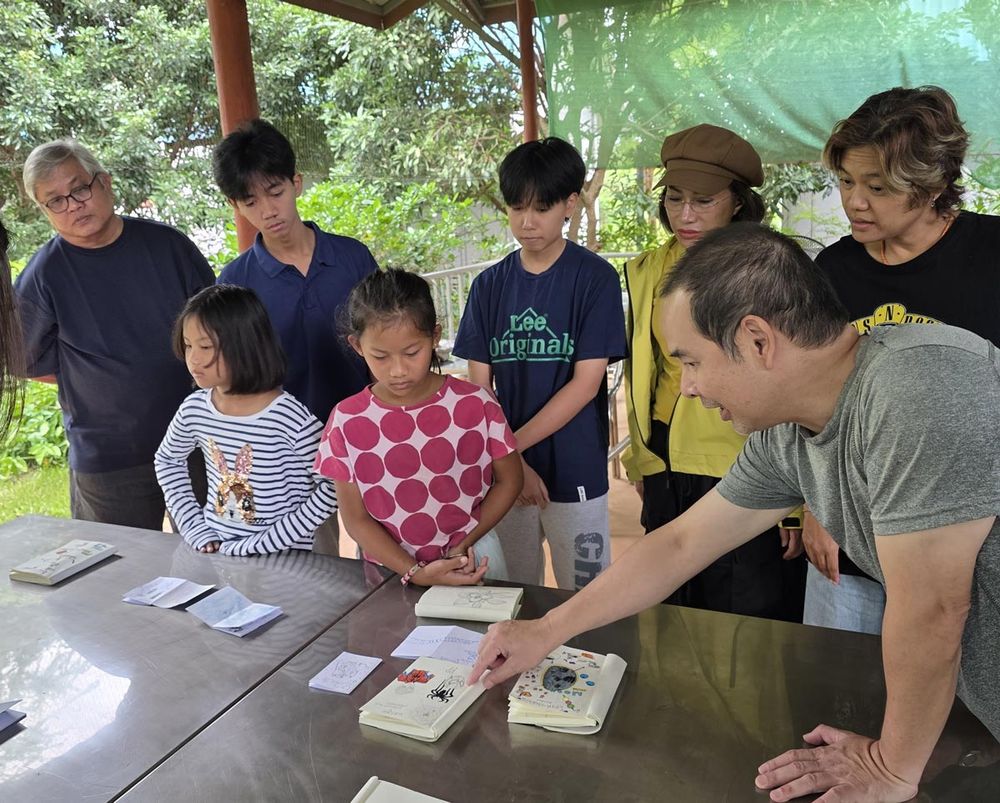
Everyone made a tiny zine of their own - one for each participant - to record what they saw and the connections they made.
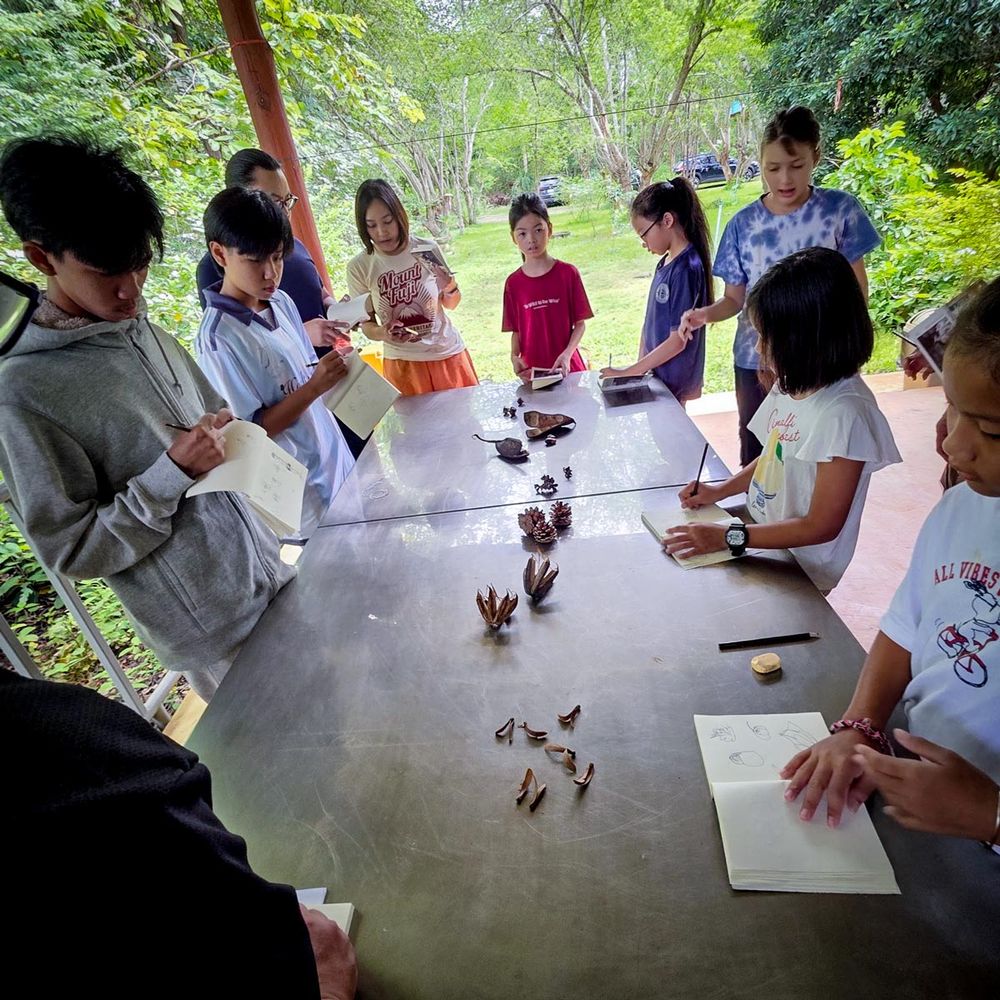
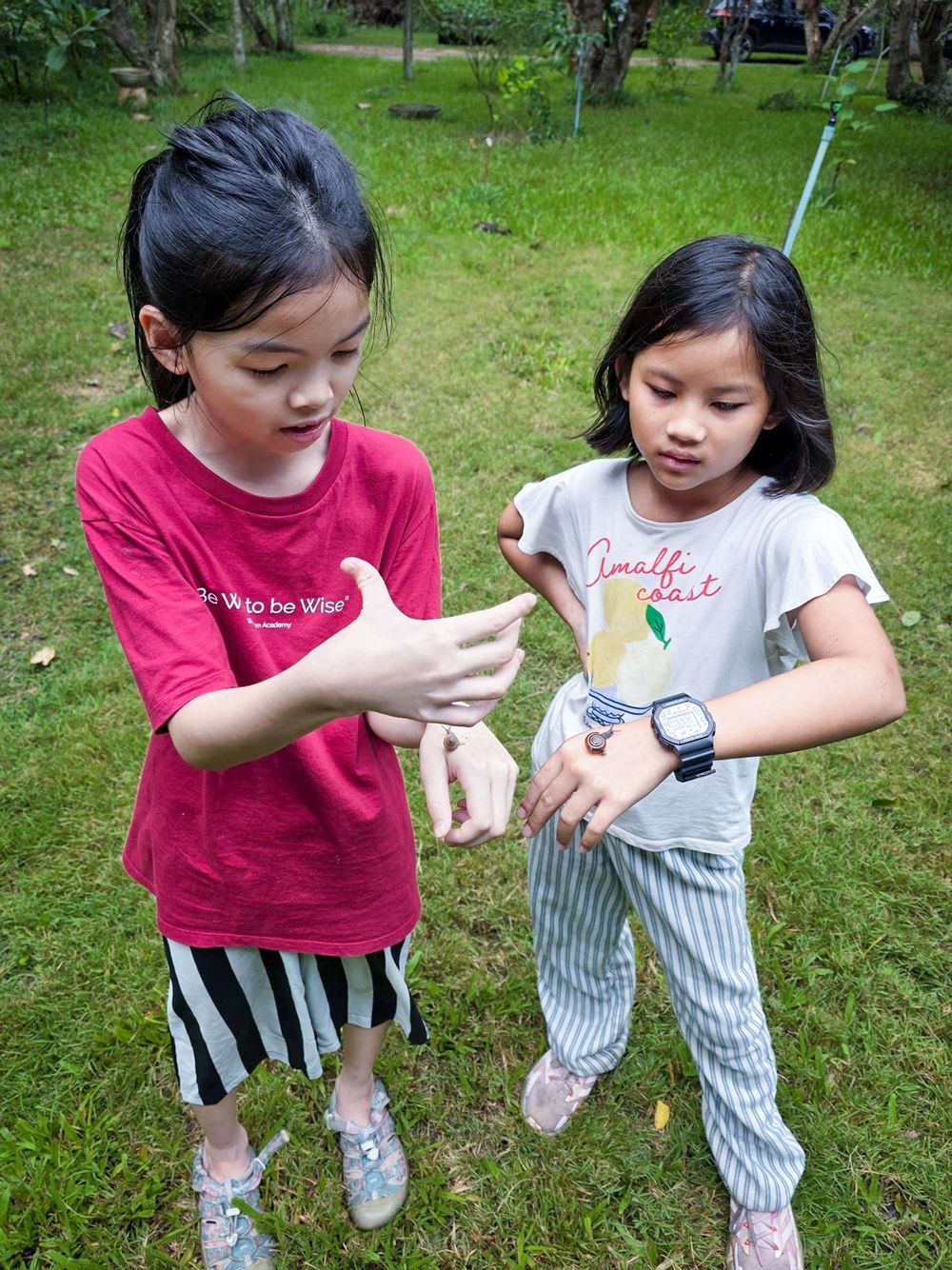
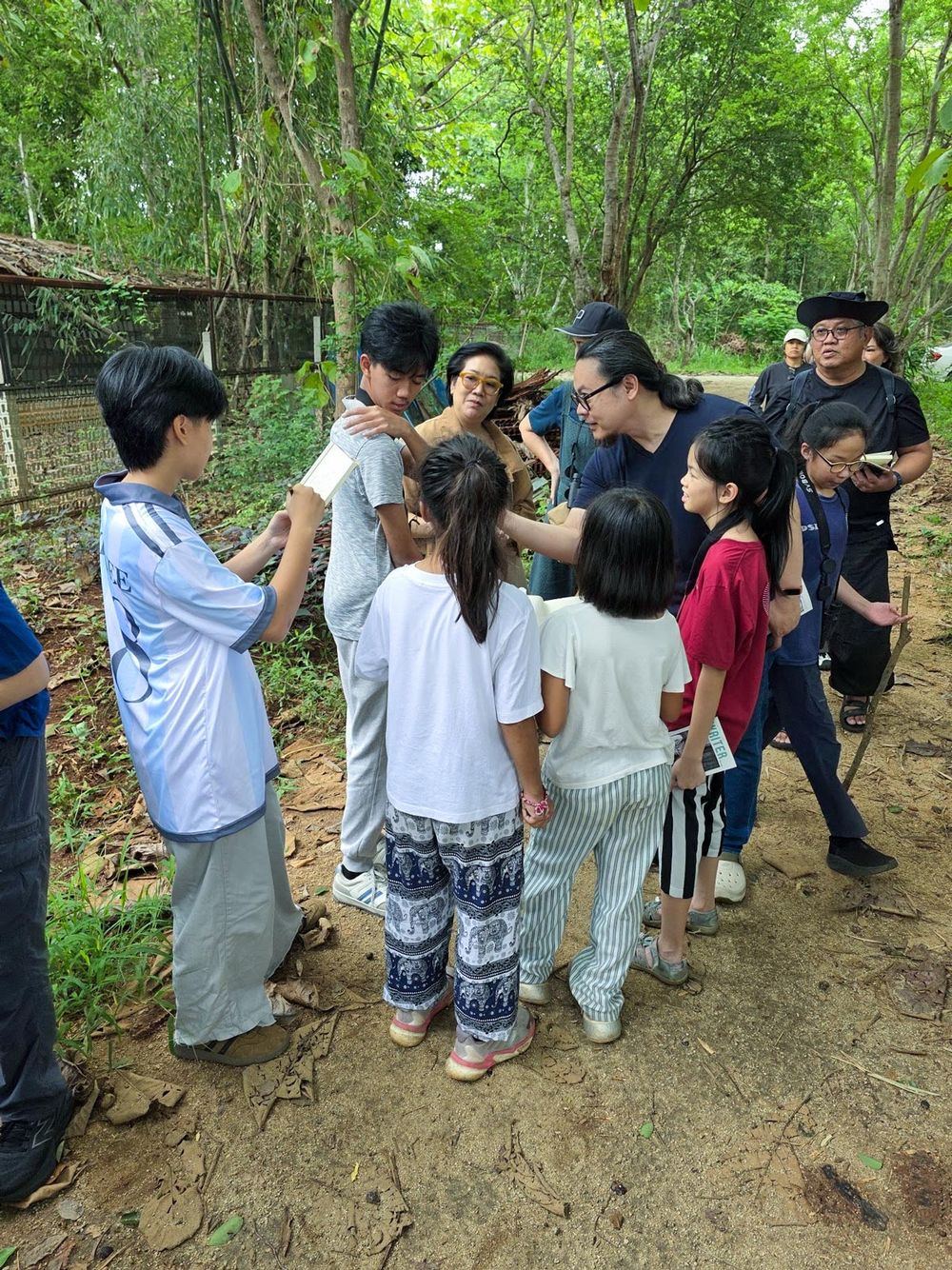
Throughout their time at Rai Khao Noi Suwana, everyone slowly explored and observed the natural world around them, from tiny creatures such as insects to trees and flowers, interspersed with games that connected them to nature. Three prompts guided the process: I Notice, I Wonder, and It Reminds Me Of.
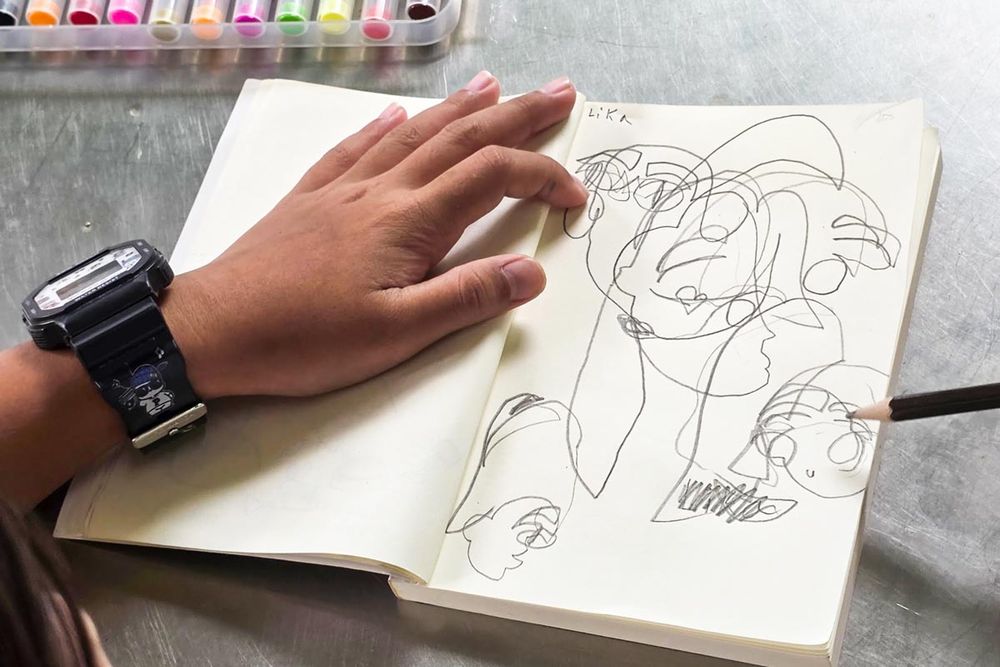
Another activity that brought laughter to children and adults alike was blind contour drawing. Everyone drew the face of the person sitting beside them without looking at the paper or lifting their pen. Many did far better than expected. The exercise trains the eye and hand to work together, and the moment uncertainty creeps in, the drawing immediately goes awry.
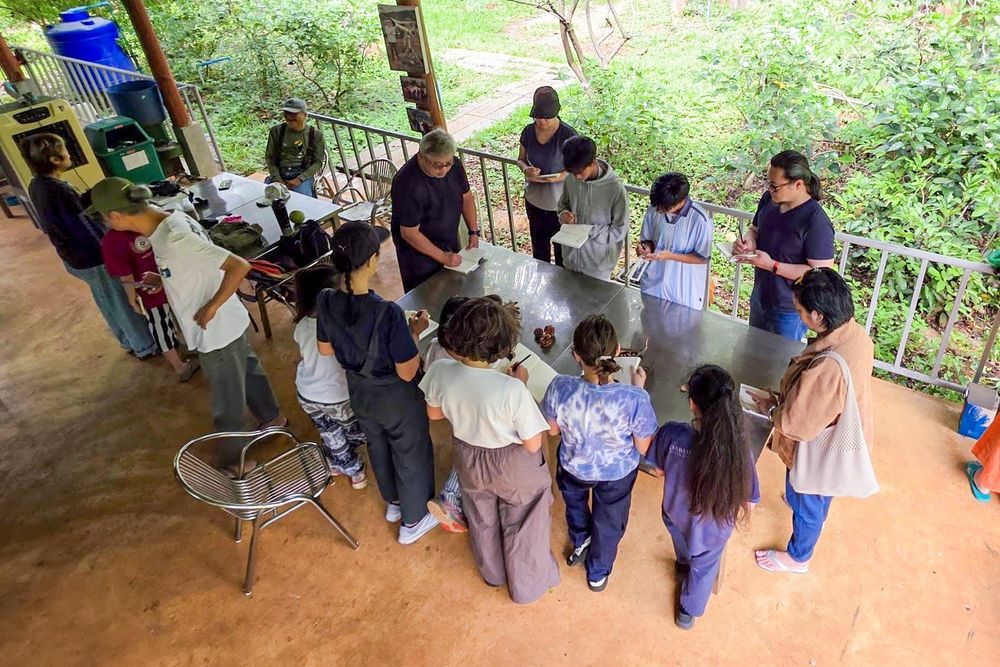
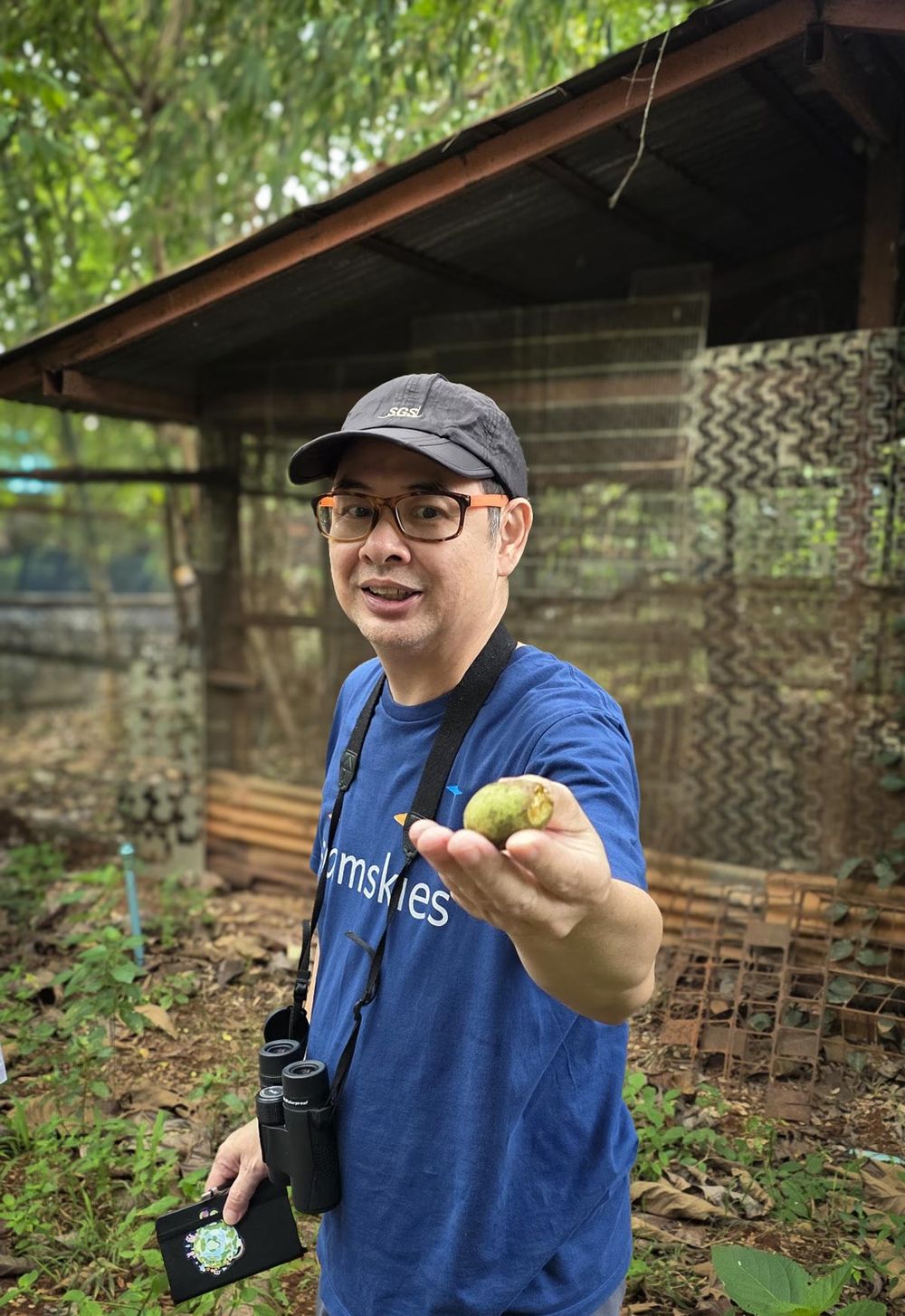
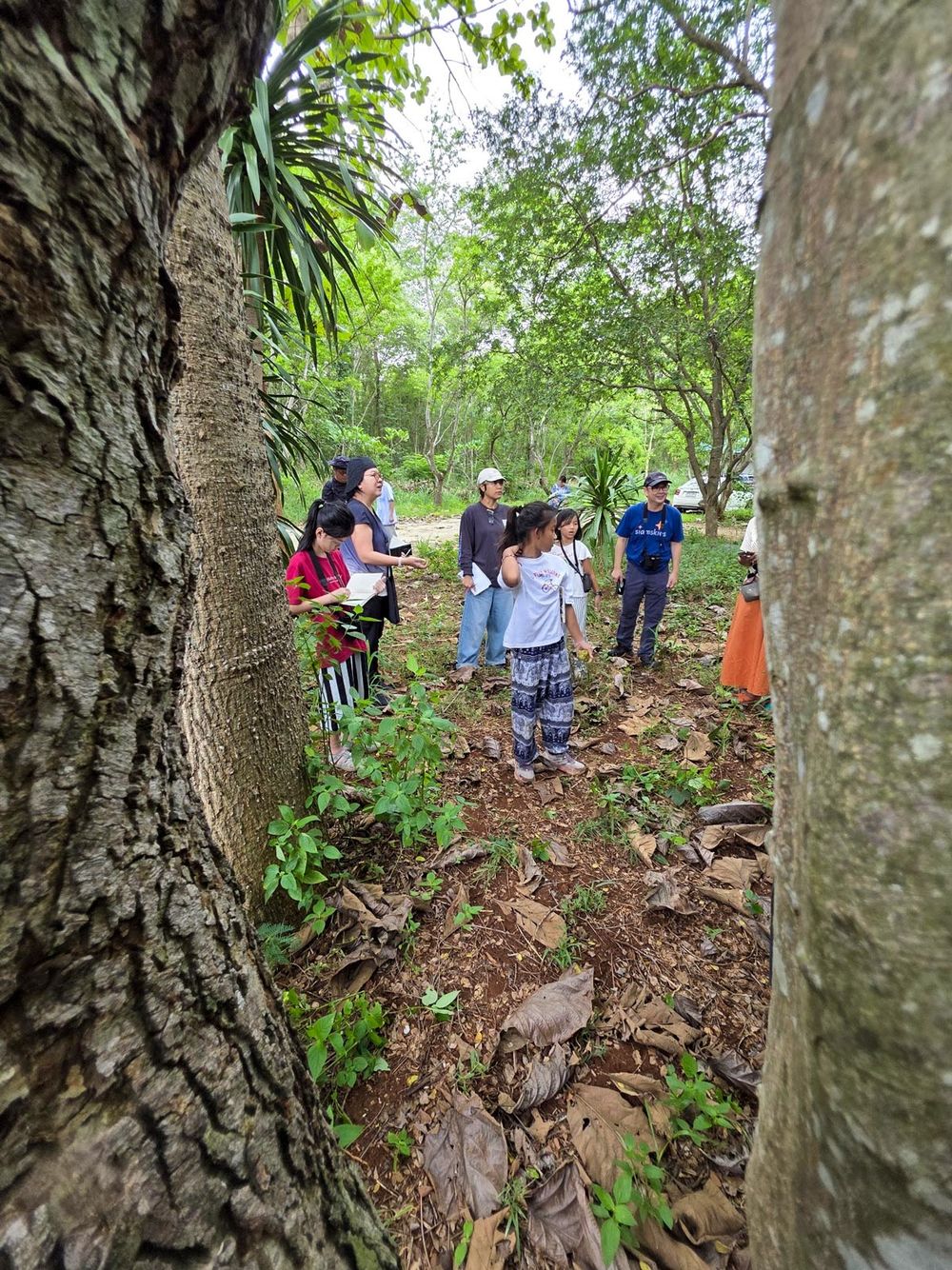
After sitting for a while, it was time to stretch our legs and head out to explore the nature around the farm. Once the exploration was over, everyone chose just one favorite thing. And of course, the same three prompts continued to guide the activity.
They were: I Notice, I Wonder, and It Reminds Me Of.
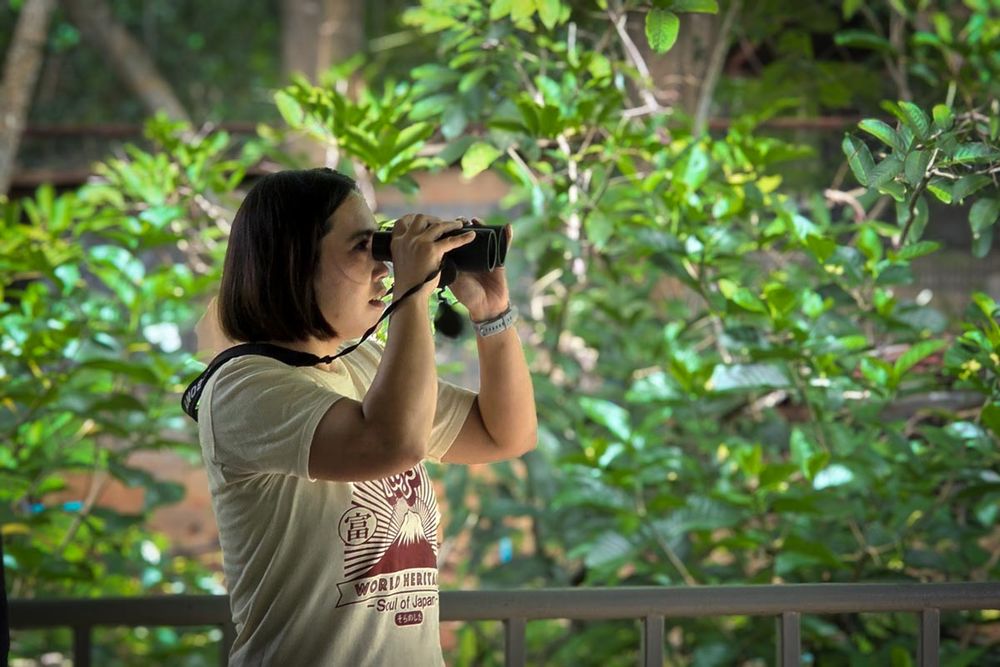
Many things in nature can only be observed from a distance, so learning to use binoculars is essential for any nature explorer. Everyone learned how to focus each eyepiece separately and how to raise the binoculars while keeping their eyes on the object they wanted to see. It was another activity that excited the children, who were thrilled to see birds and squirrels enlarged in crisp detail.
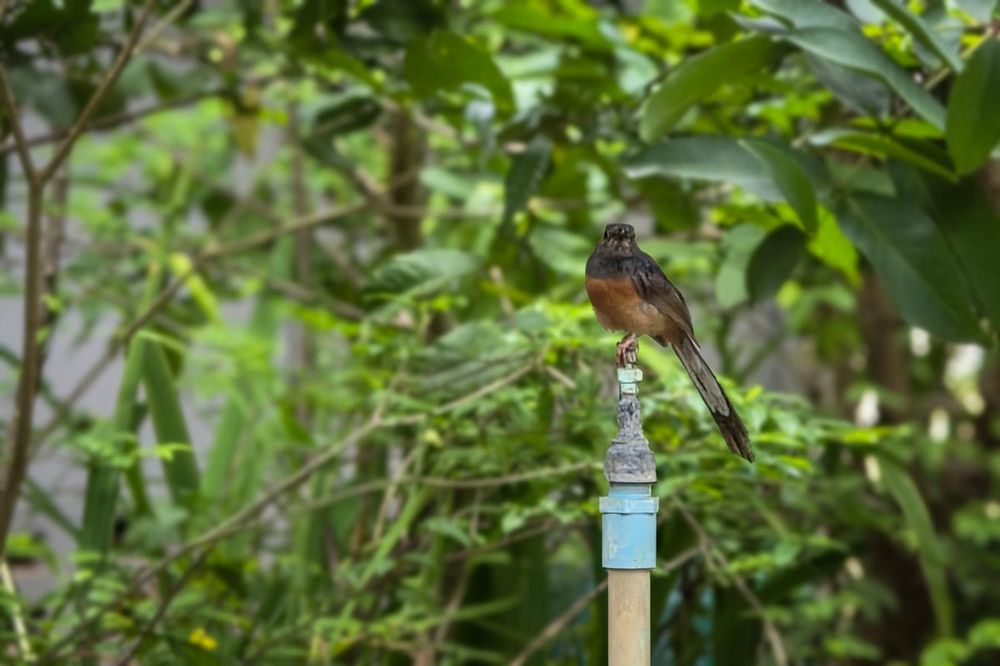
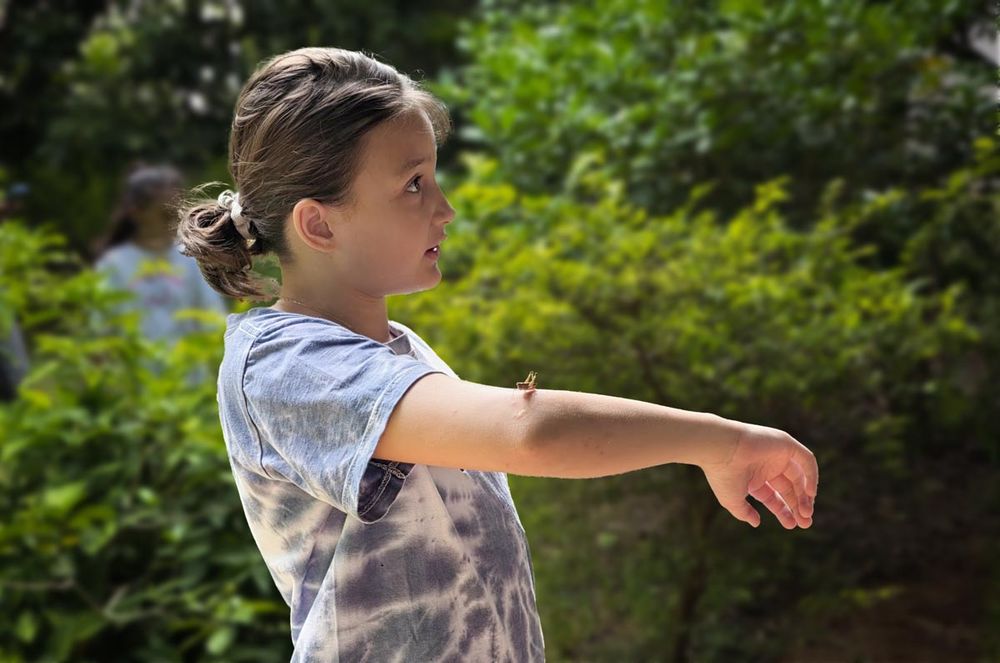
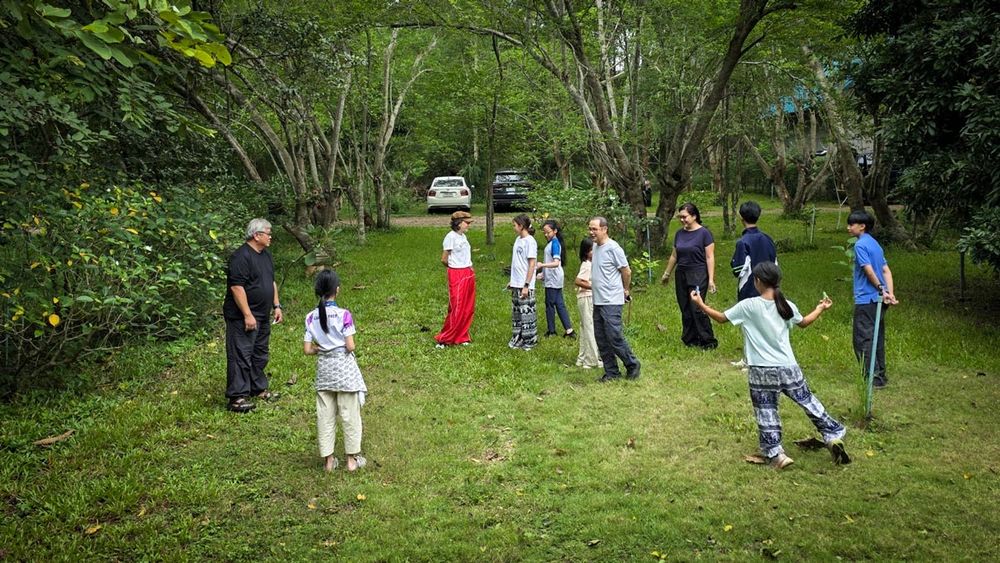
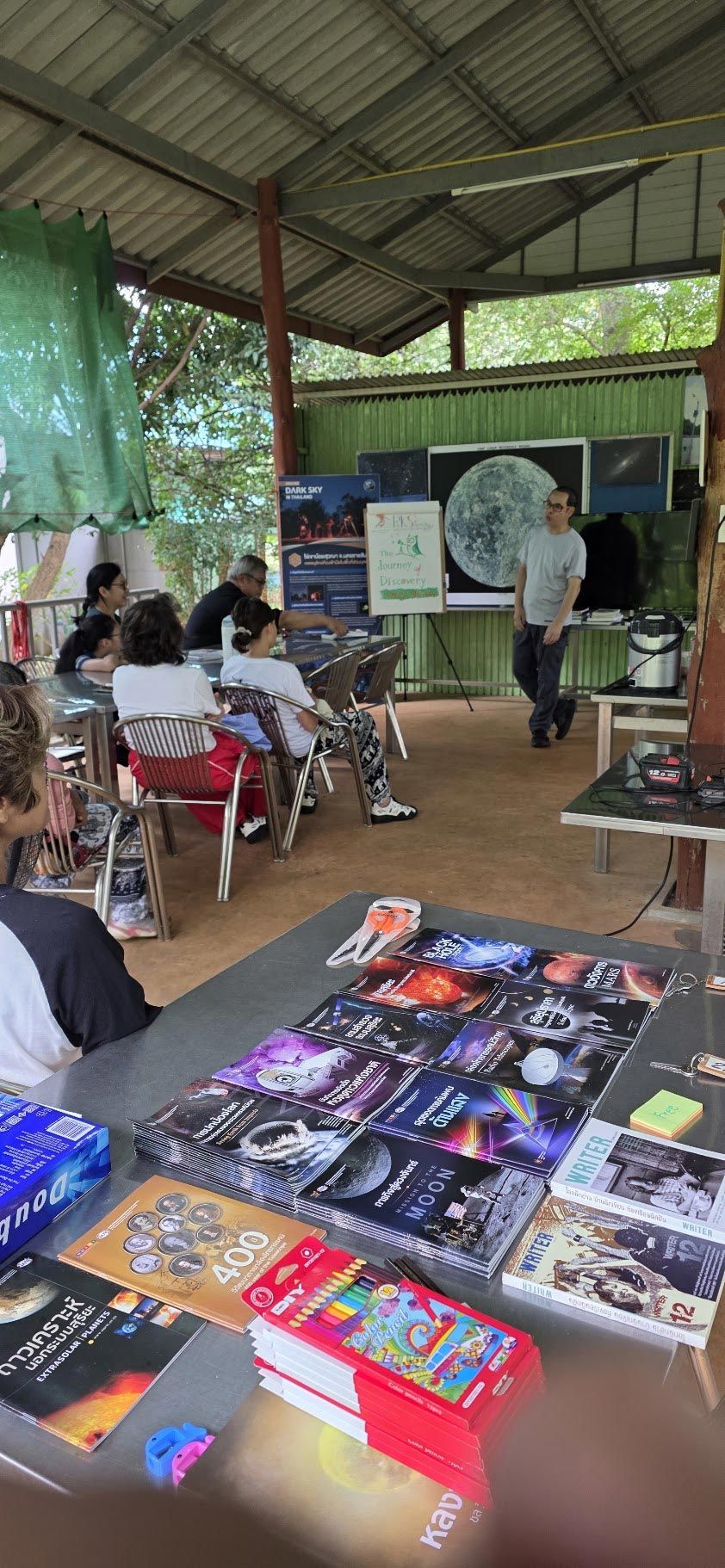
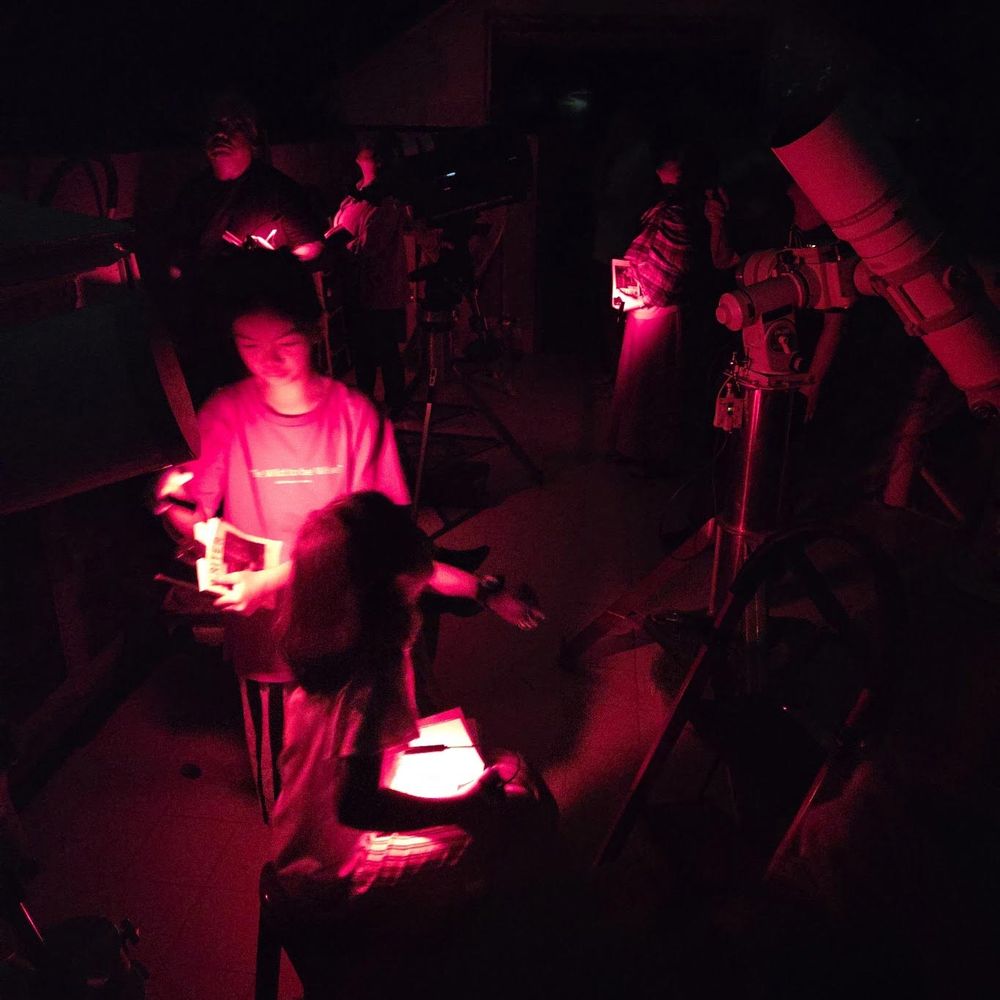
As evening fell, we made our way to the observatory. It was filled with a wide variety of stargazing equipment for viewing the celestial objects visible that night. Participants sketched what they saw in their notebooks, with red light illuminating the pages.
"We ask participants to draw rather than take photographs because looking with our own eyes and taking time to observe allows us to see finer details in what we are looking at. The more clearly we see, the more questions arise. That is when we begin to form a connection with the natural world around us, until it grows into love, attachment, and a commitment to conservation," Chol Vichaidit, the program's facilitator, often reminded us.
That night, as everyone took their time looking and observing, many questions arose: "Why does Venus appear as a crescent?" "How many craters are there on the Moon?" "How can we find our direction by looking at the Moon?"
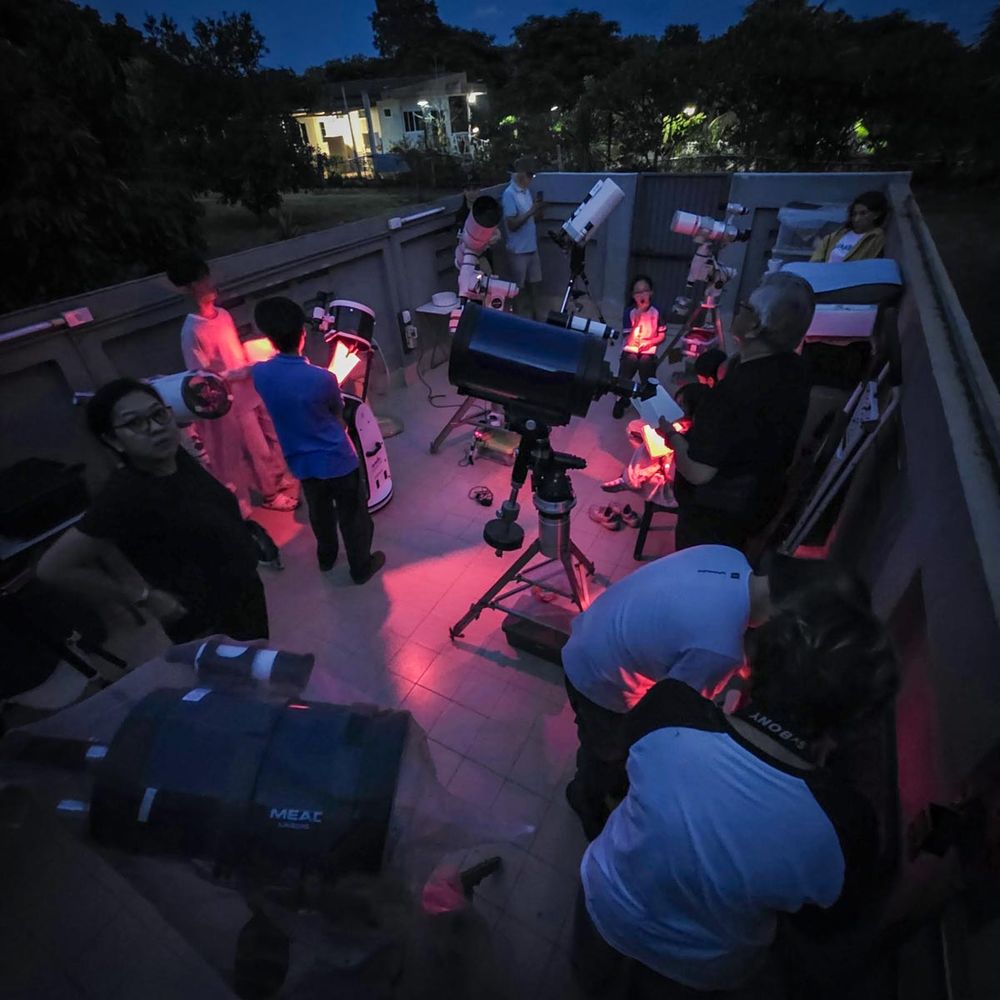
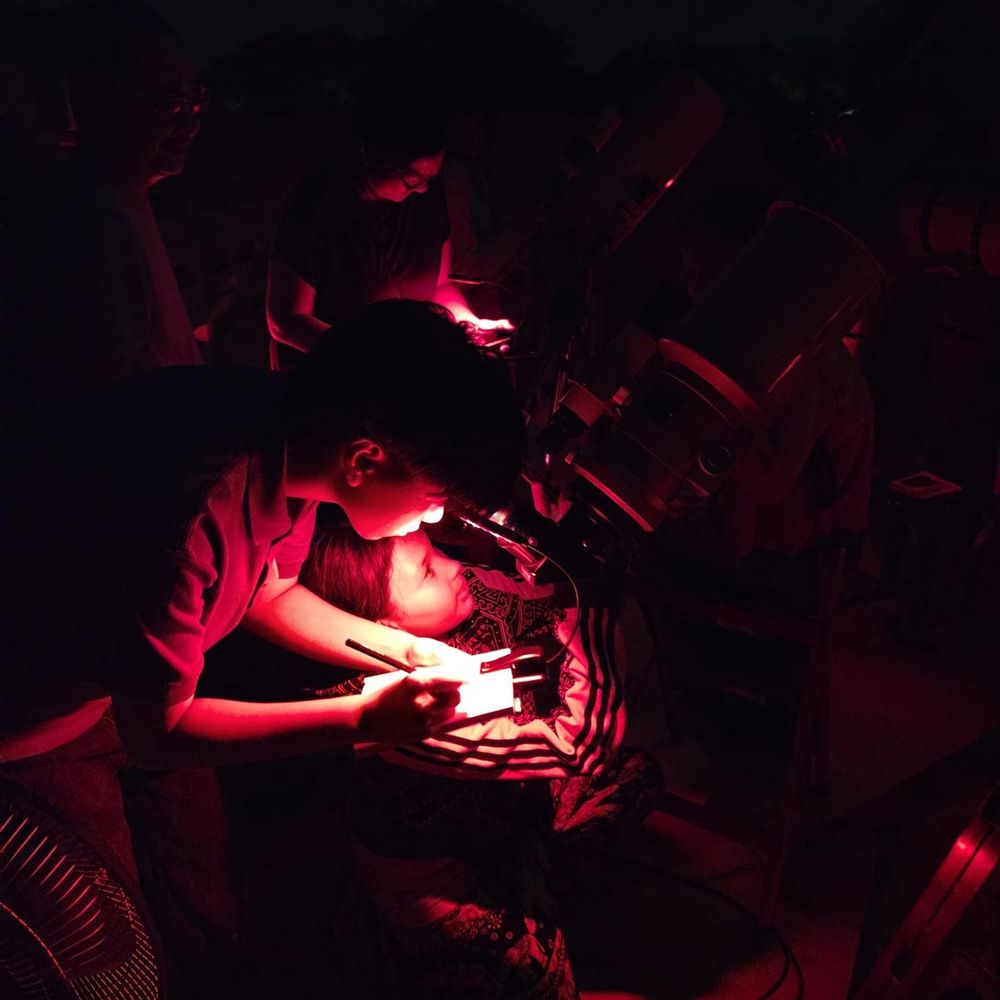
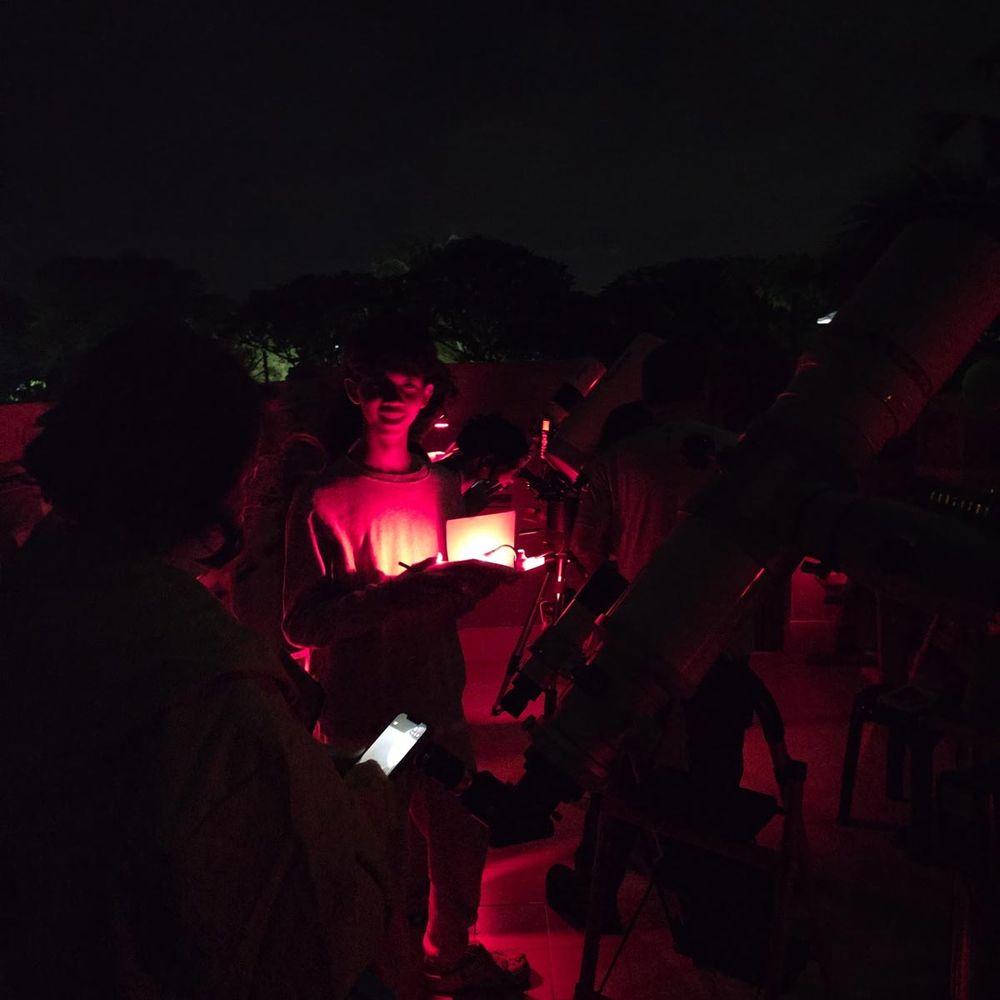
Those three days and two nights remained etched in many participants' hearts. Khaoyai Connect also took the opportunity to gather everyone's reflections and suggestions here.
"I didn't know much about the sky before, but now I understand it more deeply. I love the natural surroundings here. I'd like to see a sundial activity added."
"I've known about Rai Khao Noi Suwana for a long time but never had a chance to visit. This time happened to fall during my child's school break. I wanted to bring my child here to get away from the TV and other screens. I saw that they could manage just fine - and I never imagined they'd chase grasshoppers from morning until dark."
"I like rambutans. They're useful in lots of ways: we can share them with the squirrels, we can eat them, and the peels can be made into compost. And they're fun!"
"I liked everything. It was fun."
"It was a fun two days. I found that the setting itself offered so many opportunities to learn, through both nature and astronomy activities. We got to draw and take notes, which was good. It may be hard to say much more at this point unless we continue building on the experience."
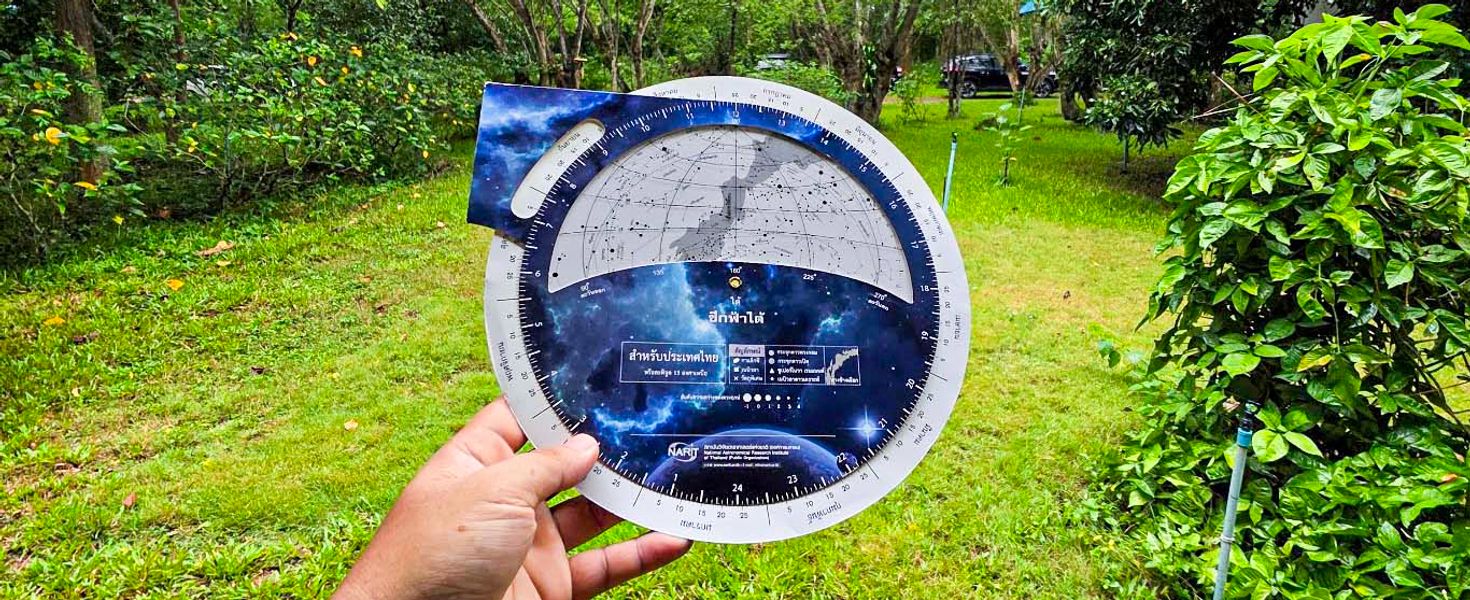
"It was a new experience, and it brought back memories of camping in the past. I enjoyed stargazing. I'd never used a telescope before, and I learned about star charts."
"Every activity was meaningful. I'd like the program to be held at a time when the Milky Way is visible."
"The atmosphere was lovely and the activities were fun. It's a shame the sky was overcast."
"I was impressed by everything."
"I liked all the activities held on the lawn."
"I learned things I had never known before. I learned the concept behind journaling, and I'd like to see the Milky Way."
"I liked it because it was different from anywhere else I've been. And I have to say, the food was really good. My favorite part was stargazing because I'd never seen the stars like that before."
"I liked that there were birds. I'd like a day devoted entirely to birdwatching."
Of course, nature does not always unfold the way we hope, and that too is part of everyone's learning process. What matters is having the chance to experience an environment that may be unfamiliar: to look, explore, and observe. These are vital practices in an AI-dominated world. In an age when information comes at us in torrents, what matters is our ability to ask good questions. And good questions can arise only from firsthand experience.
© 2025 Khaoyai Connect. All rights reserved.
No part of this content may be copied, modified, or distributed in any form without prior written permission.
