


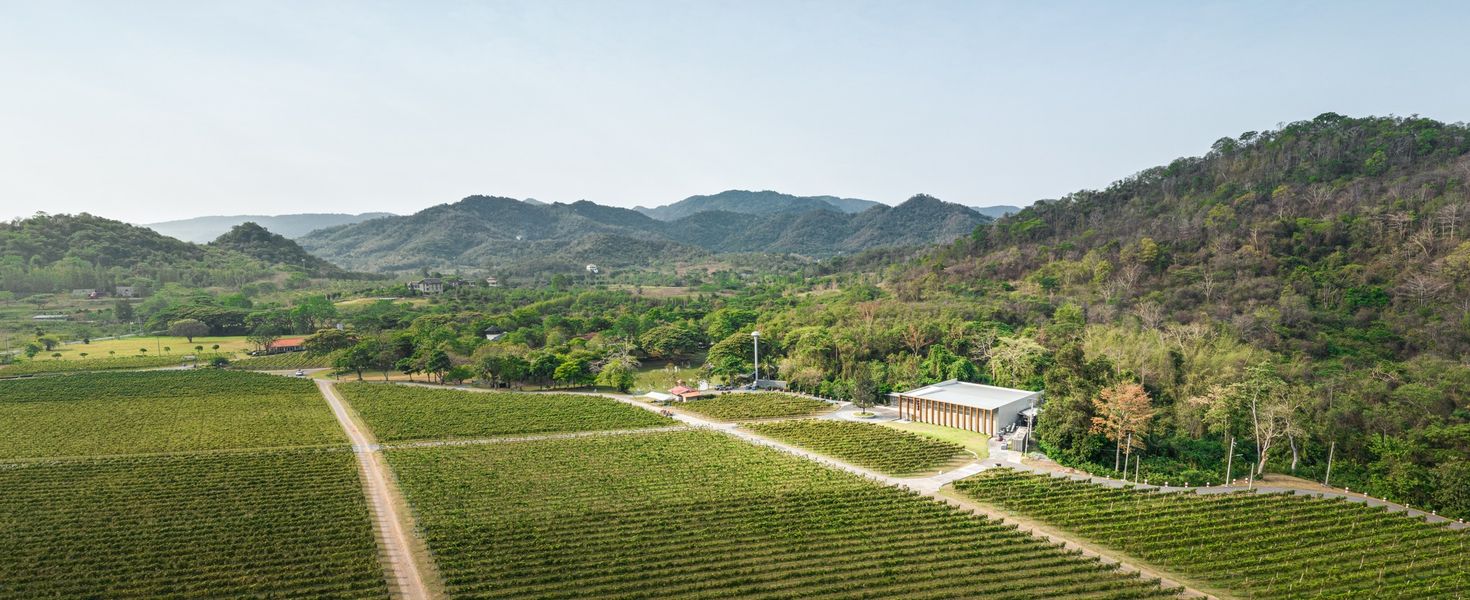
Discovering Khao Yai’s Terroir:
Bringing GranMonte Wines to the World Stage

Although Thailand was absent from the world’s winemaking map when wine first emerged, growing expertise, combined with passion and perseverance, has brought GranMonte Vineyard to where it is today. Its wines, grown on the land of Khao Yai, have developed to the point where they can proudly take their place on the world stage.
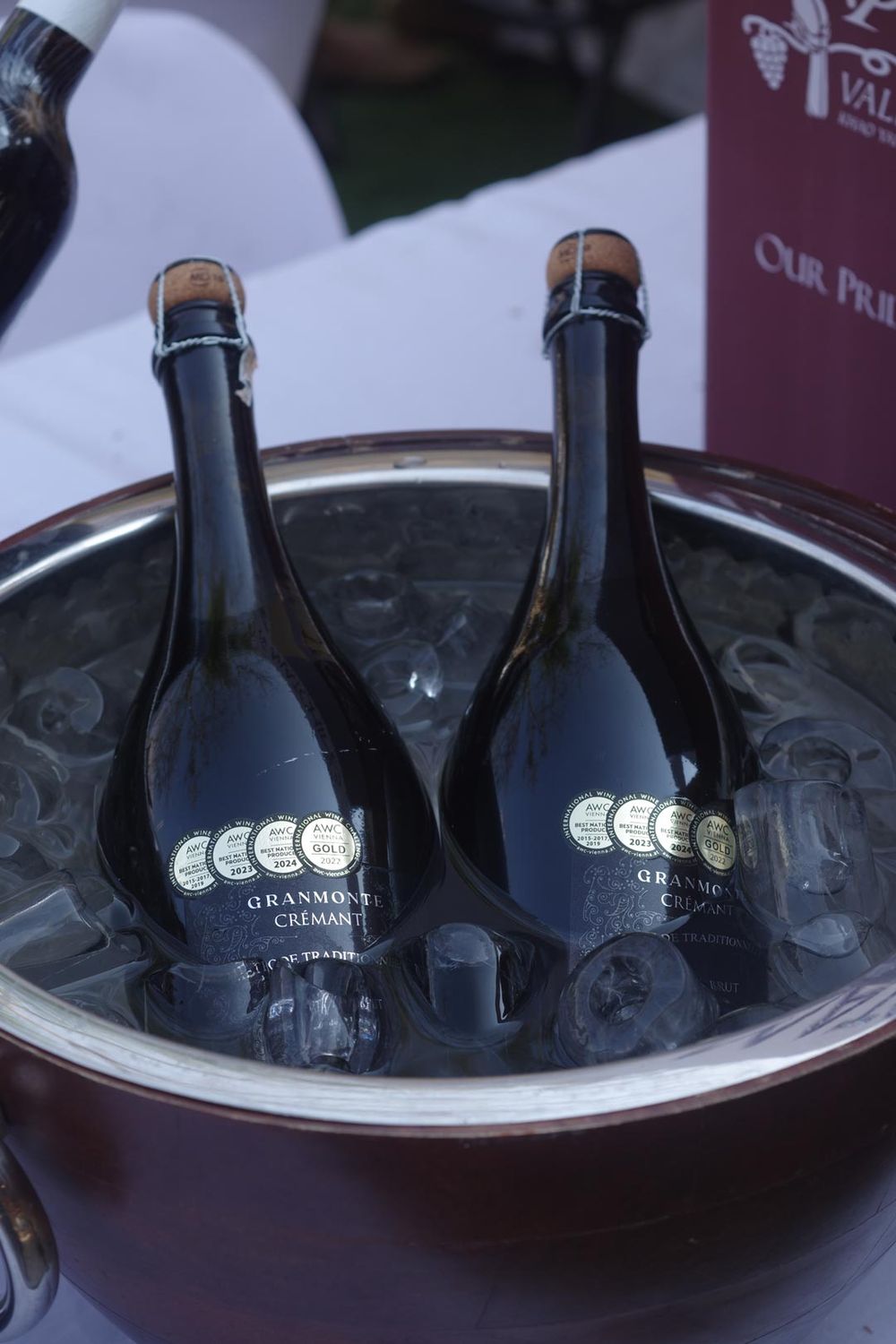
The many awards and accolades it has received have carried Khao Yai’s name far and wide, making it another destination that Old World winemakers travel across oceans to see for themselves. What enables wine from a small country, once barely mentioned in wine circles, to offer such remarkable flavors?
Alongside the dedication of the Lohitnavy family and the team working behind the scenes, another secret of Khao Yai wine lies in its distinctive environment. In the wine world, this is known as “terroir,” a French term referring to a locality’s particular natural and environmental conditions, which play an important part in giving its produce a distinctive aroma and flavor.
One Harvest a Year: The Work Behind a Bottle of Wine
Wine lovers may already know that Thailand’s wine grape harvest takes place during the cool season, around February and March. The grapes then go through the various stages of winemaking. This is also when many vineyards organize activities that allow visitors to take part.
But what happens at the vineyard afterward?
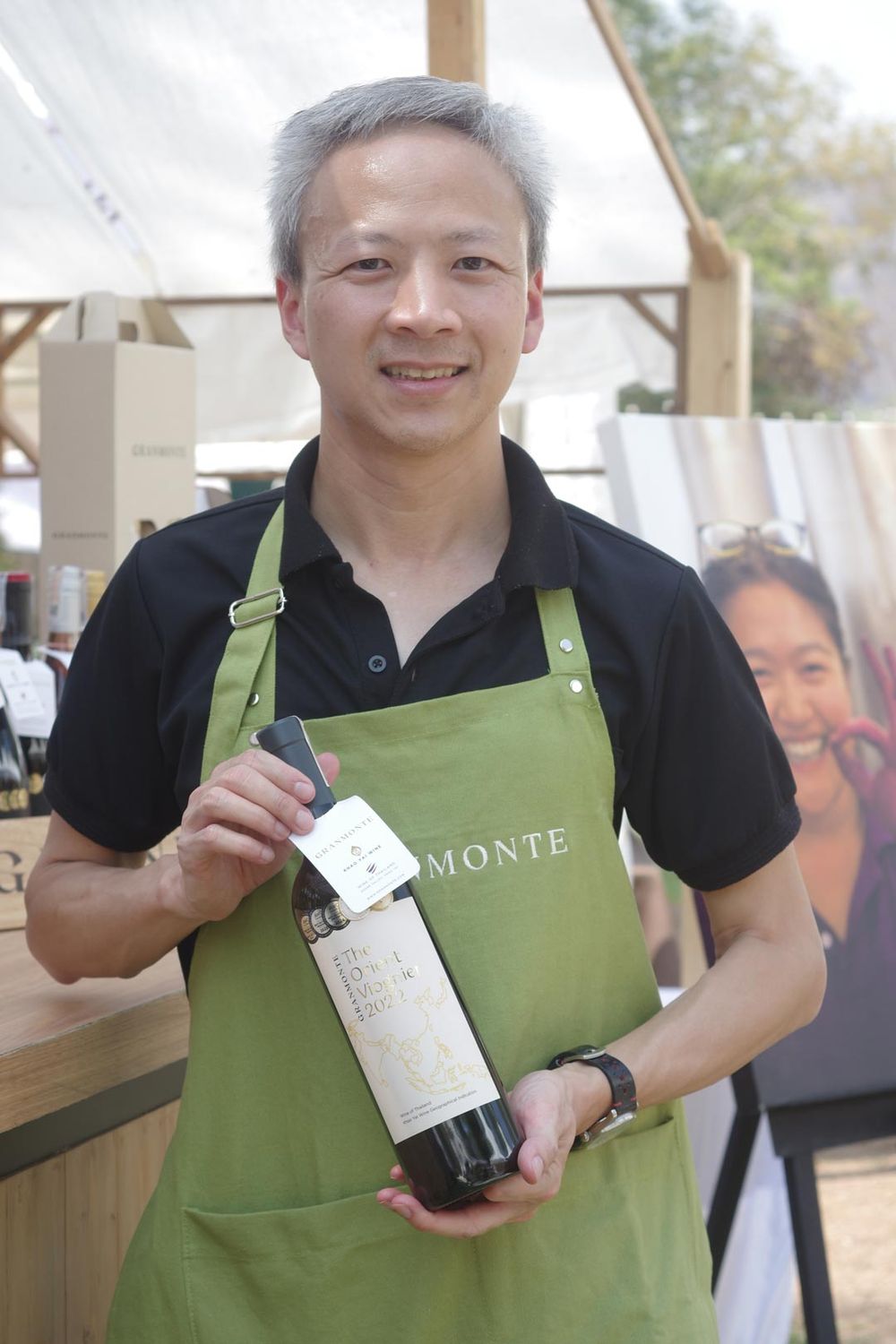
Chat Chaiyot, a member of the GranMonte team, explains the wine production process to Khaoyai Connect. Once the harvest is over, the next step is pruning the vines. In Thailand’s humid tropical conditions, where growers practice tropical viticulture, vines are pruned twice a year, unlike in traditional wine-producing countries, where pruning takes place just once a year.
Each year, once the harvest ends—for example, the early 2026 harvest, or the 2025/2026 harvest season, which finished on March 15, 2026—the vineyard team allows the vines to rest for a little over a month. In May, it is time for short pruning, leaving only one or two buds on each cane. This method is intended to give the vines a full rest.
“Short pruning means the vines can no longer photosynthesize through their leaves, because there are no leaves left. Their only way to survive is through their root system. It is, in a sense, a way of forcing them to build up nutrient reserves again. The vines have to survive without leaves, so they stimulate the remaining buds to produce shoots and leaves quickly; otherwise, they would die. But the deeper purpose is to prevent the vines from bearing fruit during the rainy season. If we did not do short pruning, they would produce another crop around July or August. The rain would cause the grapes to split and rot, and high humidity would encourage fungal growth. The vines could become diseased and die. So short pruning serves two main purposes: first, to force a period of rest and rebuild nutrient reserves for the following year’s harvest; and second, to prevent fruit production during the rainy season.”
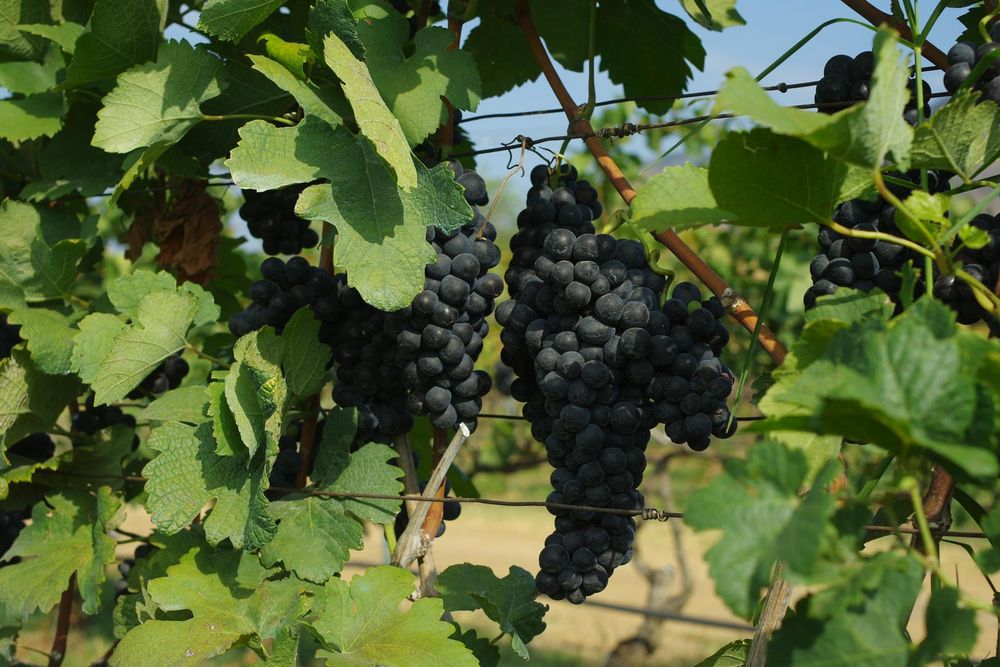
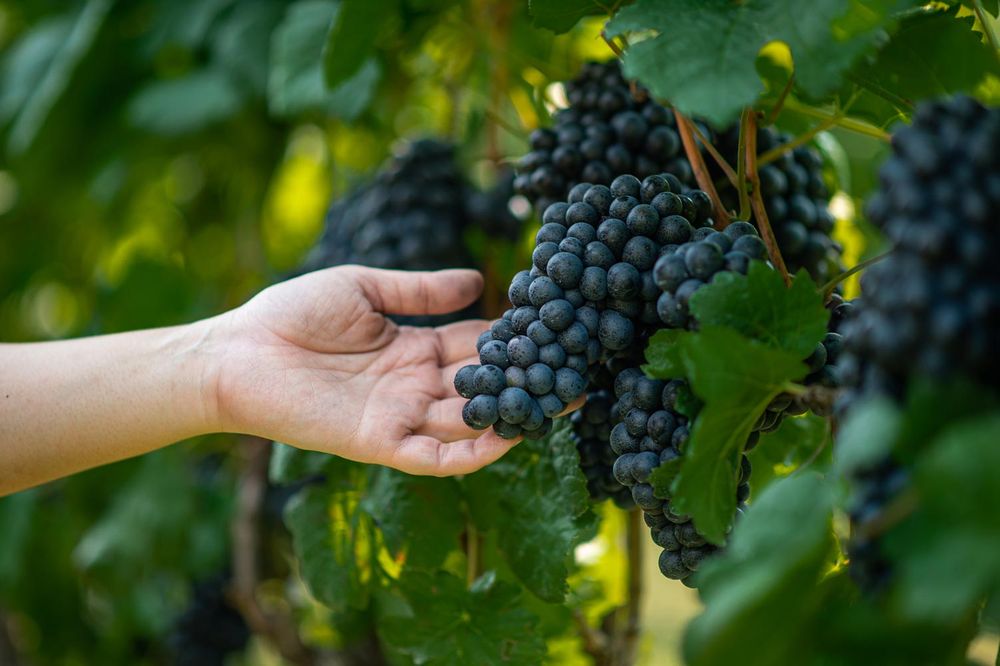
After the first pruning, the vines have an extended rest period until October. During that time, the vineyard team must look after them closely because the rainy season brings humid conditions. They trim shoot tips, remove leaves, and prune growth to maximize airflow. Once the rains end, usually in October, the vines are pruned for a second time.
This second pruning uses a method called long pruning, which stimulates the vines to produce a crop. Each cane is left with around five or six buds, with the third to fifth buds being the ones that bear fruit. After about four to five months, the grapes are fully ripe and ready to be harvested for winemaking once again.
Over the past 10 years, GranMonte’s grape yields have generally improved. Its most productive harvest season was 2024/2025, when the vineyard harvested as much as 180 metric tons, compared with annual yields of only 60–120 metric tons in previous years.
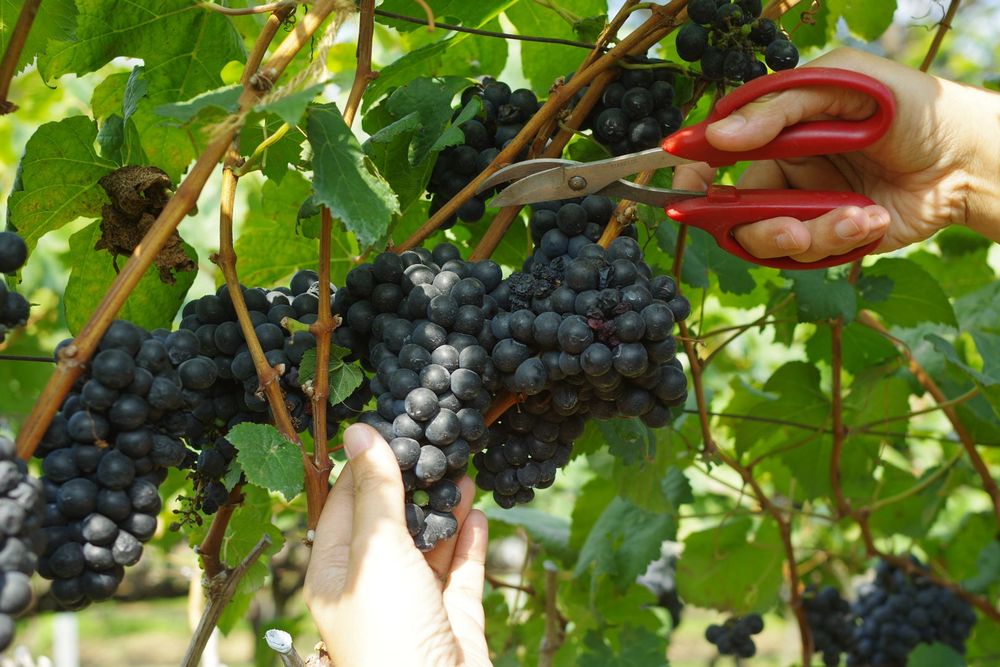
Chat says that although GranMonte has expanded its planted area, the increase has not been dramatic. Yet yields have doubled—a success for the team in making the vines more productive. The harvest earlier this year, however, may have been smaller because the rains lasted longer than usual. On the positive side, once the rains ended, the cool season also lasted longer, which affected the wine grapes. Over the past year or two, the wines have shown better acidity—a refreshing tartness—than in earlier years.
“Actually, we started seeing this in 2024. We have had these longer cool seasons in 2024, 2025, and this year as well. With several wines, whether I am tasting them myself or meeting customers, people tell me that the same wine feels different. Take Durif 2023: it feels concentrated and full-bodied, with intense tannins. But when they try Durif 2024, they feel that it is more tart. I mean tart in a positive sense: it is fresher, lighter, and fruitier, with more pronounced acidity. One reason is that the longer cool season allows the grapes to retain acidity better.”
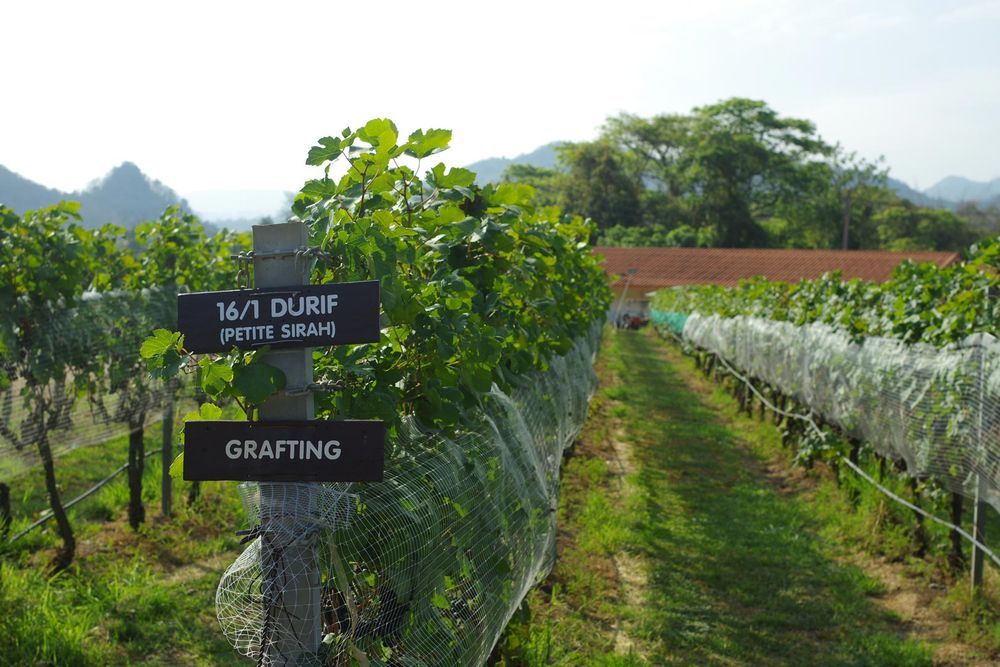
Three Factors That Influence Wine Grapes
Wine grapes may be grown in many places, but producing high-quality fruit with a distinctive character requires suitable environmental conditions. The main factors that make this possible are:
1. Soil, with its nutrients and minerals, helps determine what the character of a particular grape variety should be. How much of those nutrients a vine can absorb also depends on its age.
2. Weather is beyond our control, whether it is sunlight, rainfall, or cool temperatures. The resulting crop therefore varies with the weather each year.
3. The winemaker, or the person overseeing production, brings the ability to manage the vines, choose the right time to harvest, and turn the grapes into wine as successfully as possible.
“These three factors are the basis for determining a wine’s quality: whether it has a distinctive or different character, and how good it is. We cannot change the first two, so the last factor—the people—is what we can control best. It is like a chef: with good ingredients, less effort is needed. But if the ingredients are average or not particularly good, the chef has to work harder to make the best possible dish from what is available.”
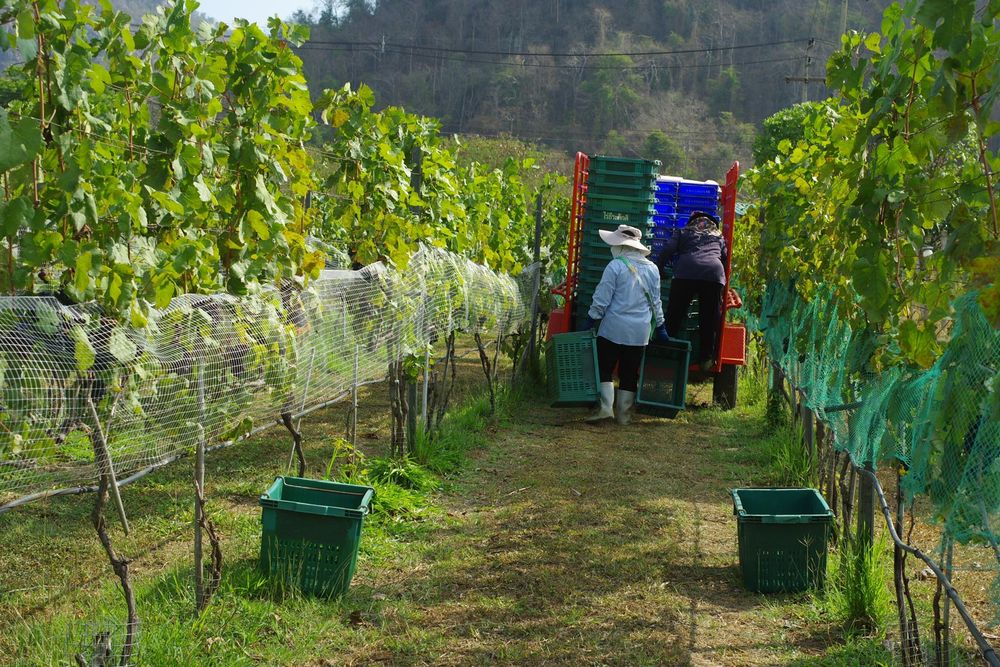
Terroir: The Environment That Shapes Khao Yai Wine
Why do Khao Yai wines stand out and taste different, to the point that they have received a Geographical Indication, or GI, designation from the Department of Intellectual Property? The answer lies in Khao Yai’s terroir: the locality’s particular natural and environmental conditions, which play an important role in giving its produce distinctive aromas and flavors.
“In the wine world, we have the term ‘terroir,’ meaning an environment with its own distinctive characteristics. We divide it into three main areas: geography, geology, and climate.”
Geography mainly concerns the overall features of the land, such as elevation, slope, and drainage.
“Around the world, the main focus is on elevation and slope, because both are linked to temperature and drainage. Wine grapes need water, but they do not like waterlogging or too much water. They like cool weather and need sunlight. So sloping land, particularly at higher elevations, tends to favor wine grape cultivation. Khao Yai has those conditions: we are 300–600 meters above sea level.”
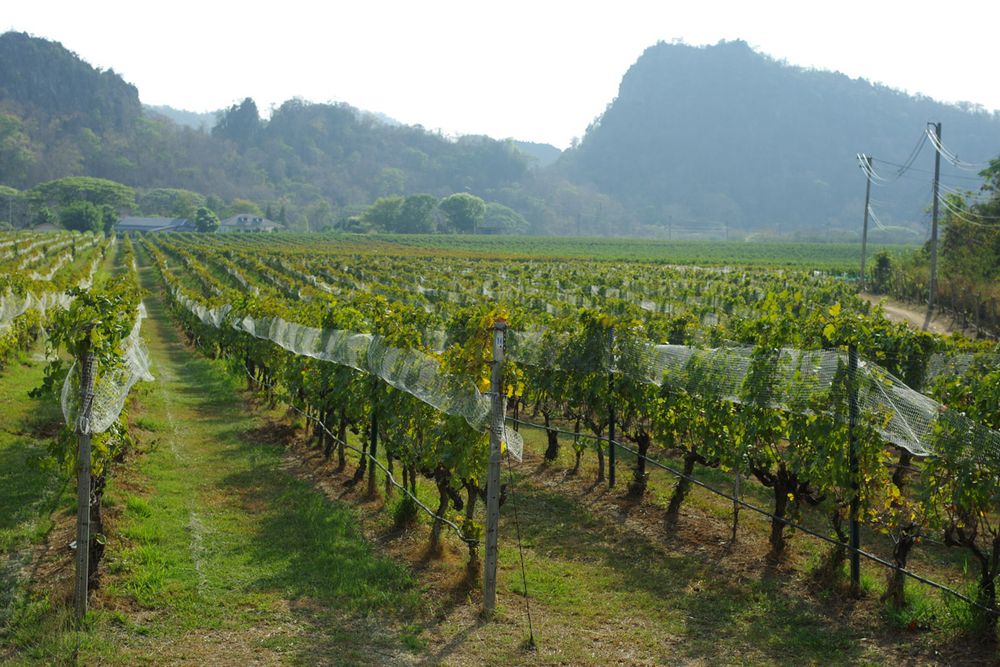
Geology looks more closely at the soil, from the surface down through its layers. The main considerations are: 1. whether the soil’s pH, or acidity and alkalinity, is suitable; and 2. whether it contains the essential nutrients needed to produce quality grapes. Soil characteristics differ from one area to another.
Chat explains that the soils in different parts of Khao Yai each have their own interesting characteristics. Much of the area consists of limestone mountains, so the soil contains limestone and minerals that have accumulated over a long period. This red clay and limestone soil has a specific name: terra rossa. “Terra” means earth, and “rossa” means red. It contains important nutrients that wine grapes favor. This type of soil is found at elevations of around 300–350 meters above sea level.
At higher elevations, around 400–600 meters above sea level, the ground contains substantial amounts of granite and quartz. Wine grapes grown there produce wines with a different character from those grown in limestone terrain.
Finally, climate generally refers to the overall conditions of an area. In the cool season, Khao Yai is cooler on average than other areas. It has mountain breezes, and the surrounding mountains create pockets of cooler air. Rainfall is neither so abundant nor so scarce that the vines cannot survive. Crucially, the difference between daytime and nighttime temperatures suits wine grapes. During the day, they need plenty of sunlight to produce sugars through photosynthesis. At night, they need cool temperatures to retain enough acidity to make quality wine.
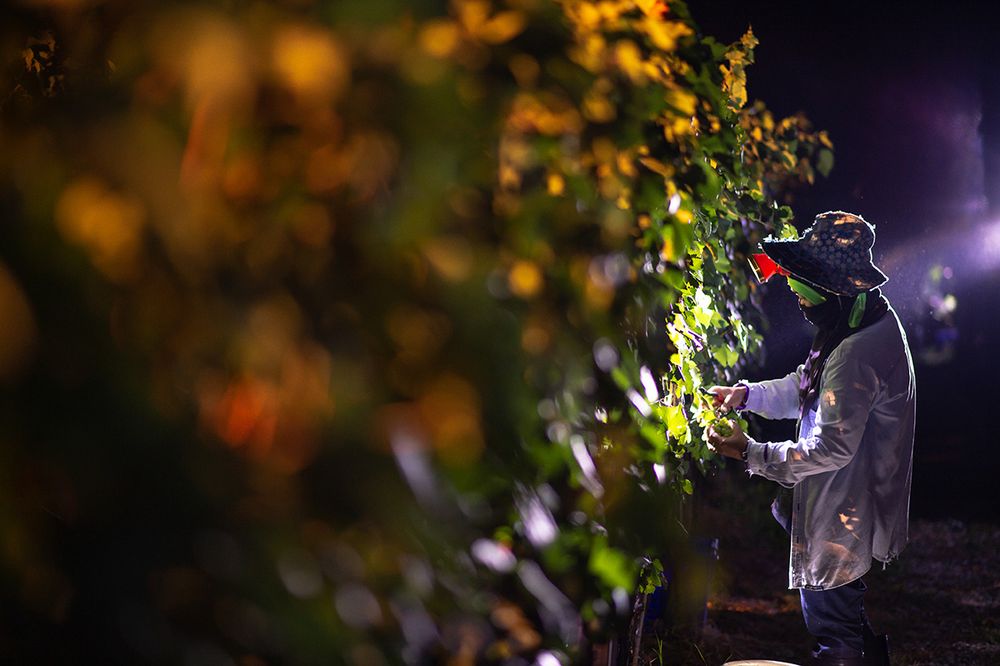
Beyond the broader climate, Khao Yai also has more localized conditions known as microclimates. Conditions differ from place to place: some sites, for example, have good airflow and may be cooler than others. This is a microclimate. Another site may receive more or less rainfall than surrounding areas. These smaller, localized conditions affect the grapes grown there.
“For grapes grown at 600 meters above sea level, the weather is cooler. That is also a microclimate characteristic, and it allows the grapes to retain higher acidity. I am not saying which is better, but cooler weather brings about this difference. So when grapes from higher elevations are made into wine, if they are the same variety, those grown higher up will show more pronounced acidity than those grown lower down.”
Similarly, planting in very stony soil gives grapes the opportunity to take up a wider variety of minerals. When made into wine, they show a more pronounced mineral character. This is not unique to Khao Yai; it occurs around the world.
“Actually, the word ‘minerality’ can be quite a tricky one when explaining wine, because it is a matter of perception. Broadly speaking, grapes grown in very stony soils at higher elevations tend to give wines freshness, lightness, and a mineral character. Wines from terra rossa soils at lower elevations, however, tend to be more concentrated and full-bodied, with firm, plump tannins.
“Take Verdelho grapes grown in two different areas. When we taste the wines side by side, everyone can tell that the one from Wang Nam Khiao, with its stony soil, is lighter, fresher, almost as though there is mineral water within the wine. But when we taste the Verdelho from GranMonte—wow—it is full, concentrated, and plump on the palate. The difference is immediately apparent. Different soils and climates create different results. That is part of the enjoyment: sitting down to explore how wines made from the same grape variety can show different characters depending on where they come from.”
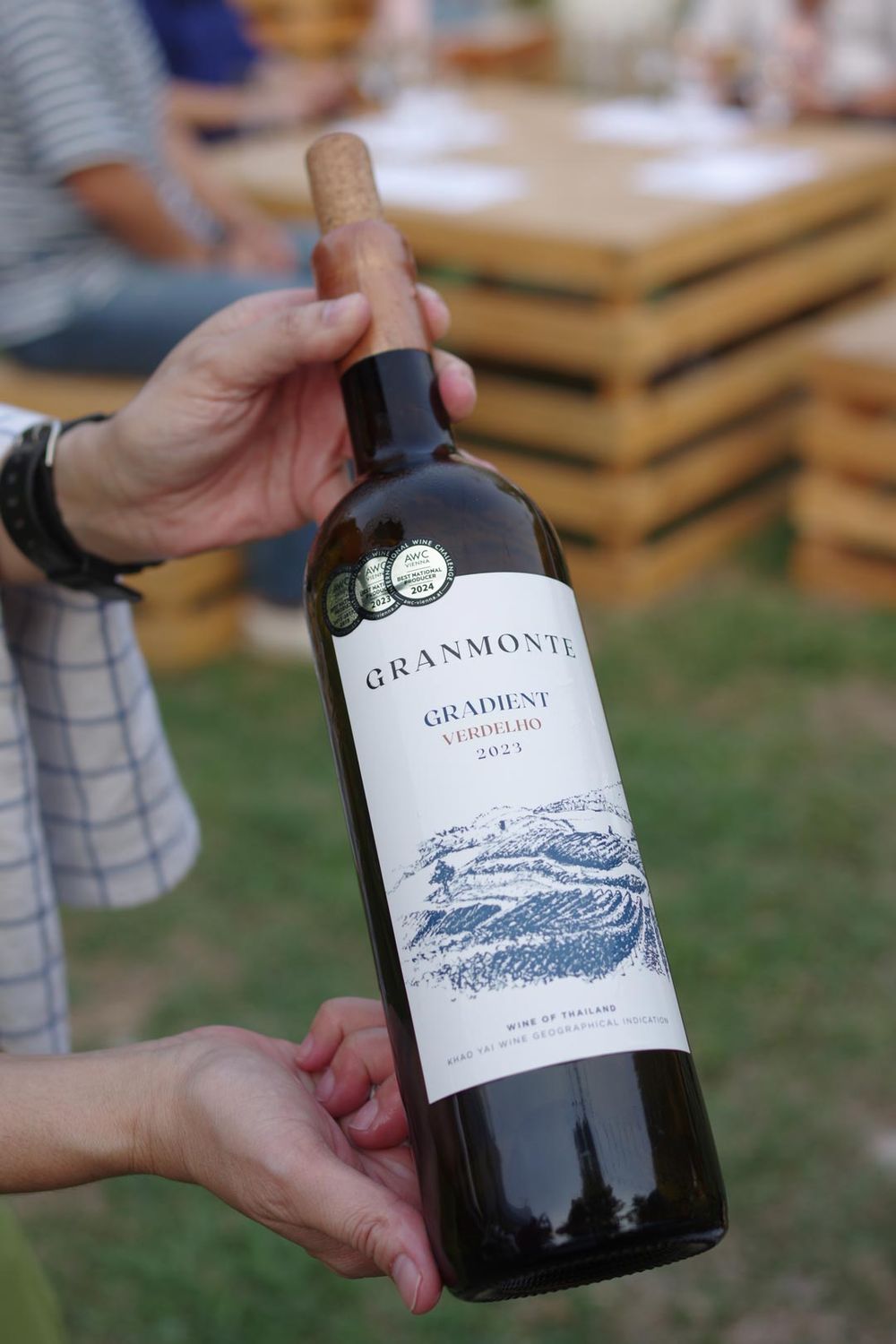
There is a saying in the wine world that a good wine should express the character of its terroir. When drinking it, we should be able to get a sense of the kind of place it comes from, what its soil and climate are like, and what the winemaker had in mind. This is the philosophy that GranMonte has followed all along.
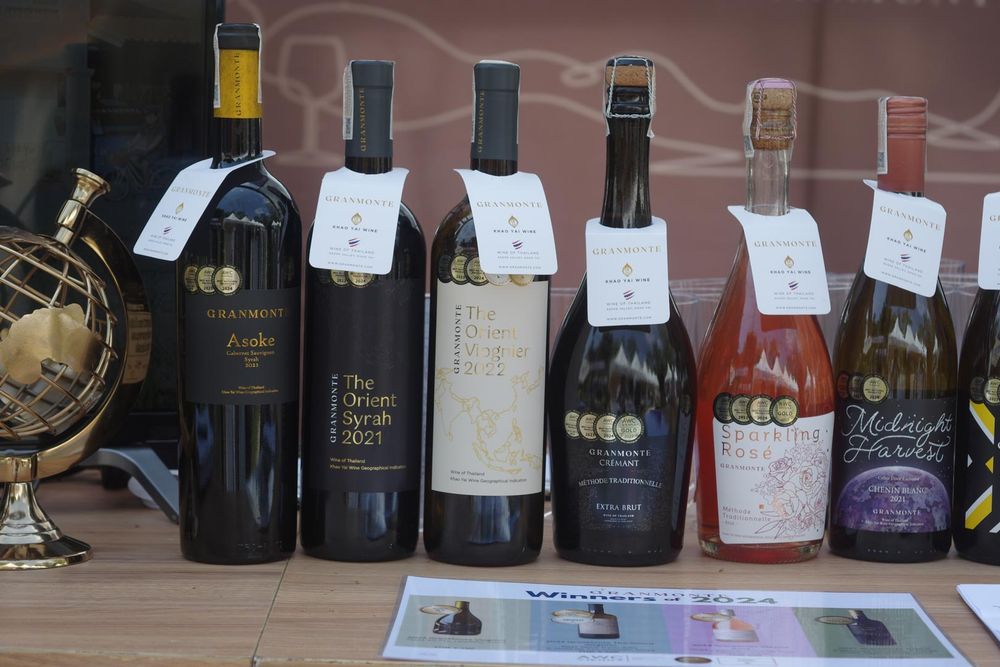
Looking back to the moment the first vine took root in Khao Yai, who could have imagined that a retired man’s pursuit of a dream would become the starting point for Thai wines winning gold medals on the world stage today?
© 2025 Khaoyai Connect. All rights reserved.
No part of this content may be copied, modified, or distributed in any form without prior written permission.© 2025
