


Celebrating 250 Years of American Freedom
Following the American GI Trail in Korat
Korat was another key strategic location during the Cold War and the Vietnam War, from the late 1950s to the late 1970s, when American GIs established important army and air bases here.
The army base was Camp Friendship, now Surathampitak Camp, while the air base was Korat Air Base, now Wing 1 of the Royal Thai Air Force in Nakhon Ratchasima Province.
Despite the brutality of those years, there is no denying that, viewed from another perspective, the arrival of American military bases brought profound changes to the city's economy, society and culture.
Alongside their combat duties, the American servicemen brought a full range of comforts and entertainment to the city. Korat's economy flourished during that period.
This year marks the 250th anniversary of the United States' declaration of independence. The U.S. Embassy and Consulate in Thailand have held celebrations of 250 years of freedom at several locations across the country. Korat was among them, hosting a celebration at Mayfair Market from 2 to 4 October.
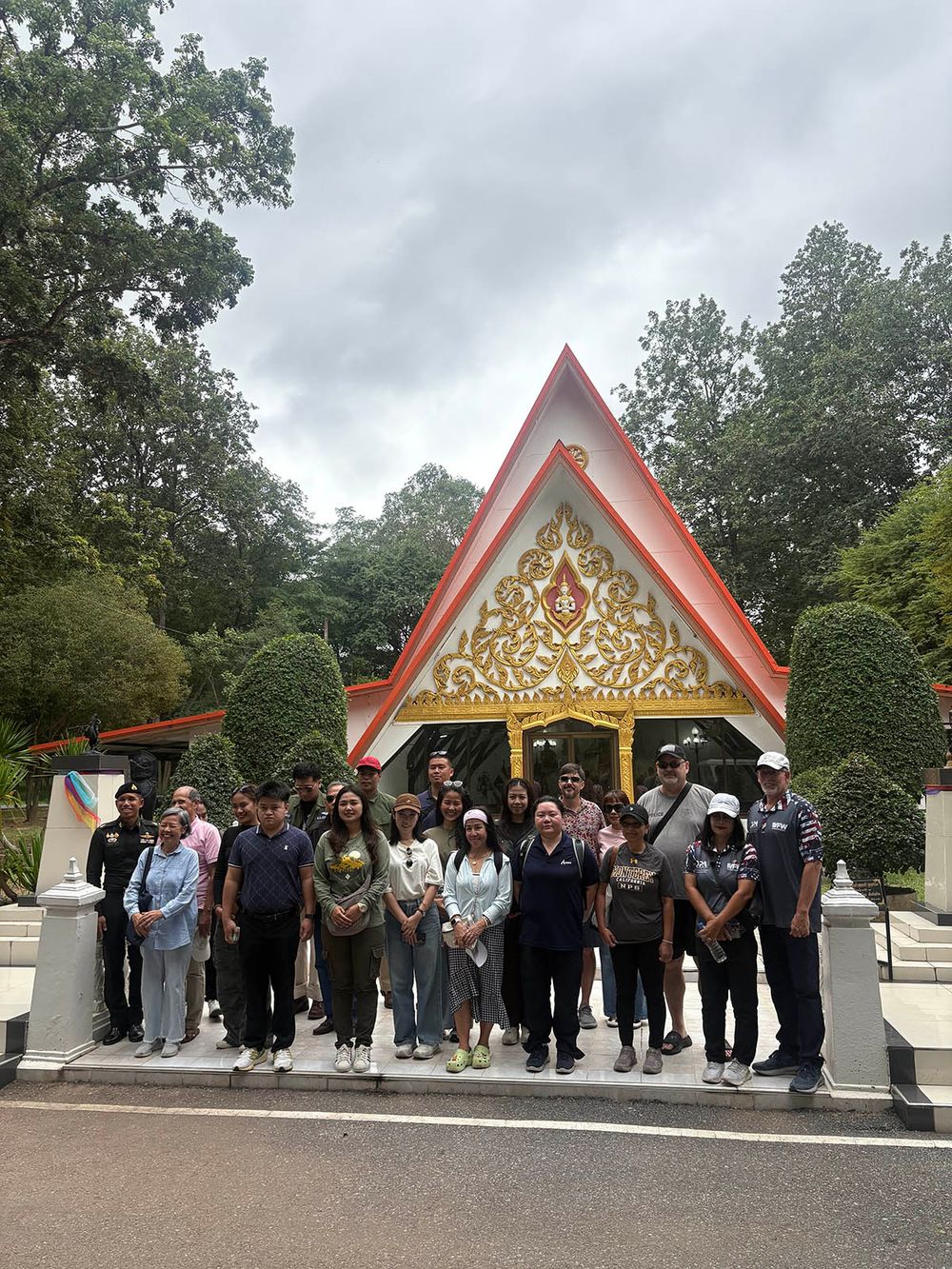
To mark the occasion, the Khao Yai Tourism Association and Trekking Thailand Tour also joined forces to organise a special activity tracing the footsteps of American GIs in Korat, titled "STEP BACK TO KORAT THE AMERICAN YEARS", as part of the celebrations.
We began our morning at Surathampitak Camp, formerly Camp Friendship, which gave its name to Mittraphap Road. Today, the road stretches 509 kilometres from Saraburi to Nong Khai.
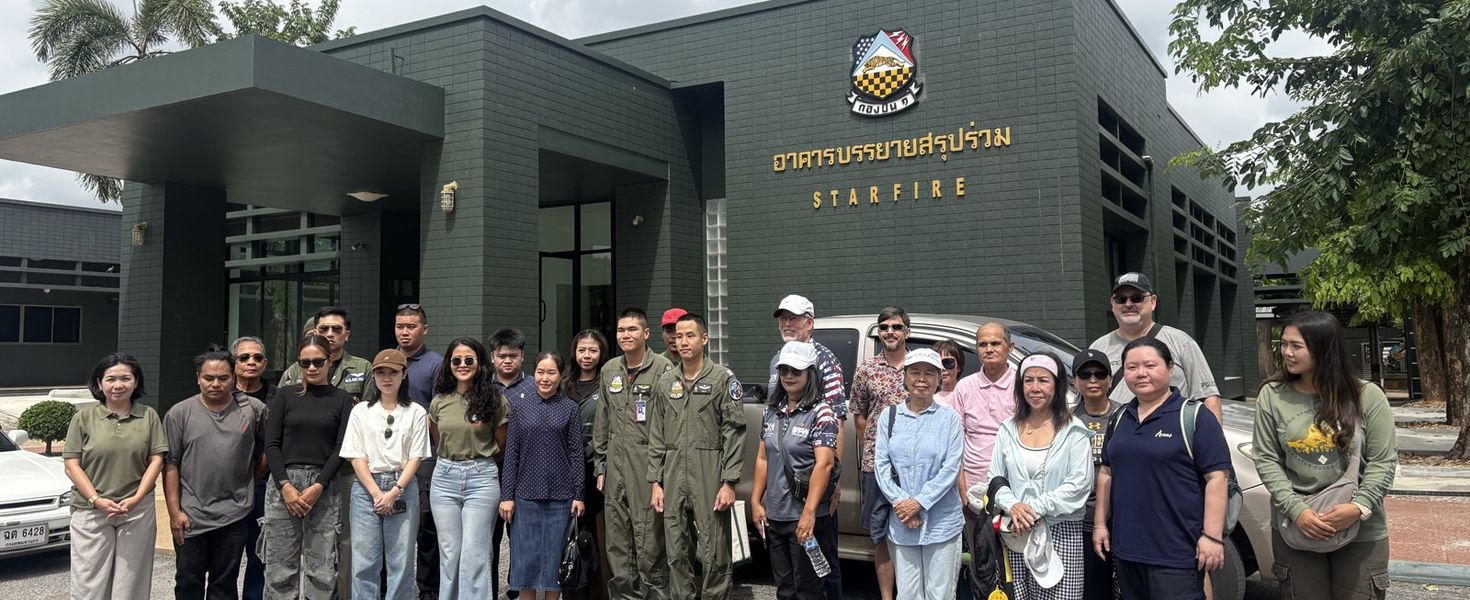
The organisers told us that the trip had taken a year to plan: entering a military area is not something that can be arranged on a whim. Yet their aim of telling the story of the connections between the military and the people of Korat finally made the trip possible, with support from Colonel Thanin Domhom, commander of the 23rd Infantry Regiment under the Second Army Region.
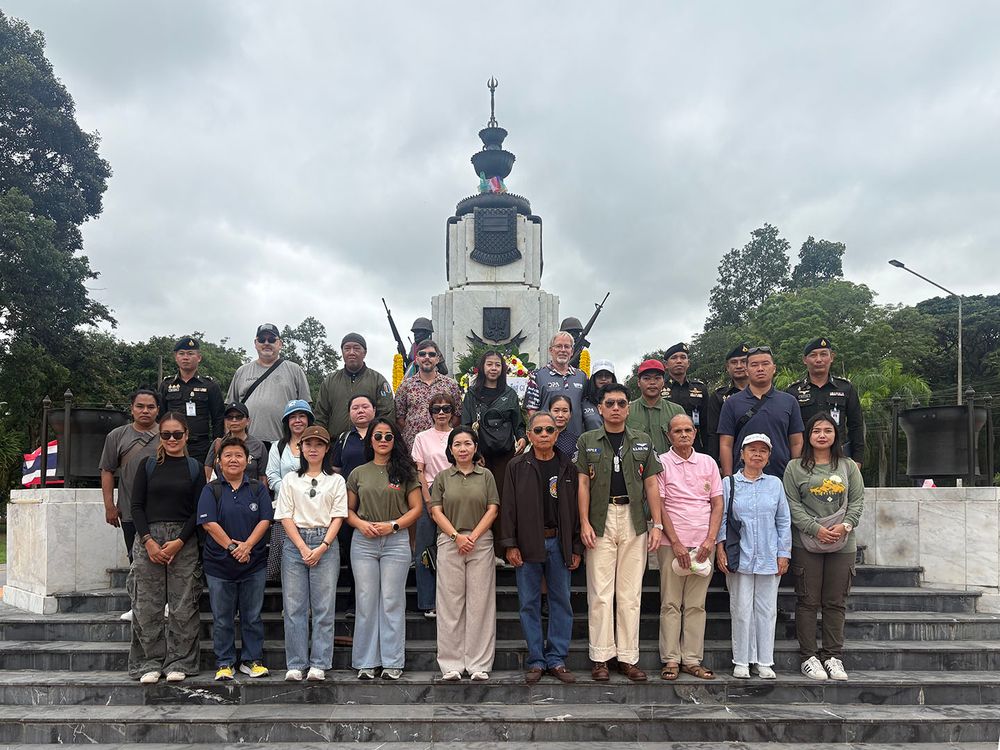
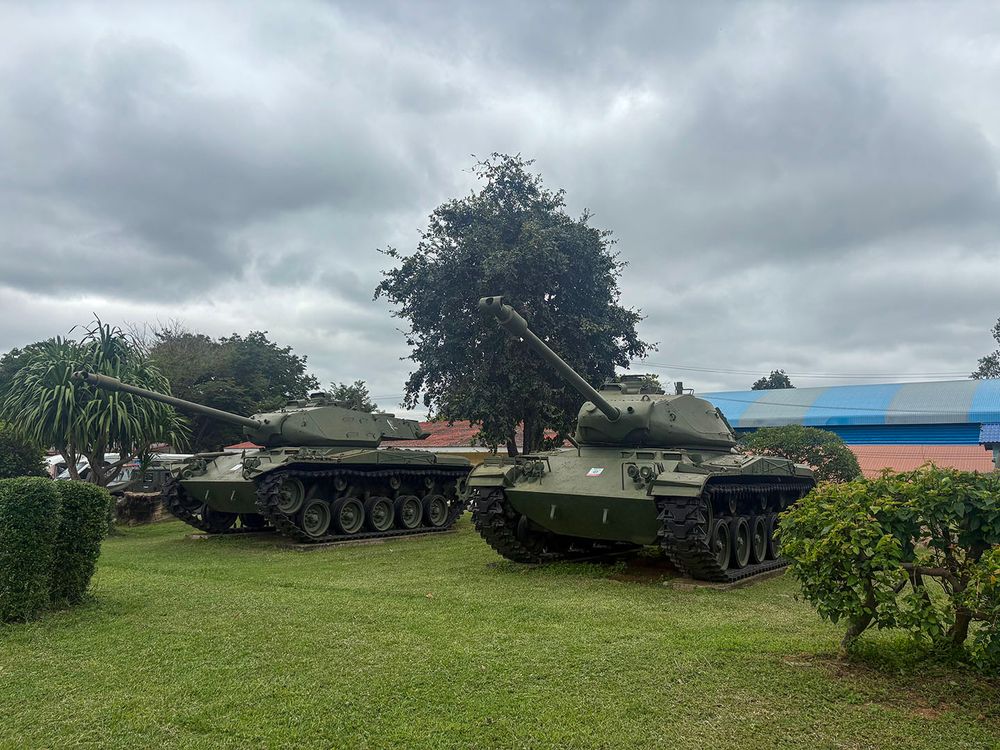
Before entering the camp, we paid our respects at the Kla Klang Samon Monument, built to honour the soldiers who lost their lives in operations against communist insurgents between 1965 and 1985. The names of all 86 fallen soldiers are inscribed on it. Around the monument, military equipment that once saw combat is on display, its exterior carefully maintained.
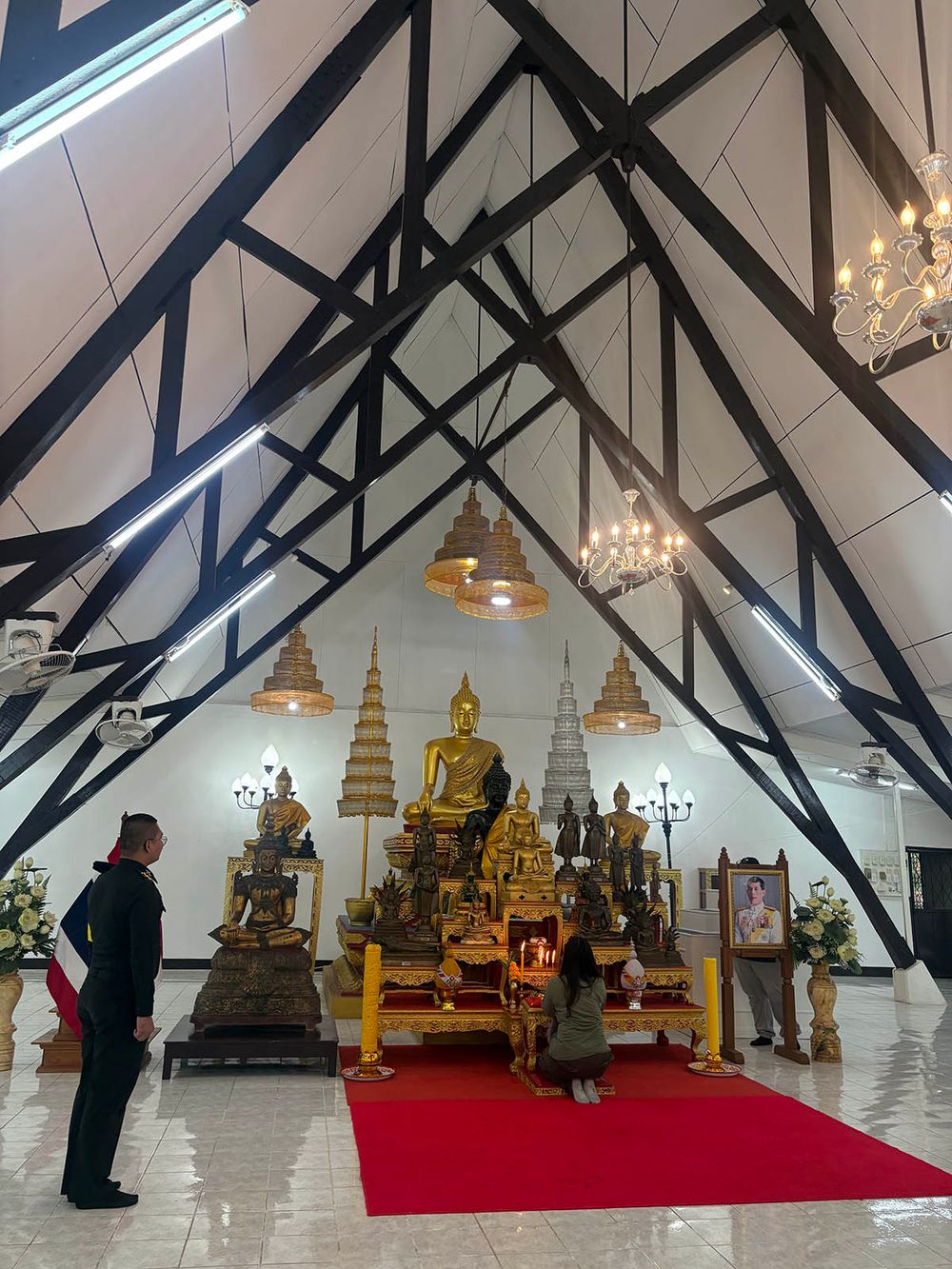
A sightseeing vehicle then took us into Surathampitak Camp. Our first stop was Wat Bot, an old building constructed by American servicemen during the Vietnam War. It was originally a Christian church. After the Americans withdrew, they handed it over to the Thai government. The 23rd Infantry Regiment converted it into a Buddhist temple and installed a Buddha image as a source of spiritual comfort for people in the camp. The name Wat Bot reflects the building's origins as a Christian church.
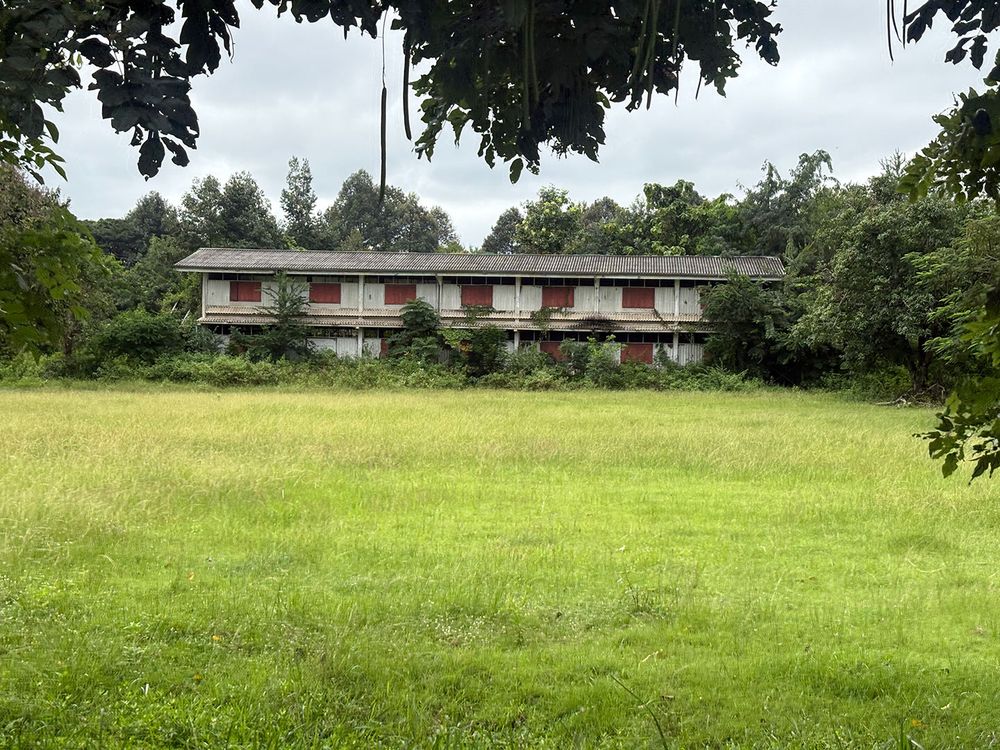
Several buildings from the Vietnam War years still survive in the camp today. One is a two-storey residential building whose exterior looks much as it did in photographs taken 60 years ago. Officials told us, however, that parts of the interior have deteriorated. Extensive restoration and repairs would be needed before visitors could be allowed inside.
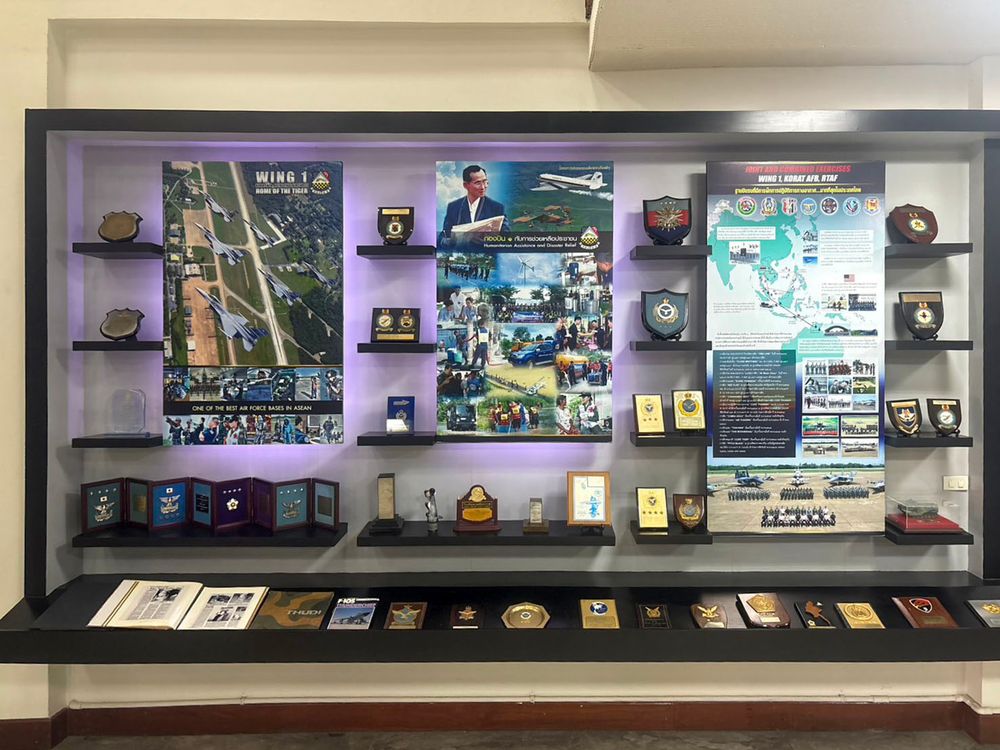
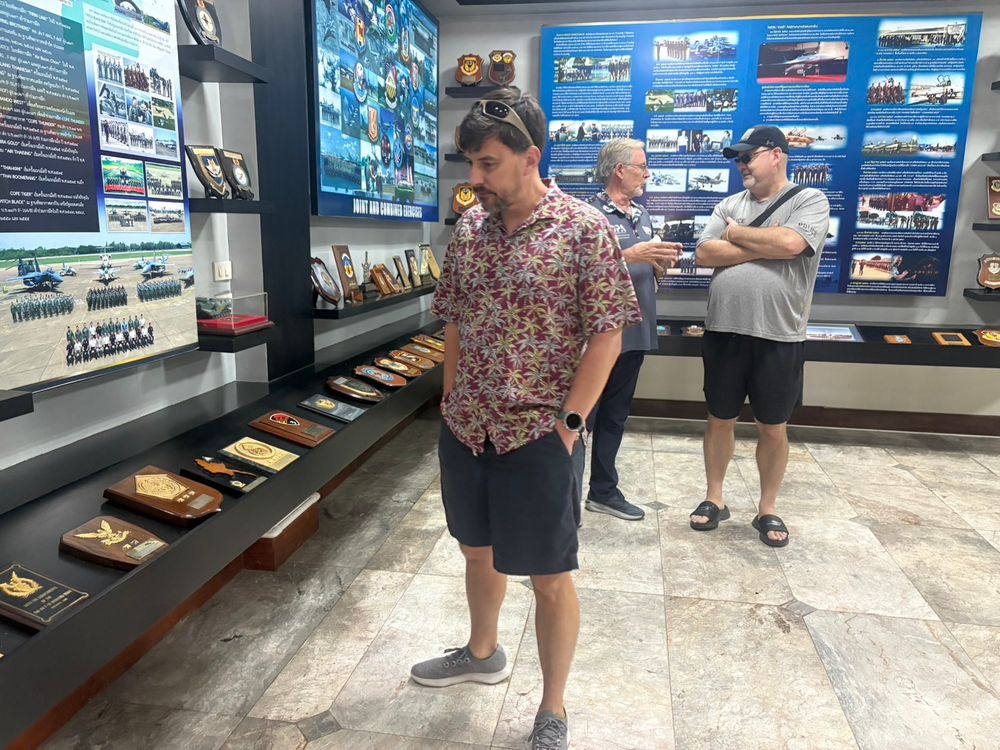
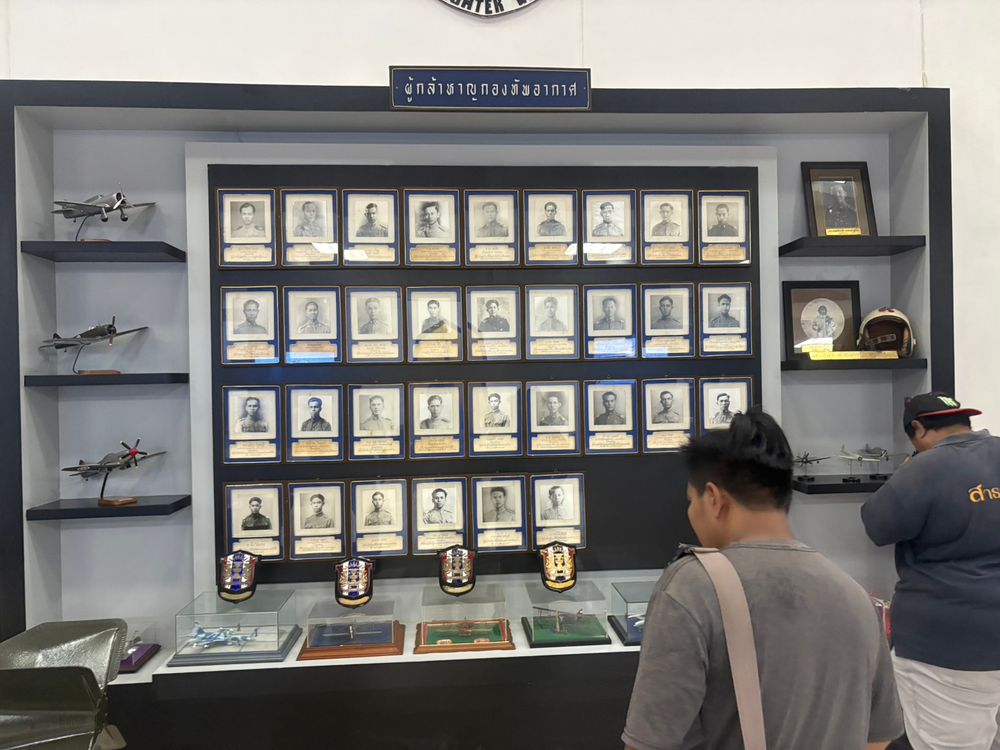
Our route also took us to Wing 1, where we visited a museum displaying photographs of missions involving American and Thai servicemen during the Cold War and the Vietnam War.
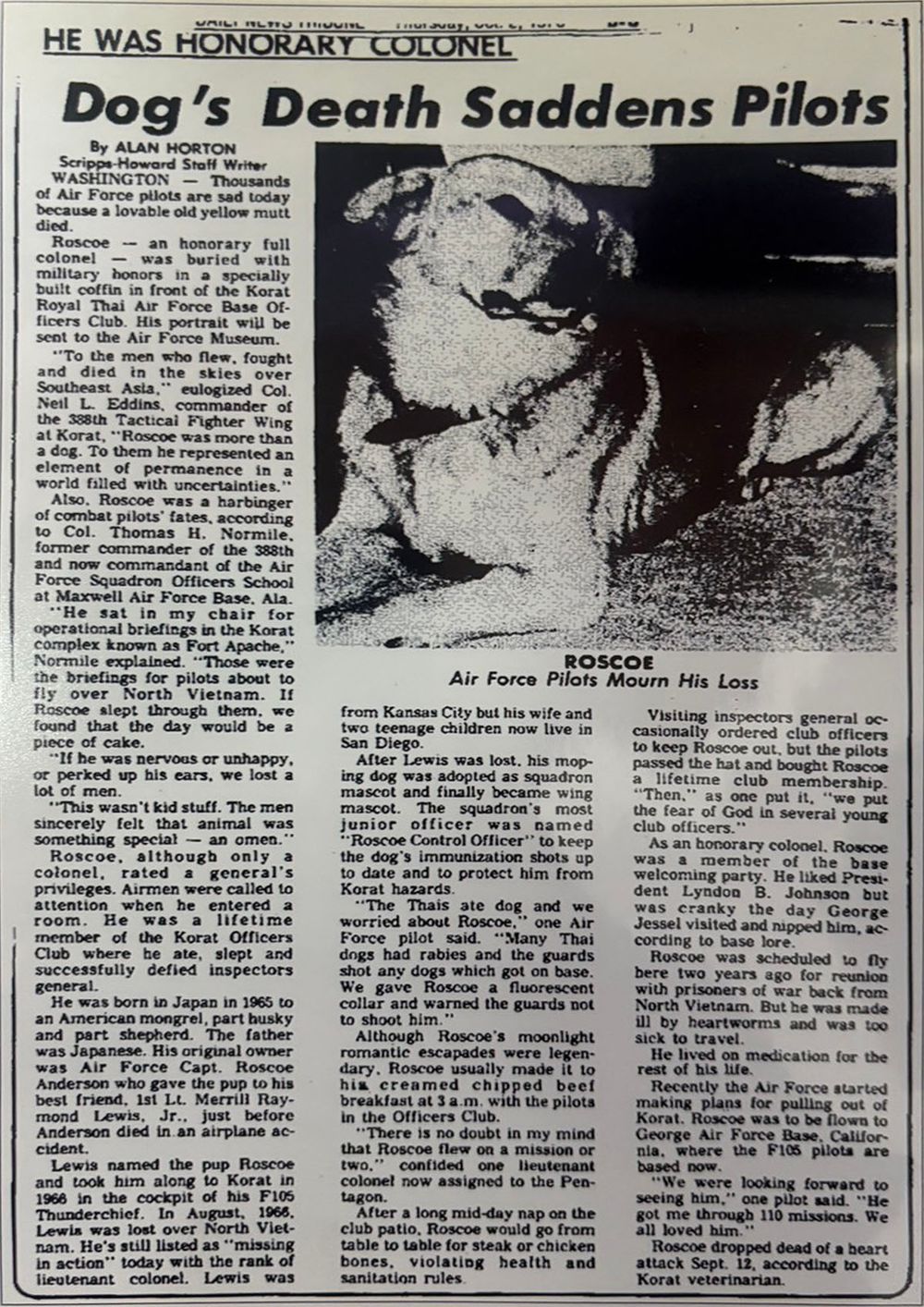
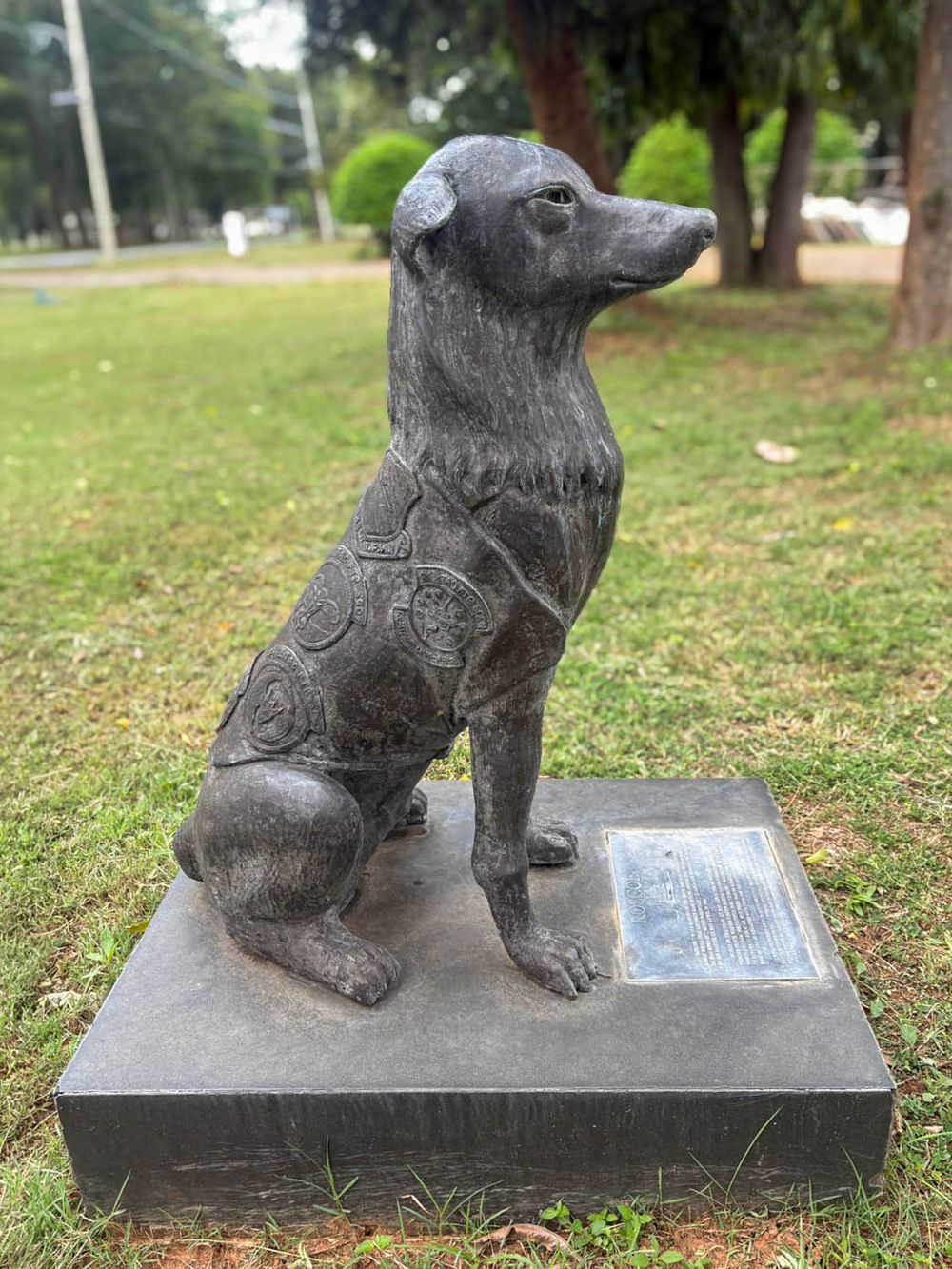
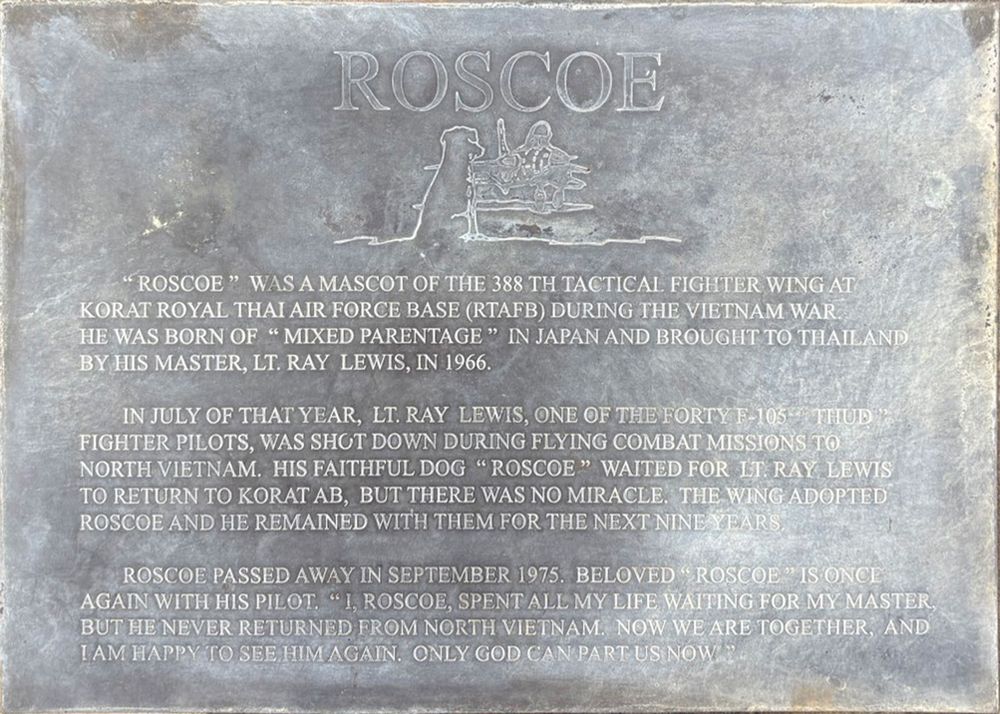
Perhaps the most moving story for those on the trip was that of Roscoe, the dog remembered for his loyalty: he waited for an owner who would never return, until his own death here at Wing 1.
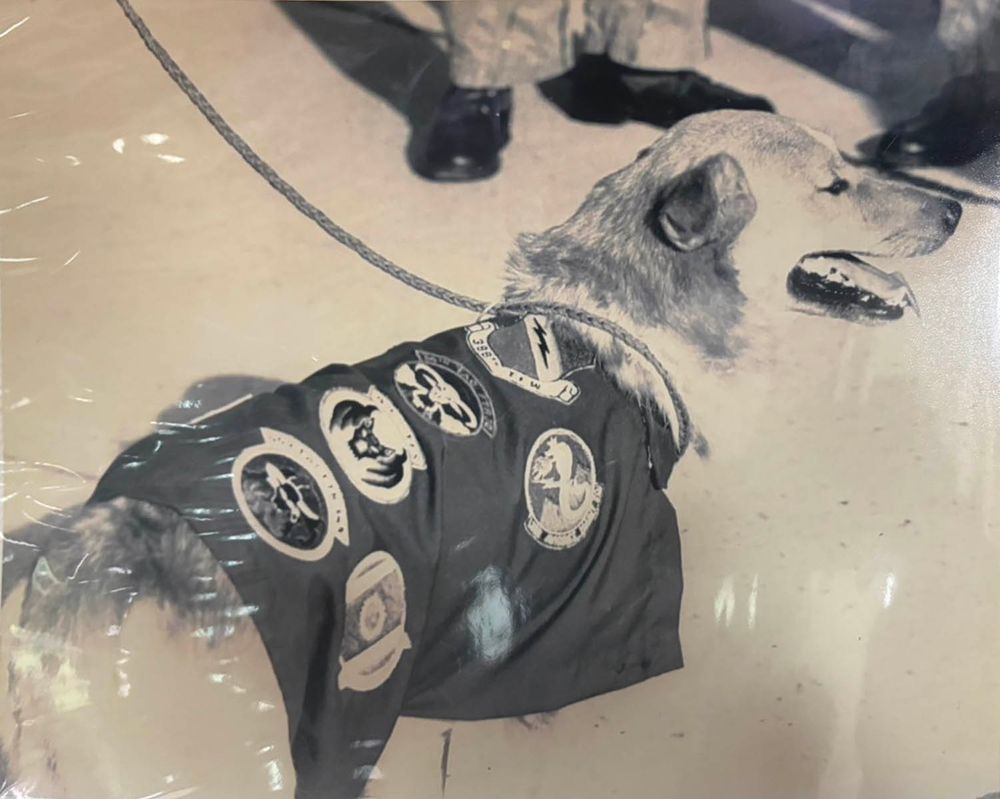
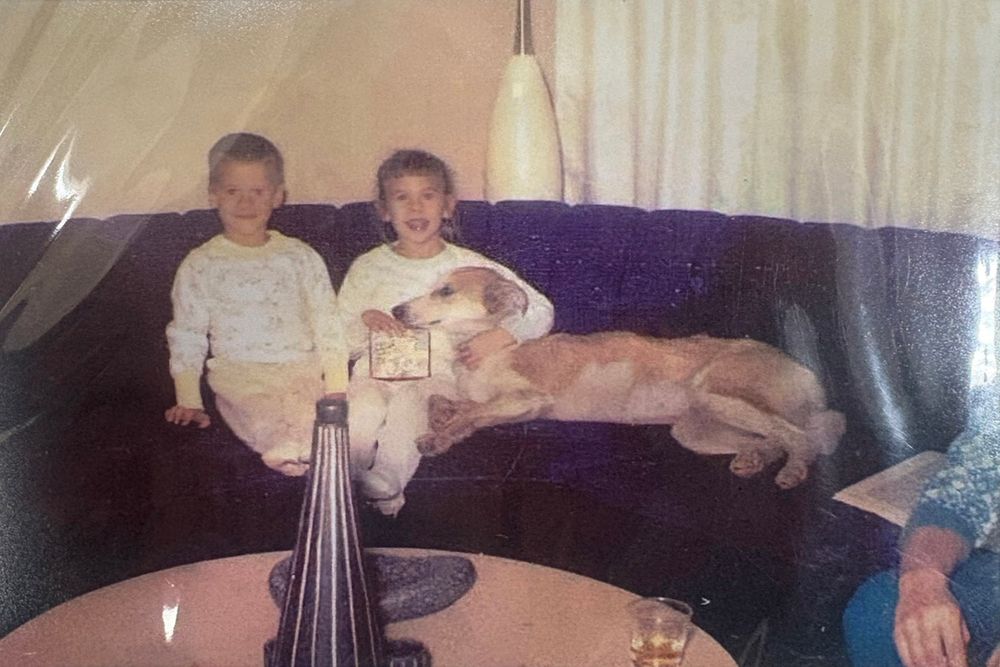
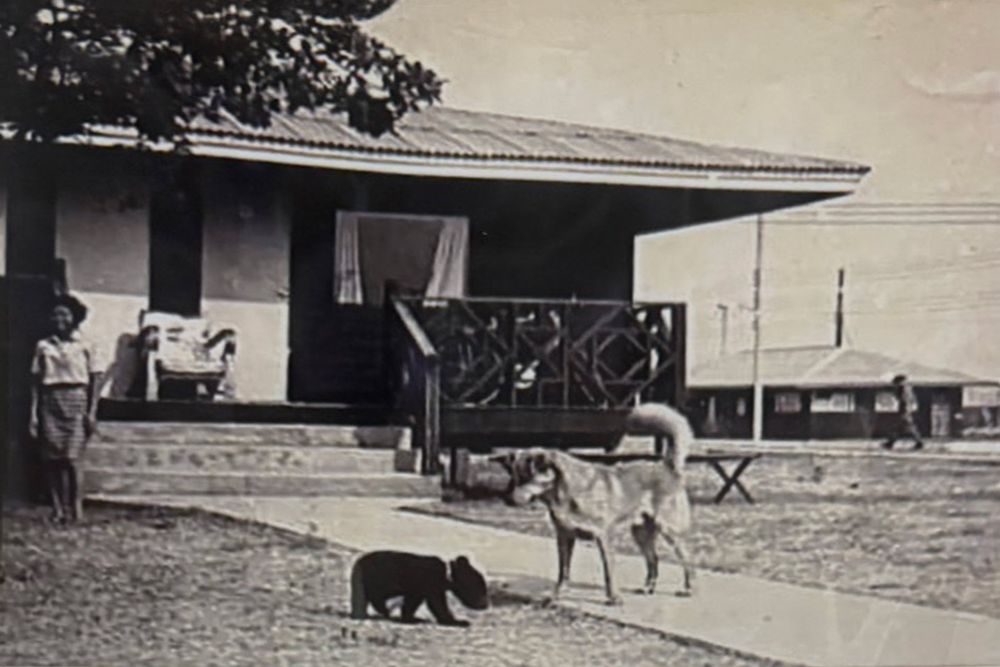
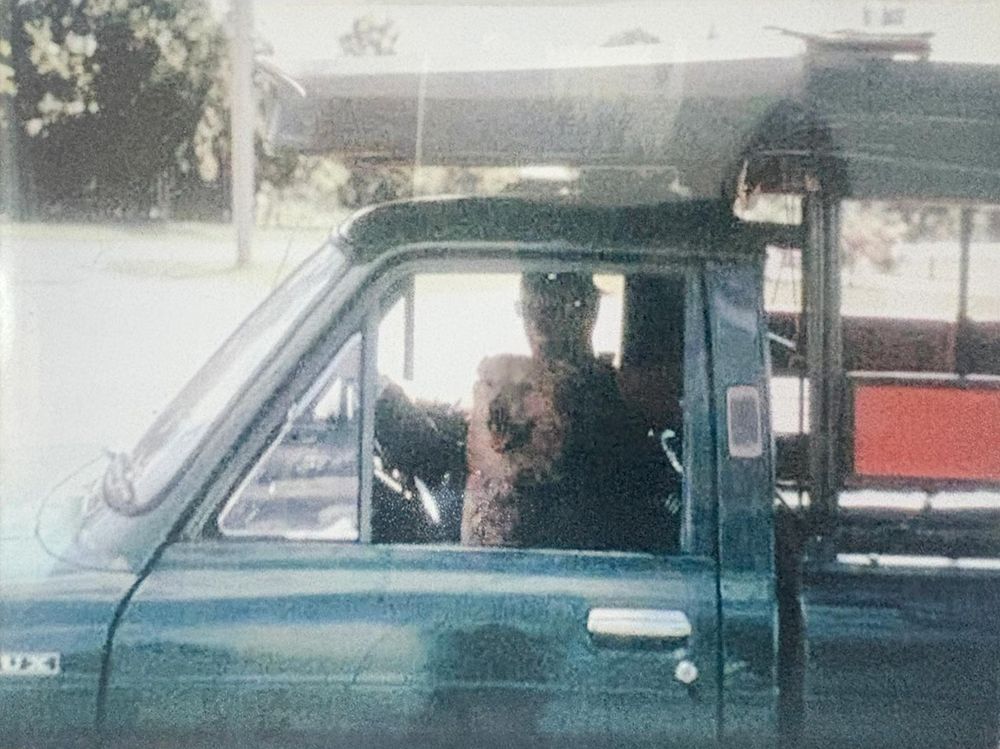
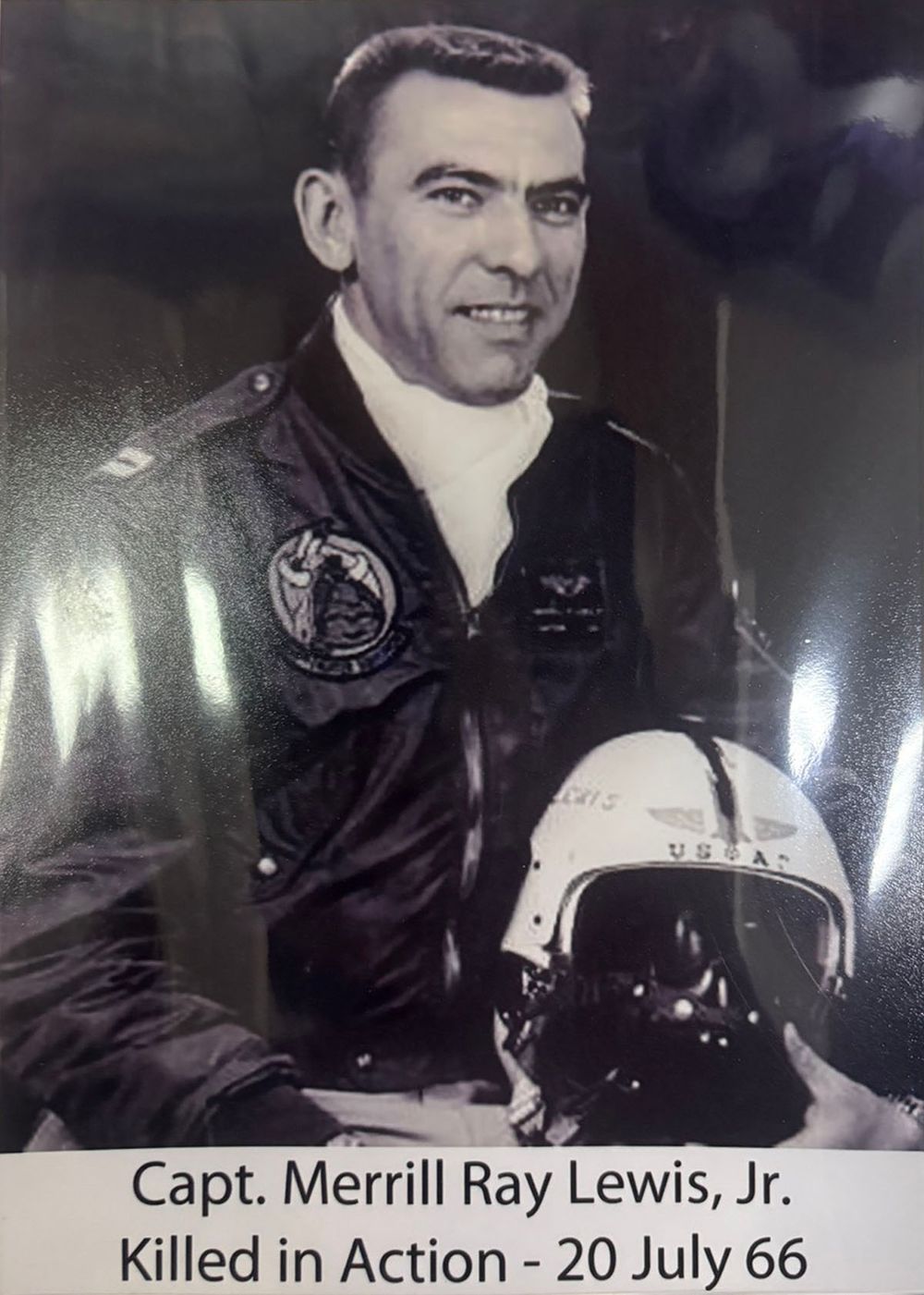
Roscoe was a mixed-breed dog brought from Japan by his owner, Captain Merrill Ray Lewis Jr., an F-105 pilot. Lewis named the dog Roscoe in memory of his friend, Captain Roscoe Anderson, who died in an F-105 landing accident at Yokota Air Base in Japan. Not long after arriving at Korat Air Base, Captain Lewis flew a combat mission over North Vietnam. On that mission in July 1966, his F-105 was shot down, killing him.
Unaware that his owner was gone for good, Roscoe often sat waiting in front of the KABOOM club (Korat Air Base Officers Open Mess), opposite Thupatemee Hall. (The KABOOM building has now been completely demolished.) Other servicemen regularly stopped by to play with him. When Roscoe died, he was buried here, and a monument honouring his loyalty was erected at the spot where he had so often waited for his owner.
After leaving Surathampitak Camp and Wing 1, we headed into the city for lunch at the VFW restaurant in Siri Hotel. This American-style restaurant is the only surviving gathering place of its kind for American servicemen from the Vietnam War years.
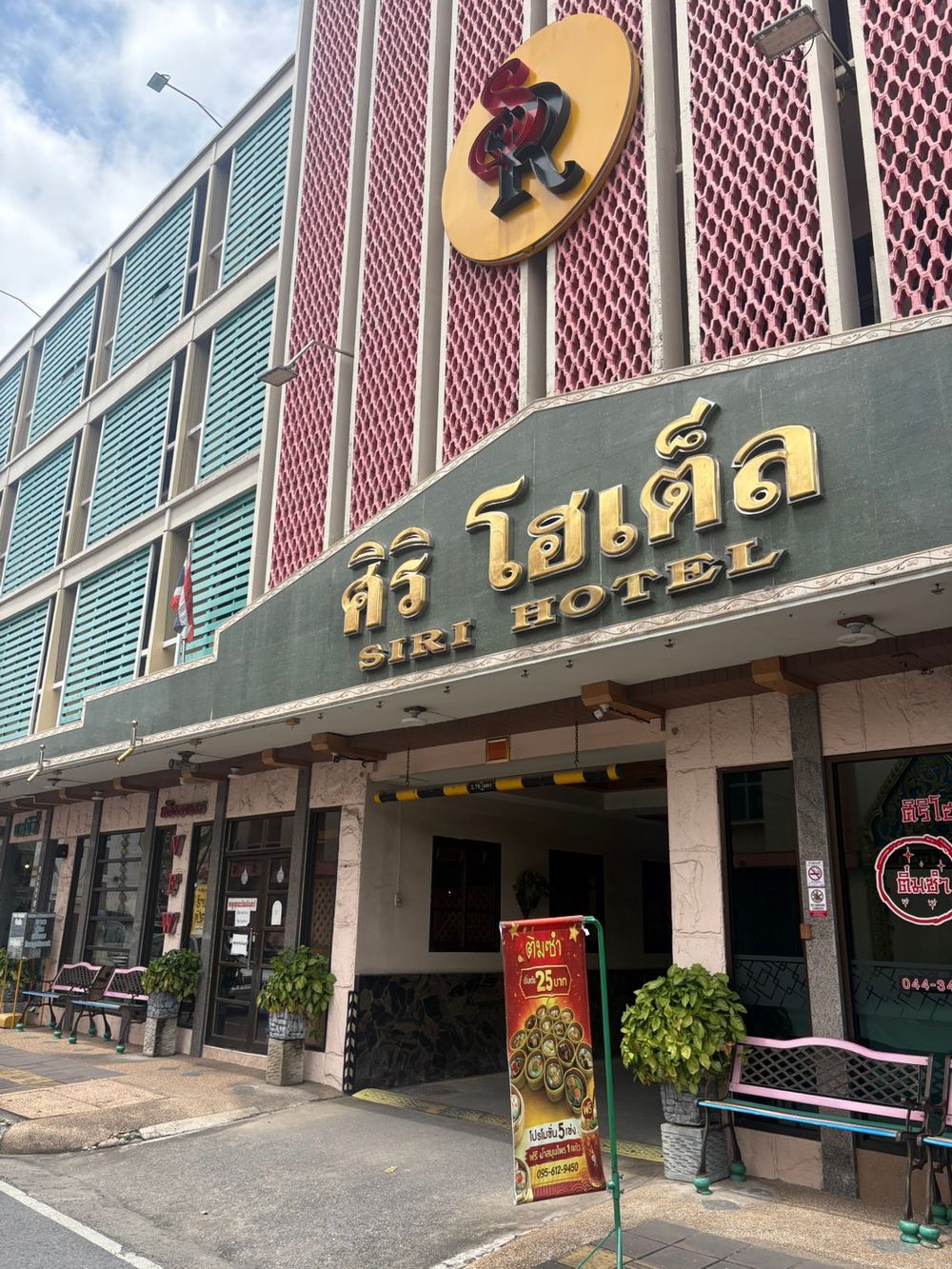
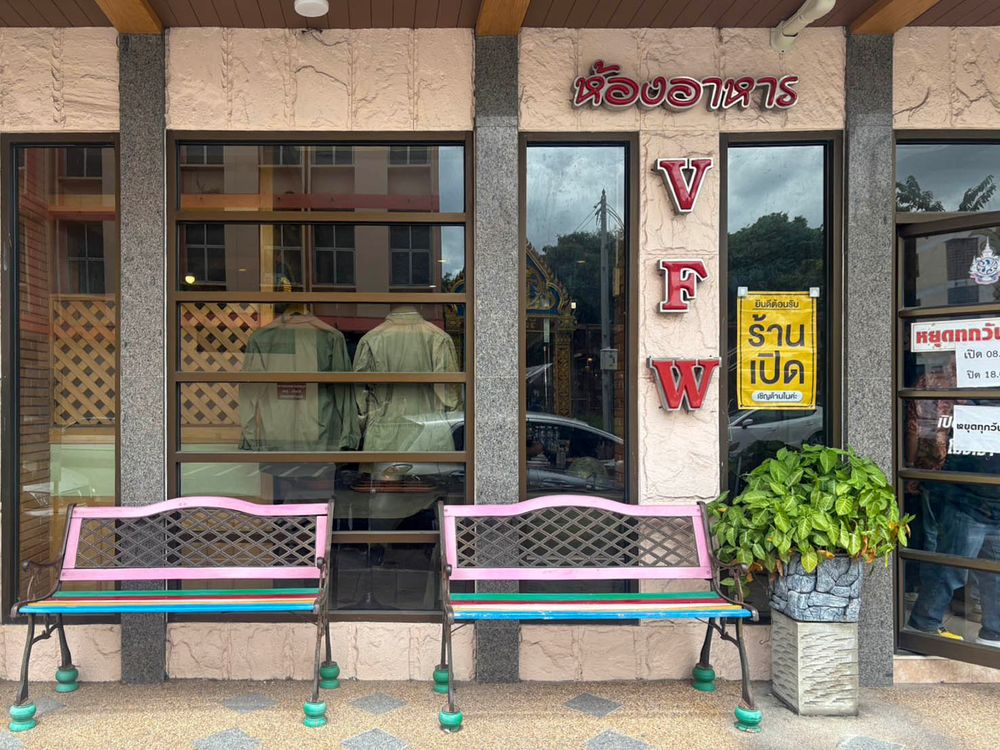
It was during those years that the people of Korat tasted cheeseburgers for the first time!
VFW establishments can be found around the world. Thailand originally had four, in Chiang Mai, Korat, Pattaya and Udon Thani. The Korat VFW is Post 10217.

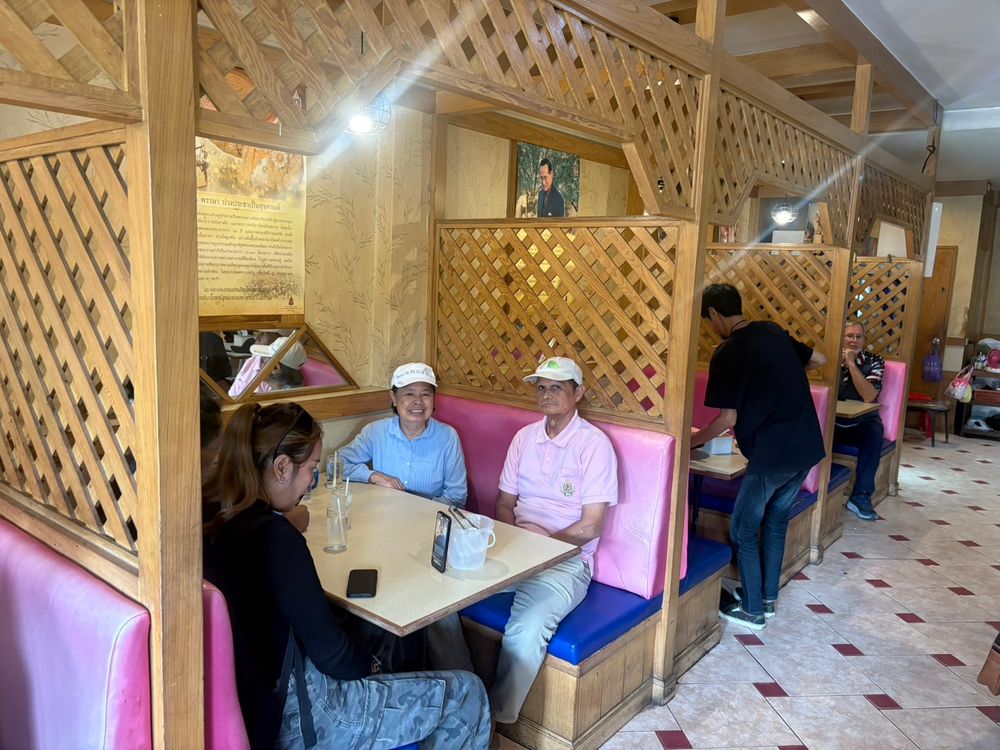
Sukanya "Lek" Dechdas, managing director of Trekking & Organize (Thailand) and the organiser of this trip, told Khaoyai Connect that the route was intended to bring to life the Vietnam War history connected with the people of Korat. Until now, that history had not been presented in a tangible way. Security restrictions separating military camps from surrounding communities may have made it difficult for people to explore this wartime history, even though the years when American servicemen were stationed here were directly intertwined with the lives of Korat's residents.
"When they arrived, it was as though they built a small town of their own. It brought considerable economic prosperity at the time. There were jobs, housekeeping work, entertainment venues, clubs, bars and cinemas. It was a real boom. By the time the servicemen left, Korat had become more familiar with Western culture, and that clearly helped move the city forward."
Lek added that the route was created to make this history tangible. She had seen how other countries had developed engaging ways to tell their wartime histories, even without the surviving buildings that Korat still has. Crucially, those initiatives also generated value through tourism.
With such compelling stories so closely tied to the people of Korat, this is another route with the potential to develop into a wartime heritage tourism trail—and, of course, to bring the prosperity of earlier years back to Korat's residents.
Related Article: 50 Years Since the Passing of “Roscoe”
© 2025 Khaoyai Connect. All rights reserved.
No part of this content may be copied, modified, or distributed in any form without prior written permission.
