

The Sound of the Era in the Land of Isan
9 Questions with the Organizer of S.O.E – Sound of Era Art Festival, 3rd Edition
Isan today is changing rapidly. The stereotypical images of barrenness, poverty, or low education are gradually fading until barely a trace remains. Meanwhile, people are looking back at Isan with fresh eyes as the country's most populous region with clearly developing human resource potential.
Isan has major universities in big provinces, Rajabhat universities in almost every province, airports, and roads connecting places within hours. Logistics and transportation systems are convenient. In the near future, high-speed trains will carry people from Bangkok straight to the Mekong River basin, Laos, and China in less than a day.
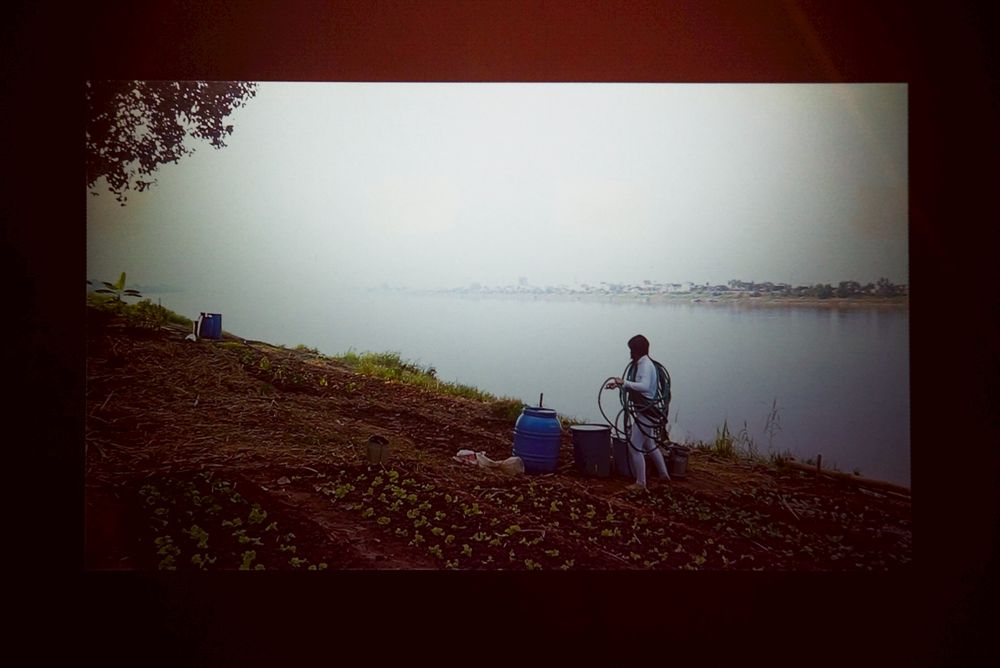
Atitayaporn Sanpo Artist from Roi Et, Thailand
Especially after COVID-19, reverse migration back to hometowns has accelerated these changes. There is a collision and mingling between traditional society, people who never left, familiar faces in new contexts, and even "strangers" from other regions and countries who have become part of Isan in the name of economic opportunity, education, and living.
Amidst the speed of this transition, there are many residues—social, environmental, cultural, and even the mental DNA of people—that are slowly being altered without realization.
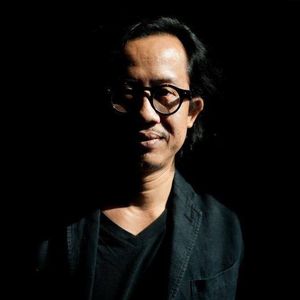
These things are being closely watched by a group calling themselves KULTX, led by "Tum" or Monporn Rorbru, a Khon Kaen artist and curator who has never relocated. He was born, studied, and has worked in the context of Isan society his whole life, often jokingly calling Bangkok the "Lower City"—a humorous remark that unintentionally reflects the structural alienation between the central administration and the regions.
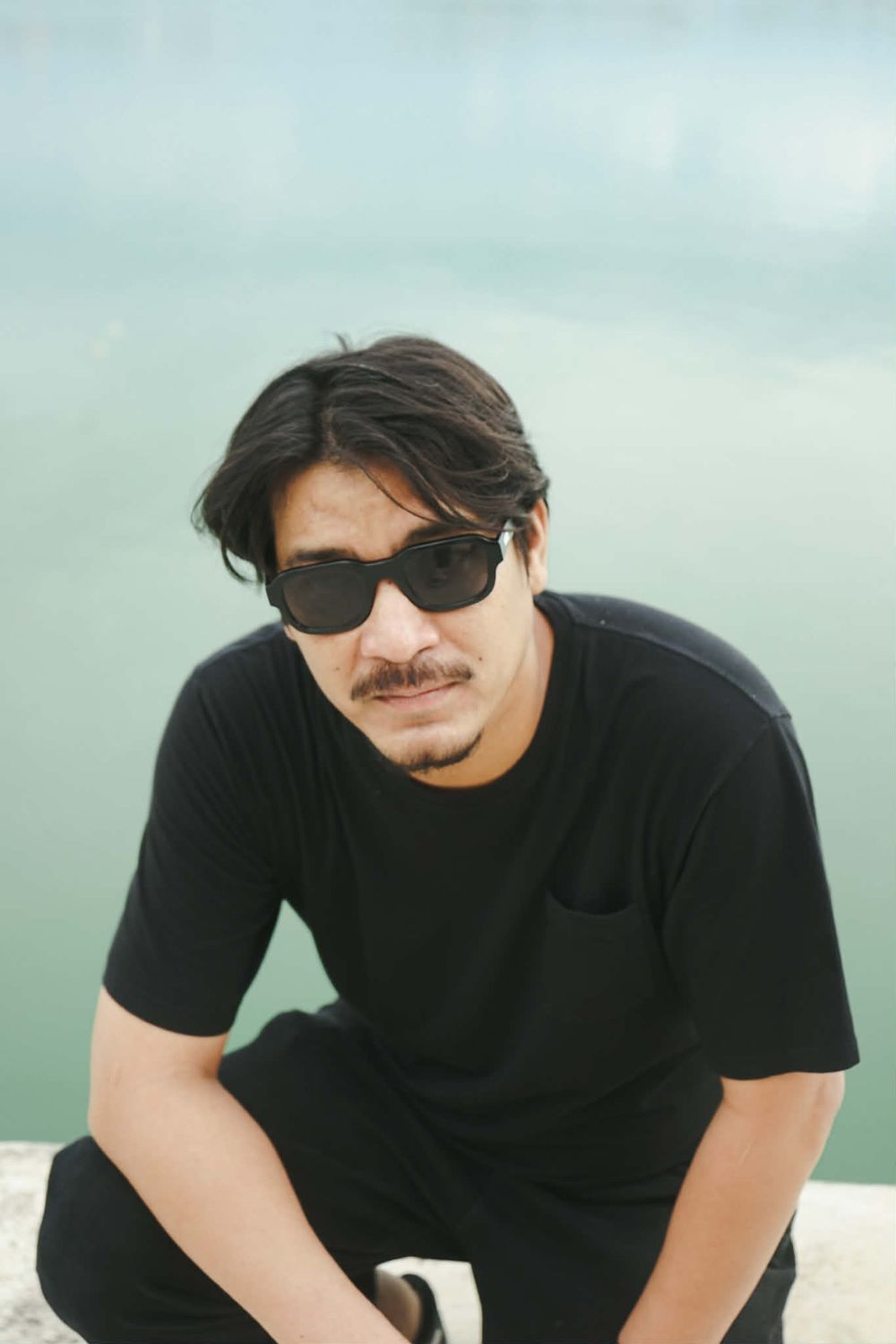
Monporn has worked in art to drive his hometown society for over two decades, from founding YMD Art Space to support young local artists, organizing art exhibitions in Khon Kaen city, participating in the Khon Kaen Manifesto, establishing MAIELIE (an art gallery by Bueng Kaen Nakhon), to establishing the S.O.E – Sound of Era International Contemporary Art Festival, driven by his own team and continuously supported by both government and private sectors.
He never stops questioning, looking back at history, confronting the present, and wondering about the future. His only tool is "art." And if you look closely, these reflections are not limited to just Isan, but span across the national level and the entire world.
Sound of Era has gradually expanded its scope each time, as seen by the increasing list of international artists. If you were to cut him, what flows out would be almost one hundred percent art, mixed with a little alcohol just enough for a laugh (haha).
And here are 9 questions with the S.O.E – Sound of Era International Contemporary Art Festival, 3rd Edition, which is on display until February 28, 2026.
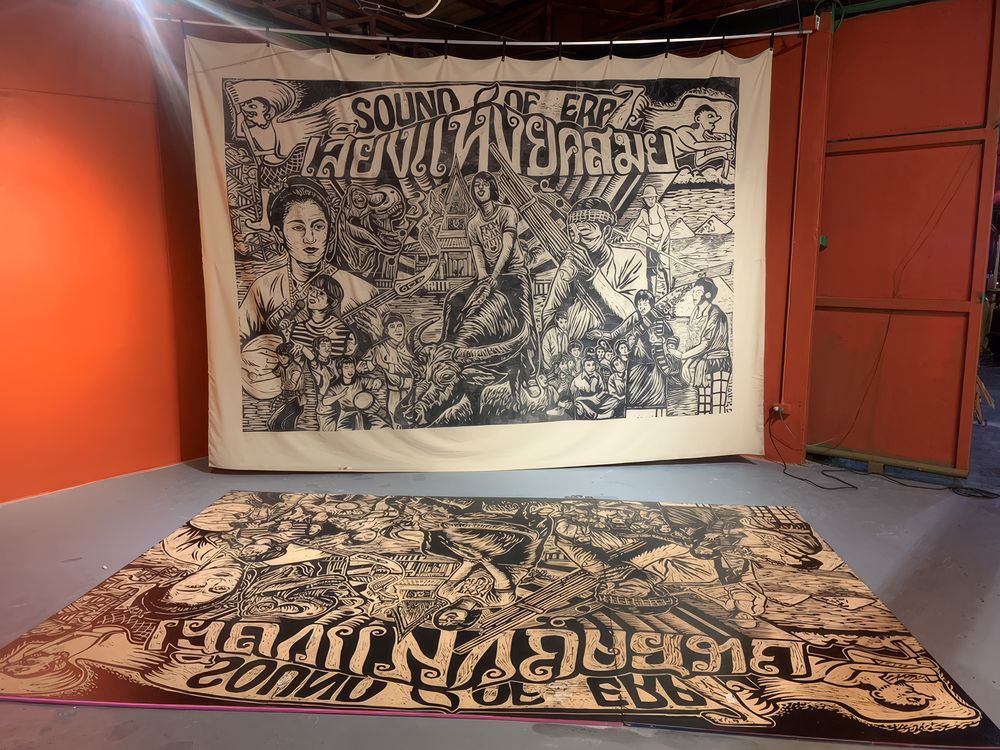
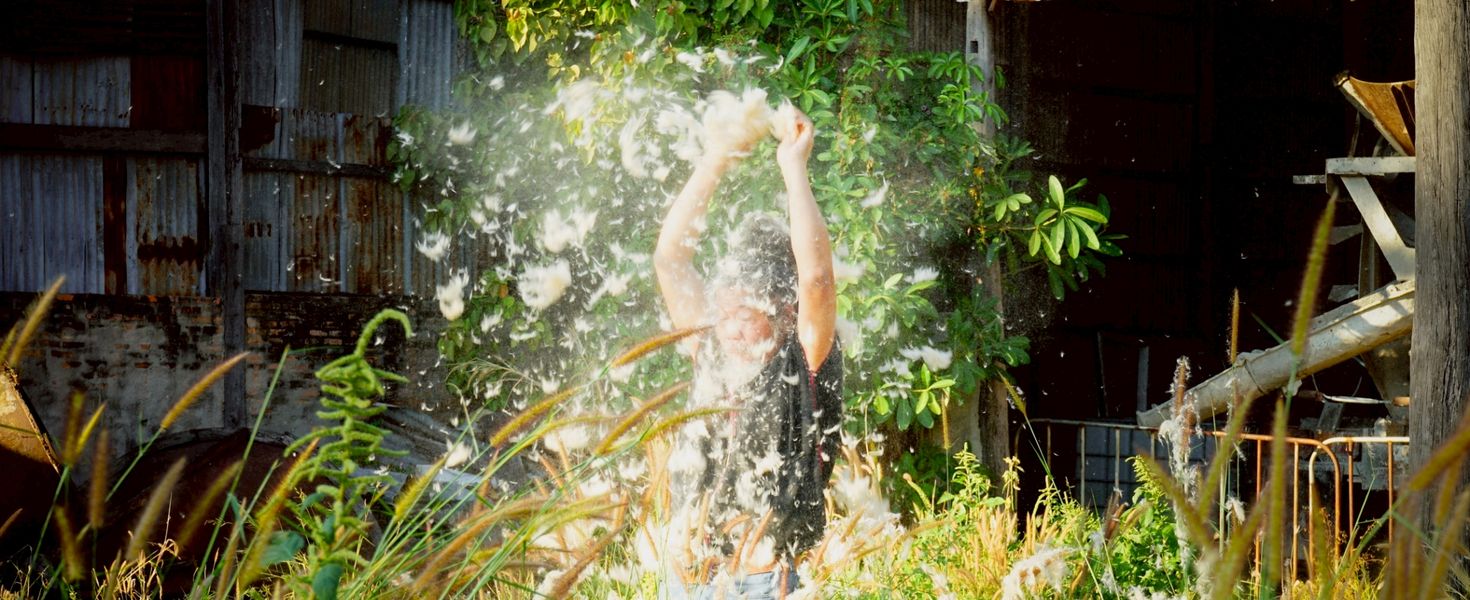
PANGROK SULAP Artist from Kota Kinabalu, Malaysia
1. What is the theme of this year's S.O.E.?
S.O.E is an international contemporary art festival held every two years, starting in 2021. The concept or theme differs each year.
The previous two times, we organized primarily in Khon Kaen, presenting perspectives from Khon Kaen's history and the stories of its people linked to contemporary multicultural society, way of life, politics, and other spaces. We explored distinct contexts through historical stories, cross-border migration, relocation, or traces of trade routes leading to cultural movement, exchange, and hybridization. Each year, we tend to broaden the scope of our interests to lead into the next edition, culminating in the third edition: S.O.E 2025-2026 - Sound of Era.
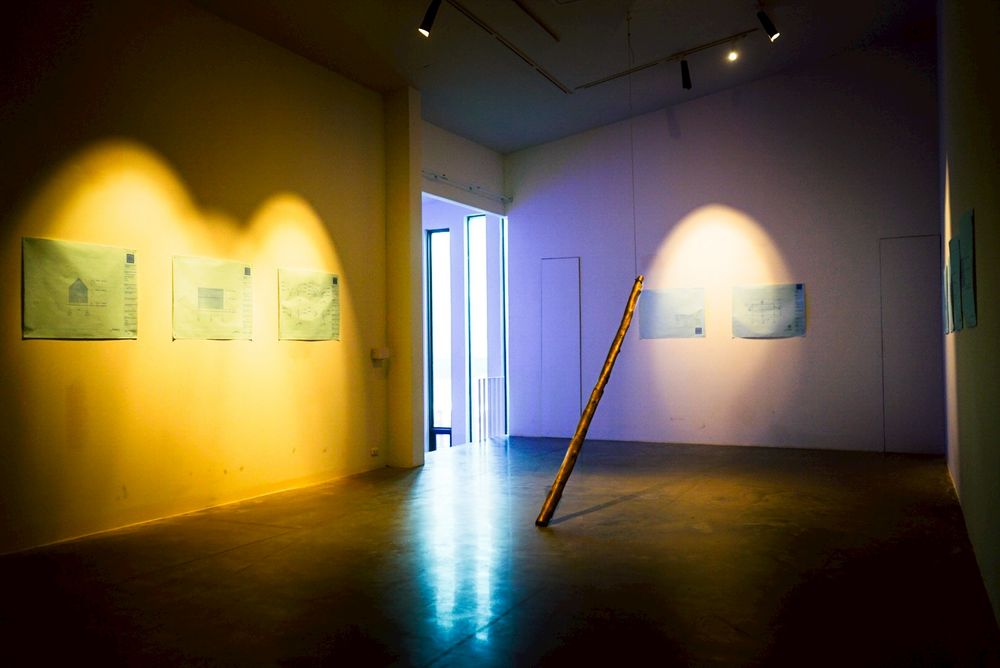
Surajet Thongchua Artist from Bangkok, Thailand.
2. It seems the scope of this year's event is wider, covering 3 areas.
We have expanded the festival's scope much wider than before, moving from Khon Kaen along the Mittraphap Road railway to Udon Thani, Nong Khai, reaching the Mekong River. The event covers three Isan provinces: Si Chiang Mai District and Tha Bo District in Nong Khai, Mueang District in Udon Thani, and returning to conclude in Khon Kaen, the festival's starting point. This year, we extended the duration to 3 months.
The reason we had to organize on such a larger scale despite limited budget is that the previous duration of just two weeks might have been too short to explain the "sound" from an area with such overlapping history and people. We wanted to present a powerful voice reflecting cultural diversity, history, and belief in human equality through art within the context of Isan, the Mekong basin, and Southeast Asian people.
This time, we worked with communities and over 70 artists from various countries. We view this as sending the "Sound of the Era"—the sound of the past, the sound of the present, and the sound of the future. This includes the voices of people, the sounds of nature, and the voices of what people hope to see. This is the meaning behind the journey we are taking everyone on this time.
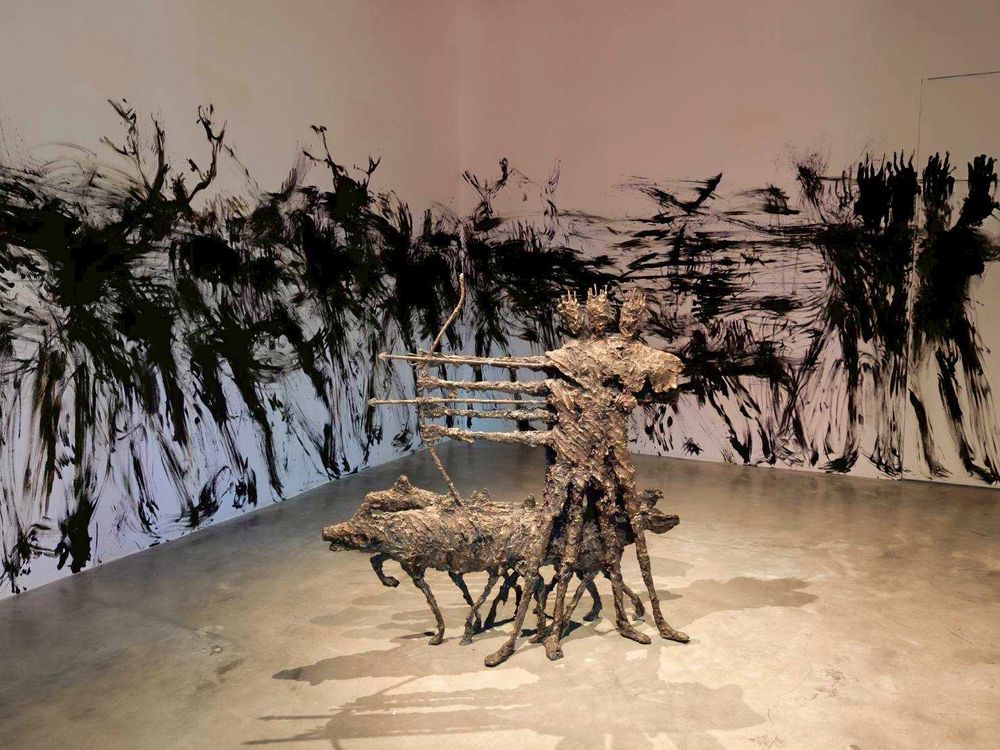
Wanlop Hansunthia Artist from Nakhon Ratchasima, Thailand.
3. How does your art work with the space?
This year's festival is special and different from other contemporary art festivals because we organized it across the Isan region, covering 3 provinces and including over 70 international artists. Artists had to learn about and work with the communities to create "Site-Specific" art pieces related to the area.
After finishing the previous event, we planned this festival immediately. We went into the field continuously over two years, getting to know the areas and the villagers. Since we moved outside our familiar Khon Kaen, it was necessary to study and understand the people and places, including planning operations to be orderly and not disturb the local owners.
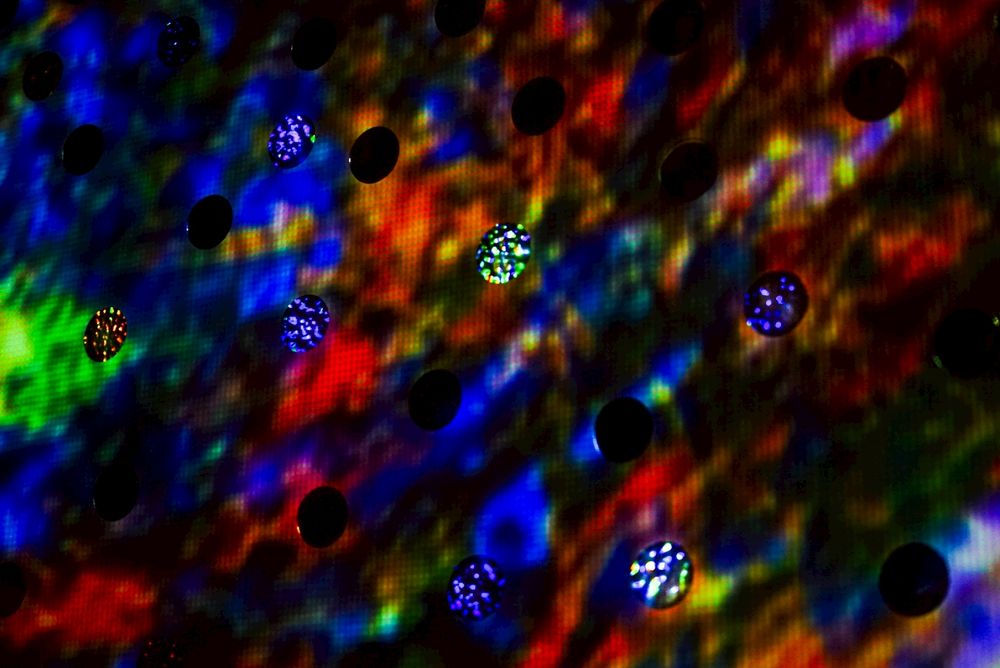
Siden Kong Artist from Phnom Penh, Cambodia.
4. Criteria for artist selection.
As mentioned, after the previous festival ended, we planned the path to this one. We started by inviting artists to work with us on KULTX activities or exhibitions, which included a residency program, Open Calls, workshops, and Artist Talks.
The direction was to focus on groups of artists from neighboring countries linked by the Mekong River or sharing common cultures, primarily artists in Southeast Asia. This also included the artist network we started building earlier. Once we had some familiarity, the artists understood the goals and needs—both theirs and ours—in creating work and organizing this event. Through continuous fieldwork, we could start working immediately when the time came.
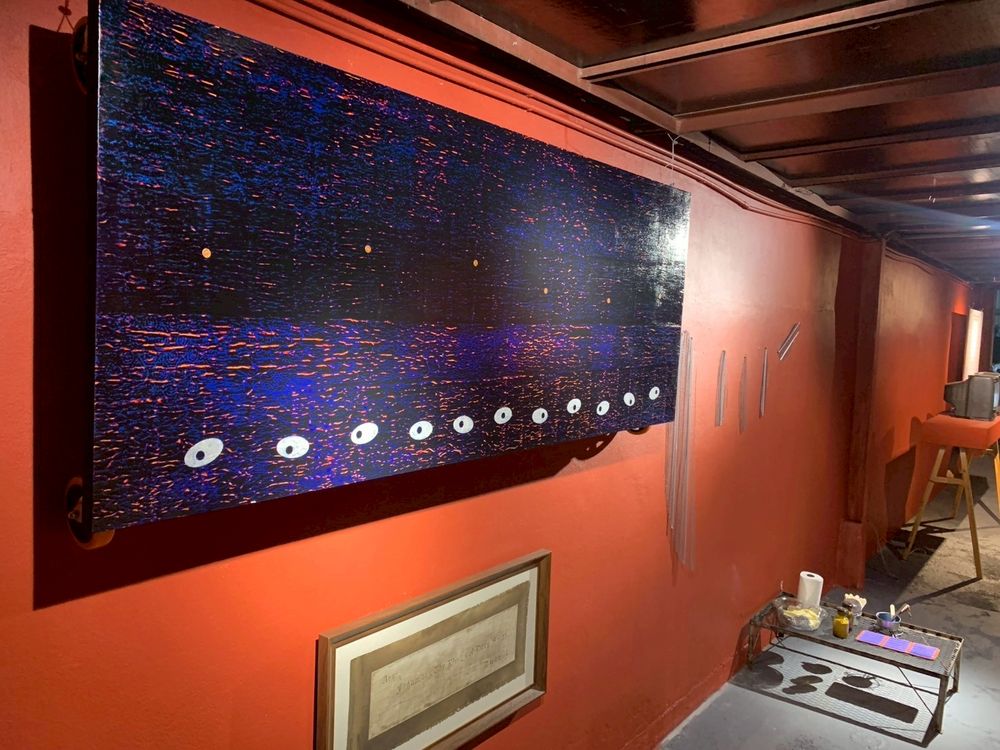
Chaiyaporn Klaphajon
5. The relationship between artists, artwork, and space.
Each piece of work was born from the artist's exploration and understanding of the area. Some works resulted from collaboration between artists and local people. Most works this time are almost entirely in a Site-Specific format related to the space.
The main reason is that we and the local villagers agreed to open the space for outsiders to know it, or for insiders to look back at their own space. This created a phenomenon of simultaneous learning for the artists, the people, the artwork, and the space.
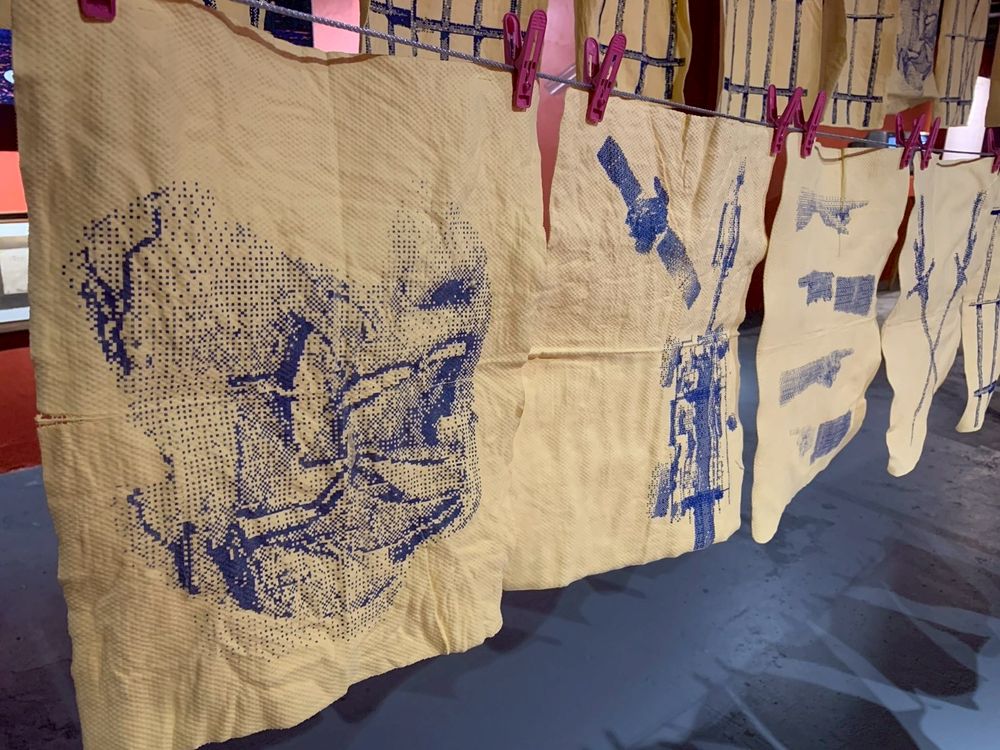
Adi Sundoro
6. How do art inside and outside the gallery relate? Because works were moved from Udon Thani to Mai E-Lee.
Since our venue in Udon Thani had a short opening period of about two weeks due to various reasons like budget and safety, we moved some works from Udon Thani to display in Khon Kaen, as well as some pieces from Si Chiang Mai. Exhibitions are held at two venues: KULTX and Mai E-Lee. Some works were newly created by artists for display in Khon Kaen, but we can see the connection between Khon Kaen, Udon Thani, and Nong Khai tied together through art, moving from Site-Specific areas to gallery spaces, creating new meanings and different perspectives.
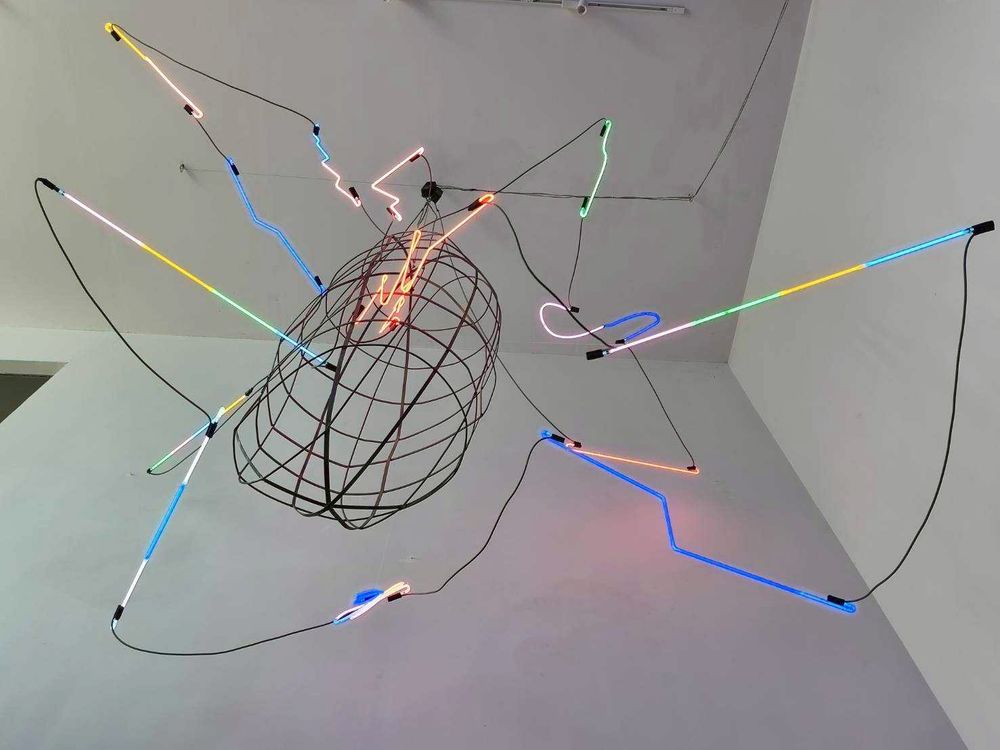
Giles Ryder Artist from Brisbane, Australia.
7. The results of connecting art, space, audience, and artists.
In Si Chiang Mai, Tha Bo (Nong Khai), and Udon Thani, our festival received feedback exceeding our expectations. It was like exploding the space; we didn't even think people would respond this much. During the preparation phase, our team was still worried about whether anyone would come to watch.
It was very organic. People in the area wanted to open their space but didn't know how and were waiting for something. When we went in to organize the event, it was like plugging in to support them perfectly. Art functioned to create new perspectives, helping locals understand their own stories better; some came to learn about their area through the artwork.
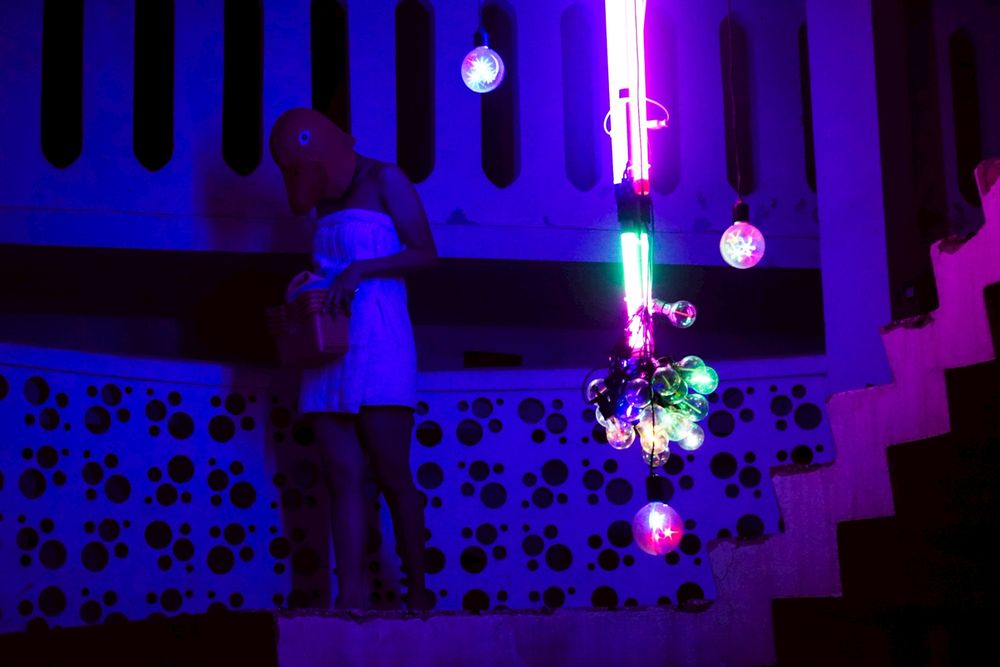
Chompoonut Puttha
What impressed us greatly was that students from nearby neighborhoods and districts organized tours to view the works to learn about the area through art. Teachers arranged classes for students to learn from the works, write descriptions, and present the pieces they liked.
During times when we weren't stationed at the venue, villagers volunteered as guides for visitors. They could explain and recommend the works very well, while also looking after the orderliness and even cleaning the area. They felt it had become part of their space that they needed to help care for or recommend. The team and the artists were very impressed, starting from when we went down to work in the field.
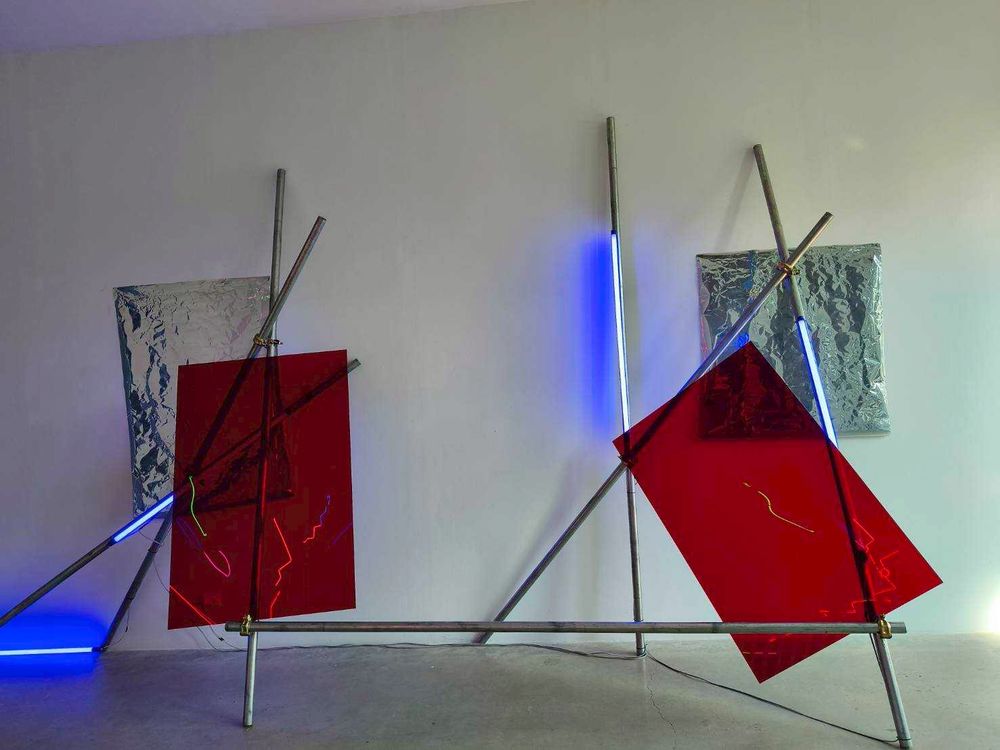
Christoph Dahlhausen Artist from Bonn, Germany.
8. Current situation of contemporary art? Feedback from visitors, supporting agencies, and collectors.
I think the world of contemporary art in the provinces or areas outside Bangkok is very interesting right now. Looking back ten years, it seemed very difficult to create a contemporary art space or scene to get people interested in contemporary art in the provinces, especially in Isan. But now it is much more interesting; many sectors are focusing here.
Part of the credit must go to the local people who wanted change and tried to present their own stories, grouping together and building it themselves from what they had.
Now, many agencies are more interested and providing support, but continuity may still be lacking. If there is continuous support rather than "scattering the net," I see that changes and new things could happen.
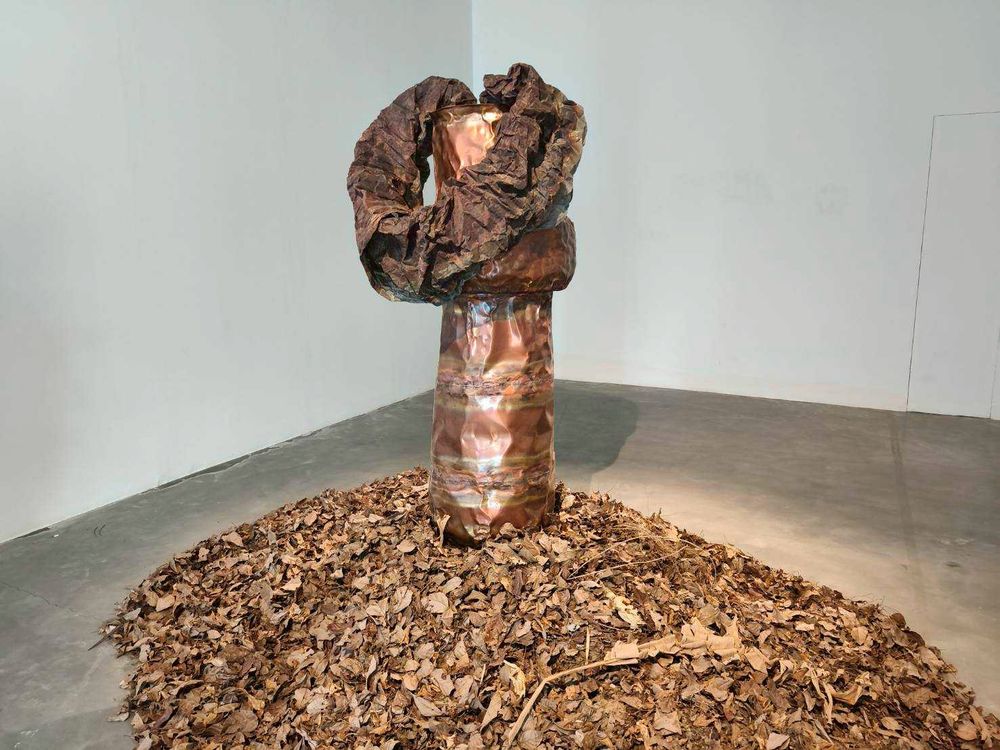
Jarupatcha Achavasmit Artist from Bangkok, Thailand.
From what we have seen and done throughout, we try to build new structures to create change. We see the possibility of the area's potential and people who want to connect themselves with a world that isn't just Bangkok or Thailand.
We often hear discussions about creating an art ecosystem, but it never really happens because of a strange understanding of contemporary art by educational institutions or government agencies. For example, evaluating art like an event, without looking at how art is necessary or promotes people's perspectives on life, or how it can be developed to improve society. Or even investing in art by viewing it merely as an event where "the more people, the better" to create economic value, but not looking at what the work results in or gives back to the area and society. This comes with support attached to strange and discontinuous conditions.
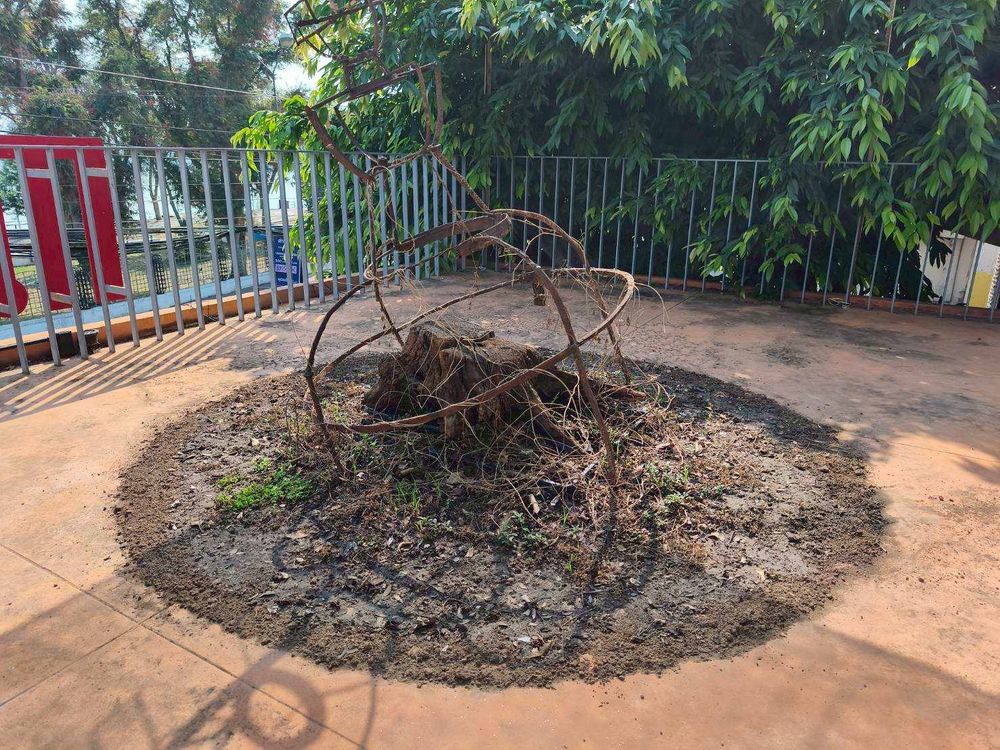
Akaras Pornkajornkijakul Thai Artist.
When we organized the first Isan Art Fair in Khon Kaen, we discovered that there are quite a few people who appreciate art and have purchasing power to collect, both in Khon Kaen and Isan itself. However, building up this group requires time to create understanding and perception of art continuously over the long term, relying on adjusting cooperation across many sectors.
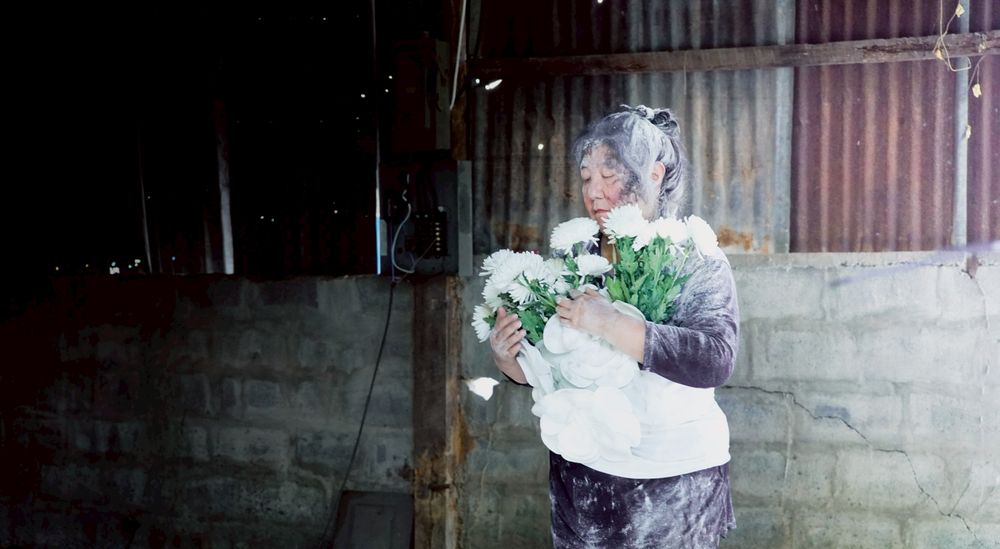
Noppawan Sirivejkul
9. What makes you continue organizing this event?
We see possibilities in what we are doing and see the small changes that are gradually happening. It might not be huge from many people's perspectives, but for us, it is very meaningful.
When we go into the field and work with villagers, we have fun and are happy with the good energy they give. Sometimes it heals our hearts too. The fact that they trust us to take their stories out to communicate with other societies through art, and that those works can truly voice their thoughts.
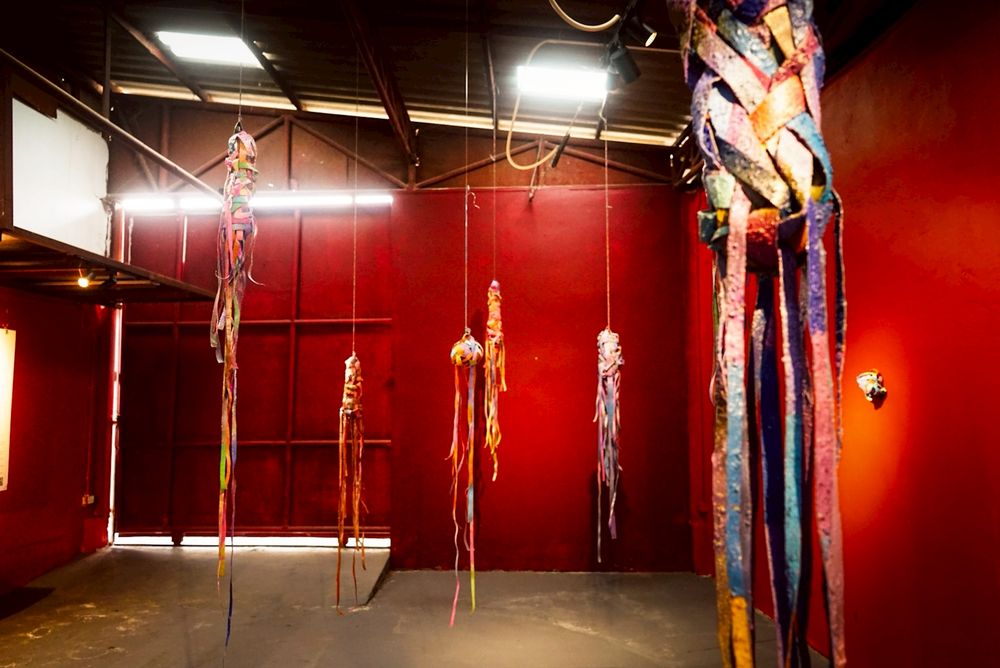
Mit Jai Inn
I think this is the reason why my team and I continue doing this work. We believe that a small voice from one area might not change the whole world immediately. But if it is loud enough, and there are enough people listening, it might gradually change the way the world looks at this area—and eventually change the way people look at themselves. This, perhaps, is what is called the "Sound of Era."
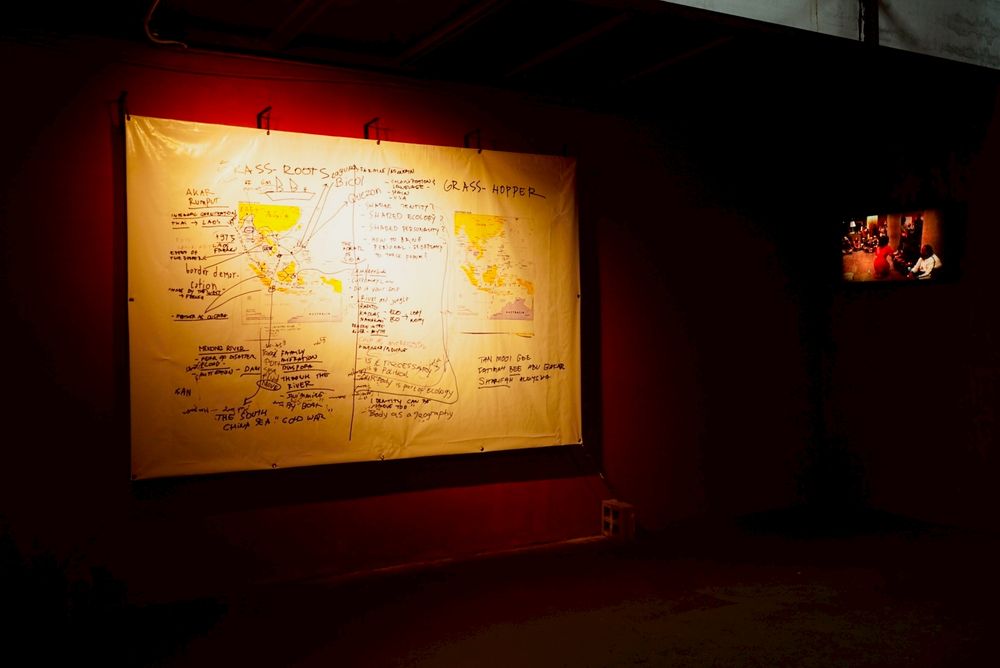
Cào Cào Collective
© 2025 Khaoyai Connect. All rights reserved.
No part of this content may be copied, modified, or distributed in any form without prior written permission.
