

Race Organizers’ Total Collapse: A Hard Lesson for Khao Yai
Private Sector Urges Community-Based Tourism as the Way Forward

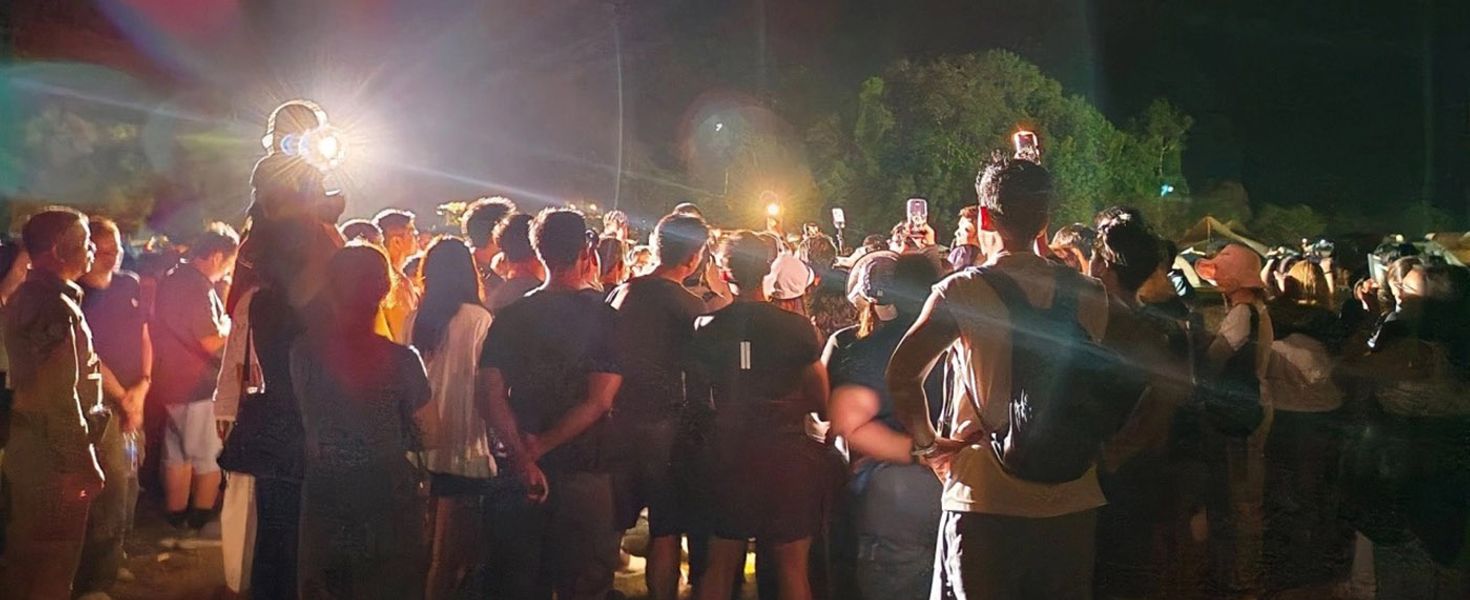
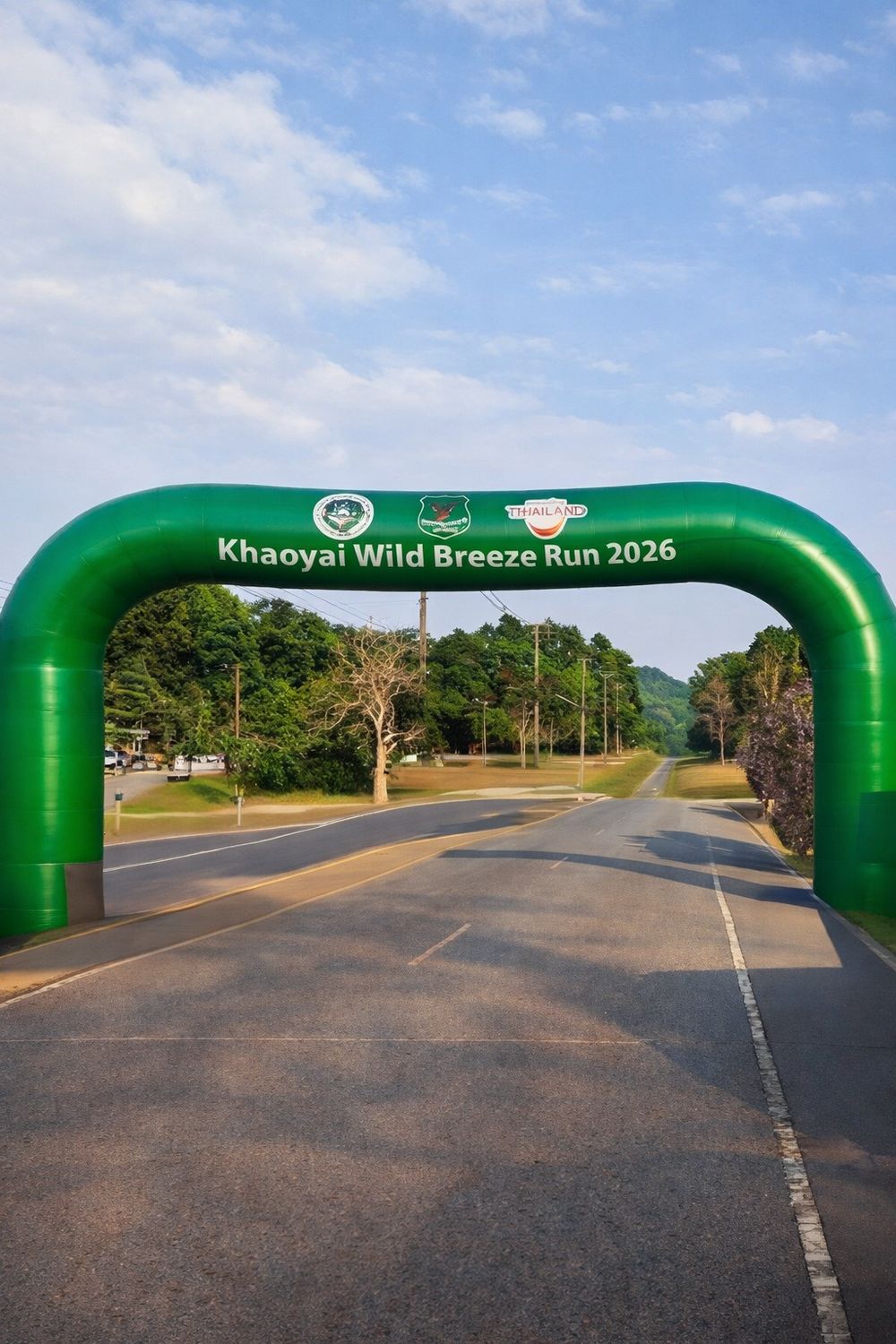
Chaos struck in the Year of the Fire Horse when the organizers of the Khao Yai Wild Breeze Run 2026 abruptly abandoned the event on February 14-15. This left over 1,800 runners confused and indignant, stranded on the heights of Khao Yai National Park with nowhere to go.
In response, Mr. Chaiya Huayhongthong, Chief of Khao Yai National Park, stepped in to manage the fallout. He personally led runner representatives to file a formal complaint at the Muang Nakhon Nayok Police Station, seeking accountability and refunds from the organizers.
To ensure the runners didn't leave completely disheartened, the National Park—acting as the venue host—decided to keep the race alive the following morning. The route was shortened to 6 kilometers, starting from Khao Rom Plain, cutting through the old golf course, and looping back at the Lam Ta Khong campground. The only catch: runners had to fend for themselves regarding food and water.
As the sun rose on February 15 and runners began crossing the finish line, they were met with an unexpected and heartening sight: a Pad Mee Korat booth set up by the Ban Tha Maprang-Khlong Phel community. They served 500 plates of the local specialty to the weary runners, while the National Park staff chipped in with extra fried rice to ensure everyone had a meal.
While this quick-thinking crisis management turned the tide, the damage to the reputation of such a major tourist destination was undeniable. This incident serves as a stark wake-up call for stakeholders to come together and find a way to prevent such a disgrace from ever happening again.
Ms. Panchana Vatanasathien, President of the Khao Yai Tourism Association, admitted the community was blindsided by the news. She noted that while they managed to save the day for the runners, the real goal should be preventing the breakdown in the first place.
“Prevention is always better than damage control,” stated the Association President.
Ms. Panchana noted that while some have suggested tighter contracts—such as requiring a security deposit—this would need to be vetted against existing regulations. However, she emphasized that the true bedrock of Khao Yai tourism is the sincere collaboration with local communities, which can serve as a vital form of social guarantee.
The Association President believes the first step is a rigorous background check on any organizing firm. Next, their willingness to engage with the community must be proven; a genuine organizer will always find ways to involve locals, who in turn act as an additional layer of oversight. Finally, the event's budget and logistics must be scrutinized for feasibility.
“The Khao Yai brand is so sensitive that when a single ant dies, everyone feels the tremor,” she remarked.
Ms. Panchana concluded that for any future event to be approved, it must align with the social fabric of the area—a concept known as Community-Based Tourism (CBT)—which acts as a natural filter for quality and accountability.
Dr. Watcharee Pratchayanusorn, President of the Tourism Industry Council of Nakhon Ratchasima, added that local involvement used to be the standard. Whether it’s the Khao Yai Marathon or other events, the community—from hospitals to police and local hotels—has always been a stakeholder.
In this particular case, however, the "hosts" were left in the dark. To rebuild trust, there must be a serious and committed shift toward community participation to ensure sustainable growth.
Mr. Thanwa Chiephanich, a committee member of the Ban Tha Maprang-Khlong Phel Community Enterprise who provided the food, shared his perspective. His group was already scheduled to cater the event with a budget from the TAT (Nakhon Ratchasima). When the event collapsed, they didn't want the food to go to waste and asked the TAT and the Park Chief if they could serve it to the staff or runners instead.
“I was there from the start. By 7 AM, hundreds of runners were lining up at our booth—we were the only ones there. Everyone seemed to relax once they had a plate of Pad Mee Korat. We served 500 portions, and the park ordered more fried rice so nobody went hungry. It took until almost 10 AM to finish.”
During the event, Mr. Thanwa spoke with the runners. Many said they only signed up because they saw the official logos of the National Park and the TAT’s “Amazing Thailand” brand. This misuse of official symbols is perhaps the most damaging blow to public trust.
“I believe the National Park and the TAT should also file their own police reports as injured parties. Going forward, the right to use these official logos must be strictly controlled. If it wasn't for the cool, pleasant weather of Khao Yai that morning, people might have been much angrier. A good run and a good meal really helped take the edge off.”
Now that the dust has settled, the primary mission for everyone involved in tourism is to face these lessons head-on. Ultimately, proactive prevention is far more effective than trying to fix a crisis that may have long-lasting repercussions.
© 2025 Khaoyai Connect. All rights reserved.
No part of this content may be copied, modified, or distributed in any form without prior written permission.
