


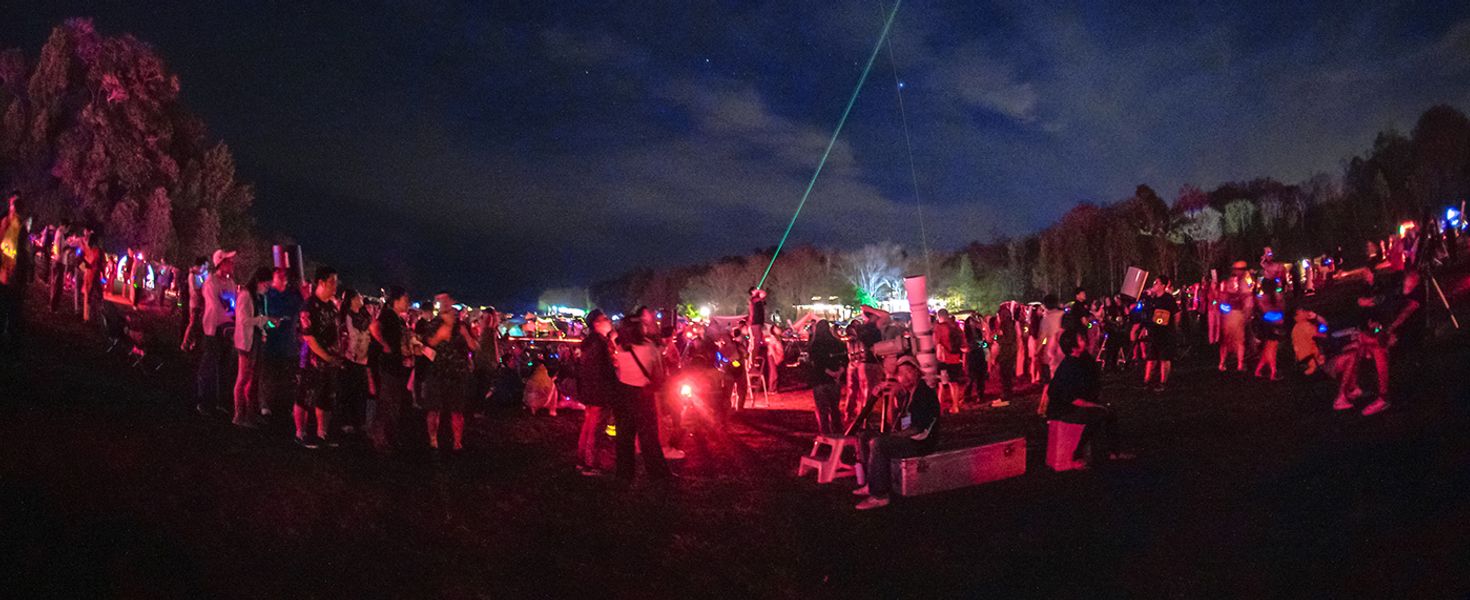
Dark Sky Star Party
The First Gateway to the World of Astronomy
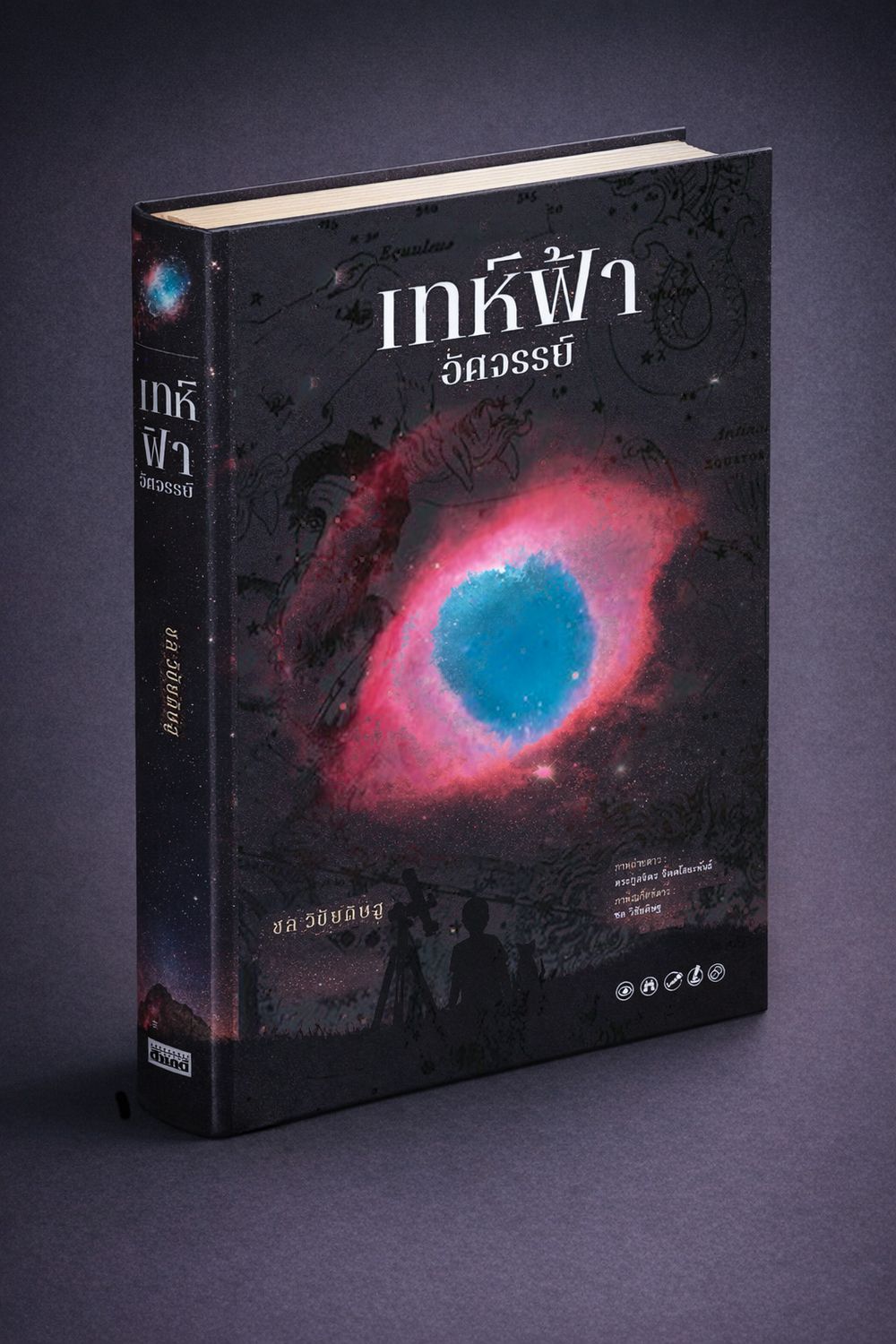
Among the crowds of people strolling through the Dark Sky Star Party 2026 at the Khao Rom campsite in Khao Yai National Park, we happened to cross paths with Chon Wichaidit. He is the author of "Teh Fa Atsachan" (Amazing Celestial Objects), which won the Outstanding Award in the Non-Fiction category from the Office of the Basic Education Commission (OBEC). He was seen immersing himself in the vibrant and lively atmosphere of the event.
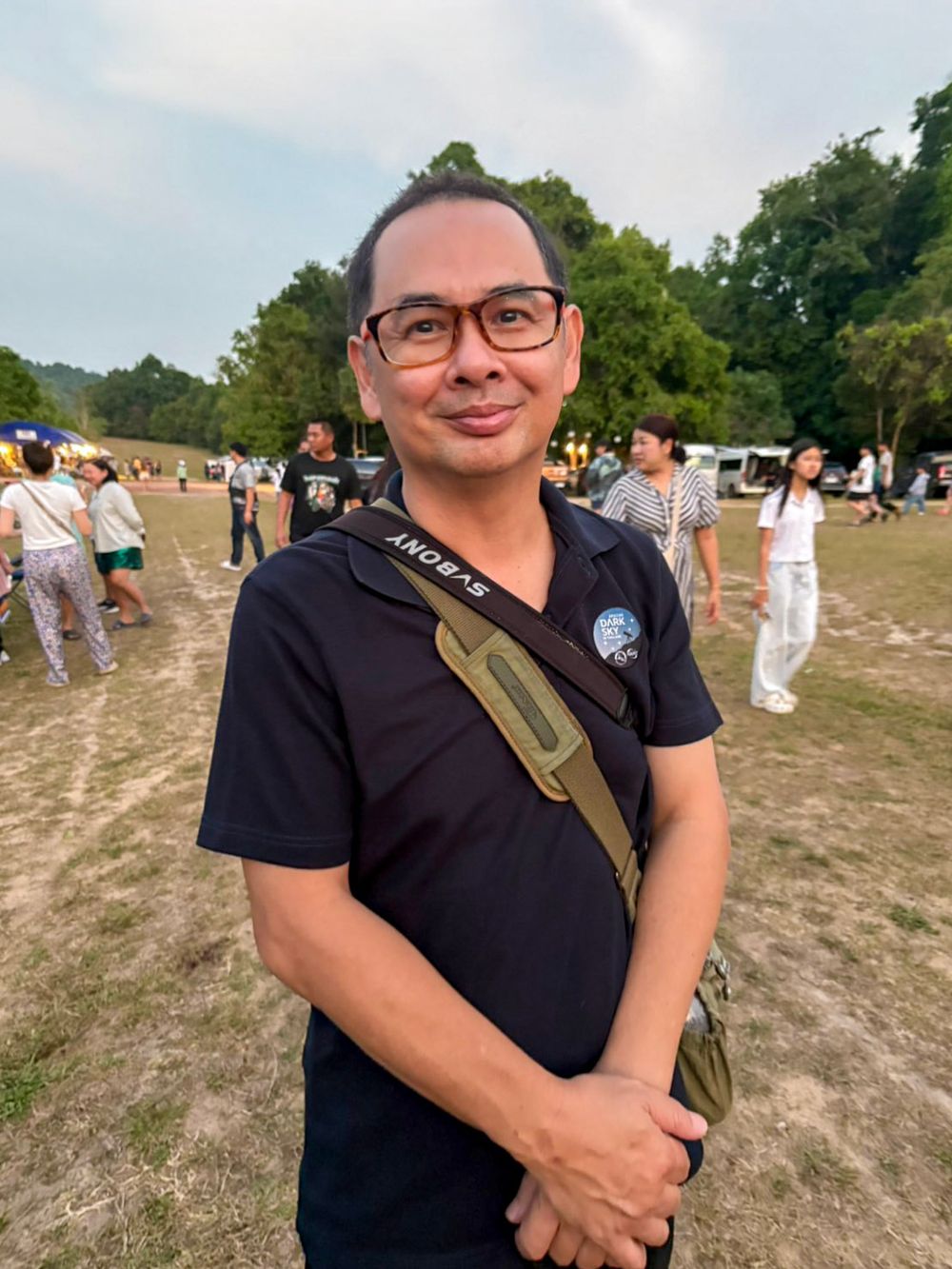
"Full credit must go to NARIT," the young author remarked after we greeted him and asked about his impressions of the night. "By organizing activities like this, they have significantly boosted public interest in stargazing, turning it into a real trend. In reality, many people are already interested in astronomy; they just don't know where to start or where to go. An event like this helps bridge that gap to a certain extent."
Chon explained that events of this nature serve as a "first door" for people to get into stargazing. Most beginners tend to focus on planets or easily visible celestial bodies, such as the Moon, Jupiter, or Venus. Meanwhile, "deep-sky objects"—which include various celestial bodies in space like nebulae, star clusters, or galaxies—require more detailed explanation. For those truly interested, they might need to look for more specialized activities, similar to what he is currently organizing at Rai Khao Noi Suwana.
"I'm here today to catch up with friends in the community. Usually, when these events take place, they clash with the sessions I host at Rai Khao Noi Suwana. It just so happens I don't have an activity scheduled today, so I took the opportunity to attend. I see it as a great initiative—the first gateway for people to discover an interest in stargazing."
Another intriguing aspect of the event was the strong collaboration among various partners, including NARIT, regional observatories, local astronomy clubs, and regular participants like various schools that brought along their own telescopes.
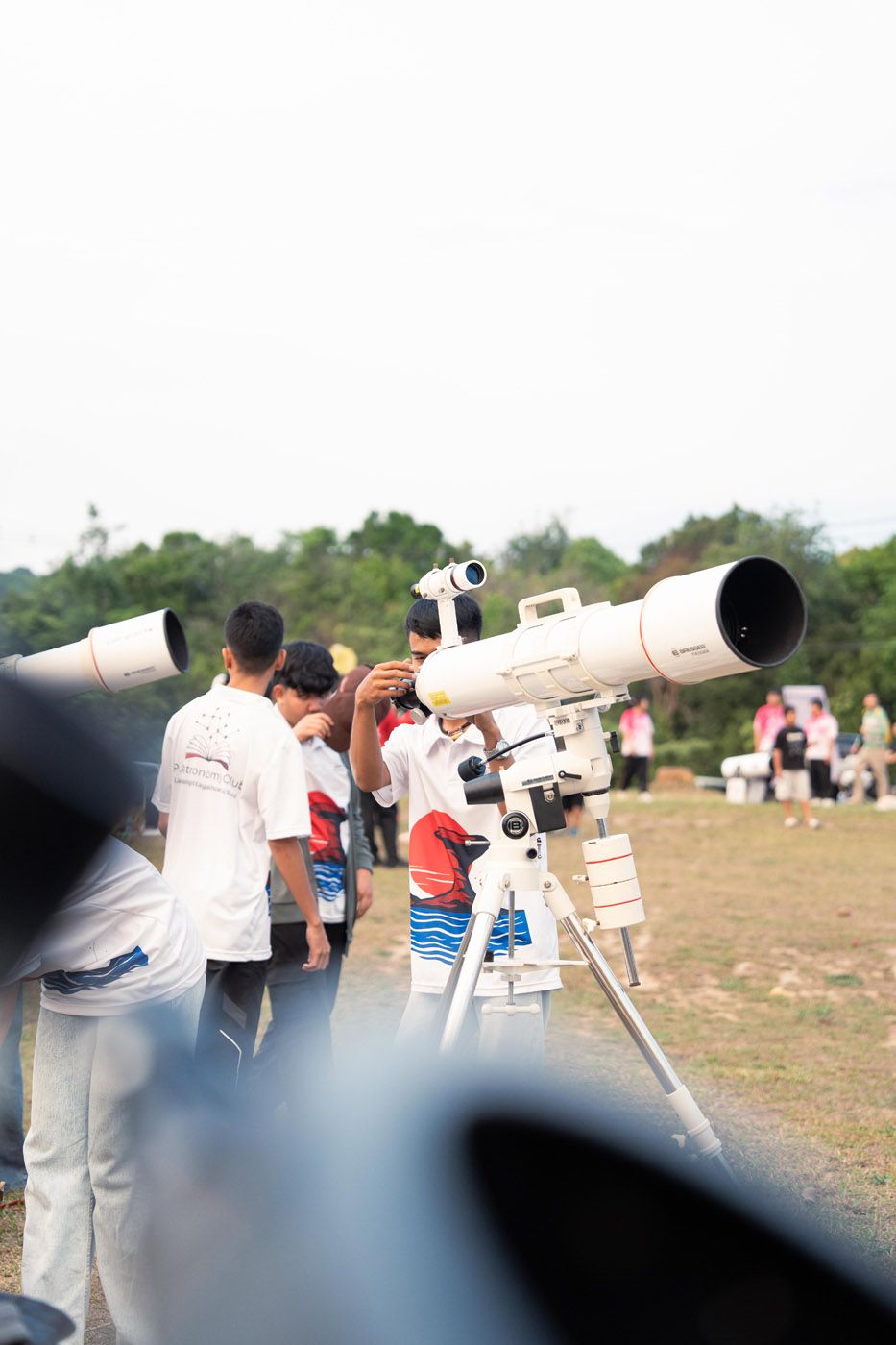
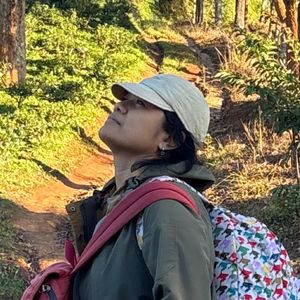
Suparnee Wuttisarn, a physics teacher from Suwannakhuha Phittayasan School in Suwannakhuha District, Nong Bua Lamphu Province, represented one of the schools that brought a Dobsonian (reflecting) telescope to participate in the activities.
"Suwannakhuha is a small district in Nong Bua Lamphu," Teacher Suparnee explained when asked about the school's location.
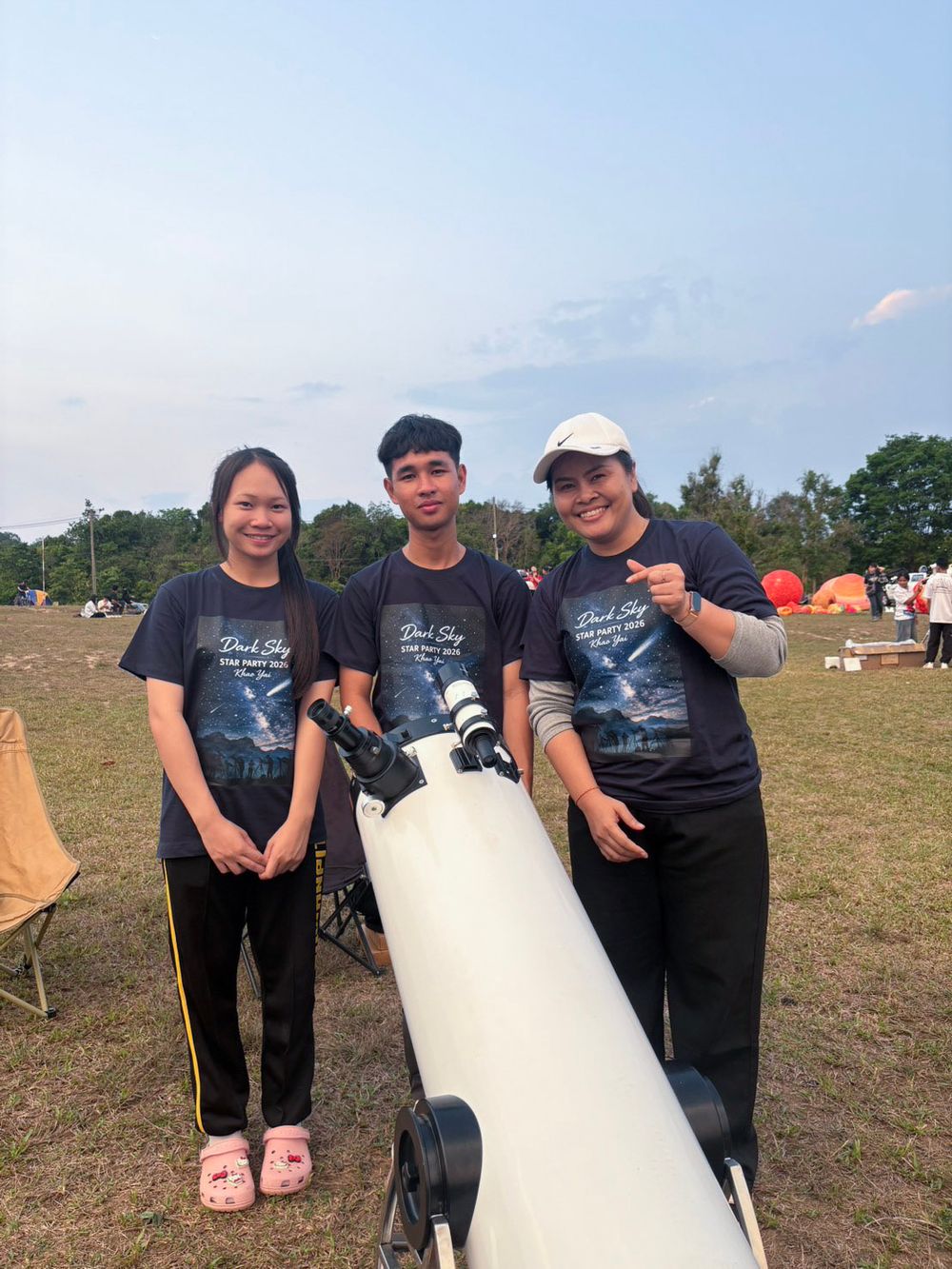
The teacher shared that the school’s stargazing journey began with two or three teachers who requested the administration's support to attend training as part of the astronomy teacher network organized by the National Astronomical Research Institute of Thailand (NARIT). After completing the training, the school received a 10-inch Dobsonian telescope.
"This telescope is used to observe celestial objects like planets—Jupiter, Venus, and Saturn—the Moon, or star clusters like the Pleiades. Students get to learn firsthand; for instance, they see that Venus is the brightest object in the sky, rising and setting near the Sun, and is known as Earth’s twin due to its similar size."
Currently, the school's astronomy club has 20 members. They have expanded from their own campus to conducting outdoor activities, with the goal of having students introduce the local community to the wonders of the night sky.
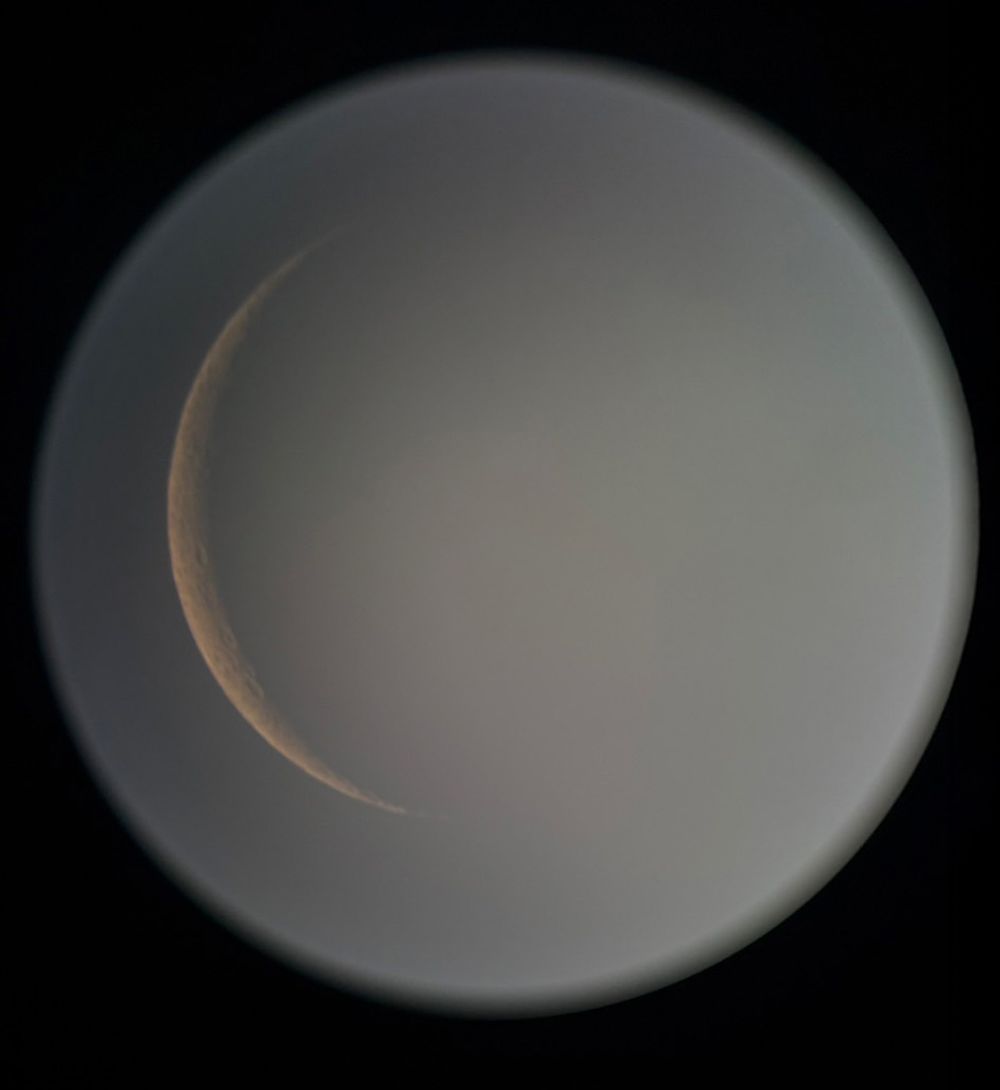
When asked what fascinates the students most about astronomy, Teacher Suparnee said they often ask whether the Moon looks the same as it does in photographs, or if Jupiter’s colors are real. Once they look through the telescope, they see the reality—that the images in their textbooks are accurate—and they get to observe the Moon’s craters for themselves. This experience sparks an even deeper desire to learn.
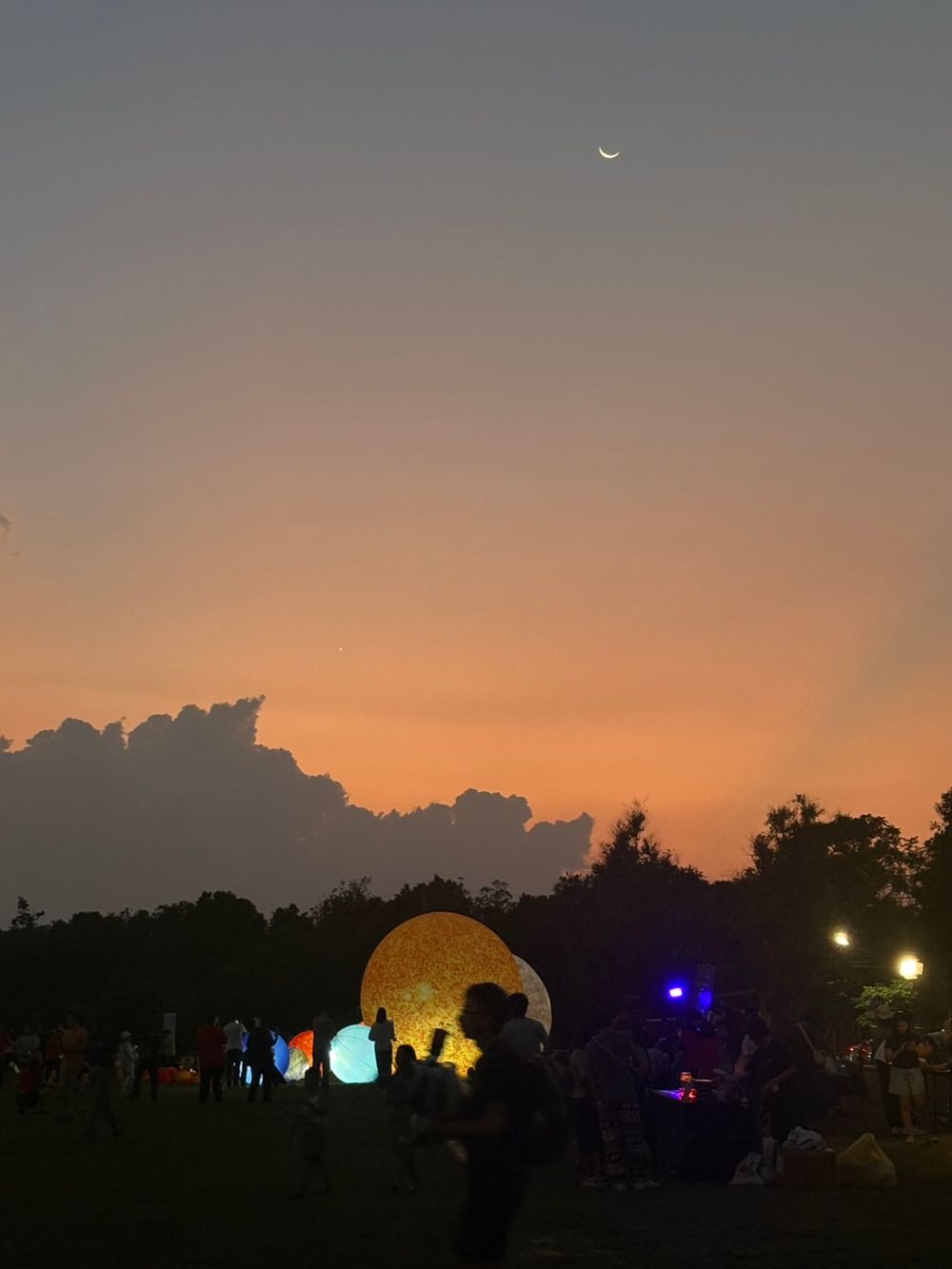
"Interested students come from both science and arts backgrounds. The arts students focus on photography and creating beautiful infographics. On nights with a clear, beautiful moon, they'll invite each other to take photos. Meanwhile, the science students focus on astronomy research. Last year, I took the Grade 11 students to present their research in a poster session in Chiang Mai. Most recently, we organized an astronomy camp about the lunar eclipse, which the students were very excited about."
The Khao Yai Dark Sky Star Party 2026 has come to an end, leaving a lasting impression on many. For some, this event was truly the first door into the world of astronomy, leading them on a quest to discover the endless wonders that the universe has to offer.
